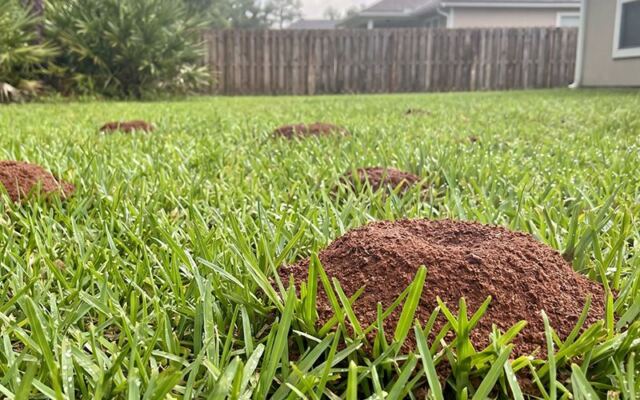
A fresh ant mound after a Kentucky rain tells you one dependable thing: ants are active nearby and have pushed soil up from underground. It does not tell you that the rain created a new colony, and it does not tell you which kind of ant made it.
Some mounds do change with the weather, and a few of them matter more than others. Knowing the difference helps you stay safe and avoid spraying your whole yard for no reason.
A fresh mound records soil excavation

Walk out after a storm and spot a little hill of crumbly dirt in the grass, and you are looking at a pile of soil. Soil-dwelling ants dig tunnels and chambers underground, and the dirt they remove has to go somewhere.
As described in University of Kentucky guidance on ants in landscapes and gardens, that excavated soil is what forms the mound.
So the most dependable reading is simple. Ants are working nearby, and they have moved earth to the surface.
That is ordinary yard activity, and Kentucky has many ant species that behave this way.
Here is what the mound cannot tell you. It cannot tell you how old the colony is, because a nest can sit underground for a long time before you ever notice a pile of dirt.
A mound that looks brand new may be the work of a colony that has lived there for months or years. It also cannot prove that the rain caused anything, since you may simply have noticed it for the first time after the lawn got wet.
Wet soil can also make fresh dirt easier to see. Dark, damp crumbs stand out against grass in a way that dry, dusty soil does not.
Think of the mound as a sign that says ants are home, and nothing more specific than that.
If you want to learn more, look at the ants themselves from a safe distance. Their size, color, and behavior say much more than the shape of the dirt pile does.
Rain can change a mound without creating a colony
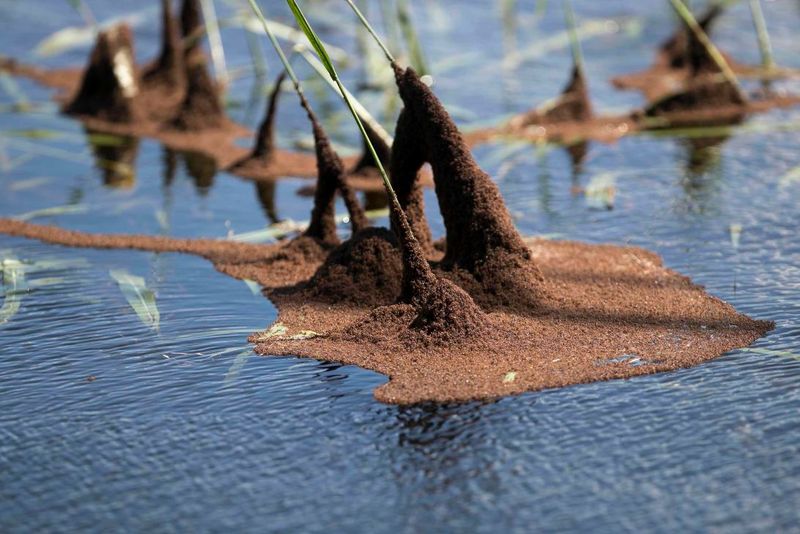
Rain can affect some mounds, but the effect is narrower than many people assume. According to Mississippi State University Extension on fire ant biology, imported fire ants may build higher in cool, wet conditions.
They can also rebuild after heavy or prolonged rain floods the underground galleries. Both cases involve a colony that already existed.
That is very different from saying rain makes ants build fresh mounds in general. Most ant species do not respond to a storm that way, so a new pile of dirt in your yard is not automatically a rain reaction.
Another Mississippi State piece, Fire Ant Mounds, Standing Tall, covers the mound-height side of this behavior for fire ants.
Swarms are a third thing. Imported fire-ant mating swarms can be common one to two days after rain that follows a dry spell.
Winged ants taking off do not prove that a mound appeared that day, because the swarm and the mound are separate events.
A practical way to sort it out is to ask which of three things you are seeing. A mound may be more visible, it may be rebuilt after flooding, or winged ants may be flying.
None of those means a newly founded colony. A new colony starts small, and a young nest rarely announces itself with a large dome.
Can the mound’s shape identify its maker?

Shape alone is a poor name tag. Kentucky has several mound-building ants, and University of Kentucky Extension notes that mounds from different species can look alike to a casual observer.
A neat pile of fine soil could belong to a harmless lawn ant.
Imported fire-ant mounds do have some traits worth knowing. Kentucky Extension describes them as often made of fluffy soil with no obvious entrance hole, and established ones can be much larger than new ones.
Treat these as clues. They can point you toward asking for help, but they cannot confirm what is living inside.
Not every bump is an ant nest, either. As University of Minnesota Extension explains, lawn bumps can come from other animals and soil-dwelling creatures.
Compare the shape and any openings, and look for ants actually coming and going.
Resist the urge to poke the mound to see how the ants react. A strong, swarming response is a warning sign for fire ants, but testing it means disturbing a nest that could sting.
If you cannot tell what you have, take a photo from a distance and contact your county Extension office for local identification.
Kentucky’s fire-ant risk is real but uneven
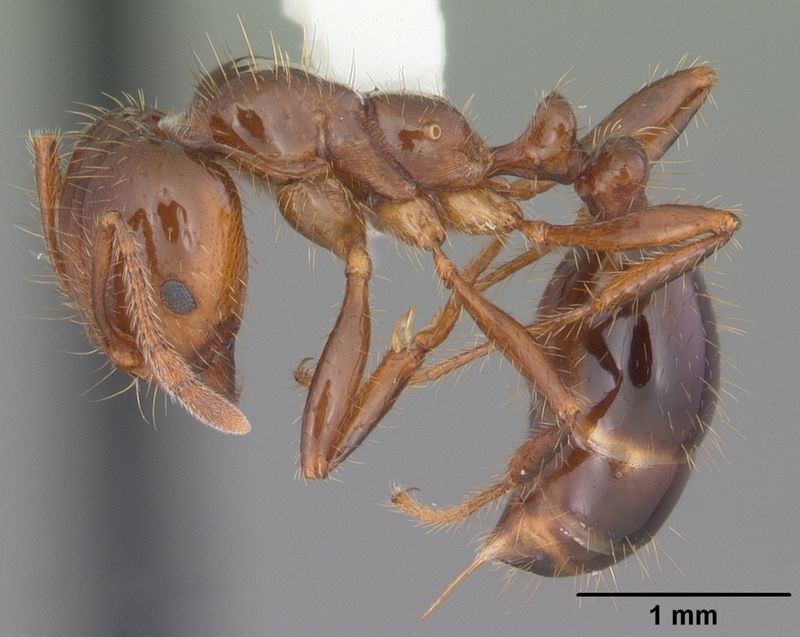
Imported fire ants have been confirmed in Kentucky, so the concern is not imaginary. Still, they are not spread evenly across the state.
University of Kentucky Extension reports persistent detections in parts of southern Kentucky and periodic detections in western Kentucky.
The Kentucky Cooperative Agricultural Pest Survey tracks this ant, which is one reason reports from residents are useful. Where you live matters.
A homeowner in a county with past detections has more reason to look closely than someone in a region with none.
It also helps to separate three kinds of information. Some detections are confirmed or reported.
Others are still being investigated. And some survey work is only planned.
A 2025 University of Kentucky survey project record describes additional findings and reports under investigation, plus planned surveys for the following year. That is not a finished map of where the ants live statewide.
So what should you do with this? Pay attention without worrying.
Most fresh mounds in Kentucky lawns come from ordinary ants. The state context is a reason to notice an unusual mound, not a reason to assume every one is a fire-ant nest.
If you suspect imported fire ants, step back and report
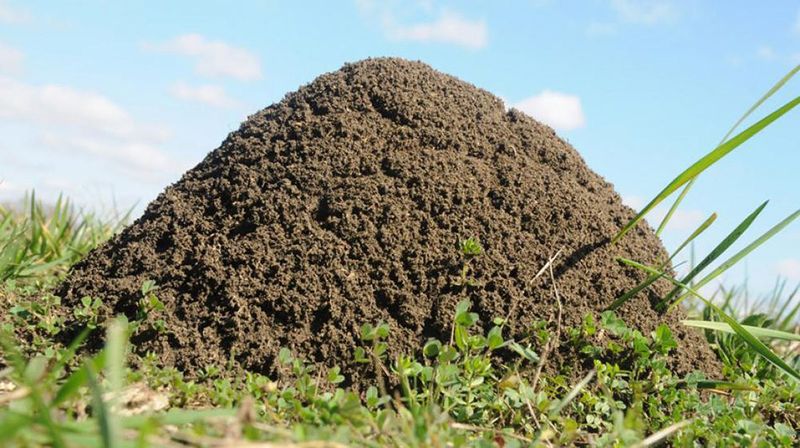
If a mound looks suspicious, the best move is to back away. Keep children and pets clear of it, and do not probe, kick, dig into, flood, or handle the ants.
Poking the nest to see what happens is exactly what you should avoid.
The reason is simple. According to University of Kentucky Extension, imported fire ants can sting repeatedly, and sensitive people may have a severe allergic reaction.
A calm, distant approach keeps everyone safe.
Kentucky guidance is to report a suspected mound rather than treat it yourself. The Kentucky Cooperative Agricultural Pest Survey page is part of how these reports are tracked.
A trained entomologist is the best person to confirm the identification.
Here is how to make a useful report. Take a clear photo from a safe distance.
Write down the street address or GPS coordinates so someone can find the exact spot. Then contact your county Extension office, which can help you with next steps.
Until you hear back, mark the area in your mind and keep mowers, kids, and pets away from it. A few days of caution costs little, and it gives experts a chance to look before anything is disturbed.
Most lawn mounds do not call for blanket treatment
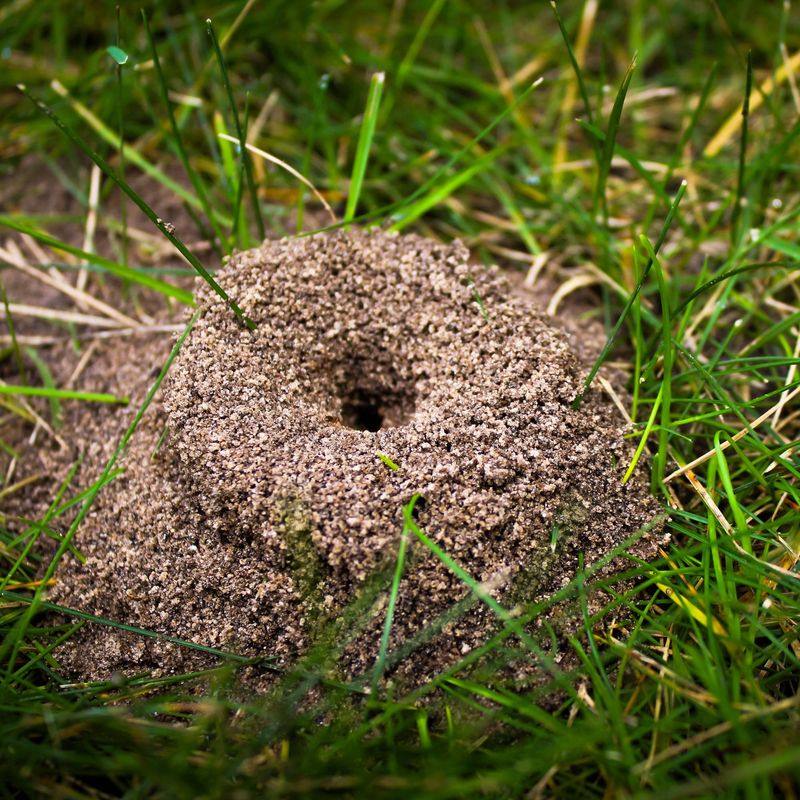
Ordinary lawn mounds are a different story from a suspected fire-ant nest. Many ants are beneficial, and University of Kentucky Extension advises identifying the ant first.
They aerate soil and eat other insects, so a small mound in the grass may be doing no harm at all.
Before reaching for any control, ask a plain question. Is this mound causing a real problem?
A pile of dirt on a lawn edge is not the same as ants invading your kitchen or damaging a path. If the answer is no, you may not need to do anything.
Blanket yard insecticide is the approach to skip. As University of Kentucky guidance on ant control for householders cautions, broad yard treatments can kill beneficial ants and may not solve an ant problem.
Spraying based on how a mound looks is a guess.
If a problem does turn up, identify the ant, then follow Extension advice and any product label. For a mound that looks unusual, go back to the report-and-photo steps instead.
Careful looking beats spraying every time.
Read the mound as a clue, not a diagnosis

A fresh mound after rain shows that soil has moved and ants are busy nearby, as Kentucky Extension explains. It does not prove a new colony or a particular species.
Sort ordinary mounds from the rare suspicious one, and when in doubt, follow Extension reporting advice instead of guessing or disturbing the nest.
Most of the time, a little dirt is just a little dirt.
Share this story