If a fuzzy hickory tussock caterpillar has left your skin itchy or burning, the first move is simple: lift any hairs with fresh sticky tape, wash with soap and water, and cool the spot with wrapped ice. The “sting” comes from tiny irritating hairs, not a bite, and only some people react to them.
Knowing the right order of steps, and the few signs that mean you need emergency help, takes the panic out of a surprise encounter during yard work.
A rash does not identify the caterpillar
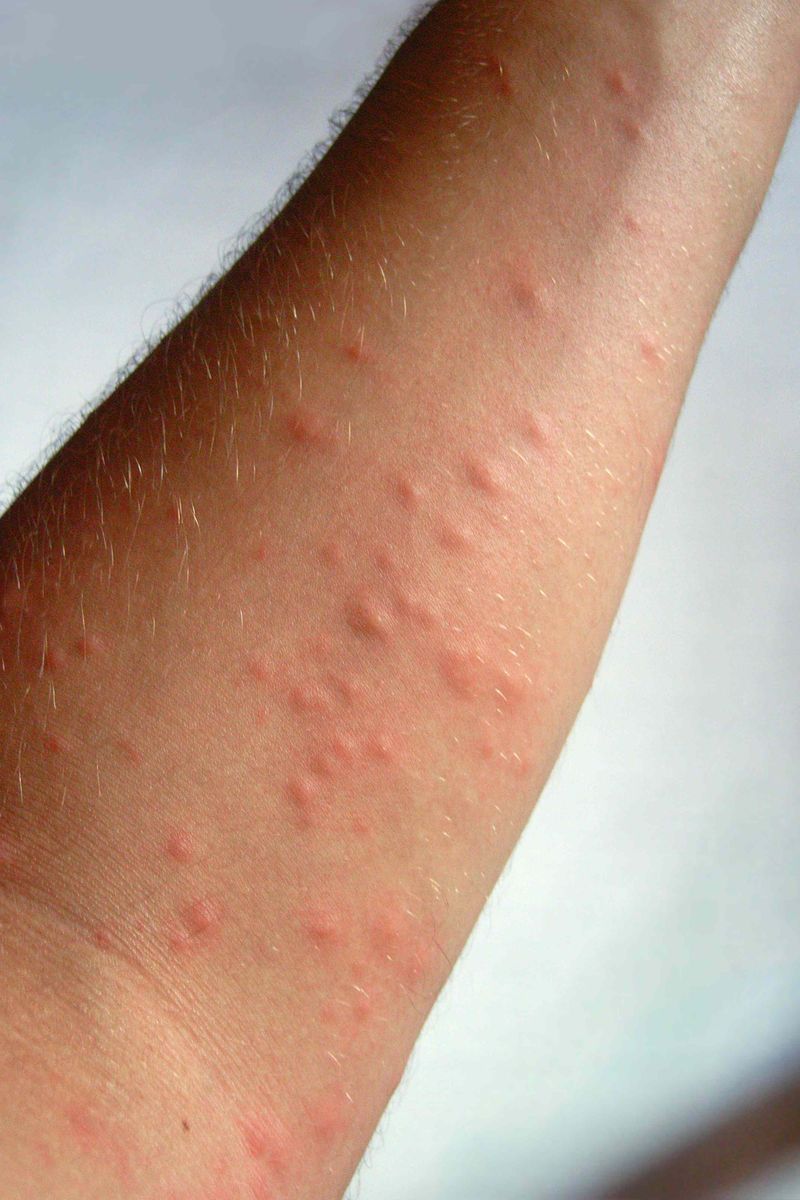
Hickory tussock moth hairs can cause a localized, itchy skin irritation in some people. That is the whole story behind the word “sting” here.
The UMass Extension guide points to contact with irritating hairs, not a bite or a true venom injection.
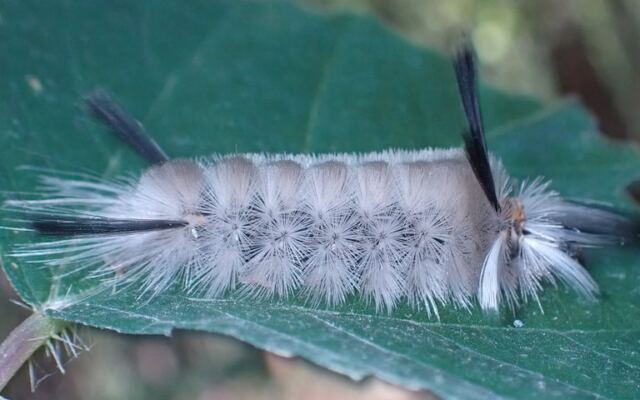
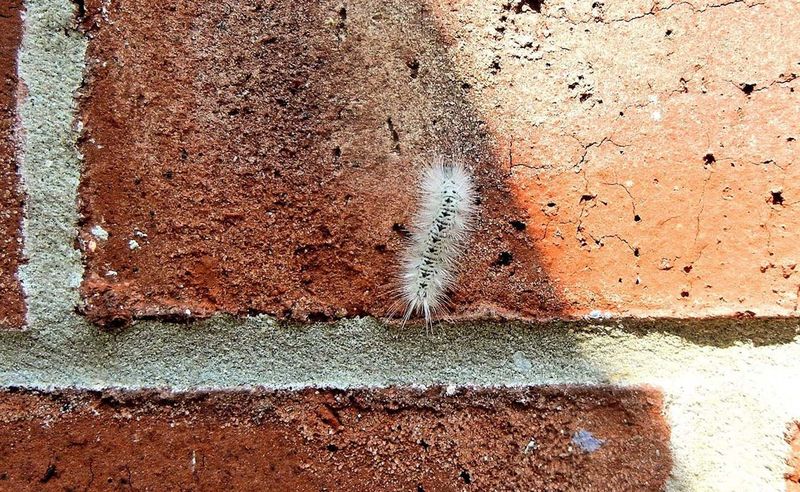
The larvae are generally hairy and white and black. Plenty of other caterpillars look similar, though, so a fuzzy description alone does not settle the question.
A rash cannot tell you which caterpillar, or even which insect, was involved. Plants, other fuzzy larvae, and ordinary skin irritants can all cause red, itchy patches.
The species’ range does include Illinois, according to Penn State Extension. That does not mean you are likely to meet one, and nothing here suggests an outbreak or rising cases in the state.
Think of it as a possibility worth being prepared for, not something to expect.
Not everyone who touches the hairs gets a rash, either. Some people notice nothing at all, while others get itching or redness where the hairs landed.
The steps in the next sections work the same way whether or not you ever confirm the species, so you do not need a perfect identification to start helping your skin.
If you can safely snap a photo from a distance, do that. It can help if you later need advice from a doctor or Poison Control.
Lift possible hairs with sticky tape

Stop touching the area first, and keep bare hands off the caterpillar and any loose hairs. Rubbing or brushing at the skin can push fine hairs in deeper, so resist the urge to scratch or wipe.
If hairs may be stuck in the skin, press a piece of tape sticky-side down over the spot, then gently lift it away. Poison Control’s caterpillar guidance suggests repeating this with a fresh piece each time.
Reusing a strip just spreads hairs around.
Duct tape, packing tape, or ordinary clear tape all work for this job. Check each strip in good light to see whether it picked anything up.
Stop when the strips come away clean.
Tape is most useful when you suspect hairs are embedded. If they are only resting on the surface, such as after brushing against a leaf pile, gentle washing may be enough, a point also reflected in MedlinePlus advice on caterpillars.
Tape will not remove every hair, and no method promises that. It simply gives you a safe, low-effort first pass before you move on to washing.
Wash the skin, then cool it

Once the tape work is done, head to a sink. Wash the area gently with soap and water, using light motions rather than scrubbing.
Rinse well and pat dry with a clean towel.
Next comes cooling. Wrap ice in a clean cloth and hold it on the irritated skin for 10 minutes, then take it off for 10 minutes.
MedlinePlus describes this on-and-off pattern, and Poison Control’s first-aid page also lists cooling as part of symptom relief.
The cloth matters. Ice placed straight on skin can irritate it further, especially if the skin is already tender.
Keep in mind what each step does. Ice takes the edge off burning and itching, but it does not pull out hairs and it will not cure a reaction.
Washing may help clear loose hairs, though it cannot promise that embedded ones are gone.
If the discomfort fades after a round or two of cooling, you may not need anything more. If itching lingers, the next section covers what comes after.
Ease lingering itch with care
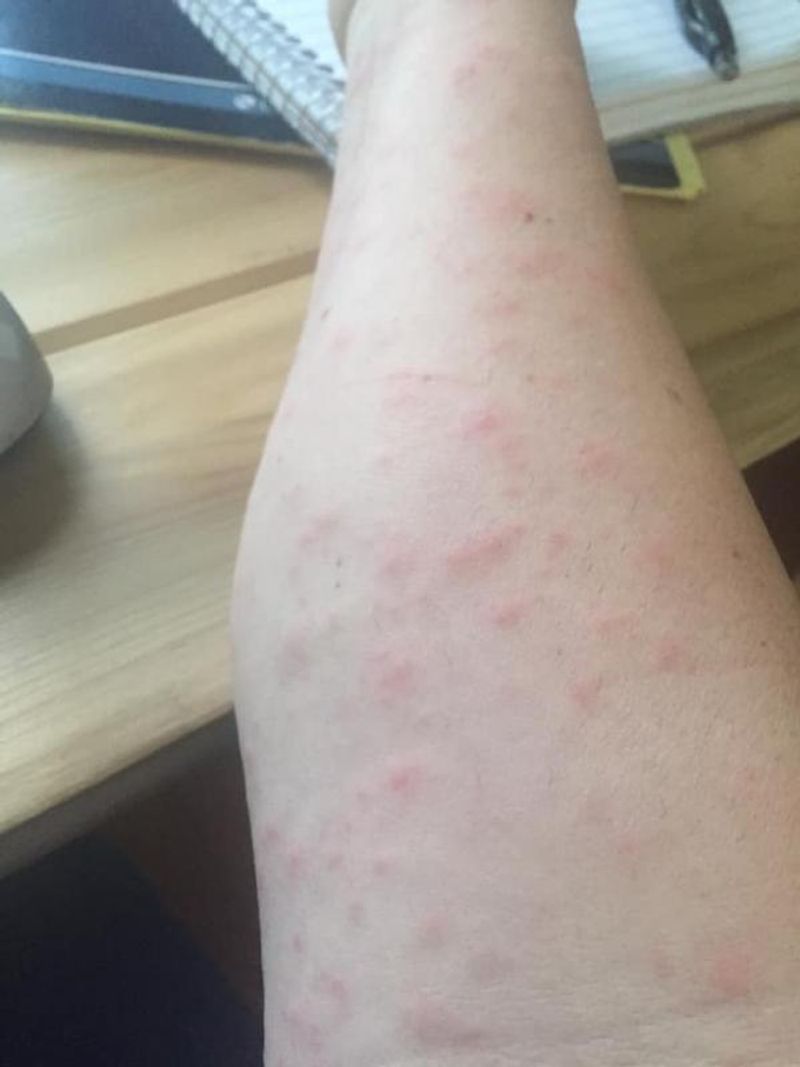
Some people develop a localized itchy rash after hair contact, and others feel nothing. Both outcomes are normal.
Severe allergic reactions are described as rare in the UMass Extension guide.
If itching sticks around after you have removed hairs and washed, Poison Control suggests trying hydrocortisone. If that does not help, it lists an oral or topical antihistamine as the next option.
Read the label and follow the directions on any product you use. Check age limits, and ask a pharmacist or doctor for advice if you are pregnant, take other medicines, have a health condition, or are simply unsure what is right for you.
Try not to scratch. Scratching can break the skin and make the irritation last longer.
Stick to what is known about this species. Skin irritation and itching are the usual concerns with hickory tussock hairs.
Stronger effects reported for other caterpillars should not be assumed here, though blisters or spreading symptoms are good reasons to get medical advice.
Know when to call for emergency help
Most hair exposures stay mild and local. A few signs are different, and they should never wait.
Call 911 right away for trouble breathing or swallowing, fainting, or swelling of the lips, face, or tongue. Both Poison Control and MedlinePlus treat these as emergencies.
Do not wait to see whether they pass, and do not stop to call a nurse line or look up advice first. Make the 911 call, then follow the dispatcher’s instructions.
For questions that are not emergencies, such as what to do about a rash that worries you, Poison Control in the U.S. is at 1-800-222-1222. That line is for exposure questions and is not a replacement for 911 when someone has the warning signs above.
Quick checklist: breathing or swallowing trouble, fainting, or swelling of the lips, face, or tongue means call 911. Itching, redness, and mild burning on the skin mean home first aid and, if needed, a call to Poison Control.
Eye and inhaled exposures need different care
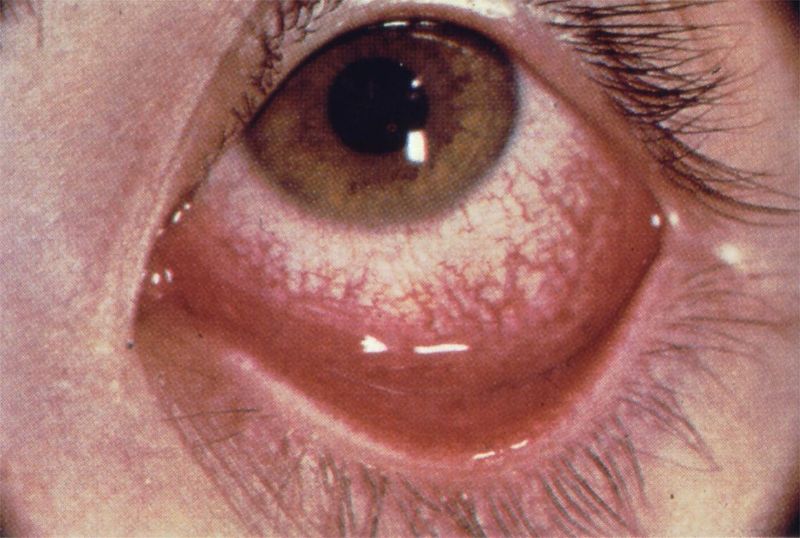
Everything above is for skin. Hairs that reach the eyes or get breathed in call for a different response, and tape and ice have no place there.
If hairs may be in an eye, flush it with water and get medical advice. MedlinePlus advises seeking care if irritation persists.
Avoid rubbing the eye, and do not wait it out if redness, pain, or blurry vision continues.
For inhaled hairs, such as after stirring up debris near caterpillars or cocoons, seek medical advice. Poison Control also notes medical care for this route.
Coughing, throat irritation, or any breathing trouble is not something to tough out.
If breathing is difficult, that moves into emergency territory, so call 911 rather than seeking routine advice.
When you are unsure which category your exposure falls into, a call to Poison Control at 1-800-222-1222 can help you sort it out.
Fall cleanup can involve larvae or cocoons
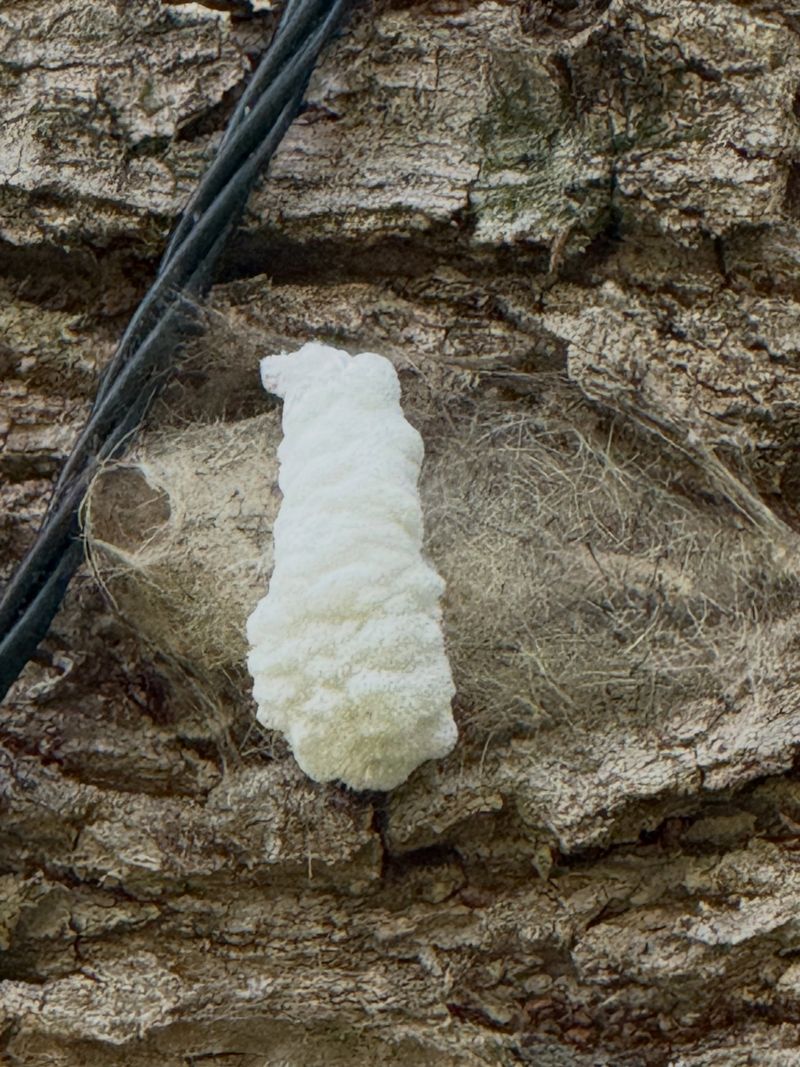
Raking and bagging leaves can put you close to things you rarely notice. Mature hickory tussock larvae can wander through landscapes in fall, according to the UMass Extension guide, and they build cocoons that include their hairs.
That is the key difference. A wandering caterpillar is something you might see crawling, while a cocoon is a quiet package tucked into leaf litter.
The Maine Forest Service cautions that cocoons in leaf litter can also cause a rash.
None of this means caterpillars are active all through fall, and not every autumn rash comes from this species. Wear gloves and long sleeves, and avoid handling any caterpillar or cocoon with bare hands.
If you do think hairs touched your skin, work in order: lift with fresh tape if hairs may be embedded, wash gently, then cool with wrapped ice. The Poison Control guidance backs that sequence.
Call 911 for breathing or swallowing trouble, fainting, or swelling of the lips, face, or tongue.
A little caution with the leaf pile goes a long way.
Share this story