When the leaves drop and the nights turn cold, a lot of Kentucky critters start hunting for a warm place to wait out winter. Sometimes that place is your woodpile, your garage, or the gap under your back steps.
Some of these hidden guests can bite or sting, and a few can send you to the doctor. Knowing who might be lurking in your yard this time of year helps you rake, stack firewood, and clean out the shed without any nasty surprises.
1. Copperhead
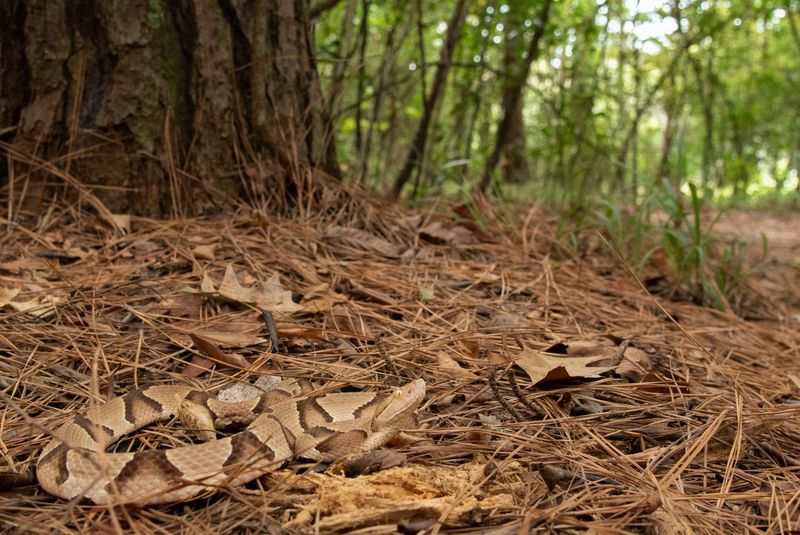
Picture yourself scooping up a pile of brown leaves, and one of those leaves moves. That’s the copperhead’s whole trick.
Its tan and copper hourglass bands blend almost perfectly with autumn leaf litter.
Copperheads are the most common venomous snake in Kentucky, and they’re found in every part of the state. In late fall, they travel toward rocky hillsides and old foundations where they spend the winter, often in groups.
That trip can lead them right across lawns and patios.
Bites are painful but rarely deadly. Still, any bite needs a trip to the ER.
Wear gloves and use a rake instead of bare hands when clearing leaves.
2. Timber Rattlesnake
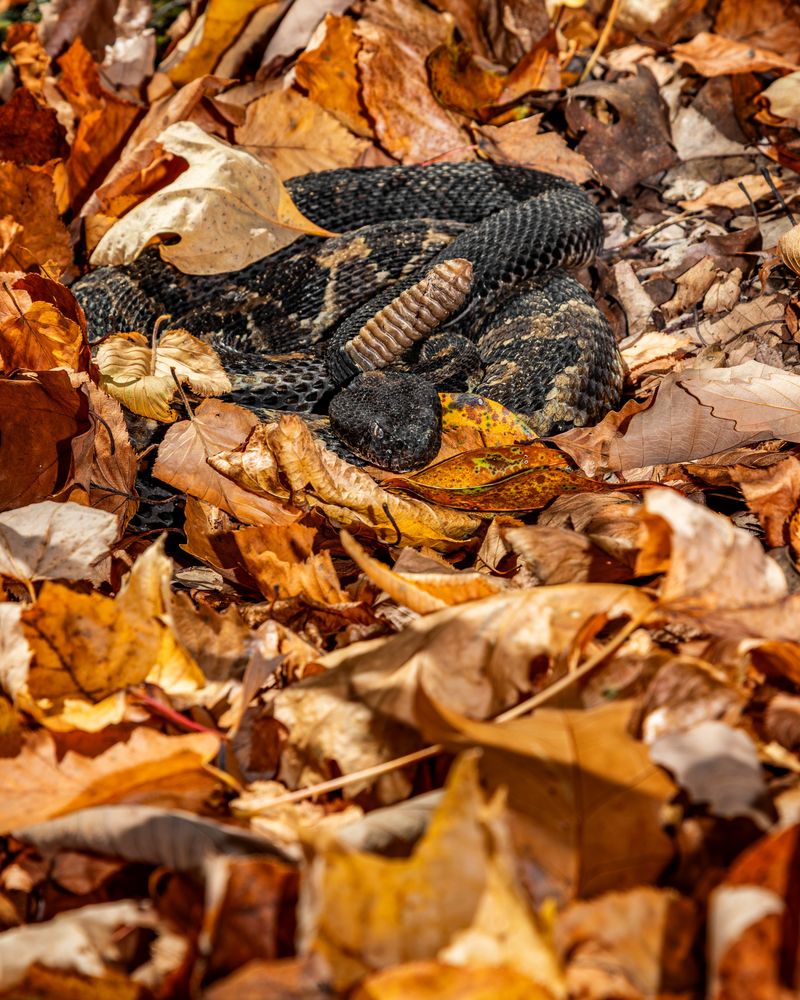
Few sounds make your heart jump like a rattle in the brush. The timber rattlesnake is Kentucky’s largest venomous snake, sometimes reaching five feet long.
These snakes live mostly in wooded, hilly areas, especially in eastern Kentucky. During October and early November they head back to rocky dens, and homes built near forests sometimes see one sunning on a warm driveway or stone wall.
Here’s the good news. Timber rattlers are calm and usually stay still or slip away.
Give them plenty of space, keep pets leashed near the woods, and call a wildlife professional if one won’t leave.
3. Cottonmouth
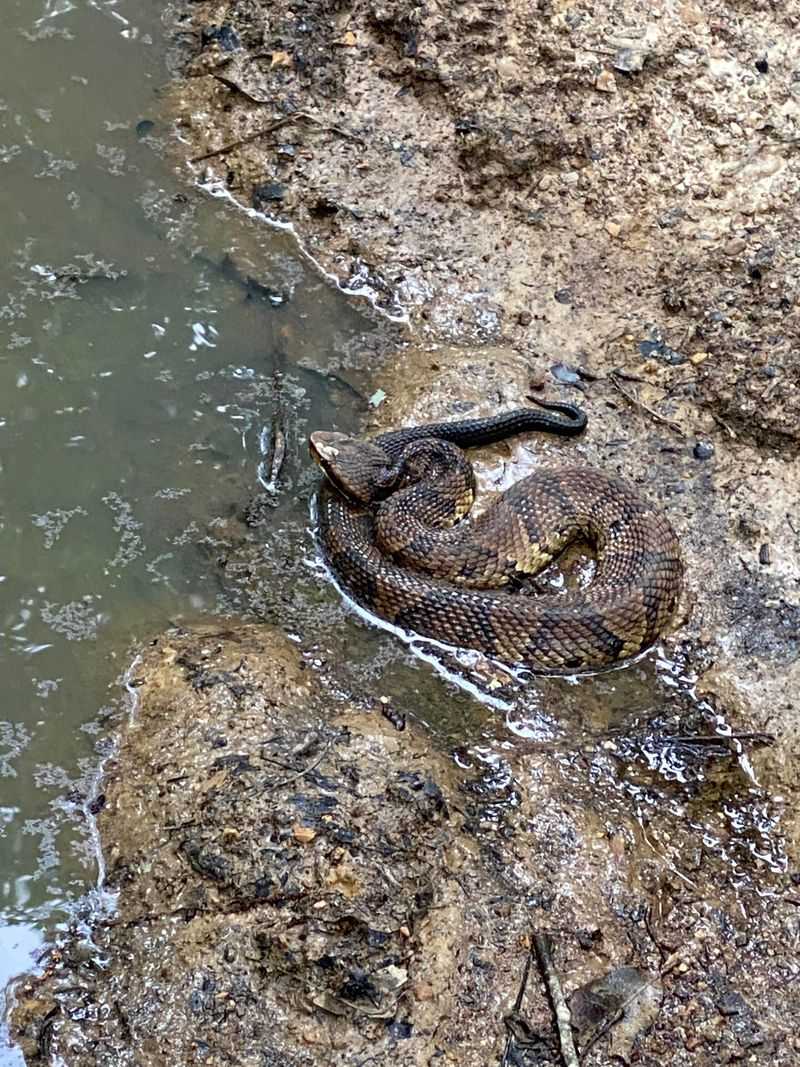
Folks living near the swamps and creeks of western Kentucky know this one well. When threatened, the cottonmouth opens its mouth wide to flash a bright white lining, almost like a warning sign.
Cottonmouths, also called water moccasins, stick close to water. As temperatures drop, they move from wetlands to higher ground, looking for stumps, burrows, and brush piles to hide in.
Backyards near ponds or the Land Between the Lakes region can get visits.
Their venom is strong, so never try to handle or kill one. Fun fact: many harmless water snakes get mistaken for cottonmouths, so a clear look from a distance helps.
4. Brown Recluse Spider
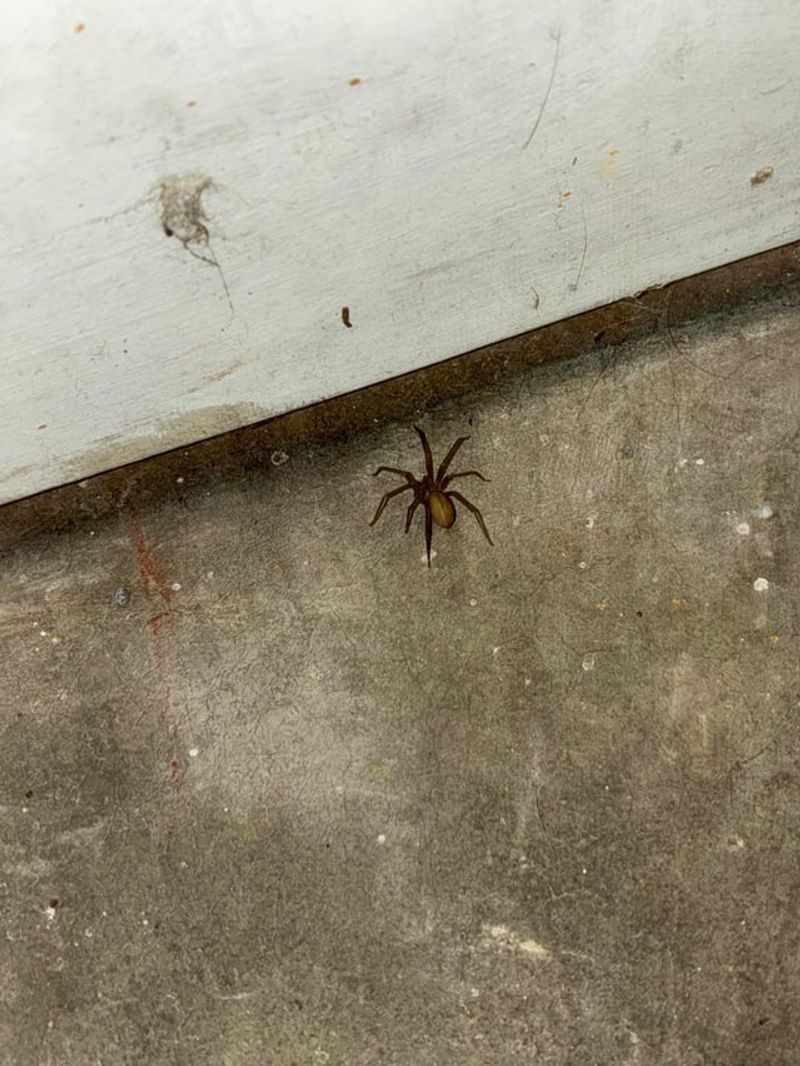
Shy, quiet, and fond of cardboard boxes, the brown recluse is the houseguest nobody invited. Look for a violin-shaped mark on its back, which earned it the nickname fiddleback.
Kentucky sits right in the middle of brown recluse country. As fall cools things off, these spiders wander indoors and settle into closets, basements, and those holiday decoration bins you’re about to pull out.
Most bites cause only mild redness. A few, though, can create a slow-healing sore.
Shake out gloves and boots stored in the garage, and use sealed plastic tubs instead of cardboard.
5. Black Widow Spider
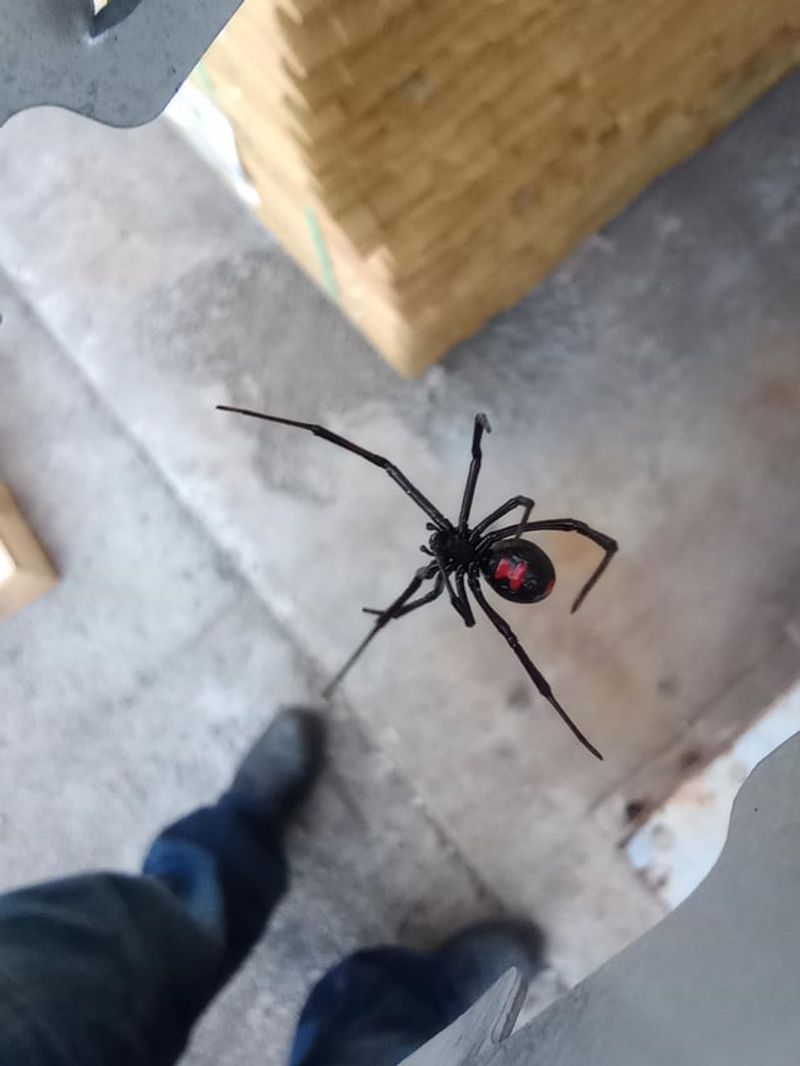
Shiny as patent leather with a red hourglass underneath, the black widow looks like it dressed up for Halloween. And honestly, late fall is when people bump into it most.
Why? Firewood season.
Black widows love dark, undisturbed spots like woodpiles, meter boxes, and the underside of patio furniture. Grab a log without looking, and you might grab a spider too.
Their venom affects nerves and can cause cramps and muscle pain. Wear thick gloves when hauling wood, keep the pile away from your house, and bring in only what you’ll burn that day.
6. Yellowjacket
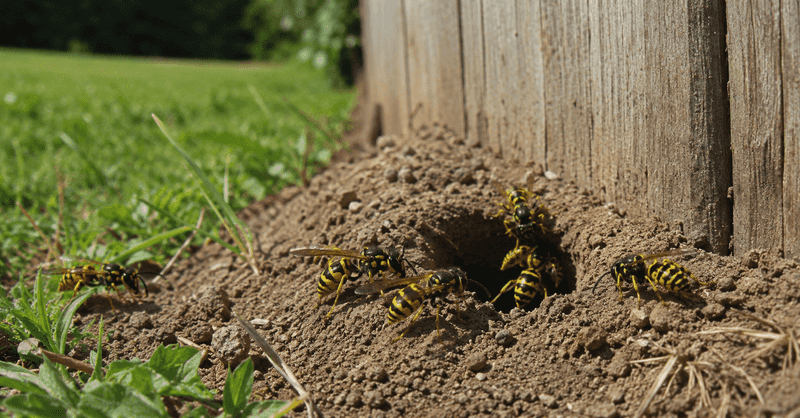
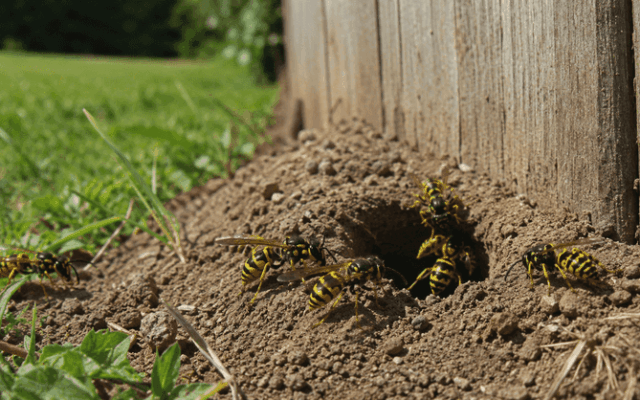
Ask any Kentuckian who’s mowed over a hidden nest, and they’ll tell you autumn yellowjackets are cranky. By September and October, colonies are at their biggest, sometimes holding thousands of wasps.
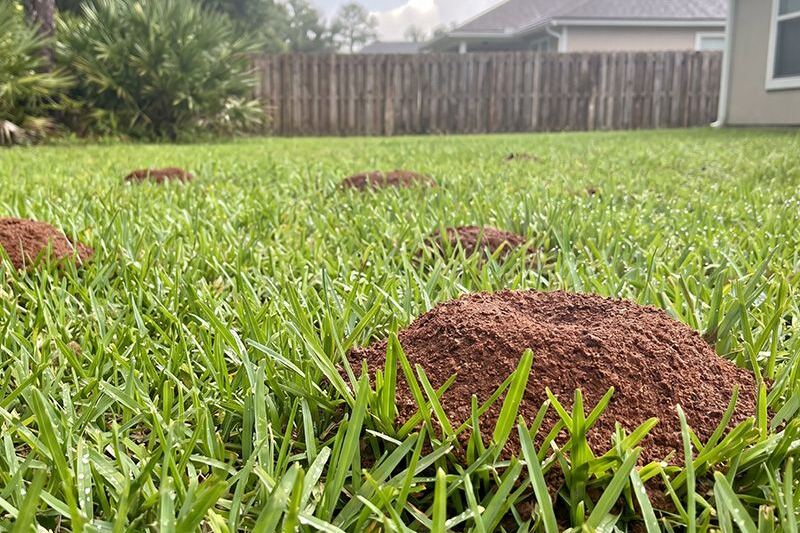
Food gets scarce in fall, so they get pushy around trash cans, cider, and tailgate snacks. Many nests sit underground in lawns, so a single mower pass can stir up a furious crowd.
Unlike bees, yellowjackets can sting again and again. People allergic to stings should carry their epinephrine pen.
The bright side is that the first hard freeze usually ends the colony.
7. Bald-Faced Hornet
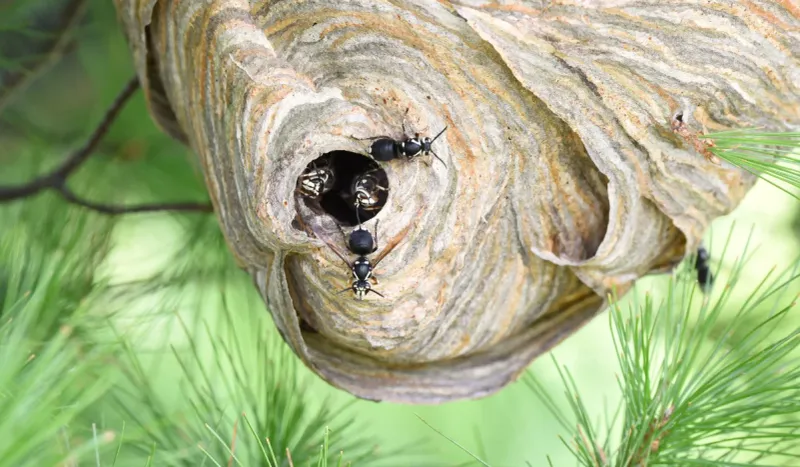
Leaves fall, and suddenly there it is: a gray paper nest the size of a football, dangling from the tree you walked under all summer. Surprise!
Bald-faced hornets are black and white and build those big hanging nests. They’re actually a type of yellowjacket, not a true hornet.
Bare autumn branches reveal nests that were hidden for months.
These insects defend their home fiercely. If you find a nest still buzzing in October, leave it alone.
A few hard frosts will empty it, and the old nest is never reused.
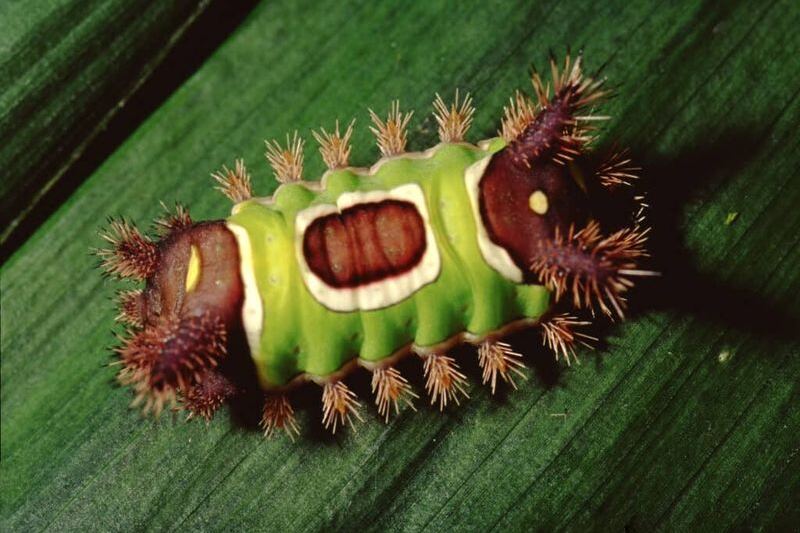
8. Saddleback Caterpillar
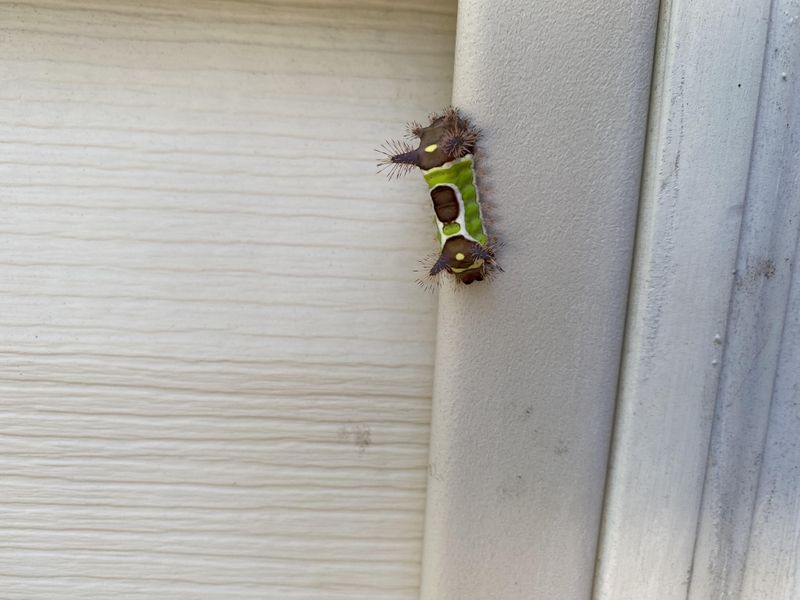
It looks like a tiny cartoon wearing a green blanket and a brown saddle. Cute?
Sure. Safe to touch?
Absolutely not.
The saddleback caterpillar is covered in spines that inject a stinging venom. Brushing one feels like a bad bee sting and can leave a rash for days.
They show up on shrubs, corn, and ornamental plants into early fall, right when people trim hedges and pull gardens.
Kids are the most likely to grab one. Teach them to look but not touch, and if someone gets stung, press tape on the spot to pull out tiny spines.
9. Puss Caterpillar
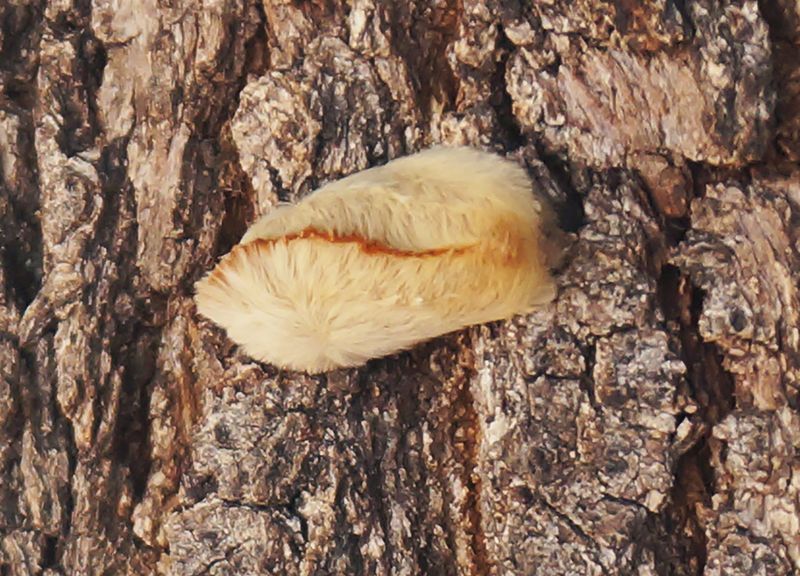
Soft, fluffy, and shaped like a wig for a tiny doll, the puss caterpillar may be the most misleading creature on this list. Under that fur are venomous spines.
Found on oaks, maples, and elms, it often wanders onto porch rails and fences in fall to spin a cocoon. A sting can cause throbbing pain, swelling, and sometimes nausea.
Did you know? It grows up to be the southern flannel moth.
If you spot one, scoop it away with a stick and wash any touched skin right away.
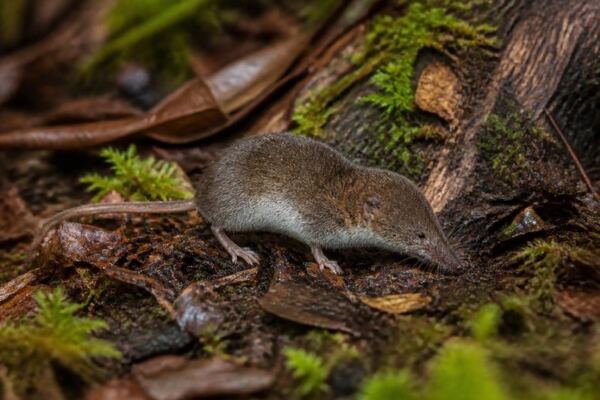
10. Northern Short-Tailed Shrew
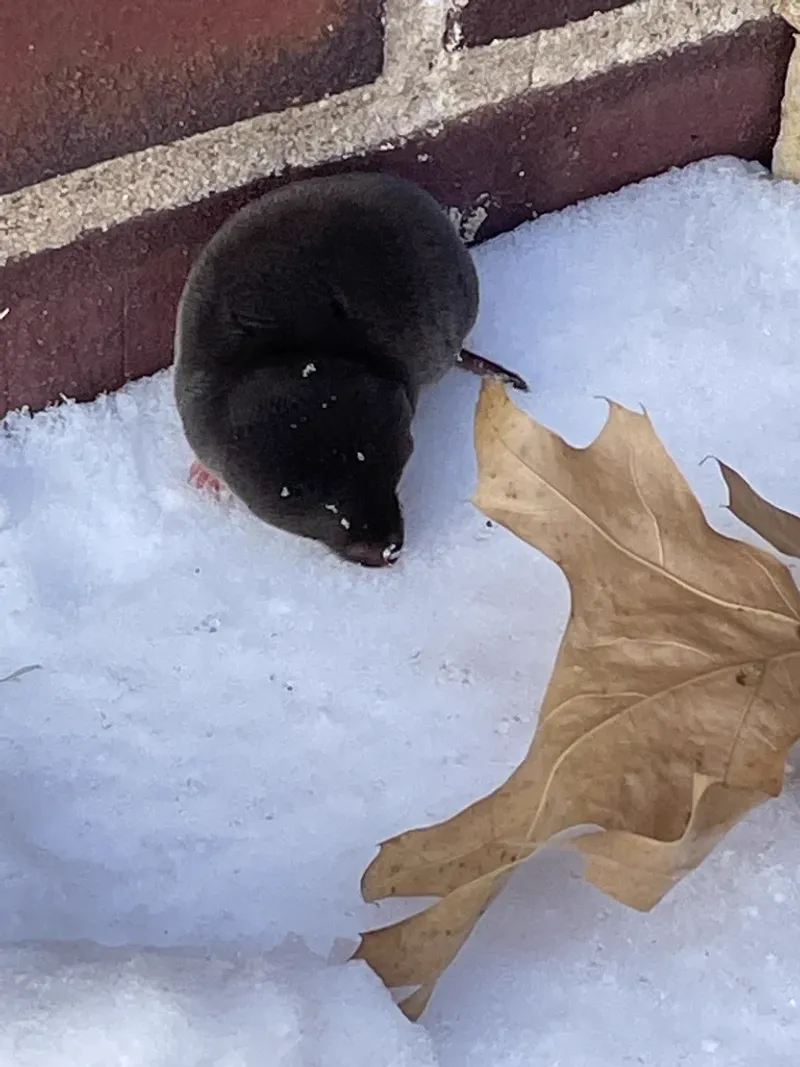
Here’s one most people never see coming: a mammal with venom. The northern short-tailed shrew is a mouse-sized hunter with toxic saliva that helps it stun worms, insects, and even small mice.
Shrews stay active all winter, and late fall finds them tunneling under leaves, mulch, and compost piles. Cats often catch them and leave them on doorsteps.
A bite to a person is rare and causes only pain and swelling, nothing serious. Still, it’s a great reminder that Kentucky yards hold surprises.
Wear gloves, watch where you reach, and enjoy the season safely.
Share this story