Get the latest garden guides in your inbox →
Gardening Latest
  • General Gardening
  • Lawn Care
  • Plant Care
  • Composting
  • Soil Health
  • Backyard
  • Garden Muse Magazine
  • General Gardening
  • Lawn Care
  • Plant Care
  • Composting
  • Soil Health
  • Backyard
  • Garden Muse Magazine
  • News
  • Gardening Calendar
  • Garden Structures
  • Vegetable Garden
  • Vertical Garden
  • Raised Beds
  • Hydroponics
  • General Equipment
  • Community Gardens
Garden Themes
  • Spiritual Garden
  • Hydroseeding
  • Seeding and Laying Sod
  • Artificial Grass
  • Lawn Care Equipment
  • Plants
  • Trees
  • Planting Tools
  • Composting Basics
  • Fertilizer
  • Alternative Growing Mediums
  • Front Yard
  • Backyard Activities
  • Landscaping
Gardening Latest

Explore by state

Which state is your garden in?

Currently viewing Tennessee

All states

Northeast

  • Connecticut —
  • Delaware 29
  • Maine —
  • Maryland 15
  • Massachusetts 31
  • New Hampshire —
  • New Jersey 15
  • New York 24
  • Pennsylvania 24
  • Rhode Island —
  • Vermont —

Southeast

  • Alabama 15
  • Arkansas —
  • Florida 15
  • Georgia 15
  • Kentucky 29
  • Louisiana 14
  • Mississippi —
  • North Carolina 13
  • South Carolina 28
  • Tennessee 12
  • Virginia 14
  • West Virginia —

Midwest

  • Illinois 14
  • Indiana 16
  • Iowa 28
  • Kansas —
  • Michigan 15
  • Minnesota 14
  • Missouri 14
  • Nebraska —
  • North Dakota —
  • Ohio 15
  • South Dakota —
  • Wisconsin 30

Southwest

  • Arizona 14
  • Colorado —
  • Nevada —
  • New Mexico —
  • Oklahoma —
  • Texas 14
  • Utah —

West

  • Alaska —
  • California 14
  • Hawaii —
  • Idaho —
  • Montana —
  • Oregon —
  • Washington —
  • Wyoming —

No state matches that search.

Site menu

Gardening Latest
  • General Gardening
    • News
    • Gardening Calendar
    • Garden Structures
    • Vegetable Garden
    • Vertical Garden
    • Raised Beds
    • Hydroponics
    • General Equipment
    • Community Gardens
    Garden Themes
    • Spiritual Garden
  • Lawn Care
    • Hydroseeding
    • Seeding and Laying Sod
    • Artificial Grass
    • Lawn Care Equipment
  • Plant Care
    • Plants
    • Trees
    • Planting Tools
  • Composting
    • Composting Basics
  • Soil Health
    • Fertilizer
    • Alternative Growing Mediums
  • Backyard
    • Front Yard
    • Backyard Activities
    • Landscaping
  • Garden Muse Magazine

Explore

  • About GardeningLatest.com
  • Contact Us

Get the latest from the garden

New guides on lawn care, plants and backyard projects, sent when they go up.

Subscribe →

Follow

  • Facebook
  • X
  • Pinterest
  • YouTube
Tennessee Gardening

Your Tennessee Turnip Greens Just Shot Up a Tall Flower Stalk? Here’s What That Means and Whether to Cut It

That tall stalk rising from your turnips most likely means the plant is bolting, which is when it switches from growing…

JM

By Jolene Mabry

November 25, 2026 · 6 min read

Your Tennessee Turnip Greens Just Shot Up a Tall Flower Stalk? Here’s What That Means and Whether to Cut It
Your Tennessee Turnip Greens Just Shot Up a Tall Flower Stalk? Here's What That Means and Whether to Cut It

That tall stalk rising from your turnips most likely means the plant is bolting, which is when it switches from growing leaves to making flowers and seeds. The stalk alone does not mean your plants are sick, and it does not mean the crop is lost.

Cutting it off is your choice, but it is not a dependable way to bring back leafy growth. Here is how to look over what you have and decide what to harvest.

At a glance

Where
Tennessee Gardening
Hardiness zone
7 0 to 10°F
Read
6 minutes
Published
November 25, 2026

A flower stalk signals a shift in the plant
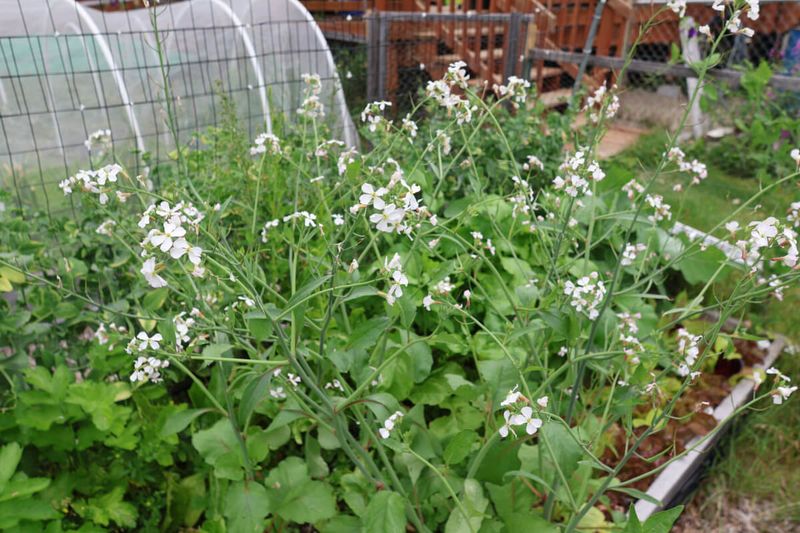
A flower stalk signals a shift in the plant
© Frosty Garden

A stalk that lengthens fast from the center of a turnip is most likely a flower or seed stalk. The plant is bolting, which means it is moving away from making leaves and toward flowering and seed production.

NC State Extension notes that cool-season crops can bolt and that the change affects how pleasant the harvest tastes.

You may see the stalk grow several inches in just a few days. Small buds often show up at the top, and later they open into yellow flowers.

The leaves near the base may start to look smaller or a bit tougher as the plant puts its energy elsewhere.

Seeing a stalk does not point to a disease. Bolting is a change in how the plant grows, not a sign of infection.

Turnips are still a food crop at this stage, though UC Master Gardeners point out that an older turnip may bolt and develop a strong taste.

So the stalk is a signal to look closer, not a reason to pull everything out. The real questions are practical ones.

What can you still pick and enjoy, and does snipping the stalk actually help? The next sections take those one at a time, starting with why the plant may have made the switch.

The stalk does not reveal exactly why the plant bolted
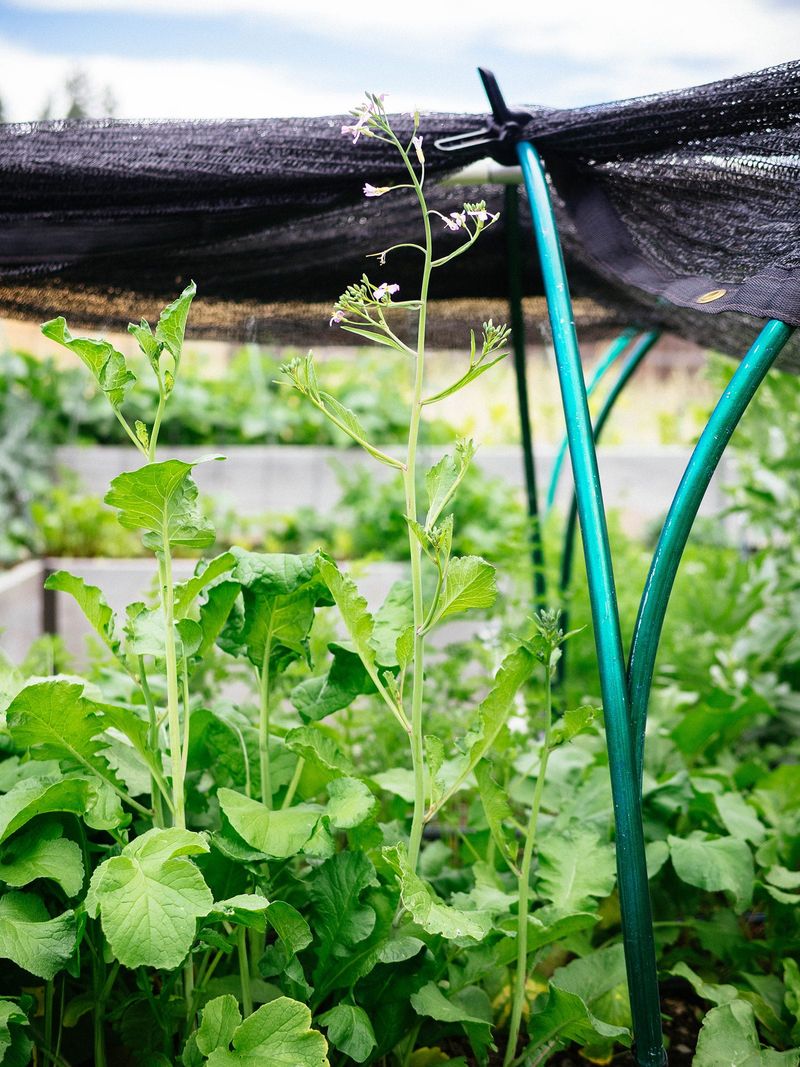
The stalk does not reveal exactly why the plant bolted
© Garden Betty

Looking at a stalk, you cannot tell what set it off. Changing temperatures and longer days can cue flowering in cool-season vegetables, according to University of Maryland Extension.

These are possible influences, and the trigger can differ from crop to crop and garden to garden.

No guidance shows that cutting a tall turnip stalk reverses bolting or brings back the earlier burst of leaves.

Heat gets blamed a lot, but it is too simple to say heat always causes bolting. A warm spell may play a part in one garden, while day length or the age of the plants matters more in another.

Without records of your weather and planting date, a firm answer for one plant is out of reach.

Plant age counts too. UC Master Gardeners say an older turnip may bolt, so a patch that has simply been growing a long time could send up stalks even when the weather seems fine.

Living in Tennessee does not name the cause either. Spring and fall conditions differ across the state, and a stalk in one backyard tells you little about the reason.

NC State treats bolting as a general habit of cool-season crops.

If you want to learn from this crop, jot down the planting date and a few weather notes. They will help you spot patterns next time without guessing.

Assess the leaves and roots separately
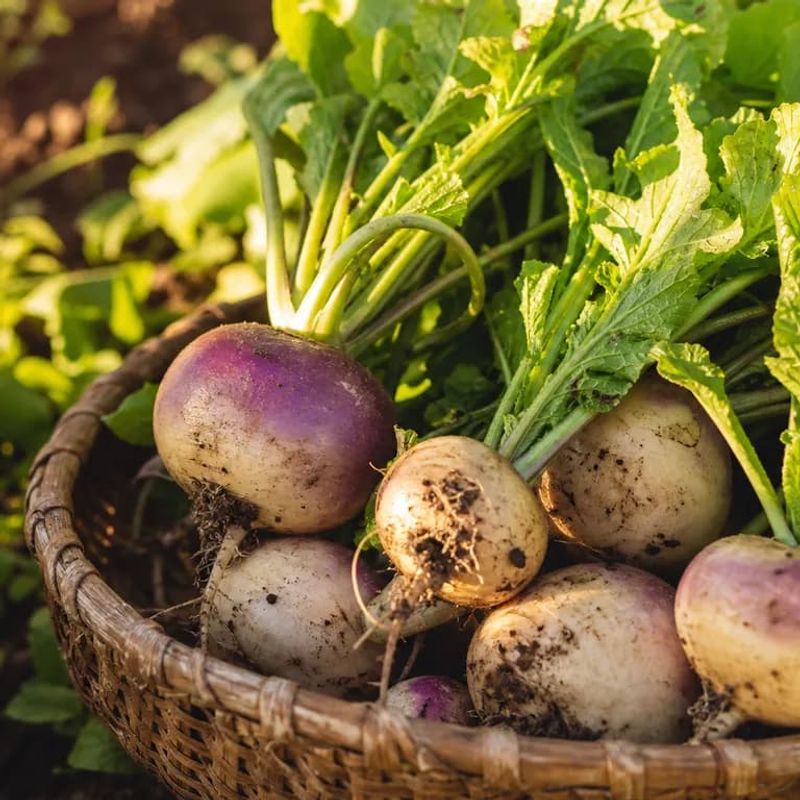
Assess the leaves and roots separately
© PlotMyGarden

What you check depends on what you planted for. If greens were the goal, the leaves are your test.

If you wanted roots, or both, look at each part on its own, because they can be in different shape.

Start with the leaves. Younger leaves are generally more tender and mild, while older leaves or plants may have stronger flavor.

UC Master Gardeners mention that an older turnip may bolt and taste strong. Tear off a small leaf, taste it, and decide whether you like it.

Now the roots. Pull one and check its size, texture, and condition.

Is it firm, or does it feel spongy? Is it a good size for cooking?

UC IPM advises harvesting roots at a suitable size, and a big root is not automatically a poor one.

Do not assume one plant speaks for the whole row. Check several, since young plants may sit beside bolted ones.

UT Extension notes turnips can be grown for greens, roots, or both, so judge each part by your own goal.

Harvest what is sound and tastes good to you. Set aside roots that are soft or damaged.

Cutting the stalk will not reliably restart leafy growth
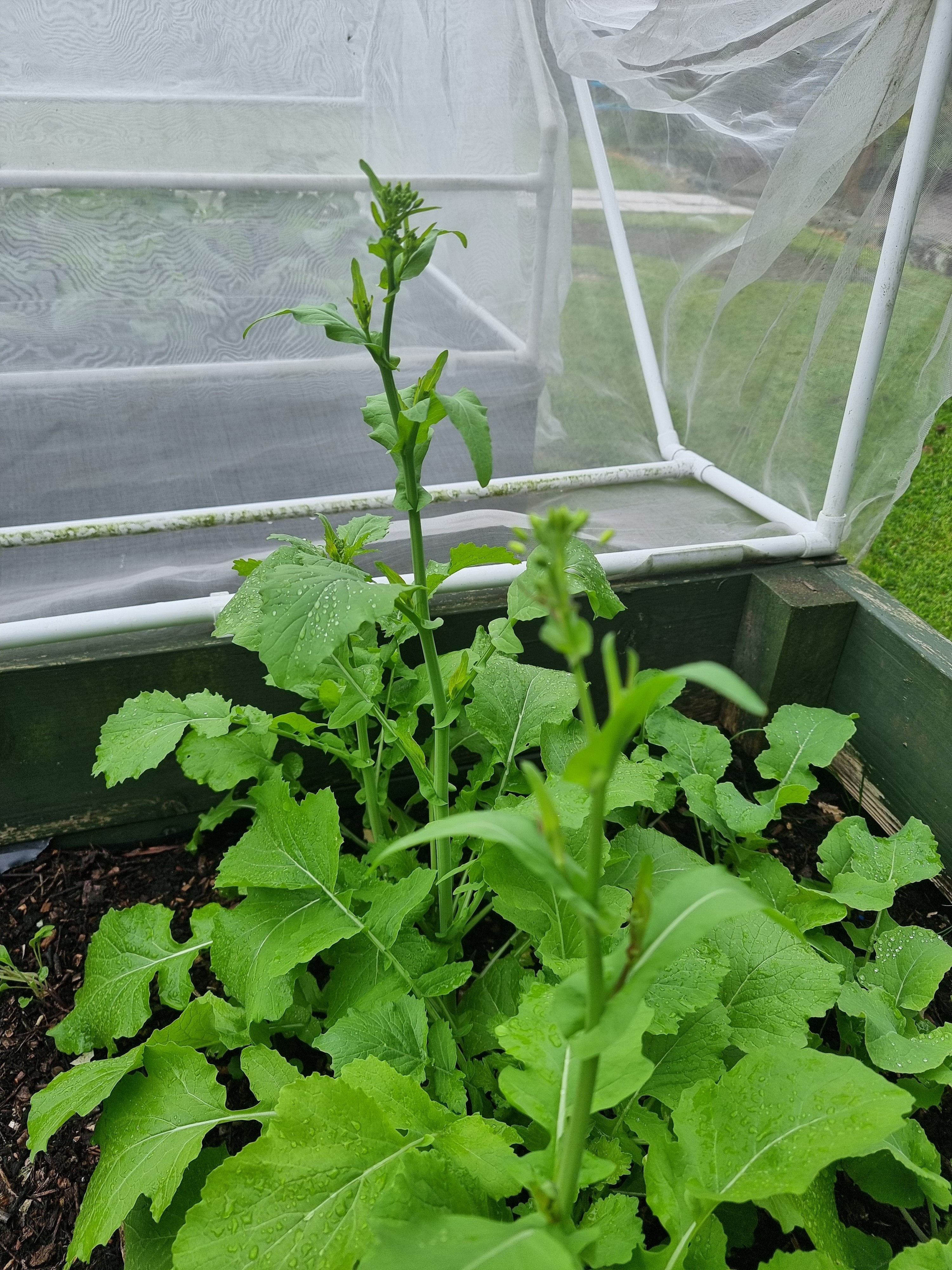
Cutting the stalk will not reliably restart leafy growth
© Gardening Forum

Snipping the stalk is fine if you want a tidier bed. It is simply optional.

No guidance shows that cutting a tall turnip stalk reverses bolting or brings back the earlier burst of leaves.

Some advice does suggest removing flowers in certain crops. UF/IFAS Extension says pinching flowers may extend some harvests.

That is general advice, and it is not proof for a turnip already well into the switch.

Likewise, Maryland Extension discusses removing seed stalks on crops such as rhubarb, onions, and garlic separately from bolting vegetables. Those tips should not be copied over to turnips automatically.

A practical way to decide is to look at the harvest itself. If the leaves still taste good, pick them whether or not you cut the stalk.

If you try snipping one plant and leave its neighbor alone, you can compare, but expect no promises.

NC State notes bolted cool-season crops can still be eaten, though bitter sap may make them unpalatable. Cutting will not change that bitterness in leaves already grown, so let taste guide you.

Harvest suitable leaves and wash them safely
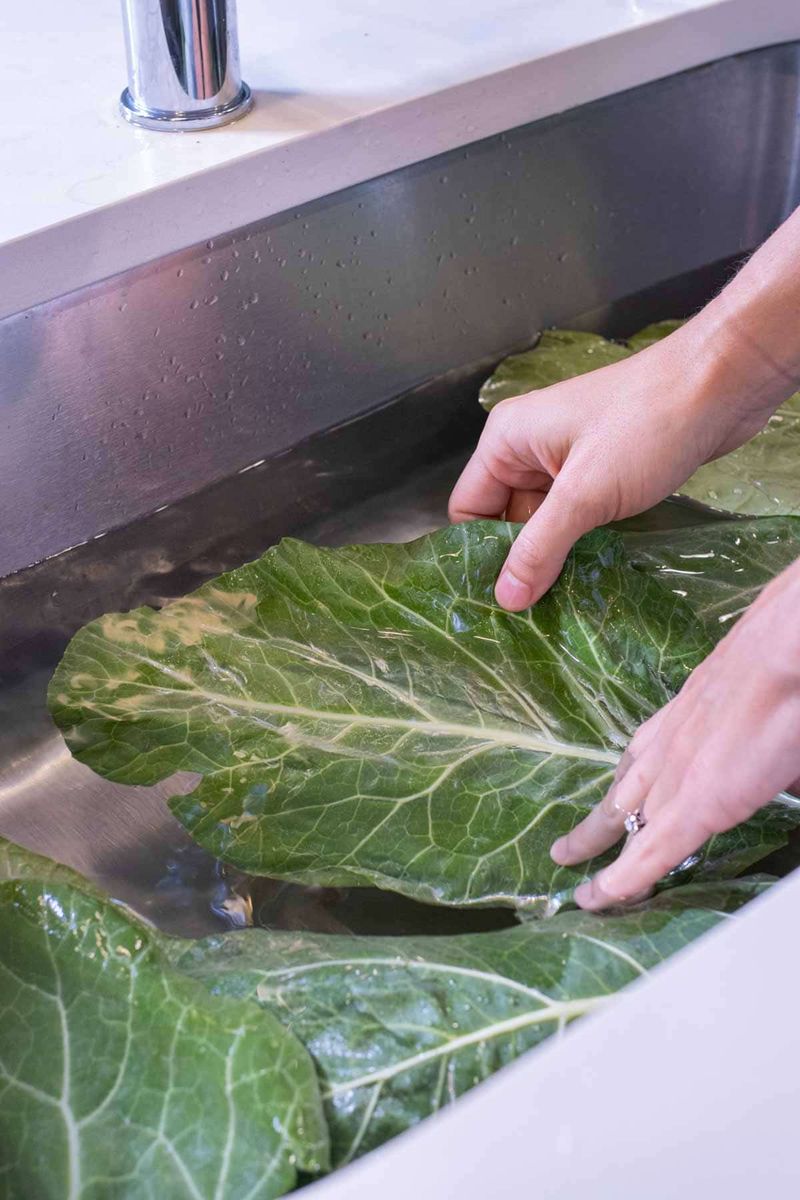
Harvest suitable leaves and wash them safely
© Evolving Table

If the leaves taste and feel good, pick them soon. Choose sound ones and leave or discard any that are yellow, tough, slimy, or too strong for your liking.

Fresh picking beats waiting, since the plant keeps changing.

Turnip leaves are edible, and UC Master Gardeners describe turnips as a greens crop. Related brassicas have edible stems, buds, and flowers, but that does not mean every part of your plant belongs on the plate.

Confirm the plant is a turnip and suitable for food, and that no pesticide was used against its label, before eating anything beyond the leaves.

Back in the kitchen, rinse the leaves under running water. FDA guidance advises against washing produce with soap or household detergent.

Rubbing the leaves gently as you rinse helps clear soil from the folds.

Washing reduces bacteria but does not eliminate them. Cooking greens, as many cooks do, is another step, and clean hands and boards help too.

Taste a cooked bite before making a big pot. Strong-flavored leaves can be mixed with milder ones.

Use local guidance when planning another turnip crop
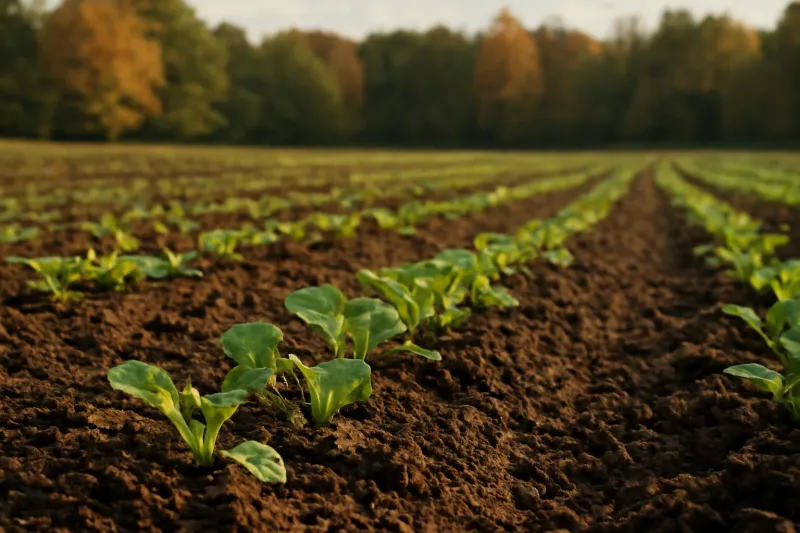
Use local guidance when planning another turnip crop
© PlotSeason | Food plots that actually draw deer

For now, judge this planting by the leaves and roots you can actually harvest, not by hoping a trimmed stalk will turn things around.

When you plan the next round, turn to UT Extension’s home garden guide and its root crop publication. They note turnips may be grown for greens, roots, or both, and recommendations vary by region and season.

No single date fits all of Tennessee, and no schedule guarantees a crop will skip bolting.

A stalk is just a plant telling you its season is turning.

Share this story
JM

Written by

Jolene Mabry

More from Jolene Mabry →

About Gardening Latest

Gardening Latest provides in-depth guides to maintaining and enhancing your garden and backyard. Learn how to make the most of the space you have and create a beautiful garden.

More about us →

Latest stories

  • Texas GardeningIt’s Smaller Than Your Thumb, but This East Texas Shrew Kills Its Prey With Venomous Saliva

    It’s Smaller Than Your Thumb, but This East Texas Shrew Kills Its Prey With Venomous Saliva

    1 min ago
  • Wisconsin GardeningWisconsin Snowy Owls Show Up in Farm Fields and Airports Every Winter, and Here’s How to Spot One

    Wisconsin Snowy Owls Show Up in Farm Fields and Airports Every Winter, and Here’s How to Spot One

    12 min ago
  • Missouri GardeningMissouri Homeowners Pull This Invasive Tree Every Spring, Yet It Keeps Spreading Down the Block

    Missouri Homeowners Pull This Invasive Tree Every Spring, Yet It Keeps Spreading Down the Block

    18 min ago
  • Alabama GardeningYour Neighbor’s Vines Are Hanging Over The Fence, And Here’s What Alabama Law Lets You Do

    Your Neighbor’s Vines Are Hanging Over The Fence, And Here’s What Alabama Law Lets You Do

    30 min ago
  • Minnesota GardeningThese Venomous Minnesota Critters Are Sneaking Into Garages and Basements to Wait Out the Cold

    These Venomous Minnesota Critters Are Sneaking Into Garages and Basements to Wait Out the Cold

    36 min ago

Gardening by state

Stories for your state, and the hardiness zone most of it gardens in.

Keep exploring

Read next

All Tennessee Gardening →
Tennessee GardeningTennessee Neighborhoods Have an Invasive Tree Problem, and Pulling Seedlings Isn’t Keeping Up
Tennessee Gardening

Tennessee Neighborhoods Have an Invasive Tree Problem, and Pulling Seedlings Isn’t Keeping Up

2 hr ago
Tennessee GardeningTennessee Law Lets You Trim a Neighbor’s Overhanging Branches, as Long as You Stop at the Property Line
Tennessee Gardening

Tennessee Law Lets You Trim a Neighbor’s Overhanging Branches, as Long as You Stop at the Property Line

6 hr ago
Tennessee GardeningBefore You Cut That Giant Flower Stalk Off Your Tennessee Yucca, Here’s Why It Showed Up
Tennessee Gardening

Before You Cut That Giant Flower Stalk Off Your Tennessee Yucca, Here’s Why It Showed Up

9 hr ago

More from Tennessee Gardening

  • Seeing a Red Fox Cross Your Tennessee Yard This Winter Means It’s Busy With Something Important

    Nov 23
  • A Saddleback Caterpillar Just Stung You in Your Tennessee Garden? Here’s What to Do First

    Nov 22
Back to top

Leave a response Cancel

Your email address stays private. Required fields are marked with an asterisk.

Gardening Latest

In-depth guides to maintaining and enhancing your garden and backyard: how to make the most of the space you have, and how to make it beautiful.

  • Facebook
  • X
  • Pinterest
  • YouTube

We may earn a portion of sales from products or services that are purchased through our site as part of our affiliate partnerships with retailers.

Explore

  • About GardeningLatest.com
  • Contact Us
  • Terms and Conditions
  • Privacy
  • Editorial Note:
  • FTC Disclosure

Newsletter

New garden guides and seasonal tips, straight to your inbox.

We’ll email you a link to confirm. Unsubscribe any time.

Almost there! Check your inbox and tap the link to confirm.

© 2026 Gardening Latest. All rights reserved.

Back to top