Pulling tree-of-heaven every spring often does not stop it, and new shoots keep showing up in yards and along the block. The plant spreads in more than one way, and pulling only works in certain cases.
Knowing what you are looking at makes a big difference in what you do next. Here is how Missouri homeowners can sort out the shoots, the seeds, and the best next steps.
First, make sure the tree is tree-of-heaven
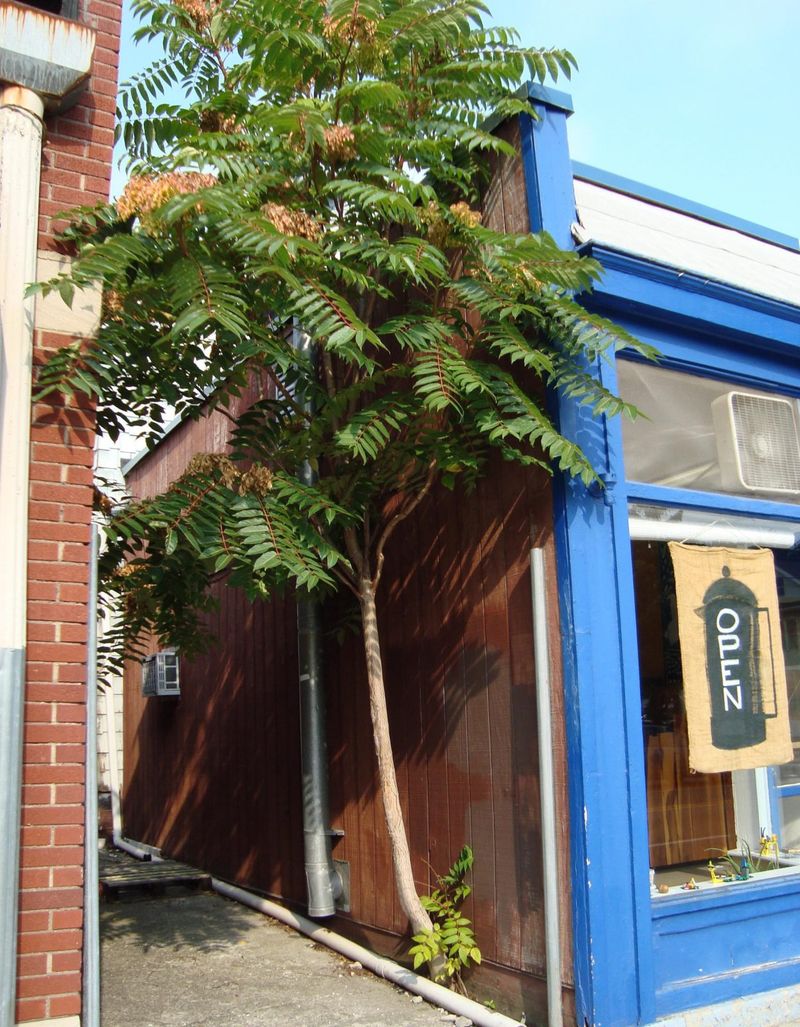
Before anyone pulls, cuts, or sprays, the first job is getting the name right. Tree-of-heaven is found statewide in Missouri, so it could turn up in almost any yard, fence line, or alley.
It is also easy to mix up with other plants that are worth keeping.
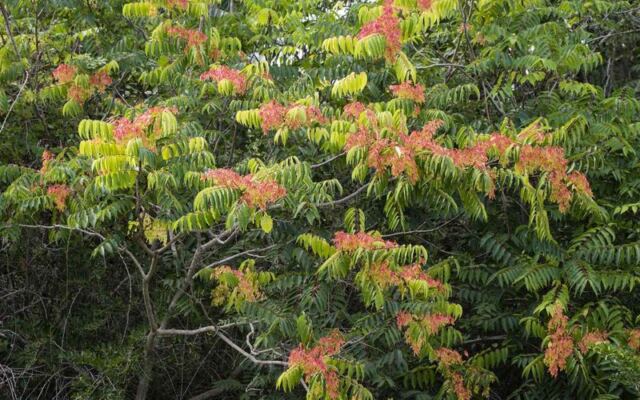
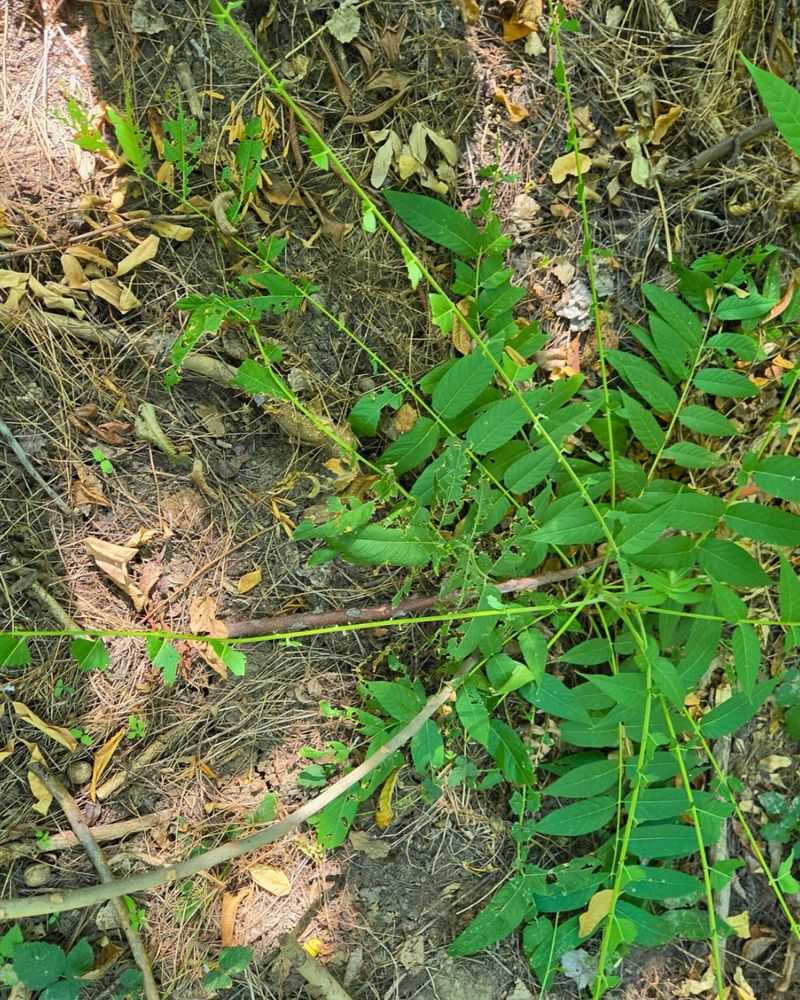
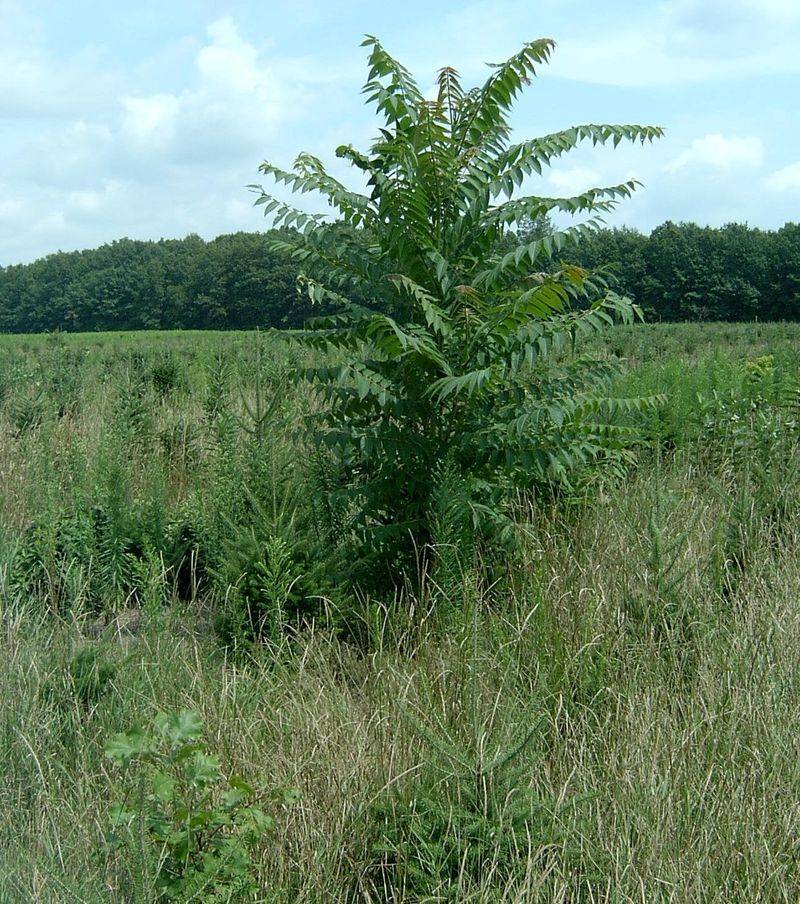
Look at the leaves first. Tree-of-heaven has compound leaves, which means each leaf is made of many smaller leaflets along a central stalk.
The leaflets are mostly smooth along the edges, but near the base of each one there are distinctive glandular notches. The Missouri Department of Conservation field guide points to those notches and to the tree’s clusters of winged seeds as helpful clues.
Those clues matter because look-alikes are common. Native sumacs and black walnut also have compound leaves, and a quick glance can fool you.
MDC’s sumac guide is a handy comparison if you suspect a native sumac instead.
No single clue settles every case, especially on a young shoot with only a few leaves. Check several features together, and compare them with photos from a trusted source.
If you are still unsure, ask your local MDC office or a county extension office to take a look. Confirming the plant first keeps you from removing a native tree by mistake, and it lets you pick a control method that fits.
Why pulling may not finish the job
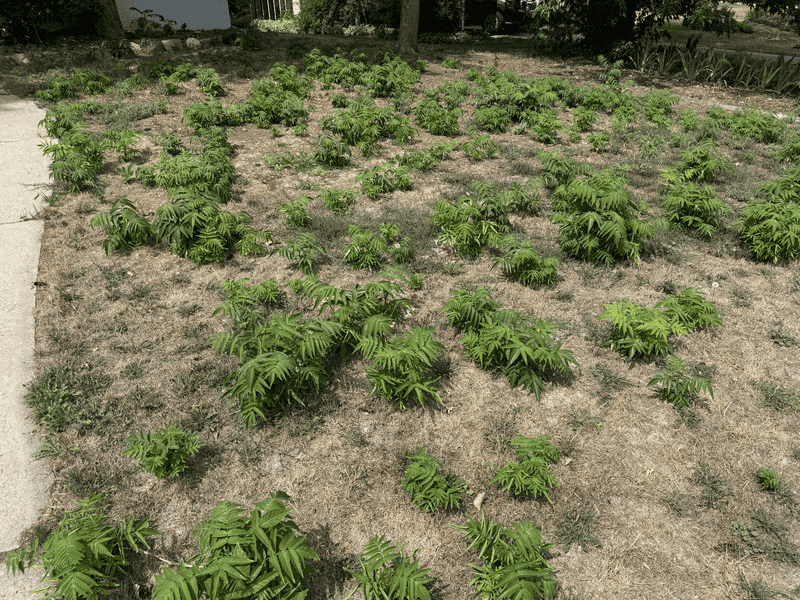
Not every tree-of-heaven shoot is the same kind of plant. A small seedling grows from a seed and has its own young root system.
A root sucker is a shoot that rises from the roots of an established tree, so it may still be attached to a much bigger system underground.
That difference decides whether pulling can work. Penn State Extension notes that small plants can be pulled or dug when the soil is moist and the entire root system comes out.
Root fragments left behind can regenerate, so a snapped root is a real problem.
A sucker is a different story. Iowa State University Extension describes how root-sprouting plants can be hard to remove this way.
Pull the top of a sucker and the connected roots can stay alive and send up more shoots.
A flush of shoots in spring does not tell you which kind you have. Timing and looks alone are not enough to say whether they came from seed or from roots.
A practical clue is how the plant comes up. A seedling usually lifts out with its own small root, while a shoot that resists or leads to a long root may be tied to something larger.
So pulling can remove a small, confirmed seedling, but it is not a reliable fix for repeating shoots. Removing what you can see may leave the source untouched.
How new trees can appear nearby
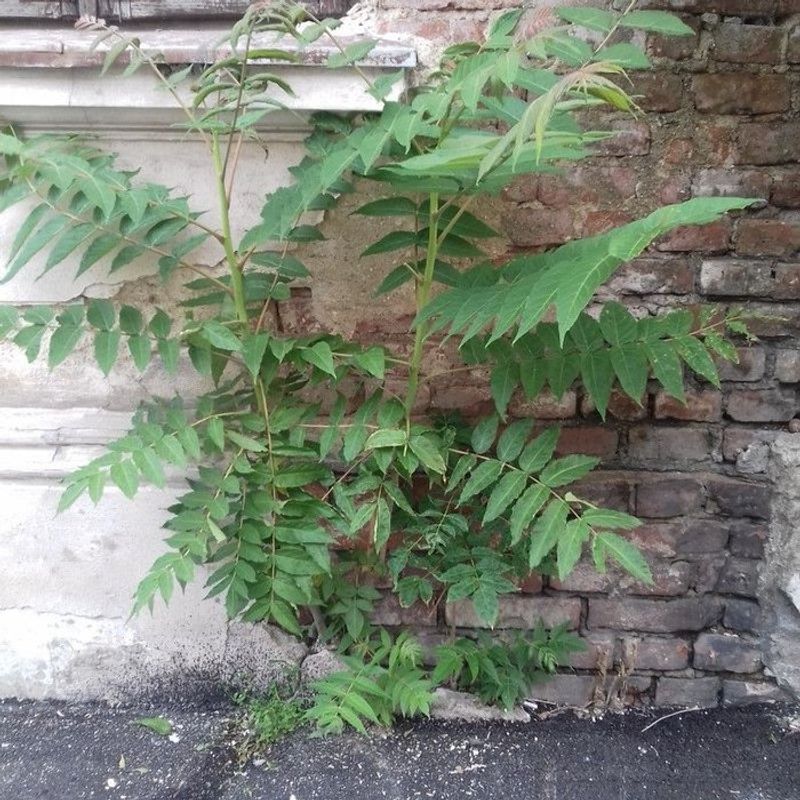
Tree-of-heaven has two well-documented ways to spread. Established trees can send up root suckers, and the tree also makes winged seeds that travel and start new plants elsewhere.
MDC notes its abundant seed production and invasive spread.
Wind can carry those winged seeds away from the parent tree. A seedling can then pop up in a flower bed, a gutter line, or a crack in a driveway.
Meanwhile, roots of an older tree can produce suckers some distance from the trunk.
Both routes can put new plants in the same area, which is why a cluster of shoots is hard to read. The USDA Forest Service species review covers both suckering and seed dispersal.
Neither source tells you what happened on any particular block.
That means seeing trees in a row does not prove they share one root system. Some could be suckers, some could be seedlings, and some could be a mix.
Figuring out the cause takes a closer look at the specific site.
You may also read that the tree releases chemicals that hold back nearby plants. That effect has been documented, and it can be part of the story.
It is not the main explanation for how tree-of-heaven moves down a street.
Established trees need a different control plan
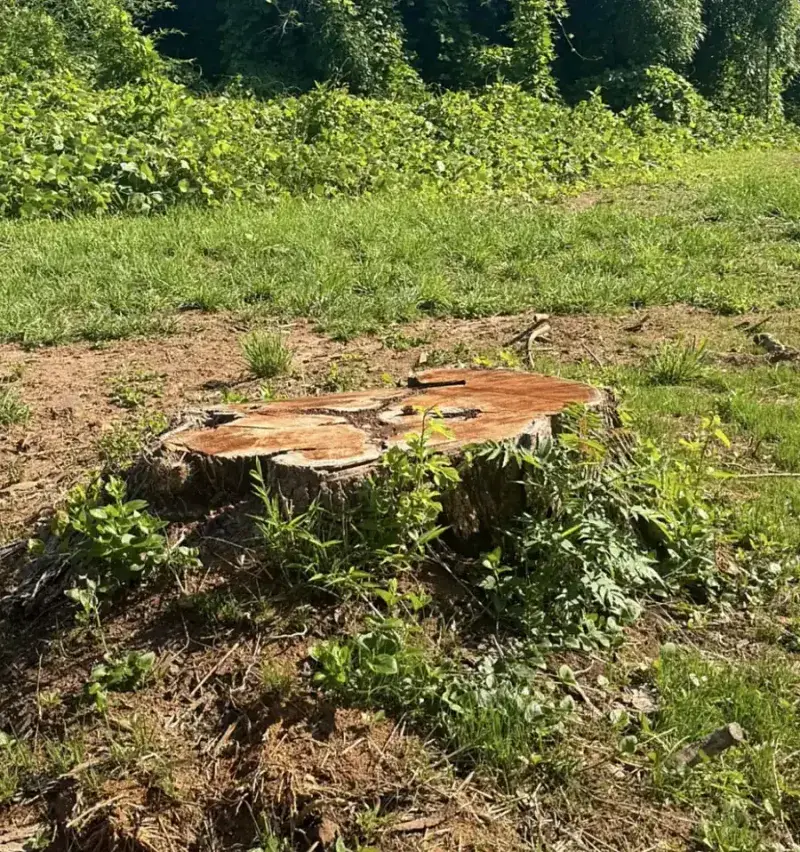
Cutting down a large tree-of-heaven can feel like solving the problem. Often it does the opposite.
Cutting or mowing an established tree can prompt stump sprouts and root suckers, so cutting alone is not a control method.
Extension guidance leans on systemic treatments, which are products that move into the plant and reach the roots. Penn State Extension and University of Maryland Extension describe mid- to late summer, roughly July until fall leaf color begins, as the timing for these treatments.
That is guidance for systemic products, not a rule for every method or product.
The right method depends on the tree’s size and the situation. A small tree in an open area calls for different handling than a large tree near a house, a fence, or a neighbor’s garden.
Advice on cut-stump treatment is not identical everywhere. Penn State says cut-stump applications do not give effective control of the roots, while a USDA Forest Service publication lists it as one available method but warns that resprouting and follow-up can remain concerns.
The careful takeaway is that cutting and treating a stump should not be counted on to stop root suckers.
No single herbicide recipe fits every yard, so this article does not give one. The product label sets the allowed sites, methods, and precautions, and the EPA explains that using a pesticide against its labeling violates federal law.
For a large tree, a qualified applicator can pick a method that fits your site.
Keep watching for regrowth
One pull, one cut, or one treatment does not prove the roots are dead. A bare patch in June can sprout again by July.
Think of control as something you check on, not something you finish in a day.
Walk the area every few weeks through the growing season, and again in later seasons. Look near the old trunk, along the root zone, and in nearby beds or lawn edges.
Penn State Extension and University of Maryland Extension both stress follow-up, because complete control can take more than one visit.
No source gives a fixed timeline or promises a result, so keep notes. Jot down the date, where shoots appeared, and what you did.
That record helps if you later talk with an applicator or extension office.
Protect yourself while you work. The Missouri Department of Conservation cautions that contact with tree-of-heaven can cause a skin rash in some people.
Gloves and long sleeves are sensible precautions when you handle it.
Wash your hands and tools afterward, and keep an eye on your skin. If a rash shows up, let a health professional decide what to do.
What to do when shoots return
Start by confirming the plant. Pull a small seedling only when you can remove its whole root system, and treat recurring shoots or established trees as more than a pulling problem.
Seeds and root suckers can both spread tree-of-heaven, as Penn State Extension explains, so nearby plants do not prove the trees are connected.
Then choose label-compliant control that fits your situation, and keep monitoring. The shoots may return, and that tells you the work is not finished, not that you did it wrong.
Share this story