Snowy owls from the Arctic do visit Wisconsin in winter, and you can spot one if you know where and how to look. Some winters bring only a few birds, and other winters bring a bigger wave.
These white owls often sit out in open farm country, where a careful birder with binoculars has a real chance. Here is how to find one and keep both you and the owl safe.
Snowy owls follow a variable winter schedule
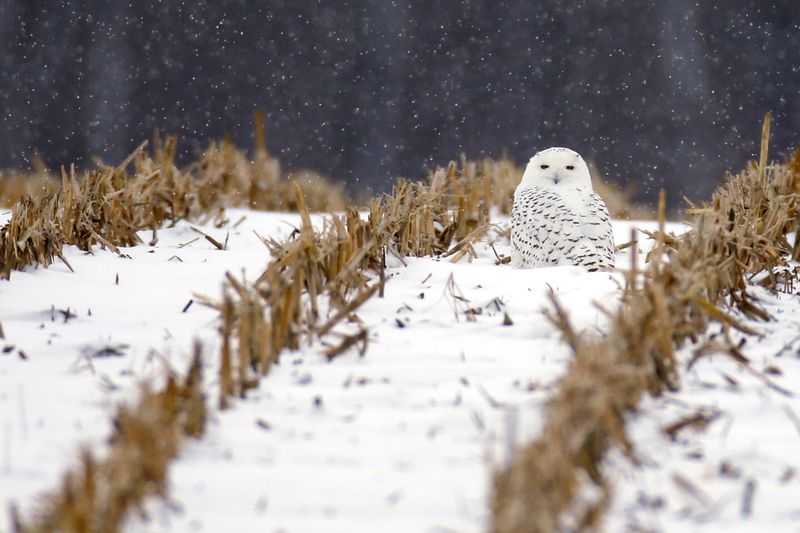
Small numbers of snowy owls reach Wisconsin in typical winters. That means a sighting is possible in many years, but you should not count on one every time you head out.
Bigger waves of owls, called irruptions, happen only in some years and are hard to predict.
Timing helps you plan. According to the Wisconsin DNR, owls usually arrive around mid-November and leave by late March.
Those dates are a typical window, not a fixed schedule. Some birds show up earlier, some linger later, and some winters have very few.
Think of it this way: a single owl on a field is a lovely bonus, while a winter with many owls is a special event. If news of a large influx has not been reported, a quiet season is still worth your time.
Patient scanning of open country gives you the best shot at a sighting, and even an empty drive can turn up hawks, buntings, and longspurs.
Keep your expectations flexible and your schedule open. A cold, clear day in December or January is a fine time to start.
Checking local birding news before you go can tell you whether the season looks busy or slow, and it costs nothing but a few minutes.
What may bring Arctic owls south
Why do some winters bring more owls? The answer has more than one piece.
The DNR describes how a boom in Arctic lemmings can help owls raise many young. Those young owls later spread out, and some of them end up far to the south, including Wisconsin.
Food shortages may play a role in some years too, according to the same DNR account. Some birds do arrive worn out or in poor shape.
So there is no single tidy reason that fits every year.
You may hear that owls come south because they are starving. The science does not back that up as a rule.
One study of irruptive owls in North America found that the birds it sampled were generally in fair body condition, which fits the idea that a strong breeding year sends many owls south.
Life is still hard for young birds, though. A separate long-term study found higher winter death rates among immature owls in irruption years.
That makes sense when many young birds compete for food.
What does this mean for you? Each irruption can differ, and each owl has its own story.
A healthy-looking owl on a post and a thin, tired one on a roadside can both be real. Either way, giving the bird space helps it rest and hunt.
Open country is a promising place to search
Snowy owls nest on treeless tundra, so open ground in Wisconsin can feel familiar to them. Scan open grasslands, farm fields, wetlands, beaches, and harbors from a lawful public place such as a road pullout or public parking area.
Look low first, since owls often choose modest perches.
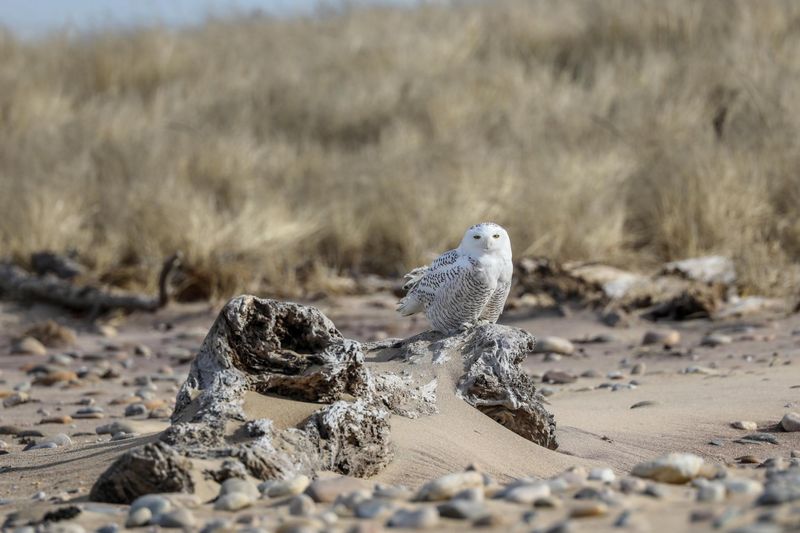
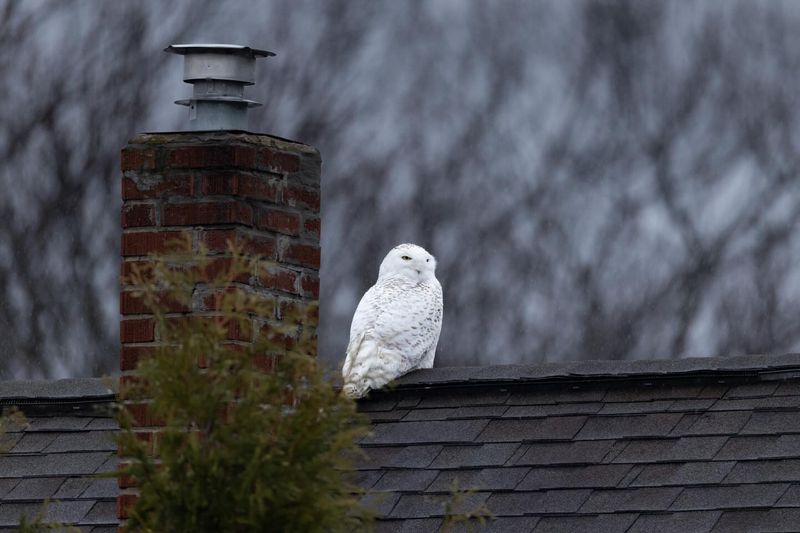
The DNR notes that an owl may sit right on the ground, on a hay bale, on a fence post, on a pole, or on another structure. None of these is guaranteed.
An owl might use one, several, or none of them, so check everything from the dirt up to the tops of poles.
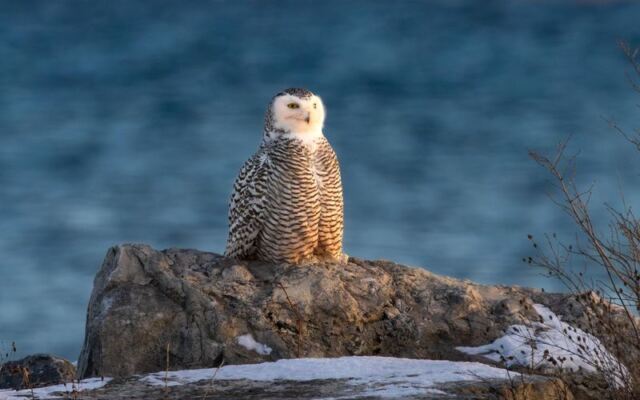
A pale lump on a snowy field can be easy to miss. Sweep slowly with binoculars and look for a rounded white shape that does not move like a plastic bag or a patch of snow.
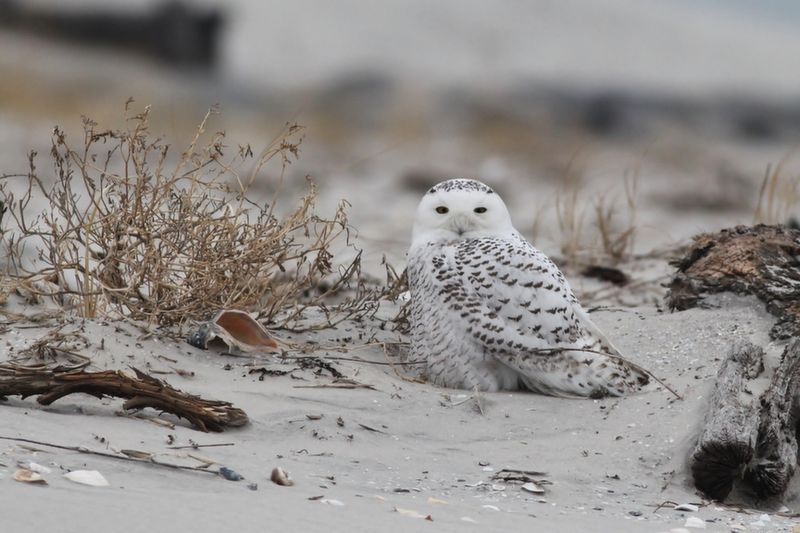
Dark barring on the feathers and a steady, upright posture are good clues.
Dawn and dusk may improve your chances, when owls are often more active. Snowy owls can also be active in daylight, so a bright midday scan is still worthwhile.
Dress warmly, bring a thermos, and keep your eyes moving. Patience usually pays off more than driving around fast.
Use sighting maps as starting points
A sighting map is a great place to begin. The DNR page links to eBird’s snowy owl map, which shows where people have reported owls.
Use it to find areas worth checking, then plan a scan of nearby open country.
Treat each dot as a lead, not a promise. Owls move, and the DNR notes that early-season birds may wander and can be hard to find again.
A report from yesterday, or even this morning, does not prove the owl is still there.
Check the date and time on each report, and look for notes about where the observer stood. If the bird is gone, try nearby fields and perches before you leave.
That is often how people find an owl that others missed.
If you find an owl yourself, think before you post the exact spot in real time. The U.S.
Fish and Wildlife Service warns that sharing live locations can cause overcrowding and disturbance. The Wisconsin Society for Ornithology also recognizes that public detail can be a poor fit for sensitive sightings.
A general area or a delayed post keeps the bird calmer.
Airports are not places to look for owls
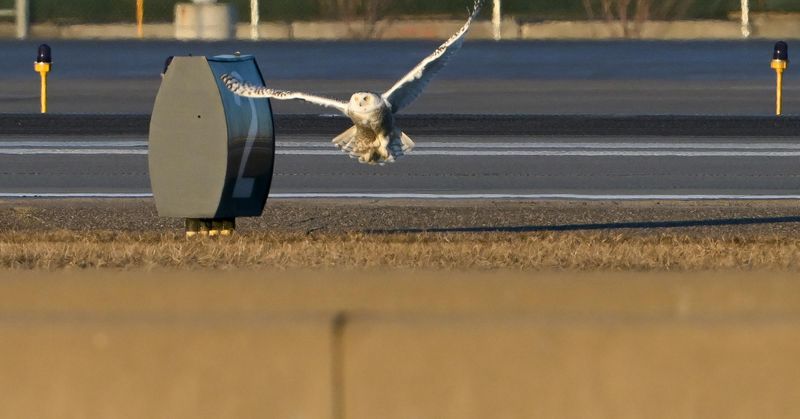
Airports can look a lot like the Arctic tundra to a snowy owl. They have wide open ground and often plenty of prey.
That is why owls sometimes turn up at them, though certainly not at every airport.
For pilots and airport staff, an owl nearby is a safety problem. The Federal Aviation Administration treats snowy owls as a hazard to aircraft during their seasonal visits.
A bird near a runway can be dangerous for the owl and for planes.
So please do not enter airport grounds or walk toward an active runway to look for one. Fences and restricted areas are there for good reasons.
Even a quick peek from the wrong spot can put people and birds at risk.
Instead, point your search toward lawful public open country. Farm roads with safe pullouts, public grasslands, wetlands, and lakeshore areas offer the same kind of habitat, as the DNR lists.
Owls that choose those places are easier to watch safely, and you will not be in anyone’s way.
Give the owl room
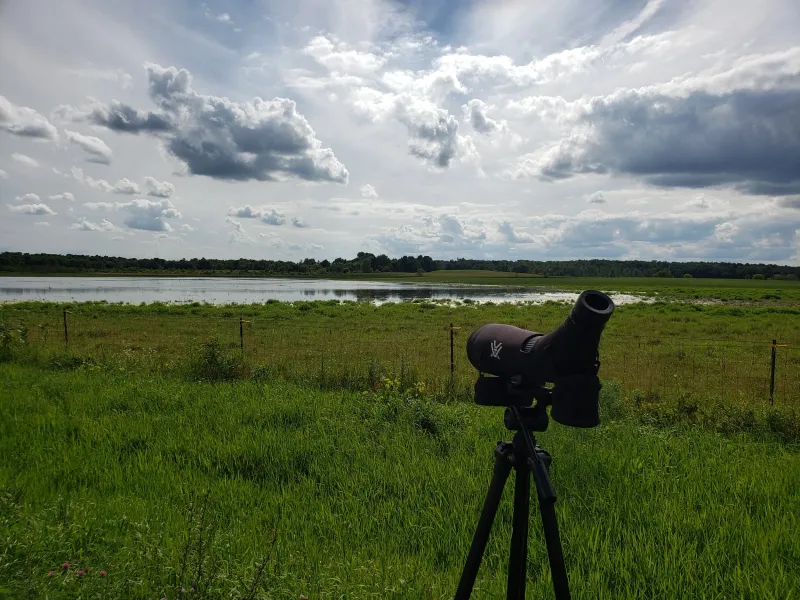
The best views come from a distance. Binoculars, a spotting scope, or a telephoto lens let you see feather detail without taking a single step closer.
Where it is appropriate and safe, the DNR suggests watching from a parked vehicle with the engine off, which can feel less alarming to the owl.
Let the bird tell you how it feels. The DNR says you are too close if the owl repeatedly looks at you, sits erect and alert, or flushes.
If you see any of these, back away and watch from farther off.
As a general guide, the U.S. Fish and Wildlife Service recommends staying at least 100 yards from wildlife.
Treat that as a cautious starting point, not a magic number. Leave the animal an exit route, and do not follow it if it moves away.
A few more habits keep things smooth for everyone. Stay off private land, and never block a road or an access point.
Skip feeding, recorded calls, and repeated close approaches, which can stress the bird.
Turn off your flash, especially after dark, since a sudden burst of light can bother an owl hunting at night. Natural light and a long lens give you better photos anyway, and the owl keeps its focus on the field.
Leave the owl undisturbed
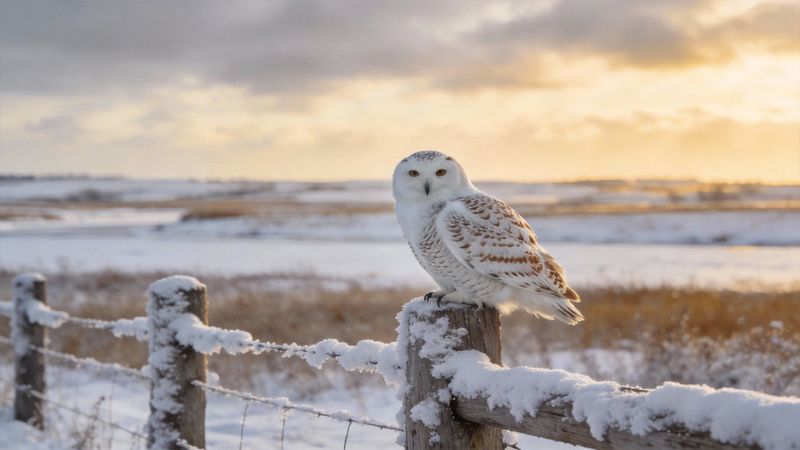
Finding a snowy owl is part luck and part patience. Scan open country from lawful public spots, treat any report as a hint, and pick distance over a closer look.
The DNR and the U.S. Fish and Wildlife Service both offer simple guidance that keeps these visitors safe.
A calm owl on a distant post is a gift from the far north. The best view is the one the bird never notices.
Share this story