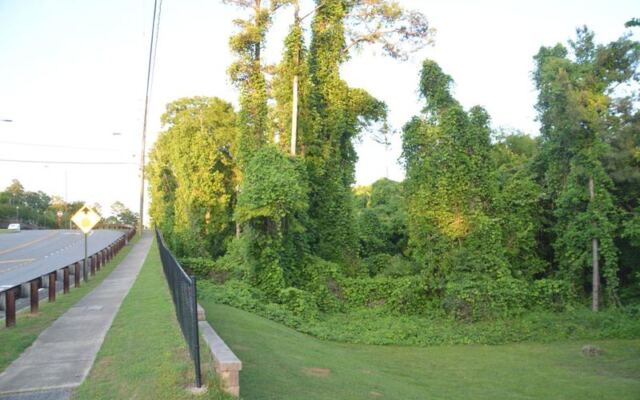
In Alabama, you can generally trim vine growth that reaches onto your own side of the property line. The key is that the legal boundary matters, not the fence.
Cutting too far, or cutting the wrong plant, can turn a small annoyance into a bigger fight. Here is how to handle it calmly and safely.
Alabama’s rule turns on the property line, not the fence
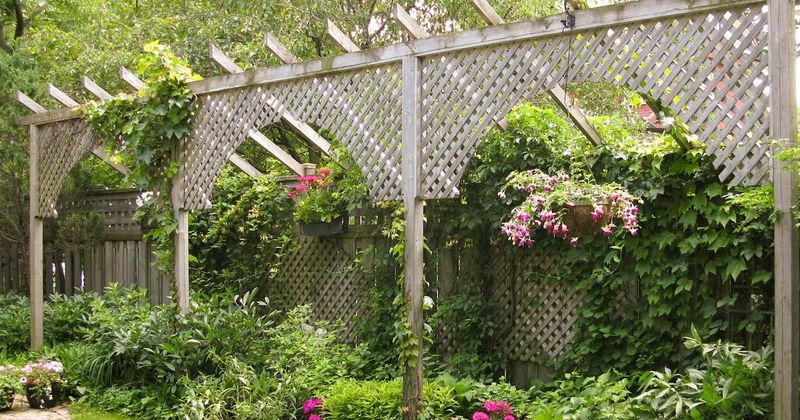
The practical answer is that Alabama appellate precedent recognizes a landowner’s general right to remove vegetation that protrudes onto their property. In Young v.
Ledford, a 2009 Alabama Court of Civil Appeals decision, the court described this right for what it called vegetative protrusions. That is a general rule, and it is the starting point for most overhanging-growth problems.
There is an important limit on how far this answer goes. The case involved branches, roots, and a tree on the boundary line.
It did not involve ordinary vines hanging over a fence.
So no court has issued a vine-specific ruling that we know of in the sources reviewed. Applying the general rule to vines is a reasonable reading of the precedent, but it is a reading, not a holding written about vines.
Think of it as sound guidance rather than a guarantee.
The rule also depends on where the growth actually is. What counts is whether it extends past the legal boundary onto your land.
A fence may or may not sit on that line, which is why the next steps matter.
With those limits in mind, you can act with confidence in a narrow way. You may deal with growth that reaches your property, while leaving the neighbor’s land and the neighbor’s plant alone.
The sections ahead explain how to do that without creating a new problem.
How to tell whether the vines cross your boundary
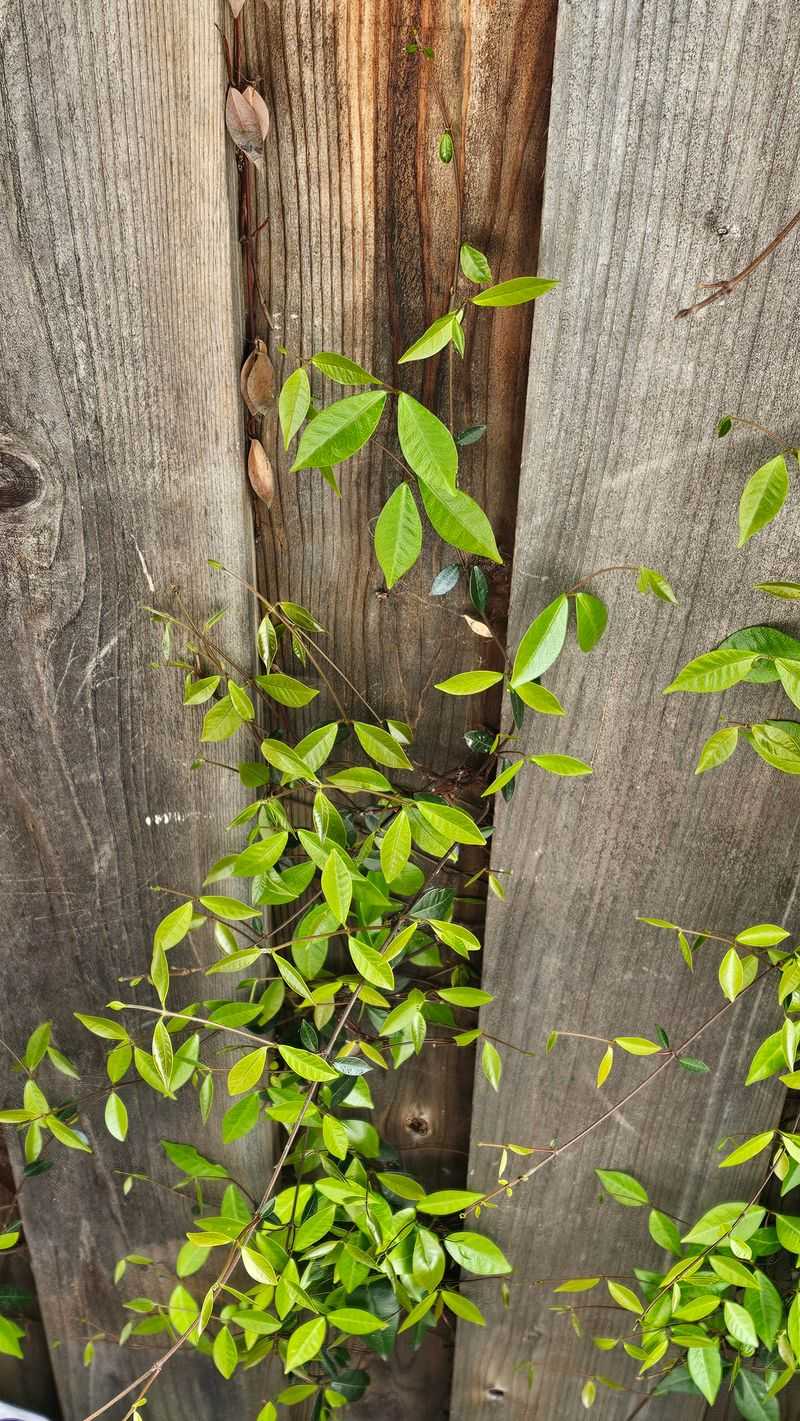
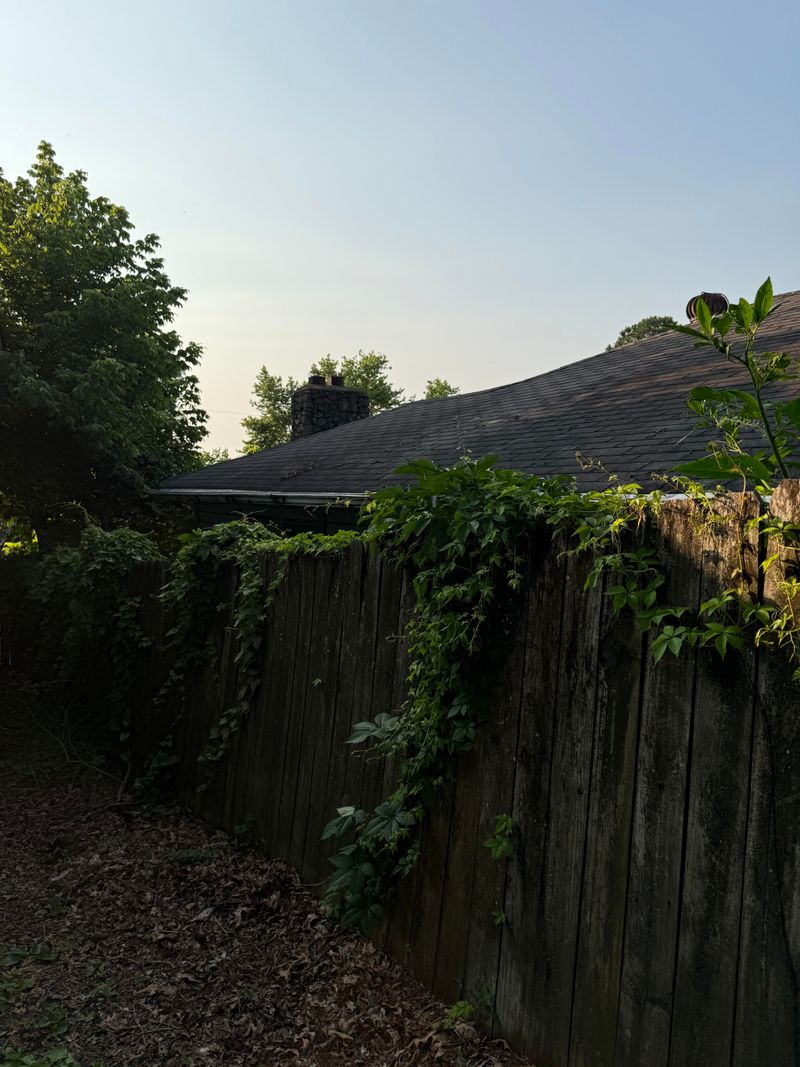
Vines that cross a fence have not necessarily crossed the property line. Fences get built a little inside one owner’s land, or a bit outside it, or simply where it was convenient years ago.
The rule in the Alabama case is based on the boundary, so the fence alone does not settle anything.
If you are unsure where your line runs, or who owns the fence, sort that out before you pick up the pruning shears. A cut made on a wrong assumption can land you in the very dispute you hoped to avoid.
Your deed and property records are a natural place to begin looking for answers.
It also helps to ask where the plant itself is growing. The court in the Young v.
Ledford decision drew a line between vegetation growing on one owner’s land and a tree located on the common boundary. Those two situations are treated differently.
Here is a simple clue to watch for. If the stem comes out of the ground well inside your neighbor’s yard and only the leafy growth reaches you, it is likely growth from one owner’s plant.
If the base sits right along the line, you may be dealing with a boundary plant.
If the answer stays unclear, hold off on cutting. A short, friendly talk with your neighbor can clear up a lot.
Keep any trimming on your side
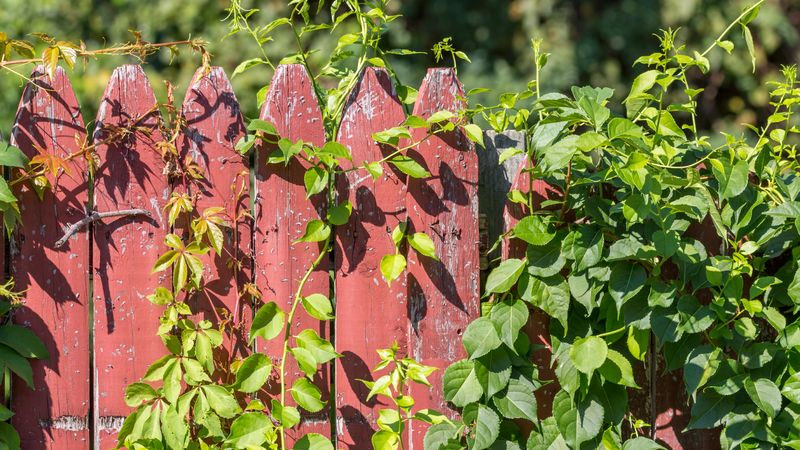
The practical limit is simple. You deal with the growth that has reached your property, and you do it from your own side.
The legal principle in the Alabama appellate case supports removing protrusions onto your land. It does not give you permission to walk onto the neighbor’s yard to reach the vine.
Alabama’s disaster-relief manual gives similar practical advice. It suggests trimming to the property line and not trespassing onto a neighbor’s property.
That advice is written around trees, so treat it as helpful guidance rather than a ruling about vines.
In practice, cut back what hangs over your side and stop at the line. Use a long-handled pruner or pole tool if the growth is high, so you never have to lean or step across.
Do not turn this limited right into something bigger. Trimming encroaching growth is not the same as removing the neighbor’s plant.
Pulling the vine out by its roots, or cutting it down to the ground on their side, goes well beyond what the sources support.
It is also kind to give your neighbor a heads up before you start. Many people will happily trim their own vines once they know about the problem.
A plant on the boundary calls for caution
A plant growing right on the property line is a different situation from growth that stretches across it. In Young v.
Ledford, the court treated a tree with its trunk on the boundary as common property. It rejected one neighbor’s decision to remove the whole tree on their own.
That result is worth taking seriously. If a plant belongs to both owners, one owner’s choice to destroy it can create real trouble.
Cutting off an overhanging branch is one thing, and removing the entire plant is another.
Keep the comparison narrow, though. The case was about a tree, not a vine, and nothing here shows that a court has definitively ruled on boundary vines.
Still, it points toward a careful habit.
If a woody vine is rooted right along the line, seek your neighbor’s agreement before cutting it back hard or removing it. A short conversation, or a note that you both can sign off on, is a low-cost step.
It also leaves a clear record of what you both expected.
When agreement is not possible and the stakes are high, speaking with an Alabama attorney is a sensible next move.
Identify the vine before choosing how to remove it
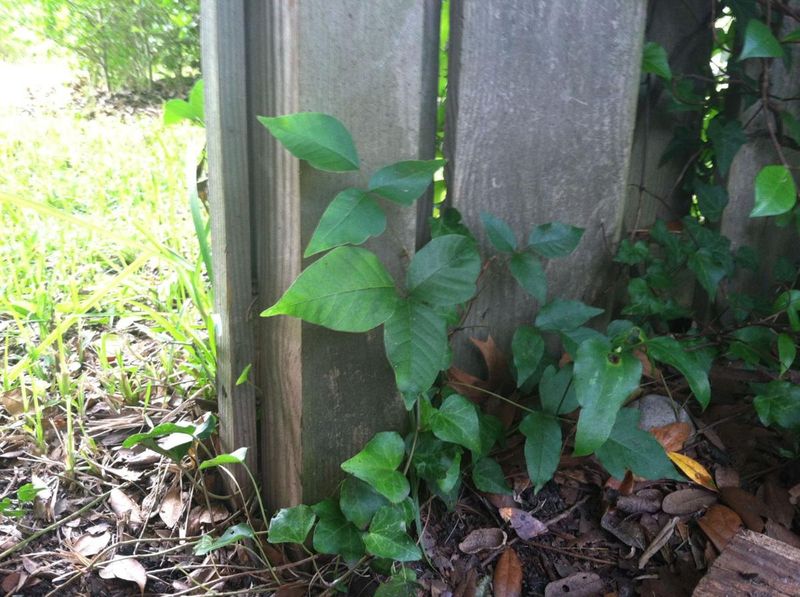
Before you cut anything, find out what you are cutting. Some vines are harmless, while others can cause a nasty rash.
Alabama Cooperative Extension guidance on poison ivy warns that mowing or trimming it can put allergen particles into the air.
The same guidance says never to burn it, and it suggests wearing protective clothing when dealing with it. If the job looks too big or risky, Extension recommends getting professional help.
This is safety information from Extension, not legal advice.
That means a pile of unidentified vines should never go into a burn barrel. Smoke from burning poison ivy can carry the irritant, so the safe choice is to leave burning off the list.
If you cannot tell what the vine is, a local Extension office can help you identify it.
Herbicides call for the same caution. Alabama Extension’s kudzu control advice for residential areas notes that some products can injure desirable plants, and it says to follow the product label.
Do not assume a spray is safe for plants near it. Never spray across the boundary, because drift or runoff could harm growth on your neighbor’s side.
Keeping chemicals on your own ground protects your plants and your relationship with the people next door.
Nuisance laws do not automatically settle a vine dispute
The right to trim growth on your side is one question. Whether a neighbor’s vine counts as a nuisance is a separate one.
Nuisance laws apply only under specific conditions, so an annoying or untidy vine does not automatically qualify.
Take Alabama’s municipal weed-abatement law, Code of Alabama section 11-67-141. It deals with specified overgrown grass or weeds within municipalities.
It comes with listed conditions and an abatement process, and it excludes ornamental plant growth from one height-based category.
In other words, it is not a blanket rule against overhanging vines. It does not give every homeowner a remedy for every vine problem, and it does not make a neighbor automatically liable.
Private nuisance is a distinct idea too. Alabama’s nuisance statute in section 6-5-121 separates private nuisances from public ones.
An unsightly vine alone does not meet that bar.
If you think a nuisance rule might fit, check with your city or town office about local ordinances. For anything more serious, an attorney can tell you whether your facts qualify.
Start with the property line
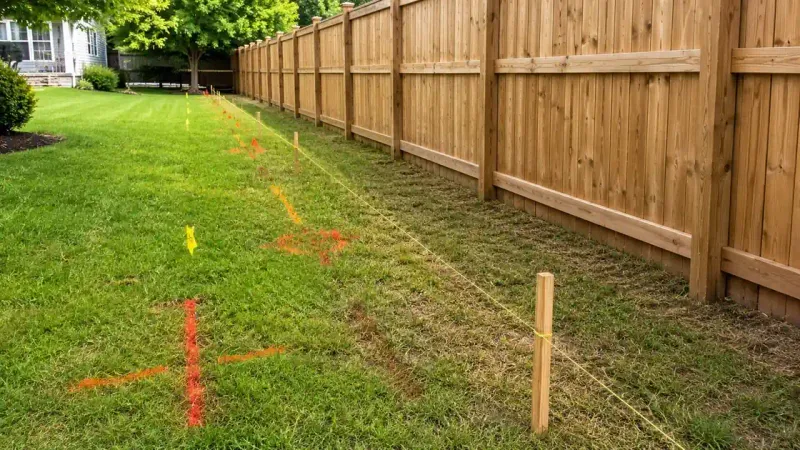
Begin by confirming where the boundary really sits, since the fence may not tell you. Trim only the growth on your side, as the Alabama case and the disaster-relief manual point toward.
Pause before cutting any plant on the line, and identify the vine, following Extension safety tips, before handling it.
A vine is easy to trim, but a good neighbor is harder to replace.
Share this story