Get the latest garden guides in your inbox →
Gardening Latest
  • General Gardening
  • Lawn Care
  • Plant Care
  • Composting
  • Soil Health
  • Backyard
  • Garden Muse Magazine
  • General Gardening
  • Lawn Care
  • Plant Care
  • Composting
  • Soil Health
  • Backyard
  • Garden Muse Magazine
  • News
  • Gardening Calendar
  • Garden Structures
  • Vegetable Garden
  • Vertical Garden
  • Raised Beds
  • Hydroponics
  • General Equipment
  • Community Gardens
Garden Themes
  • Spiritual Garden
  • Hydroseeding
  • Seeding and Laying Sod
  • Artificial Grass
  • Lawn Care Equipment
  • Plants
  • Trees
  • Planting Tools
  • Composting Basics
  • Fertilizer
  • Alternative Growing Mediums
  • Front Yard
  • Backyard Activities
  • Landscaping
Gardening Latest

Explore by state

Which state is your garden in?

Currently viewing Georgia

All states

Northeast

  • Connecticut —
  • Delaware 33
  • Maine —
  • Maryland 19
  • Massachusetts 35
  • New Hampshire —
  • New Jersey 19
  • New York 28
  • Pennsylvania 28
  • Rhode Island —
  • Vermont —

Southeast

  • Alabama 19
  • Arkansas —
  • Florida 19
  • Georgia 19
  • Kentucky 33
  • Louisiana 18
  • Mississippi —
  • North Carolina 17
  • South Carolina 32
  • Tennessee 16
  • Virginia 18
  • West Virginia —

Midwest

  • Illinois 18
  • Indiana 20
  • Iowa 32
  • Kansas —
  • Michigan 19
  • Minnesota 18
  • Missouri 18
  • Nebraska —
  • North Dakota —
  • Ohio 19
  • South Dakota —
  • Wisconsin 34

Southwest

  • Arizona 19
  • Colorado —
  • Nevada —
  • New Mexico —
  • Oklahoma —
  • Texas 18
  • Utah —

West

  • Alaska —
  • California 19
  • Hawaii —
  • Idaho —
  • Montana —
  • Oregon —
  • Washington —
  • Wyoming —

No state matches that search.

Site menu

Gardening Latest
  • General Gardening
    • News
    • Gardening Calendar
    • Garden Structures
    • Vegetable Garden
    • Vertical Garden
    • Raised Beds
    • Hydroponics
    • General Equipment
    • Community Gardens
    Garden Themes
    • Spiritual Garden
  • Lawn Care
    • Hydroseeding
    • Seeding and Laying Sod
    • Artificial Grass
    • Lawn Care Equipment
  • Plant Care
    • Plants
    • Trees
    • Planting Tools
  • Composting
    • Composting Basics
  • Soil Health
    • Fertilizer
    • Alternative Growing Mediums
  • Backyard
    • Front Yard
    • Backyard Activities
    • Landscaping
  • Garden Muse Magazine

Explore

  • About GardeningLatest.com
  • Contact Us

Get the latest from the garden

New guides on lawn care, plants and backyard projects, sent when they go up.

Subscribe →

Follow

  • Facebook
  • X
  • Pinterest
  • YouTube
Georgia Gardening

9 Warning Signs In Your Georgia Yard That Rats Are Getting Ready To Move Inside

Rats rarely show up inside a house out of nowhere. Most of the time, they spend weeks living in the yard first…

SB

By Savannah Brooks

November 25, 2026 · 5 min read

9 Warning Signs In Your Georgia Yard That Rats Are Getting Ready To Move Inside

Rats rarely show up inside a house out of nowhere. Most of the time, they spend weeks living in the yard first, leaving clues that a sharp-eyed homeowner can catch.

In Georgia, where mild winters and humid summers keep rats busy all year, spotting those clues early can save you from chewed wires, ruined food, and costly repairs. Here are nine signs outside your home that rats may be planning a move indoors.

At a glance

Where
Georgia Gardening
Hardiness zone
8 10 to 20°F
Read
5 minutes
Published
November 25, 2026

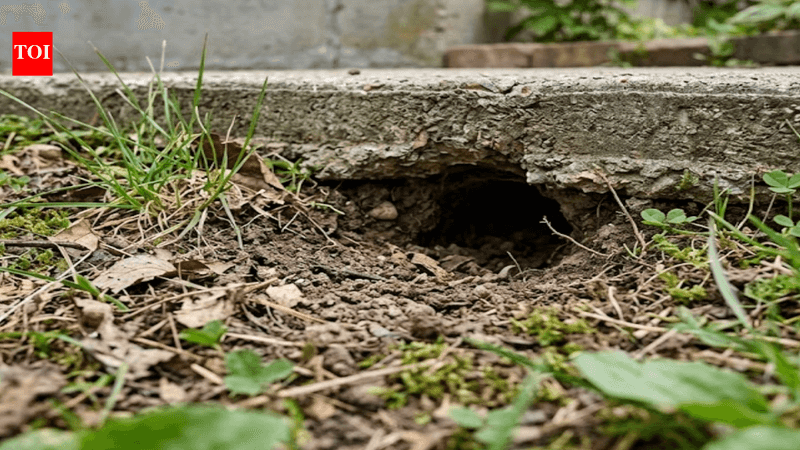
1. Burrows Along the Foundation

Burrows Along the Foundation
© The Times of India

Picture a hole about the size of a golf ball tucked against your brick foundation, with a smooth, packed rim. That neat little doorway is often the work of Norway rats, which love to dig in Georgia’s red clay.

Burrows close to the house are a big deal because they put rats just inches from cracks, vents, and gaps. A fresh burrow will have loose soil spilling out and no cobwebs or leaves inside.

Try this quick test: loosely fill the hole with dirt or crumpled newspaper and check back the next day. If it has been reopened, someone is home, and you should call a pest pro or set traps right away.

2. Gnawed Pecans and Fallen Fruit

Gnawed Pecans and Fallen Fruit
© Vanishing Georgia

Georgia grows more pecans than almost any state, and rats have definitely noticed. Those shells you find cracked open with rough, jagged edges under your tree may not be from squirrels at all.

Rats also feast on fallen figs, peaches, and persimmons. A yard full of free snacks gives them the energy to build nests and raise babies fast.

Once they get comfortable eating outside, your pantry becomes the next logical target. Rake up fallen nuts and fruit often, especially in fall when rats are stocking up for cooler weather.

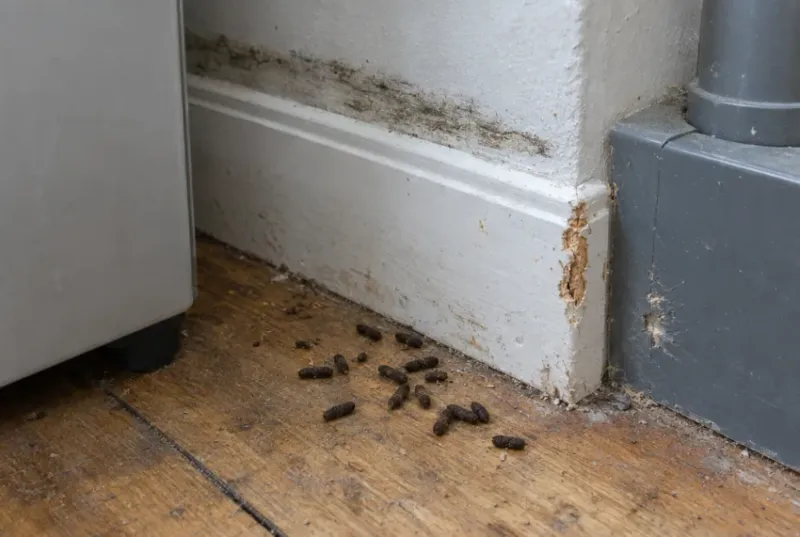
3. Droppings Near Trash Cans
Droppings Near Trash Cans
© Pest Control Tonbridge

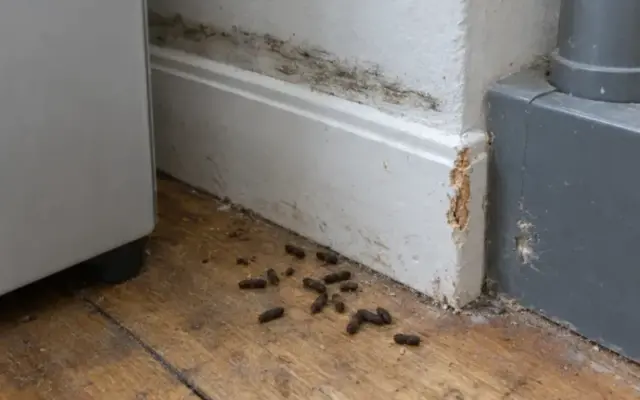
Nobody enjoys inspecting the area around the garbage bins, but a quick glance could tell you a lot. Rat droppings are dark, shaped like a fat grain of rice, and usually about half an inch long.

Finding them near trash cans, recycling bins, or the grill means rats are making regular food runs. Fresh droppings look shiny and soft, while older ones turn dry and gray.

A leaky garden hose might seem like bad luck, until you spot tiny tooth marks around the hole.

Wear gloves when you clean them up, and never sweep them dry, since the dust can carry germs. Spray the area with disinfectant first, then keep lids tight and bins off the ground if you can.

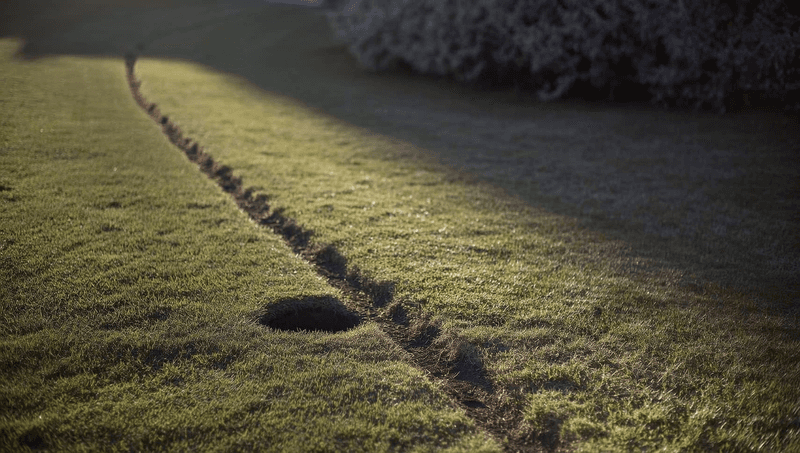
4. Worn Runways Through the Grass
Worn Runways Through the Grass
© Boise Bug Bombers

Rats are creatures of habit. They travel the same routes night after night, and over time their tiny feet press down a skinny path in the grass or mulch.

These runways usually hug fences, walls, or garden edges because rats feel safer with something beside them. If a trail leads straight toward your house, crawl space, or garage, pay attention.

That path is basically a highway map of their plans. Set traps along it, keep the grass short, and clear clutter so rats lose their hidden travel lanes.

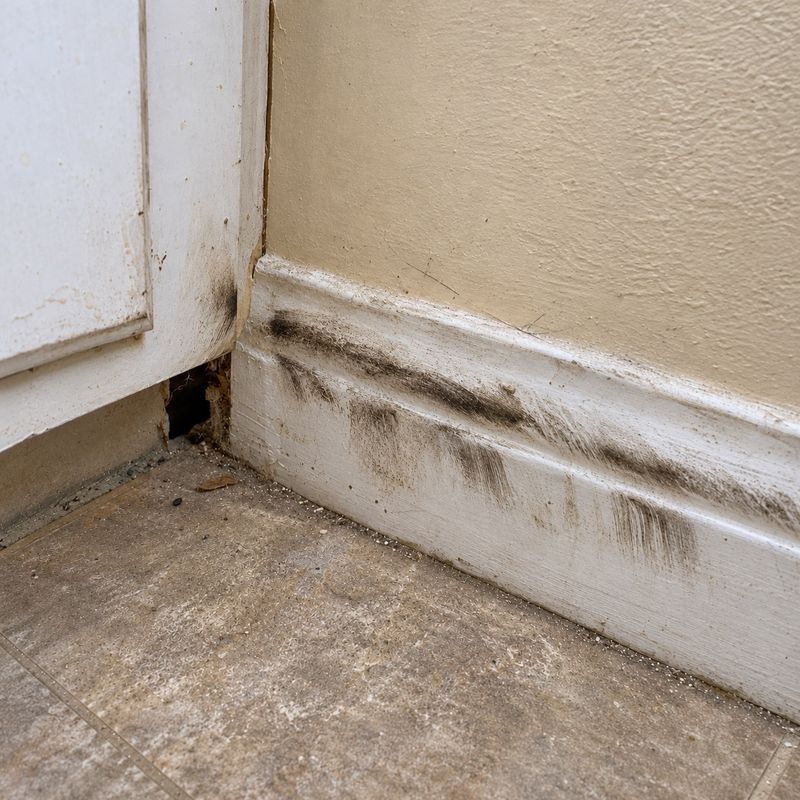
5. Greasy Rub Marks on Siding
Greasy Rub Marks on Siding
© Integrity Rodent Proofing

Ever notice dark, smeared stains low on your siding or around a pipe opening? Those may be rub marks, left behind by the oil and dirt on a rat’s fur as it squeezes past the same spot again and again.

Fun fact: rats have poor eyesight, so they rely on whiskers and touch, brushing walls as they move. The darker and thicker the smudge, the longer they have been using that route.

Rub marks near gaps, vents, or utility lines are a red flag that rats are testing ways inside. Seal those openings with steel wool and caulk or hardware cloth.

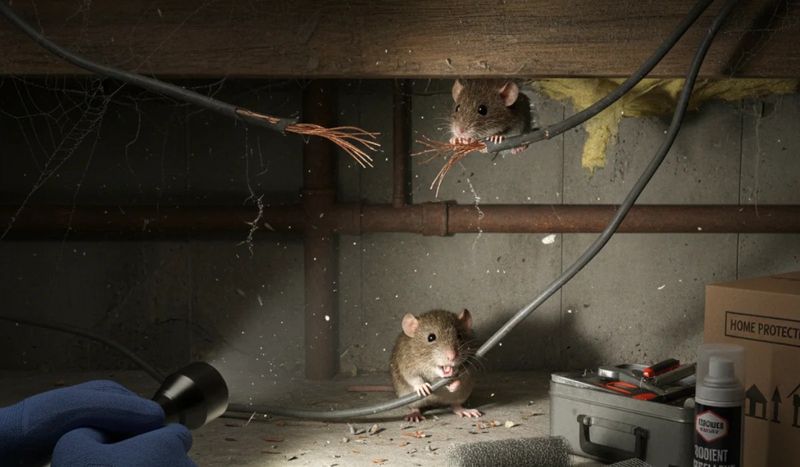
6. Chewed Garden Hoses and Wires
Chewed Garden Hoses and Wires
© Rowland Pest Management

A leaky garden hose might seem like bad luck, until you spot tiny tooth marks around the hole. Rat teeth never stop growing, so they chew on almost anything to keep them trimmed.

Hoses, sprinkler lines, outdoor lights, and even car wiring are common victims. During hot Georgia summers, rats sometimes bite into hoses just to get a drink.

Chewing outside is often practice for chewing inside. A rat that gnaws your patio wiring may soon gnaw its way through a vent screen, so take damage like this seriously.

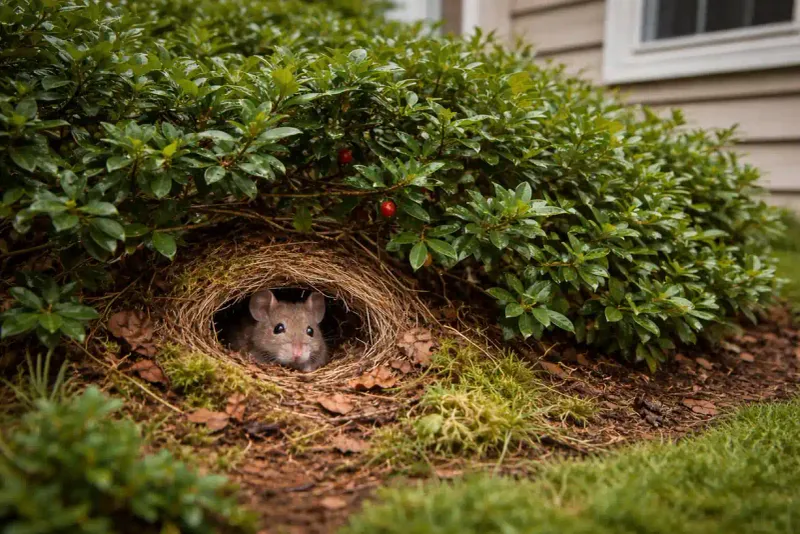
7. Nests in Ivy and Woodpiles
Nests in Ivy and Woodpiles
© Green Pest Management

English ivy looks charming on a Southern fence, but to a roof rat it is a five-star hotel. Thick vines give rats shelter, shade, and a ladder straight up to your roof.

Woodpiles stacked against the house are just as tempting. If you move a log and find shredded leaves, paper, or insulation bunched together, you have likely found a nest.

Keep firewood at least 20 feet from your home and raised off the ground. Trim ivy away from walls and roofs so rats cannot climb right up to your attic.

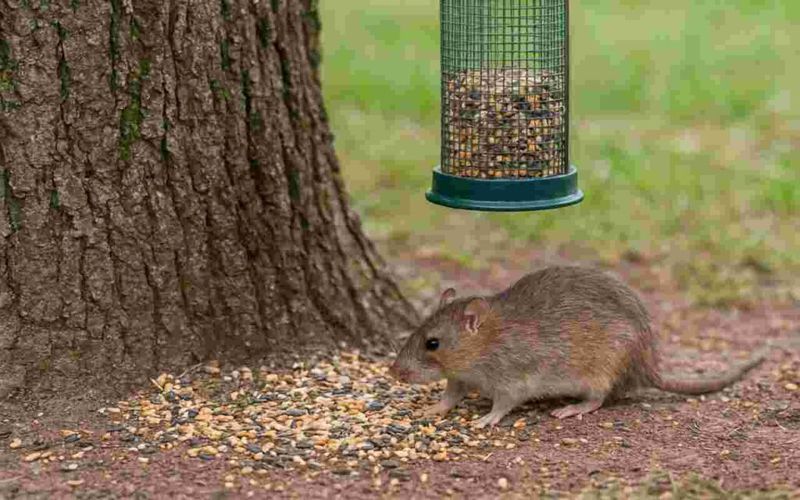
8. Missing Bird Seed and Pet Food
Missing Bird Seed and Pet Food
© Backyard Birdwatching Tips

Here is a sneaky one. You fill the bird feeder in the morning, and by the next day the seed on the ground has vanished, even though the birds were not that busy.

Rats love spilled seed, and they are happy to clean out a dog bowl left on the porch overnight. Many Georgia homeowners feed pets outdoors, which accidentally builds a rat buffet.

Bring pet bowls in at night and use a seed tray to catch spills. Store bags of feed in metal bins with snug lids, because rats can chew through plastic with ease.

9. Scratching Sounds and Activity at Dusk
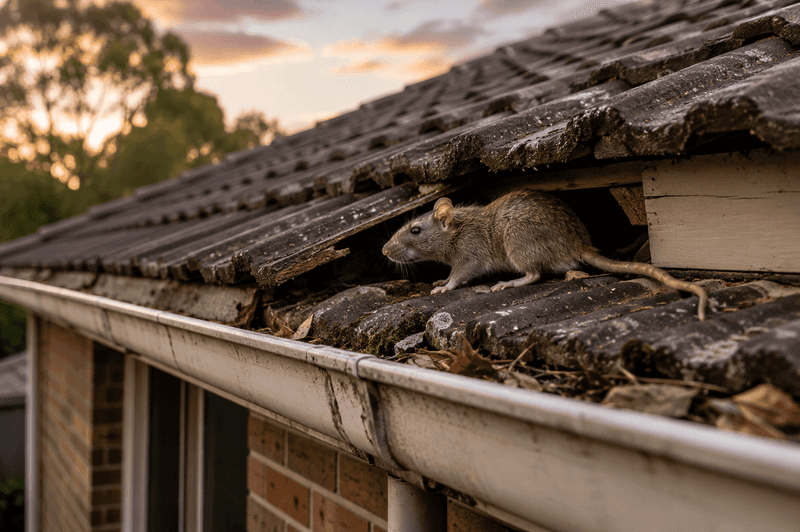
Scratching Sounds and Activity at Dusk
© Pest Control Port Macquarie

A neighbor once said she thought squirrels were running across her power line every evening. Squirrels, though, go to bed at sunset, so movement at dusk usually means rats.

Watch for shadows darting along fences, wires, or tree branches that touch the roof. You might also hear scratching near the eaves or under the deck as the sun goes down.

Seeing a rat in daylight is even more serious, since it often means the population is crowded and hungry. That pressure pushes them to look for new space, and your home is right there.

Trim branches back and schedule an inspection soon.

Share this story
SB

Written by

Savannah Brooks

More from Savannah Brooks →

About Gardening Latest

Gardening Latest provides in-depth guides to maintaining and enhancing your garden and backyard. Learn how to make the most of the space you have and create a beautiful garden.

More about us →

Latest stories

  • California GardeningIf a Gray Fox Keeps Trotting Through Your California Yard This Winter, Here’s What It’s After

    If a Gray Fox Keeps Trotting Through Your California Yard This Winter, Here’s What It’s After

    11 hr ago
  • Arizona GardeningWhen a Gray Fox Trots Through Your Arizona Yard This Winter, It’s on a Mission

    When a Gray Fox Trots Through Your Arizona Yard This Winter, It’s on a Mission

    12 hr ago
  • Texas GardeningNeighbor Vines Crossing Into Your Texas Yard: Texas Tree-Branch Guidance Is Clear, but the Answer for Vines Is Less Settled

    Neighbor Vines Crossing Into Your Texas Yard: Texas Tree-Branch Guidance Is Clear, but the Answer for Vines Is Less Settled

    12 hr ago
  • Wisconsin GardeningWisconsin Neighbors Fight Over Snow Piled on Their Property, and Here’s What the Law Actually Says

    Wisconsin Neighbors Fight Over Snow Piled on Their Property, and Here’s What the Law Actually Says

    12 hr ago
  • Missouri GardeningYellow Jackets Nesting Near Your Missouri Home? This Is What You Should Do First

    Yellow Jackets Nesting Near Your Missouri Home? This Is What You Should Do First

    12 hr ago

Gardening by state

Stories for your state, and the hardiness zone most of it gardens in.

Keep exploring

Read next

All Georgia Gardening →
Georgia GardeningThese Venomous Creatures Share Your Georgia Yard, And Here’s How To Recognize Each One
Georgia Gardening

These Venomous Creatures Share Your Georgia Yard, And Here’s How To Recognize Each One

14 hr ago
Georgia GardeningIf You Keep Hearing Coyotes Howl Near Your Georgia Home at Night, Here’s Why It’s Happening Now
Georgia Gardening

If You Keep Hearing Coyotes Howl Near Your Georgia Home at Night, Here’s Why It’s Happening Now

17 hr ago
Georgia GardeningGeorgians Eating Celery Every Day Are Finding Out What It Really Does For Their Bodies
Georgia Gardening

Georgians Eating Celery Every Day Are Finding Out What It Really Does For Their Bodies

20 hr ago

More from Georgia Gardening

  • Here’s What Georgia Law Actually Lets You Do When A Neighbor’s Tree Hangs Over Your Yard

    Nov 24
  • That Paper Nest You Just Spotted In A Bare Georgia Tree Is Safer To Leave Until Winter

    Nov 23
Back to top

Leave a response Cancel

Your email address stays private. Required fields are marked with an asterisk.

Gardening Latest

In-depth guides to maintaining and enhancing your garden and backyard: how to make the most of the space you have, and how to make it beautiful.

  • Facebook
  • X
  • Pinterest
  • YouTube

We may earn a portion of sales from products or services that are purchased through our site as part of our affiliate partnerships with retailers.

Explore

  • About GardeningLatest.com
  • Contact Us
  • Terms and Conditions
  • Privacy
  • Editorial Note:
  • FTC Disclosure

Newsletter

New garden guides and seasonal tips, straight to your inbox.

We’ll email you a link to confirm. Unsubscribe any time.

Almost there! Check your inbox and tap the link to confirm.

© 2026 Gardening Latest. All rights reserved.

Back to top