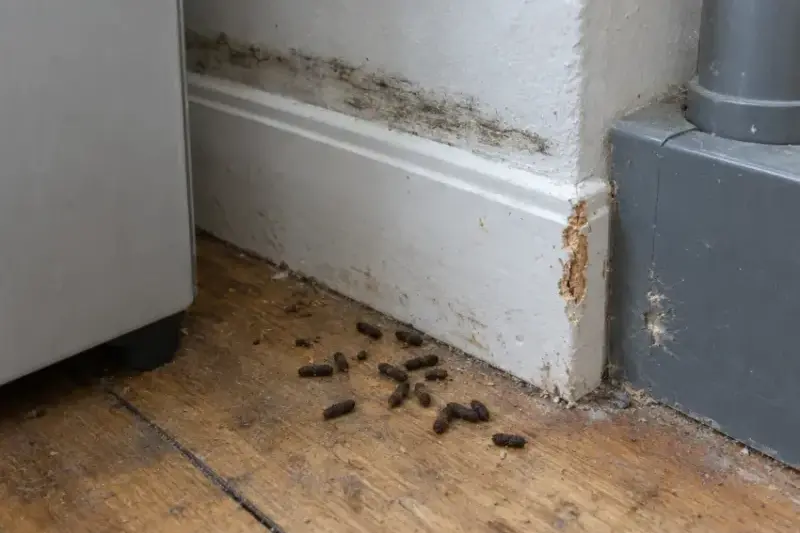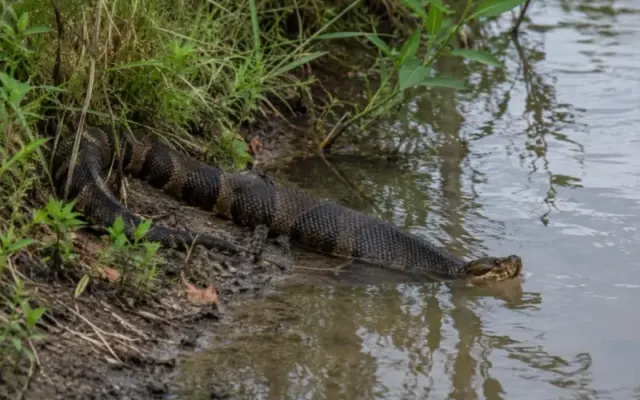
Your backyard in Georgia is full of life, from chirping crickets to busy squirrels. Some of the critters living there carry venom, and a few can send you to the doctor with one bite or sting.
Knowing what they look like helps you stay safe without panicking every time something moves in the grass. Here are ten venomous neighbors worth learning to spot.
1. Eastern Copperhead
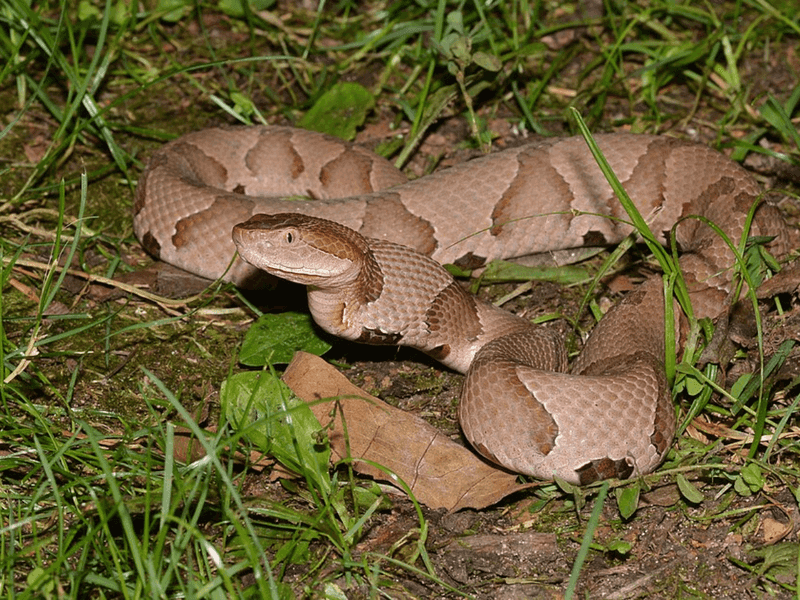
Leaf piles in Georgia hide a master of camouflage. The copperhead is responsible for more snakebites in the state than any other snake, mostly because people step near it without ever seeing it.
Look for a thick body in shades of tan, pink, and copper with dark bands shaped like hourglasses or Hershey’s Kisses. The head is broad and coppery with no pattern on top.
Copperheads like woodpiles, mulch beds, and stone walls. Wear gloves and shoes when doing yard work, and use a flashlight on summer evenings when they are most active.
2. Timber Rattlesnake
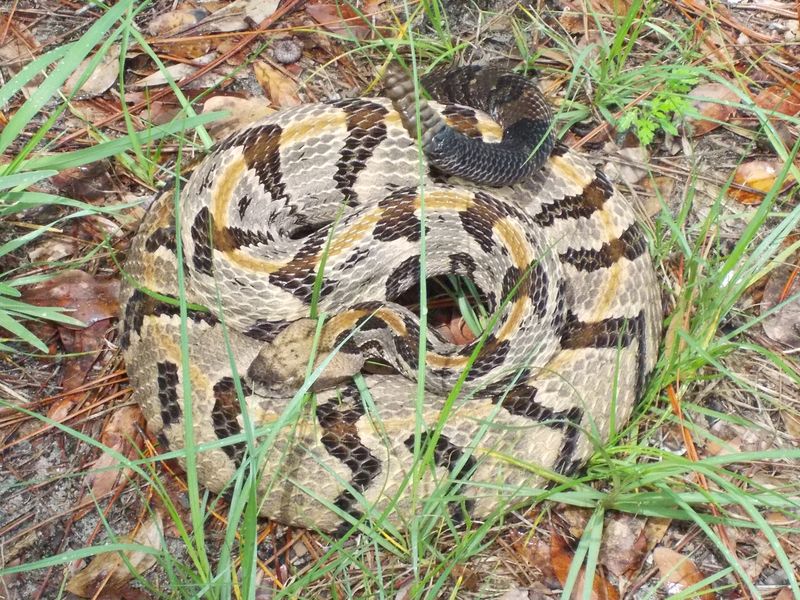
Folks in south Georgia sometimes call it the canebrake rattler. Whatever the name, this big snake usually prefers to lie still and let trouble pass.
Its body is gray, tan, or yellowish with dark zigzag bands called chevrons. Many have a rusty stripe down the back, and the tail ends in a solid black section with a rattle.
Homes near forests and creeks are more likely to get a visit. If you hear that buzzing rattle, back away slowly and give it plenty of room.
3. Eastern Diamondback Rattlesnake
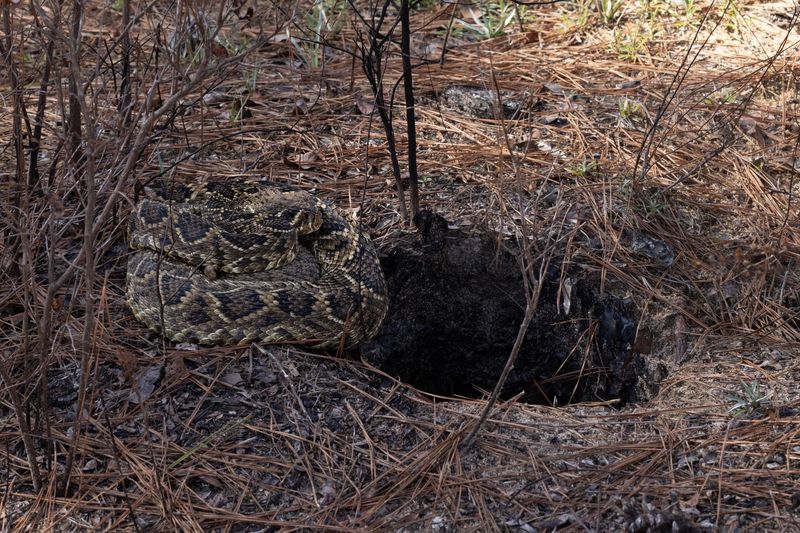
Picture a snake longer than a grown adult is tall. The eastern diamondback is the largest venomous snake in North America, and it lives in the sandy pine country of south and coastal Georgia.
The pattern gives it away: dark brown diamonds outlined in cream or yellow running down its back. Two light stripes cross its face near the eyes.
Fun fact: diamondbacks often shelter in gopher tortoise burrows. Leave any large holes in sandy yards alone.
4. Pygmy Rattlesnake
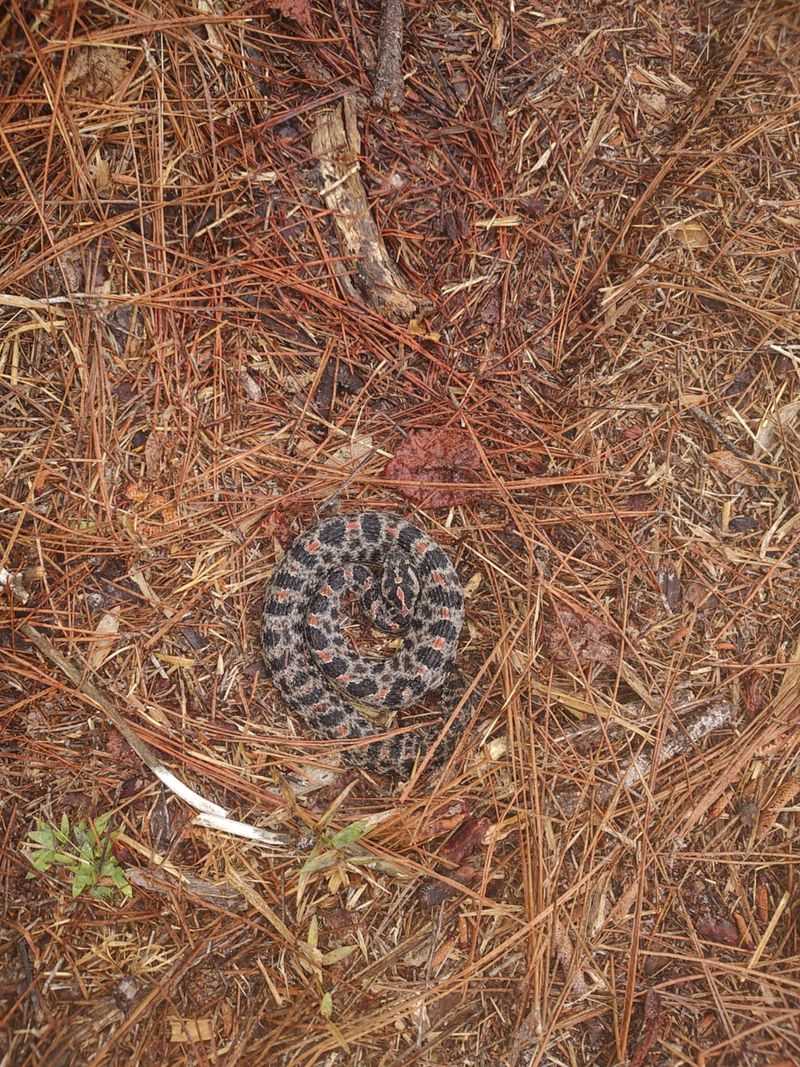
Small but feisty, the pygmy rattler rarely grows past two feet. Its rattle is so tiny it sounds like a buzzing insect, so most people never hear it.
Watch for a gray body covered in dark round blotches, often with a reddish or orange stripe down the middle of the back. It loves pine straw and garden beds.
Bites are painful but rarely deadly. Still, any bite needs a trip to the doctor.
5. Cottonmouth
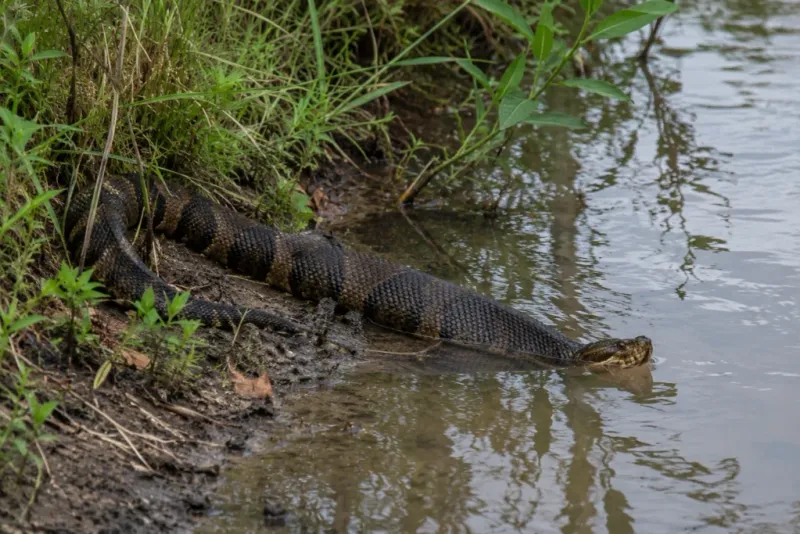
Got a pond, ditch, or creek nearby? Then cottonmouths may be close.
When upset, they open their mouths wide to show a bright white lining, which is how they got their name.
Adults are thick and dark, often olive, brown, or nearly black. They have a dark stripe through the eye and swim with their bodies floating high on the water.
Many harmless water snakes get mistaken for cottonmouths. Treat any snake near water with respect and keep your distance.
6. Eastern Coral Snake
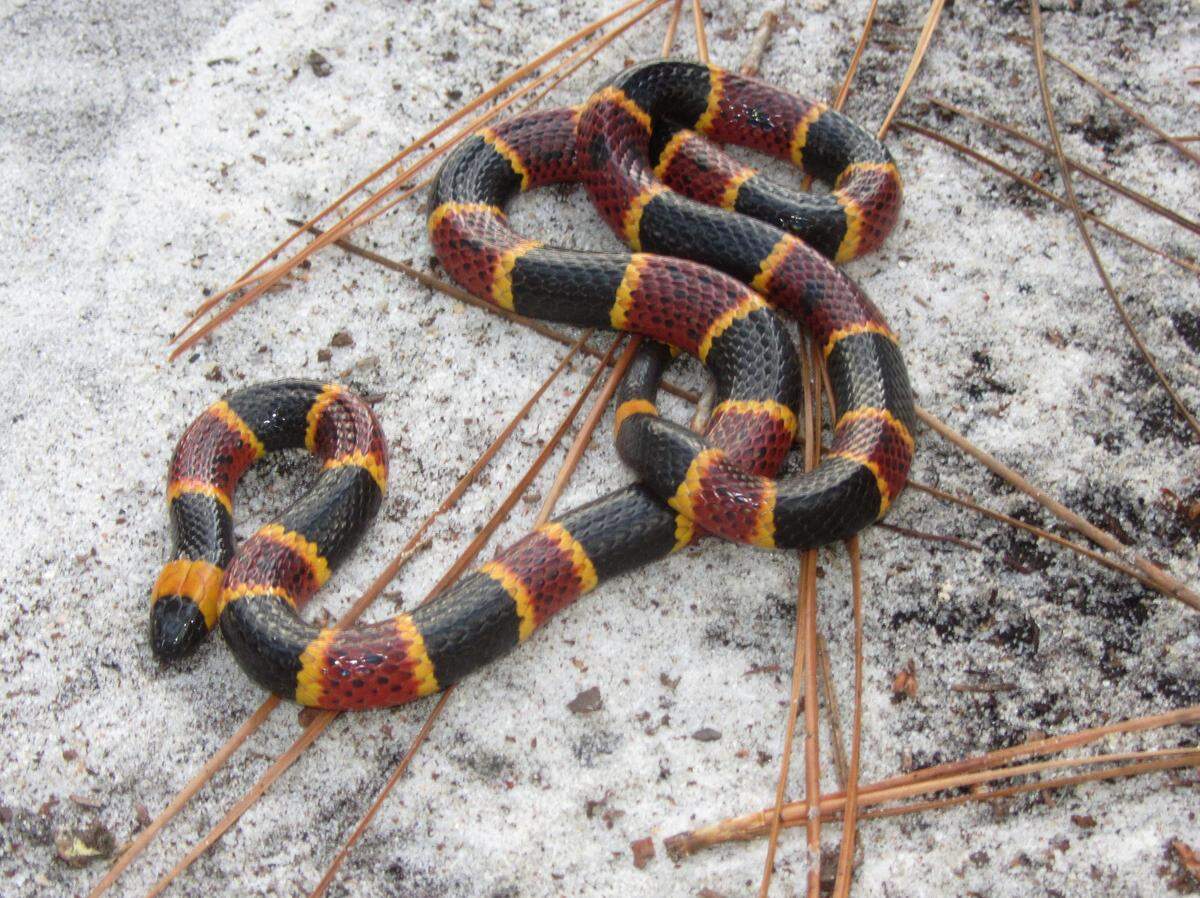
“Red touches yellow, kills a fellow.” That old rhyme helps you tell the coral snake from look-alikes such as the harmless scarlet kingsnake.
Coral snakes are slim and glossy with wide red and black bands separated by thin yellow rings. The nose is black.
They spend most of their time hidden under leaves or logs in south Georgia. Their venom is powerful, so never pick up a colorful snake.
7. Southern Black Widow
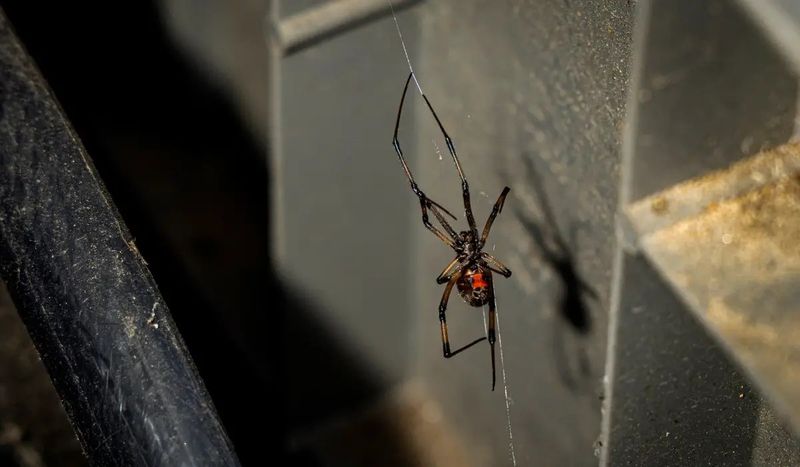
Reaching into a dark shed corner without looking is a classic mistake. Black widows love quiet, cluttered spots like woodpiles, flower pots, and outdoor furniture.
Females are shiny black with a red hourglass under the belly. Their webs look messy and tangled instead of neat circles.
A bite can cause strong muscle cramps. Shake out gloves and boots stored outside before putting them on.
8. Brown Recluse
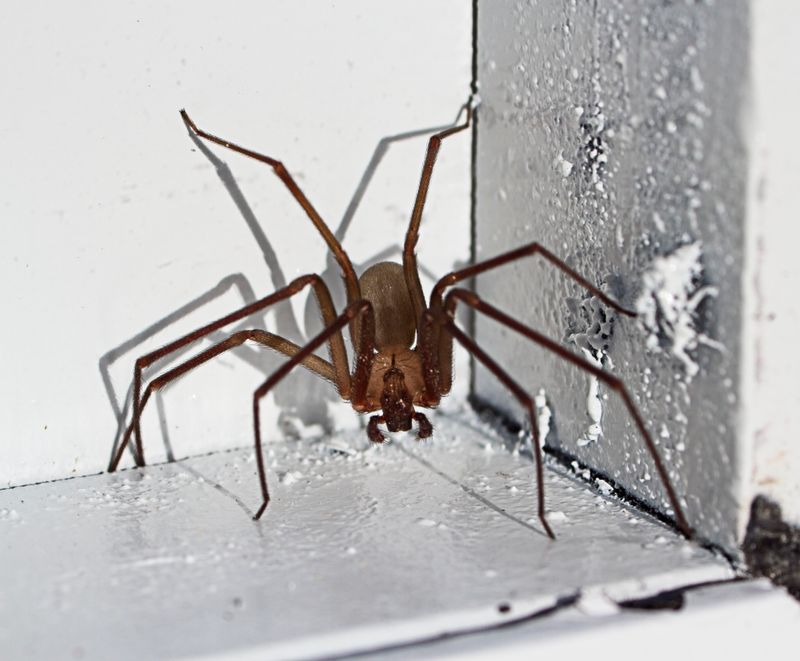
True to its name, the brown recluse is shy. It is less common in Georgia than many people think, showing up mostly in the northwest part of the state.
Look for a plain brown spider with a darker violin shape on its back. It has six eyes instead of eight, though you would need a magnifier to check.
Garages, attics, and boxes are favorite hideouts. Keep clutter low and seal cracks to make your home less welcoming.
9. Red Imported Fire Ant
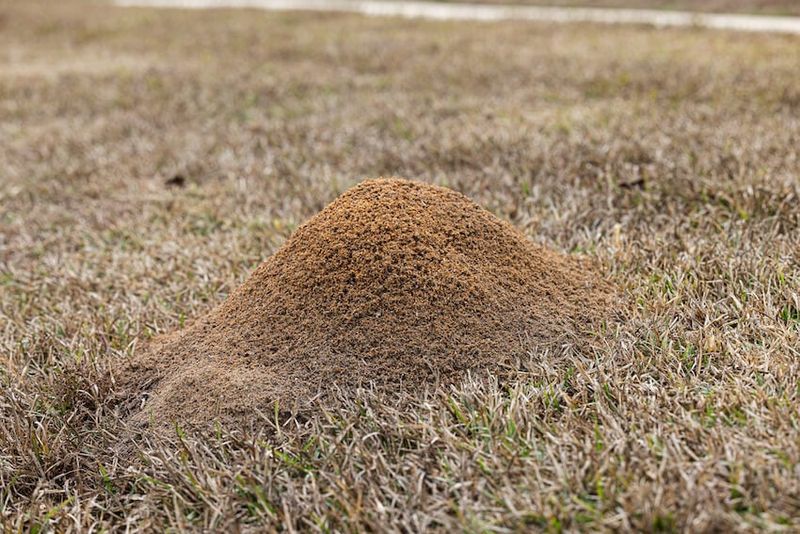
Any Georgia kid who has stepped on a mound remembers the burn. Fire ants attack in groups, stinging again and again.
Their mounds are fluffy dirt piles with no hole on top, often in sunny lawns. The ants are small and reddish brown.
Stings leave itchy white bumps. A few people have serious allergic reactions, so watch for swelling or trouble breathing.
10. Southern Flannel Moth Caterpillar
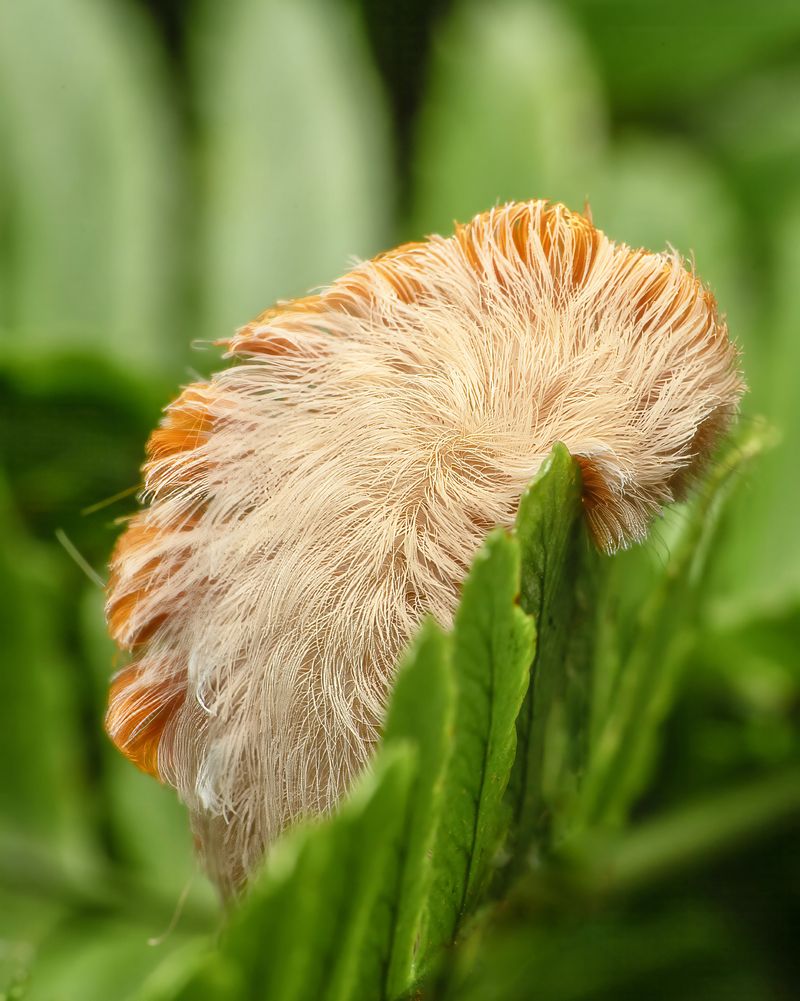
It looks like a tiny furry toupee crawling on a leaf. Called the puss caterpillar, it is cute enough to touch, which is exactly the problem.
Hidden under that soft fur are venomous spines. A sting can cause intense pain that spreads up the arm.
Check oak and elm trees in late summer and fall. Teach kids to admire fuzzy caterpillars with their eyes only.
Share this story