Sometimes the neighbor pays, and sometimes you do, because Pennsylvania has no one rule that settles every case. A plant growing across the property line does not automatically send the bill to the person who owns it.
The answer depends on what the plant is, how much harm it causes, and which rules apply where you live. Knowing the difference can save you money, time, and a fight over the fence.
A plant crossing the line does not settle who pays
Here is the plain answer: a plant crossing a property line does not, by itself, create a statewide duty for its owner to pay removal costs. Pennsylvania has no statewide rule that automatically makes a neighbor pay for every plant that spreads onto adjoining land.
Many homeowners assume otherwise, and that assumption can lead to angry letters and unpaid bills.
Several things can shape the outcome. The plant’s identity matters, because some species are regulated and most are not.
So do the kind and extent of the encroachment or harm, the evidence about where the plant came from, and any local ordinance in your township or borough.
It also helps to separate private disputes from government enforcement. In a private dispute, one owner asks another to act or pay, and the request has to rest on a recognized legal claim.
Government enforcement works differently. Under the Pennsylvania Agriculture Code, the state can issue control orders for noxious weeds, and the person who receives the order bears the treatment costs.
Courts have also dealt with plants in specific settings. Jones v.
Wagner addressed overhanging tree limbs, and a 2023 case, North Cornwall Township v. Konevitch, turned on a local ordinance.
Neither one is a universal rule, and the sections below explain why. Nothing here decides your own situation, but it can help you ask better questions.
Check whether Pennsylvania regulates the plant
Many people use the word invasive loosely, but the law draws finer lines. A plant commonly called invasive is not necessarily one Pennsylvania regulates.
The state keeps specific categories, including noxious weeds and controlled plants, and the Department of Agriculture says it is unlawful to cultivate, distribute, or propagate listed noxious weeds and regulates controlled plants.
That is why the first job is identifying the exact species. Then compare it against the current state lists, since lists can change.
Do not assume a legal duty exists just because a plant has a bad reputation.
If the plant is a listed noxious weed, a state process may be available. The Department of Agriculture can issue a control order requiring treatment, and under the Agriculture Code, the person subject to that order pays for the treatment.
If that person does not comply, the municipality may carry out the measures and recover its costs from them.
Notice what this process is: a regulatory one. The statute does not automatically give a neighbor a private right to be reimbursed for their own removal expenses.
A control order can put the cost on the person it is issued to, but that does not mean you can send that person your invoice.
A private claim requires more than an unwanted plant
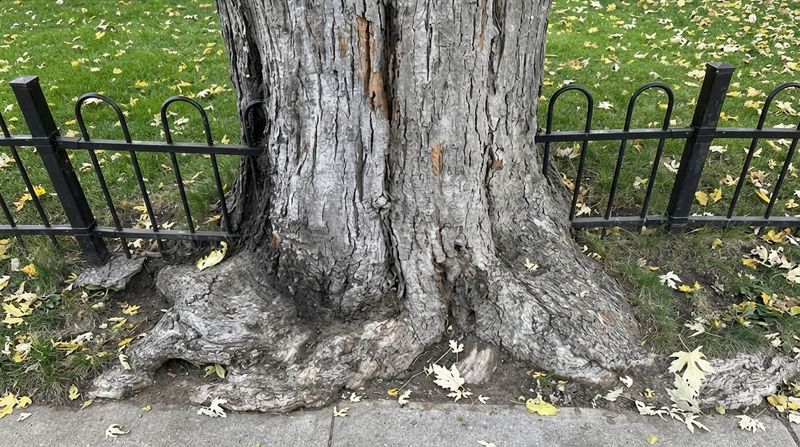
Disliking a neighbor’s plant is not the same as having a legal claim. A private nuisance claim generally requires a legally actionable invasion of another person’s use and enjoyment of land.
A plant’s invasive reputation, by itself, does not establish that.
Pennsylvania appellate courts have discussed nuisance in cases like Jones v. Wagner.
A 2025 Superior Court opinion also discusses significant harm in the private nuisance setting. The standard and the evidence both matter.
In practice, the nature and extent of harm count. Roots lifting a patio, stems pushing through a foundation, or growth that damages a garden are concrete problems you can show.
A few stray seedlings along a fence line are a weaker starting point. No set amount of growth is guaranteed to meet the legal standard.
Evidence is what turns a complaint into something a court can weigh. Dated photos, repair estimates, and proof of where the plant started all help.
Nuisance is also not the only possible private claim, so a lawyer can tell you whether other theories fit your facts.
Tree limbs and bamboo cases show different outcomes
Court decisions can teach a lot, but each one rests on its own facts. Three Pennsylvania examples show how differently these disputes can play out.
Jones v. Wagner is a decision about overhanging tree limbs.
It says an owner may trim limbs back to the property line and may seek reasonable removal expenses and other relief. It is not a blanket rule for vines, shrubs, weeds, or all invasive plants.
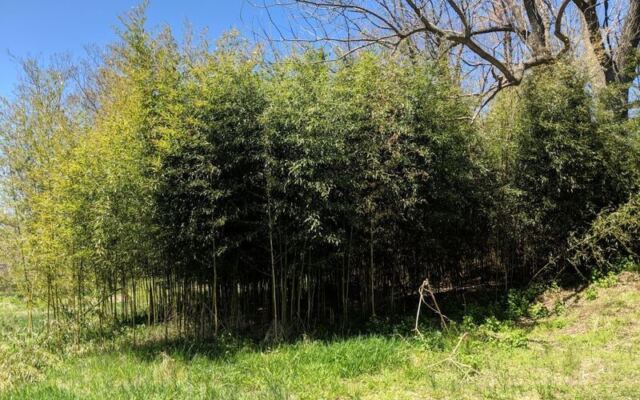
In Shatto v. Hood, a Cumberland County trial court dealt with bamboo spreading onto a neighbor’s land.
The court ordered the landowner to stop the encroachment and awarded $3,658.50 in damages. That is a fact-specific county trial-court decision, not a statewide or appellate rule.
The 2023 case North Cornwall Township v. Konevitch also involved bamboo, but the path was different.
It centered on a particular municipal nuisance ordinance, notices to the owner, evidence linking the bamboo to a property, and a creek obstruction. The township later replaced the ordinance at issue, so the decision is not a guide to any municipality’s current code.
Read together, these cases show that outcomes depend on the plant, the forum, and the rules involved. They are examples, not promises.
The removal process affects who bears the cost
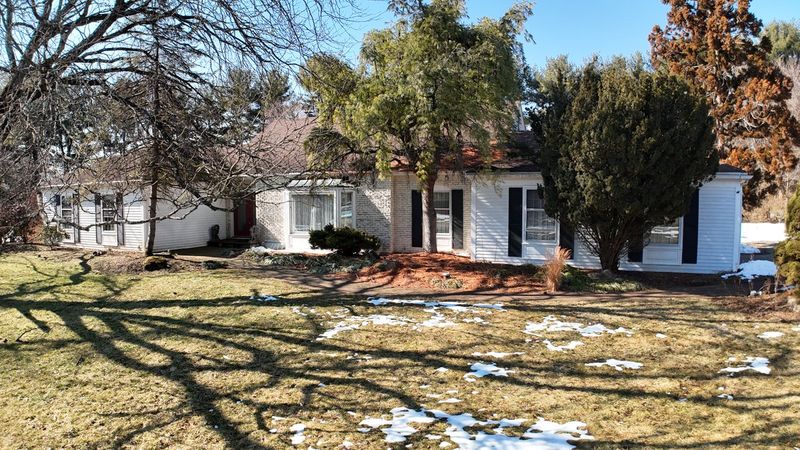
Cost depends heavily on which process you are in. Three routes can look alike but work differently, and one does not automatically lead to another.
The first is a private request for reimbursement. Being able to deal with an encroachment on your own side, as the tree-limb discussion in Jones v.
Wagner shows, does not by itself mean the neighbor must reimburse you. A claim for costs needs its own legal basis.
The second is a state control order. Under the Agriculture Code, the recipient of the order pays for treatment, and a municipality may step in and recover costs if the recipient does not comply.
The costs go to the person subject to the order, not to a neighbor who simply complained.
The third is municipal action under a local ordinance. In North Cornwall Township v.
Konevitch, the township’s lien for removal costs followed notices under its own nuisance ordinance. That outcome tied to one municipality’s code.
So the useful question is not who noticed the plant first. It is which process applies and what that process requires.
Until you know, treat any expectation of repayment as unconfirmed.
Document the spread and check local rules
A clear sequence keeps you from guessing. Start by identifying the plant, using a local extension office or a trained professional if you are unsure.
Then record where it grows and how it spreads.
Take dated photos from several angles, and note measurements, damage, and any changes over the seasons. If the property line is in doubt, clarify it before you blame anyone, since a survey can settle what a fence or hedge cannot.
Then talk with your neighbor in a calm, factual way, because many cases end there.
Next, check the current local nuisance or property-maintenance code. Your township, borough, or city office can tell you whether weeds or overgrowth are covered and how complaints are handled.
Local rules vary, and the ordinance in North Cornwall Township v. Konevitch was later replaced, so do not rely on old versions.
Timing matters too. Pennsylvania’s DCNR recommends acting while infestations are small and says larger populations may need carefully targeted herbicide or trained help.
These steps build facts and point to next moves, but they do not guarantee reimbursement. If species, boundaries, or rules stay unclear, ask a local official, extension educator, surveyor, or attorney.
Choose a treatment that will not spread the plant
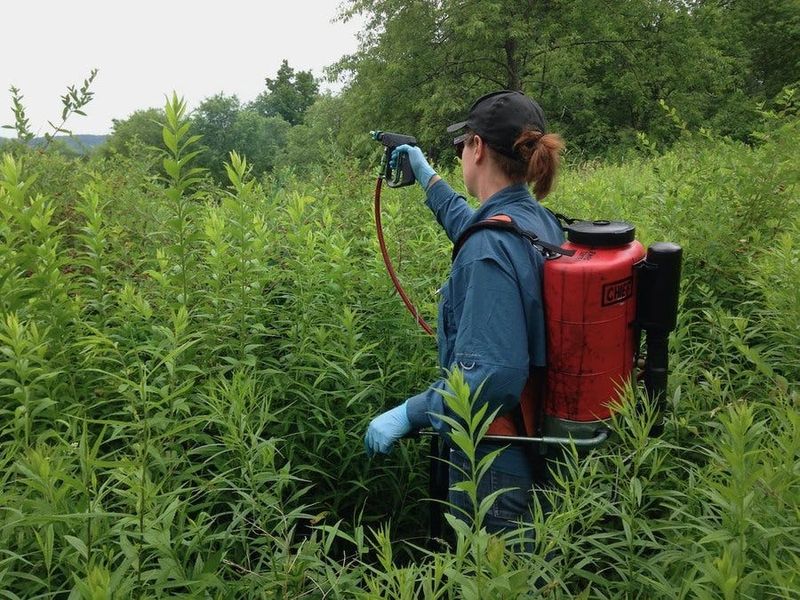
Cutting or digging sounds like the obvious fix, but it can backfire. The right method depends on the species and the site.
A technique that works for one plant can spread another.
Japanese knotweed is a good warning. Penn State Extension says its rhizomes can split when disturbed and the fragments may regrow.
Its guidance describes a multistage control process, with treatments timed appropriately and product labels followed.
Disposal matters as well. Some invasive plants can regrow from small pieces, so they should not simply go in a compost pile.
Follow the guidance in Penn State’s disposal advice and any local rules.
Do not enter a neighbor’s property, spray plants there, or dig out the source without permission or appropriate legal guidance. Self-help on someone else’s land can create its own legal trouble.
If you use an herbicide on your own land, the label is the rule. The EPA explains that labels carry legally enforceable directions.
Take extra care near waterways and desirable plants, and check DEP permit information when water is involved.
Identify the plant before assuming who pays
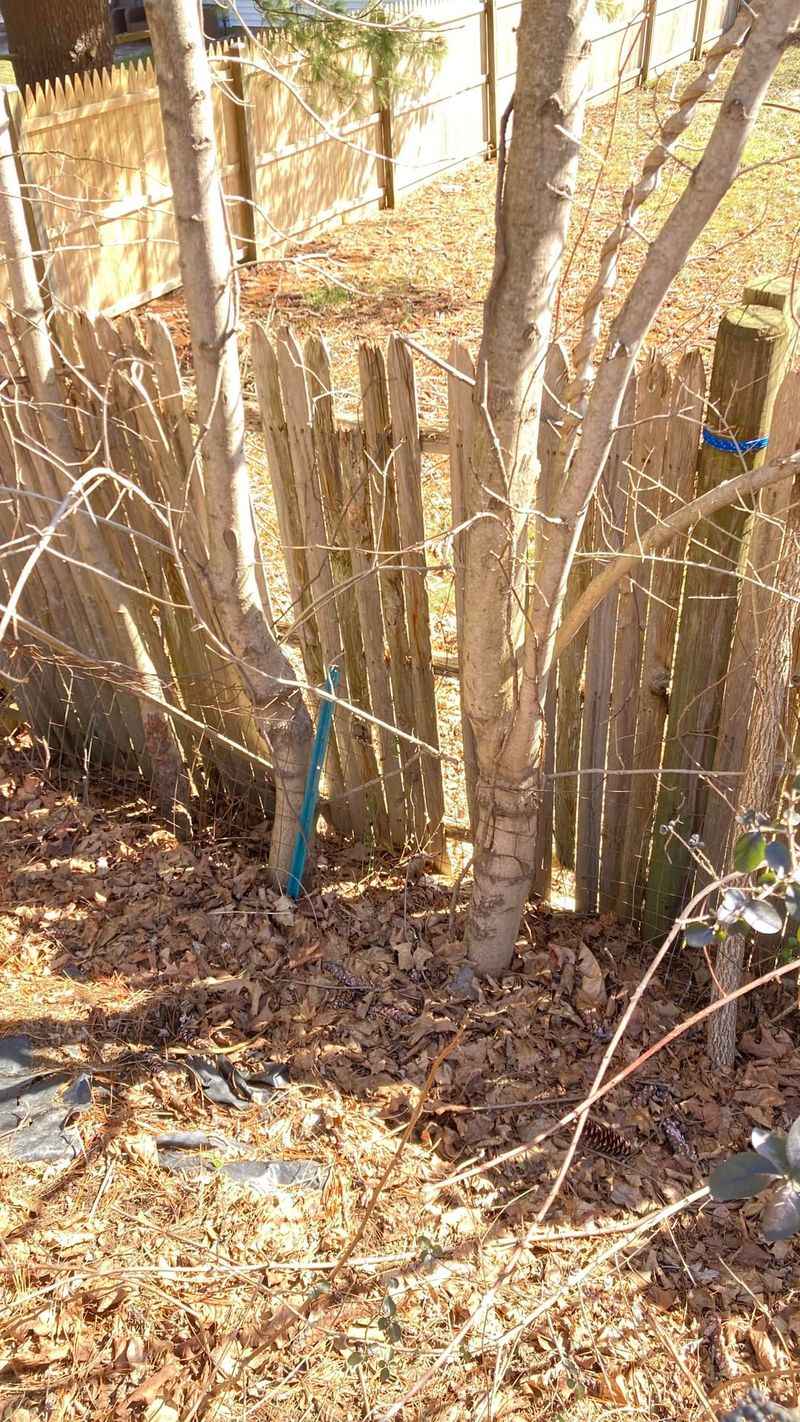
Start with the plant. Name the species, check it against the state noxious weed and controlled plant rules, keep records, confirm the boundary, and read your local code.
Then choose a response that is lawful and suits the plant, using resources like DCNR’s invasive plant guidance.
A plant crossing the line does not assign removal costs on its own. Figure out which process applies before you count on anyone else to pay.
A vine may cross a fence in a night, but the paperwork that decides the bill takes much longer to sort out.
Share this story