
Reach for tape first when a stinging caterpillar brushes your skin, because it may lift away some of the tiny spines left behind. Then wash the area and cool it if it hurts.
The exact order of steps differs a little between trusted North Carolina sources, and knowing which warning signs need help right away matters even more. Here is a calm, practical plan for your next round of yard work.
Use tape to lift away loose spines
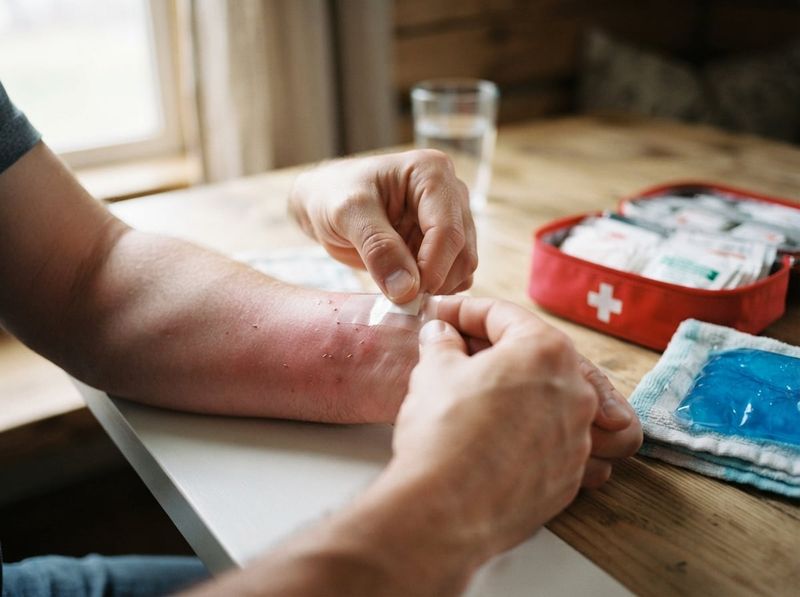
Start with what not to do: never touch or brush a caterpillar off your skin with bare hands. Use a stick, a stiff piece of paper, or another object to flick or lift it away.
Brushing with fingers can push spines deeper or spread them to your hands.
Once the caterpillar is gone, North Carolina Poison Control recommends gently pressing tape onto the affected skin and lifting it away. Repeat with a fresh piece each time, then wash with warm, soapy water.
Press lightly. Rubbing the tape back and forth is not the goal.
Not every source uses that order. NC State Extension’s saddleback-specific instructions say to wash the area first, let it air-dry, and then use adhesive tape to pick off any spines that remain.
Both sources include tape, and neither claims one order works for every person or every sting, so pick the guidance you trust and follow it carefully.
Keep your expectations realistic. Tape may lift some spines, but it will not guarantee that every spine or all of the venom is gone.
University of Kentucky Extension notes there are no really effective home treatments and that tape may remove some broken spines. Think of tape as a helpful removal step, not a cure, and expect that the area may still sting for a while.
Wash the skin and cool it for comfort
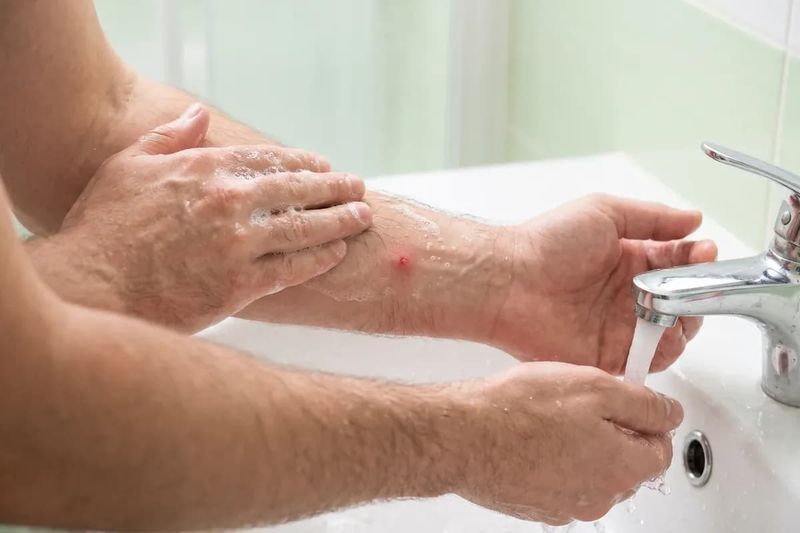
Washing comes right after tape in the North Carolina Poison Control sequence, and it comes before tape in NC State Extension’s saddleback directions. Either way, use warm water and soap, and be gentle.
The aim is to clean the skin and rinse off anything left behind without scrubbing the spot raw.
After washing, a cold pack can help with comfort. Wrap it in a thin cloth or towel so ice never touches bare skin.
Cooling can ease pain or swelling, but it does not pull out spines and it does not treat a severe allergic reaction.
MedlinePlus gives a general schedule for caterpillar exposure of 10 minutes on and 10 minutes off. It also cautions that people with blood-flow problems should use ice for less time.
If you have circulation trouble, ask a pharmacist or doctor how long cooling is safe for you.
Cooling is a comfort step, not a treatment that stops the sting. If you notice trouble breathing, faintness, or swelling of the lips, face, or tongue, skip the ice and get emergency help, as Poison Control advises for serious reactions.
Know what skin reactions to expect
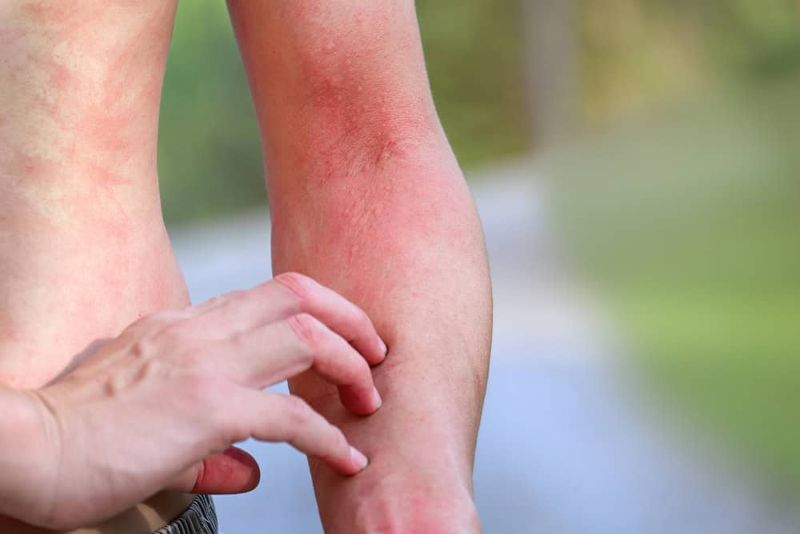
Most reactions stay on the skin. Common effects include pain, burning, itching, redness, and swelling at the spot of contact.
North Carolina Poison Control lists these as the usual local signs.
Saddleback contact can feel sharper than people expect. NC State Extension says it can cause immediate pain that may spread toward nearby lymph nodes, and redness or swelling can last more than a week.
A slow recovery does not by itself mean something is wrong, though it is worth watching.
Less common effects include nausea, headache, or hives, according to Poison Control. Not every sting causes them, so there is no need to expect the worst.
If they show up, though, take them seriously and call for advice.
For itching, hydrocortisone cream or an oral antihistamine may be options when they are appropriate for you. They are only for symptom relief, and they do not remove spines.
University of Kentucky Extension cautions that antihistamines are often ineffective for caterpillar stings, so they may not help everyone. A pharmacist can help you choose what fits your health and any medicines you take.
Call 911 for signs of a severe reaction
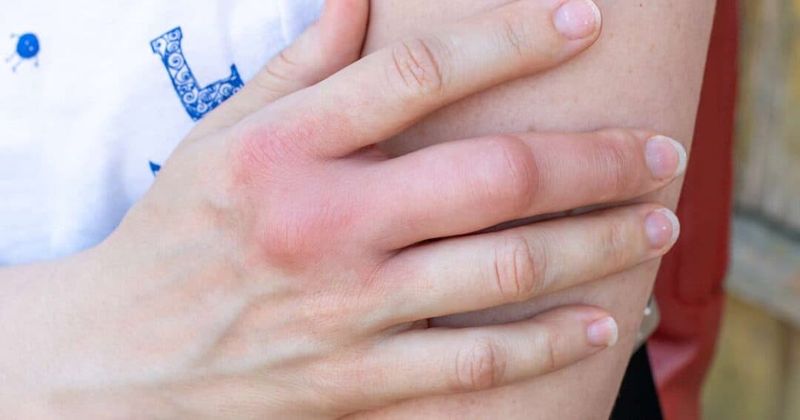
Some symptoms are not ordinary garden-sting discomfort. Call 911 for difficulty breathing, fainting, or swelling of the lips, face, or tongue.
Poison Control lists these as signs that need emergency care.
Picture the difference this way. A red, sore patch on your arm is a local reaction.
A tight throat or swollen mouth after a sting is a different story, even if the skin looks fine.
When those signs appear, do not stop to wash, tape, or cool the area first. Home care, including a cold pack, should never delay emergency help.
Make the call, and if someone is with you, ask them to stay close until help arrives.
If you are unsure whether a symptom is serious, North Carolina Poison Control is available for exposure questions. Trust your gut.
Asking for help early is never a mistake.
Rinse eye exposure and contact poison control
Eyes need a different response. If a caterpillar or its spines may have touched your eye, rinse with water right away.
Then contact poison control, and seek medical care if irritation persists, as Poison Control advises.
For exposure questions in North Carolina, call 1-800-222-1222. North Carolina Poison Control lists that number for caterpillar exposures.
Keep it saved in your phone before garden season gets busy.
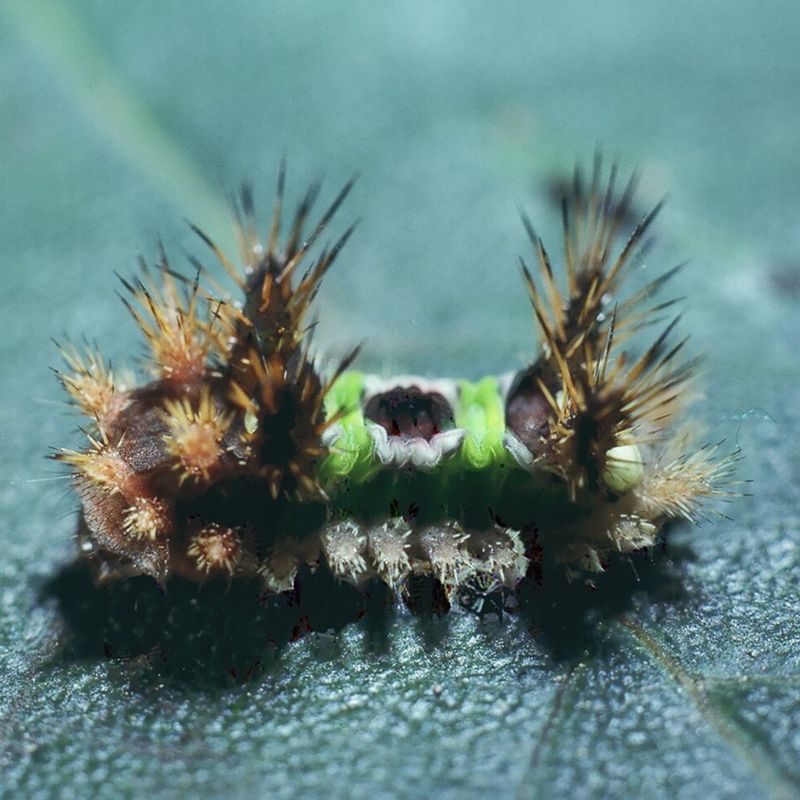
You may wonder which caterpillar got you. Resist the urge to pick it up for a closer look.
Handling it can lead to more stings, and a photo from a safe distance is a better choice.
Also remember that a rash alone cannot confirm which species caused it. The same first-aid ideas apply to stinging caterpillar exposures in general, as MedlinePlus describes, so you do not need a name to start caring for the skin.
Know what local timing can—and cannot—tell you

Timing can help you stay alert, but it has limits. North Carolina Poison Control describes caterpillar stings in general as most common in late summer to early fall and found statewide.
That makes late-season yard work a good time to wear gloves and long sleeves.
That statement covers caterpillars as a group. It does not describe a documented peak for saddlebacks specifically.
NC State Extension says saddlebacks do occur in North Carolina, but normally in very low numbers in landscapes.
So a sting in September does not tell you a saddleback was responsible. Many kinds of stinging caterpillars can cause similar pain, and a rash is not enough to name the species.
The first-aid steps from Poison Control work the same way no matter which one it was.
Season is a reason to be careful, not a way to solve the mystery. Gloves are a better clue-finder than a calendar.
Share this story