A tiny, mole-like hunter with toxic saliva can turn up in North Carolina yards that offer enough cover, and it uses that saliva to subdue its prey. The animal is the short-tailed shrew, and venom is not just for snakes and spiders.
Researchers have studied the toxin closely in one species, while the story for the other is less settled. Here is what is known, what is not, and what to do if one ever bites you.
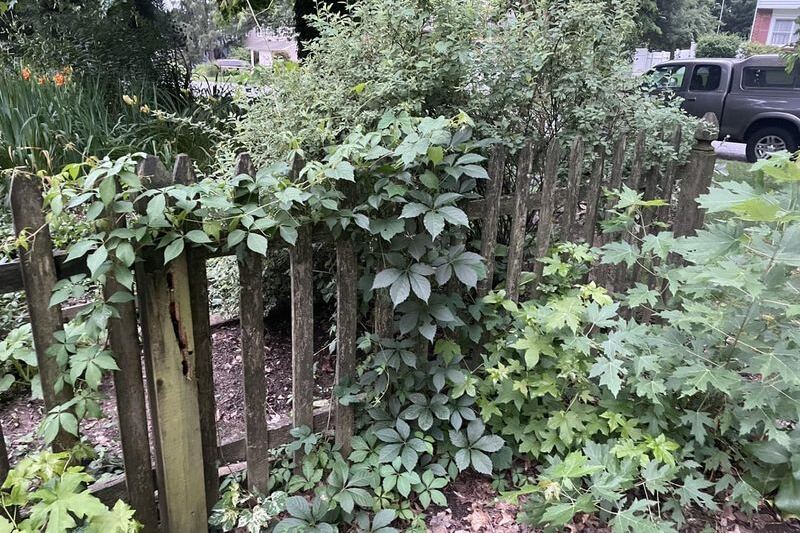
Leaf litter and brush can make a yard suitable habitat
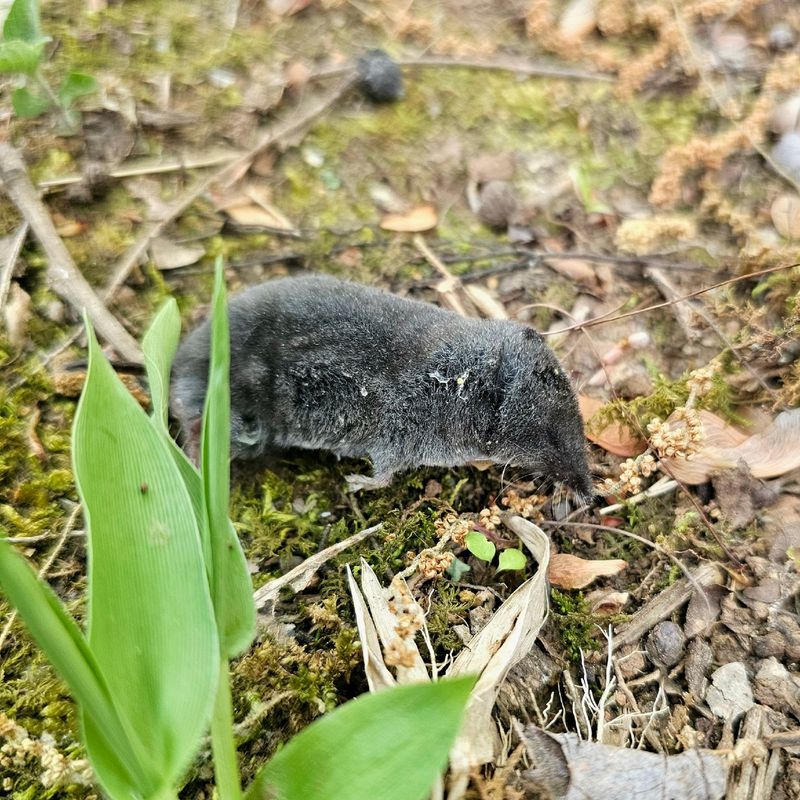
Two kinds of short-tailed shrew live in North Carolina. State mammal accounts describe the northern short-tailed shrew as ranging over essentially the whole state, while the southern short-tailed shrew is widespread in the Coastal Plain and much of the Piedmont.
Both animals favor cover. The state accounts list forests, thickets, brushy areas and fields as habitat, and the southern species spends much of its time in leaf litter, where it is hard to spot.
A yard with a deep layer of fallen leaves, dense shrubs or a wooded edge offers the kind of hiding place a shrew can use.
That makes an encounter plausible, and there is a real example. Durham County records include a southern short-tailed shrew found in a backyard with leaf litter and woods nearby.
One backyard record shows what can happen. It does not show how often shrews visit yards across the state.
Nothing in the sources suggests they commonly cross open lawns or pose a threat to yards in general. A shrew may turn up where the cover is right, and most people will never see one because the animals stay hidden under leaves, logs and brush.
So if you have a leafy corner or a woodsy border, it is a reasonable place for one to pass through, quietly and mostly unnoticed.
A shrew, not a mouse
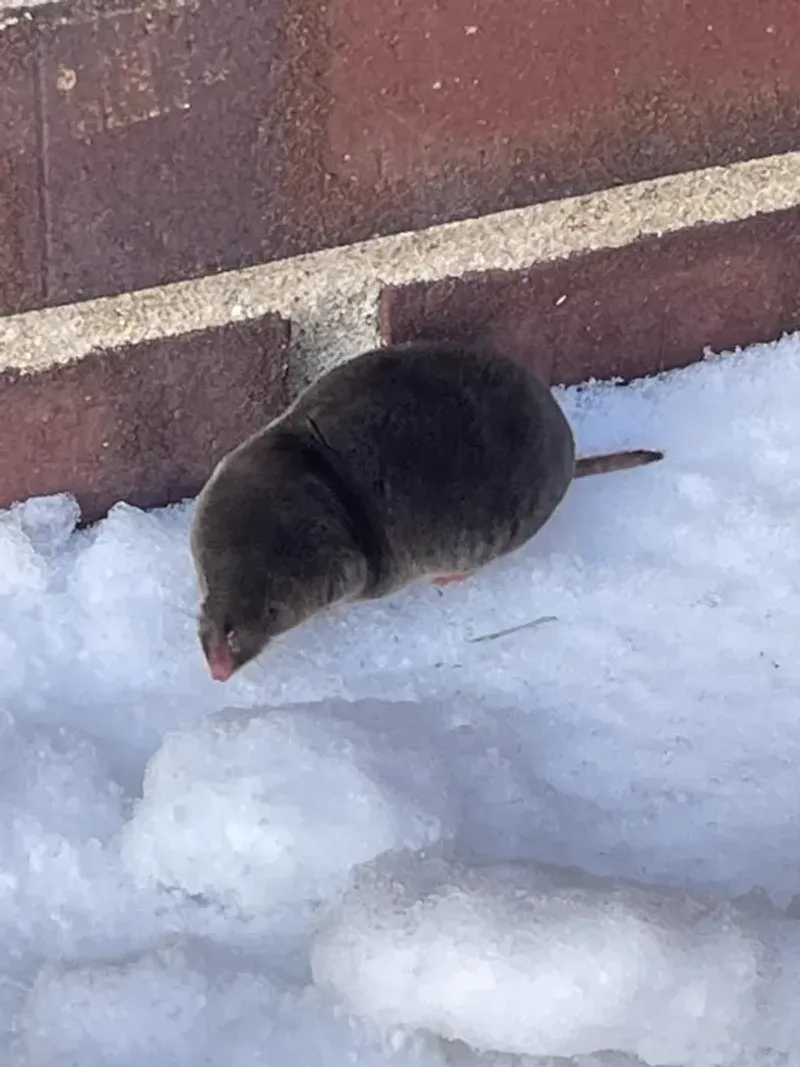
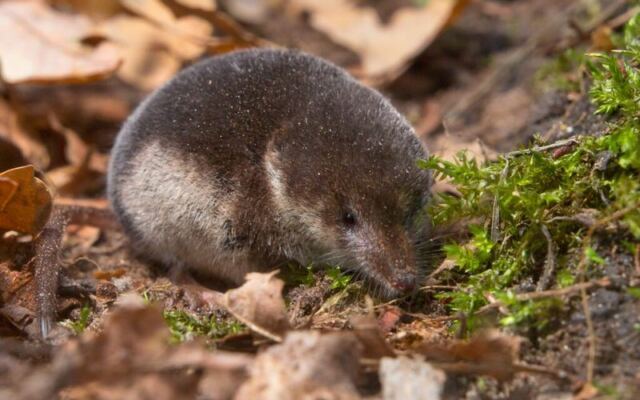
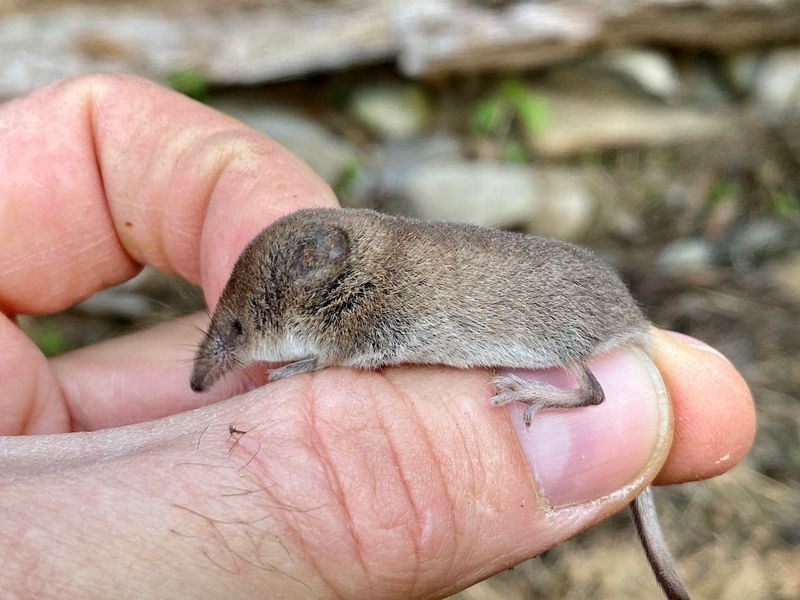
Picture a small gray animal with velvety fur, a pointed snout, tiny eyes and a short tail. Many people call it a mouse, but it is a shrew.
If you say mouse-sized, treat that as a comparison of looks only, not a classification.
Shrews are not rodents. They belong to a separate group of small mammals that hunt insects, worms and other small animals instead of gnawing seeds and grain.
Size is where the headline needs care. The whole animal is not shorter than a thumb.
The U.S. Forest Service’s guide to mammals of the South reports the southern short-tailed shrew at roughly 79 to 123 mm (3.1 to 4.8 inches) in total length, and it weighs about 8 to 15 grams.
That range applies to the southern species. Do not assume the same numbers fit the northern species exactly.
The state’s species account for the southern shrew describes it as a secretive animal that is hard to detect.
A very small mammal with a lot of appetite is a fair summary. It is tiny, but a few inches from nose to tail is more than a thumb.
Researchers have characterized toxin in the northern species
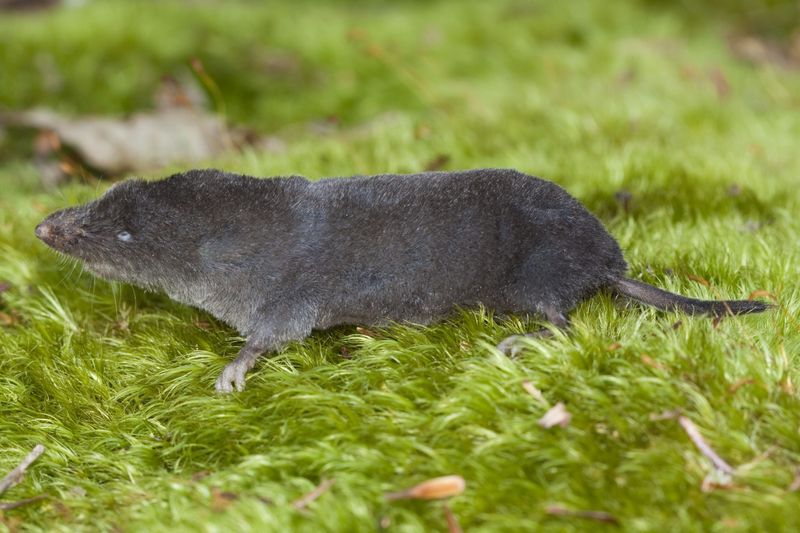
The strongest science on shrew venom comes from the northern short-tailed shrew, Blarina brevicauda. In a peer-reviewed study, researchers purified blarina toxin from the animal’s salivary glands and reported that it was toxic to mammals.
That is why the word venomous fits. Toxic material is delivered through a bite, and it can affect the animal being bitten.
For a shrew, that means prey such as insects, worms and other small animals can be slowed or subdued.
Later work took a wider look. A multi-omic study of the northern short-tailed shrew’s venom described it as relatively simple for an animal that eats such a varied diet.
Notice what these findings cover. They describe effects on prey and on test animals in a lab.
They do not show that a shrew poses a snake-like risk to people, and nobody should read them that way.
They also apply to the northern species. The same direct work has not been shown for the southern shrew in the sources reviewed, which the next section explains.
North Carolina has two hard-to-tell-apart species
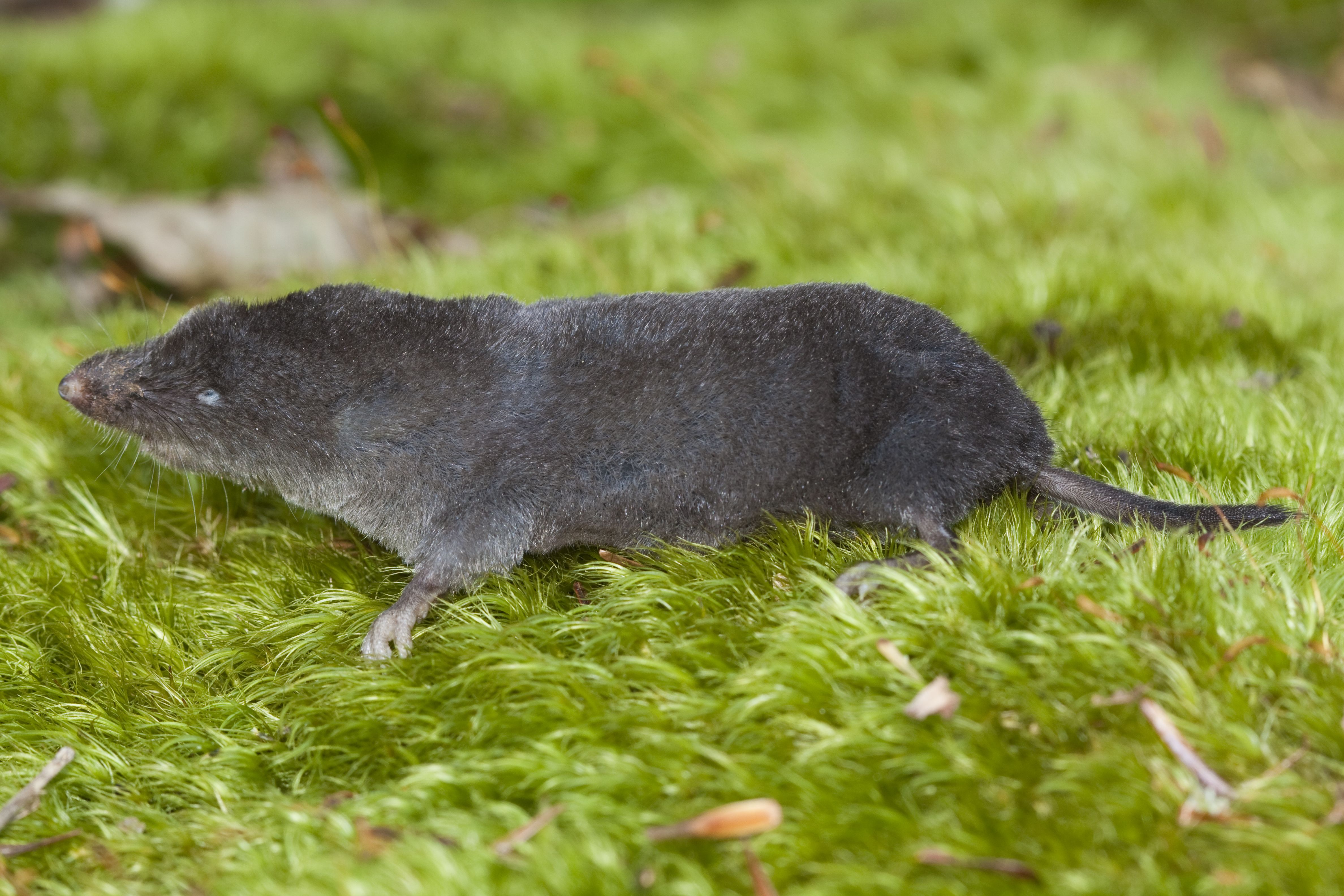
North Carolina has the northern short-tailed shrew (Blarina brevicauda) and the southern short-tailed shrew (B. carolinensis). They look alike, and their ranges overlap.
The state’s northern shrew account warns that the two are difficult to tell apart, even from photographs.
So a sighting will not tell you which one you saw. The southern shrew account describes it as widespread in the Coastal Plain and much of the Piedmont, but a simple map that splits the state neatly between the two would be misleading.
The venom evidence differs between them. The direct toxin work, including the study that isolated blarina toxin, concerns the northern species.
The southern shrew is often described as venomous. Direct confirmation is less clear, though.
The University of Michigan’s Animal Diversity Web account says the test had not been performed for that species.
Since you cannot tell them apart by sight, the safest habit is the same for both: treat any short-tailed shrew as a wild animal with a potentially toxic bite and leave it alone.
What the evidence says about bites to people
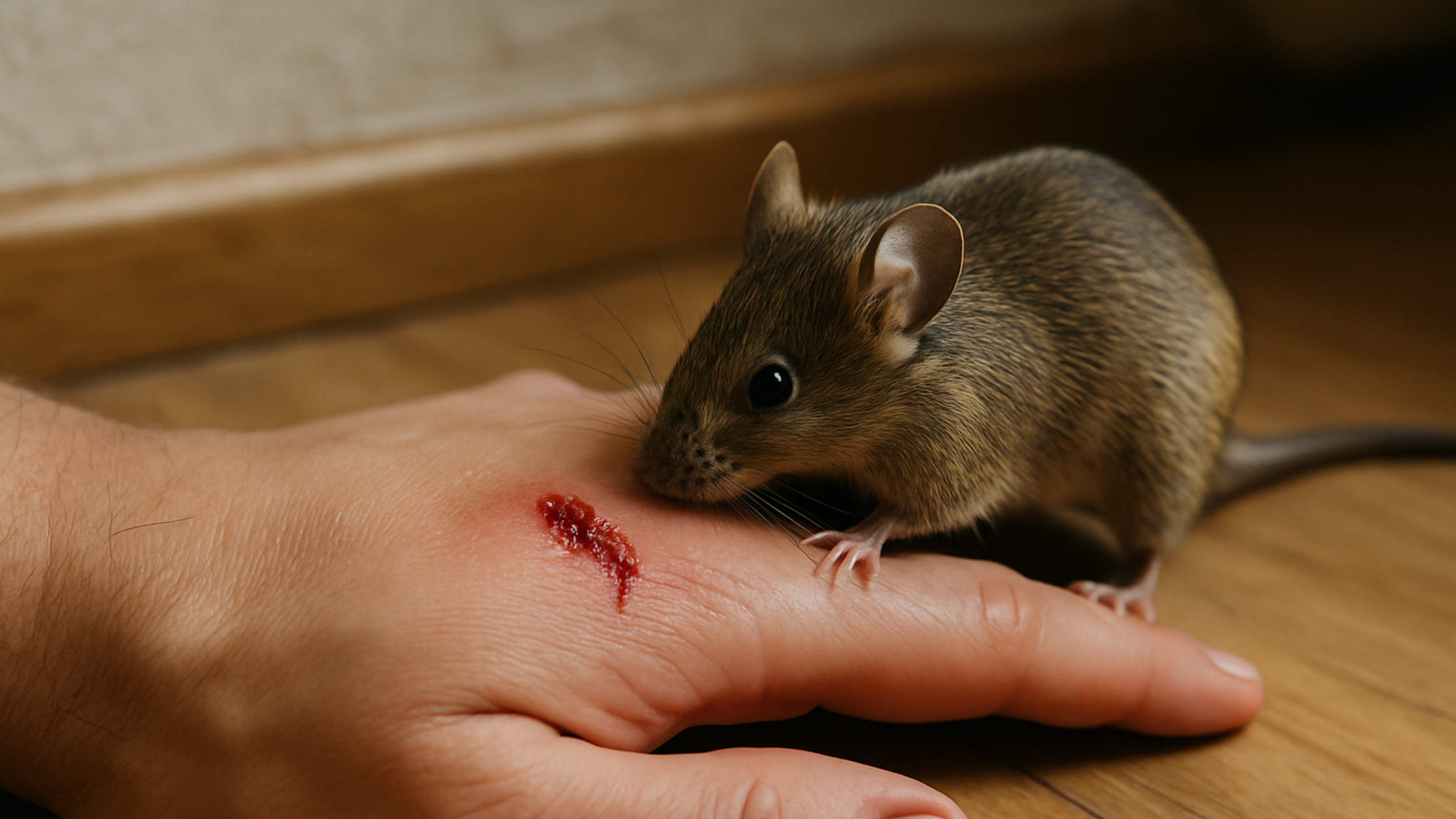
Lab results are one thing, and a bite on a human hand is another. The study that isolated blarina toxin also cites human bite descriptions that report local burning and swelling.
Those descriptions are not a clinical study. Nobody has measured how bad a typical bite is or how often symptoms appear, so the sources cannot say how severe a bite usually gets.
This leaves a middle position. Calling a bite harmless would be too strong, and so would warning of a snake-like danger.
Sources reviewed describe local effects such as burning, pain or swelling, and they do not document a human death from a North American short-tailed shrew bite.
Better wording is that these shrews are not known to be dangerous to people, which is different from a promise of zero risk.
The species question still applies. The southern shrew is often described as venomous, but its species account says the test had not been performed.
A bite from either shrew should be treated with the same care.
Keep your distance and get advice after a bite
The simplest rule is not to handle a shrew. CDC guidance on wildlife says keeping your distance is the best way to prevent bites and scratches.
If a cat leaves one on the porch, use a shovel or thick gloves for cleanup and keep children and pets away.
If you are bitten, wash the wound promptly with soap and running water. Then contact a healthcare professional or your local public-health department for advice on wound care and whether a rabies assessment is needed.
CDC says to seek medical attention for concerning wounds, and it notes that rabies decisions depend on the animal and the exposure. A bite from a wild animal is a good reason to ask.
You may come across CDC’s rabies decision chart, which treats small rodents differently from other mammals. Shrews are not rodents, so do not stretch that guidance into a shrew-specific answer.
Let a professional make that call.
A creature that fits in your palm still deserves a little respect, and the best way to give it is to let it keep hunting beetles under the leaves.
Share this story