When the first hard frost hits Pennsylvania, mice start looking for a warm place to spend the winter, and your kitchen looks like a five-star hotel to them. A mouse can squeeze through a gap the size of a dime, so keeping them out takes more than closing the door.
The good news is that mice have a powerful sense of smell, and certain scents send them running the other way. Here are seven smells you can use to make your kitchen the last place a mouse wants to be.
1. Peppermint Oil
Grandmothers across Lancaster County have sworn by it for generations, and there is real science behind the habit. Peppermint oil contains menthol, a compound that irritates the sensitive nasal passages of mice.
To a creature that finds food and danger mostly by smell, a strong whiff of mint is like a fire alarm going off.
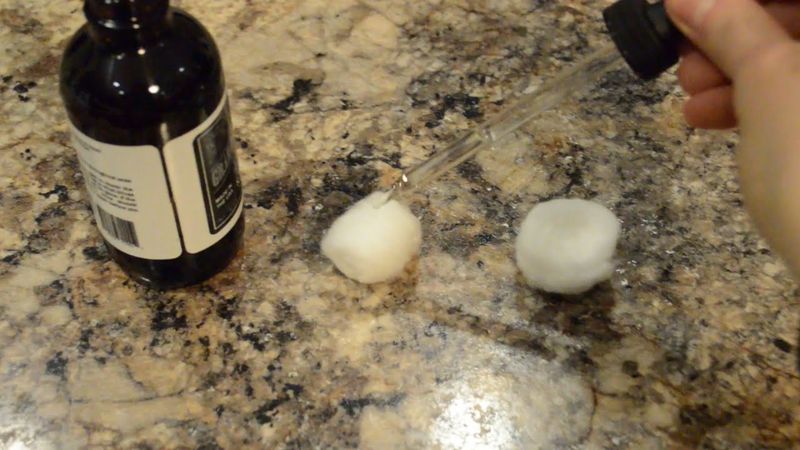
Soak a few cotton balls with pure peppermint oil and tuck them behind the stove, under the sink, and near any gaps along baseboards. Refresh them every week or so, because the scent fades faster in a heated home.
Pure oil works far better than mint extract from the baking aisle.
Bonus: your kitchen will smell like a candy cane all winter long.
2. Cayenne Pepper
Ever rubbed your eyes after chopping hot peppers? Now picture that burn hitting a nose much smaller and more sensitive than yours.
Capsaicin, the fiery compound in cayenne, makes mice sneeze and retreat.
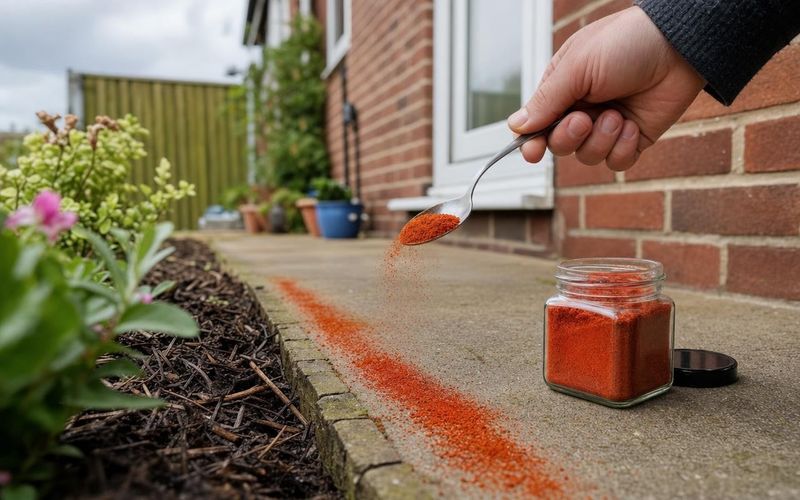
A light dusting along entry points like the back of cabinets or the space under the dishwasher can send a clear message. Some folks mix cayenne with water and a drop of dish soap to make a spray for cracks and corners.
Keep it away from spots where pets or small children play, though. The same heat that bothers mice can sting curious paws and fingers too.
3. Clove Oil
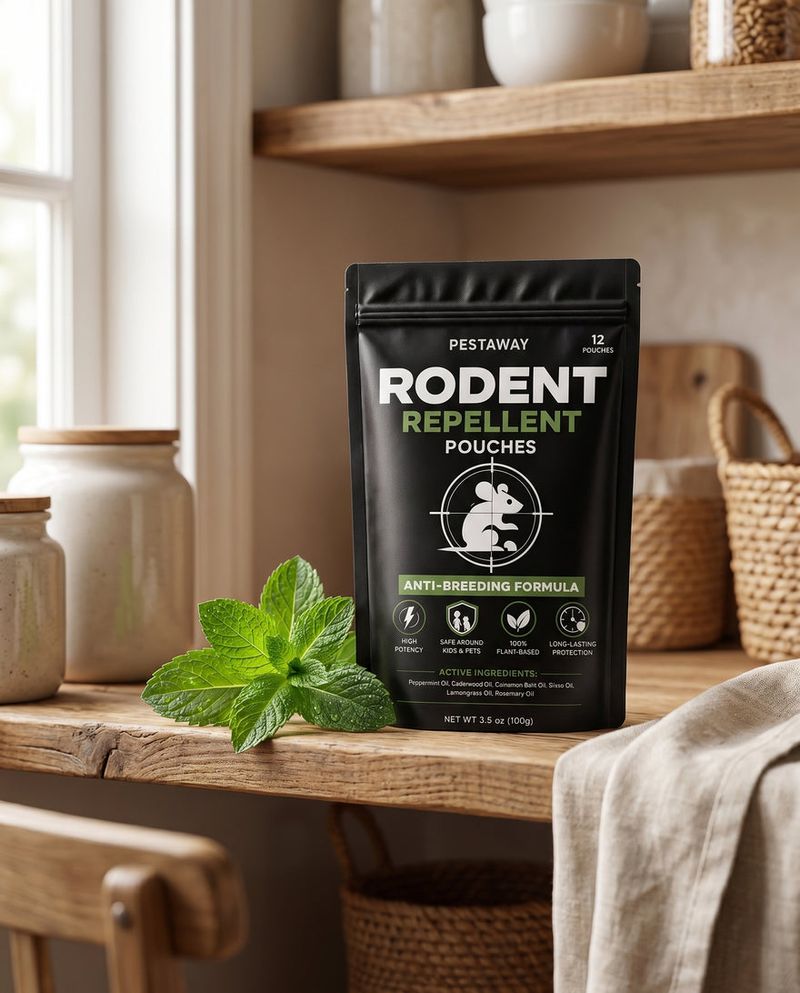
Clove has a warm, spicy scent that most of us connect with holiday ham and pumpkin pie. Mice feel very differently about it.
Its main ingredient, eugenol, is so strong that rodents avoid areas where it lingers.
Whole cloves wrapped in small cloth bags make tidy little guards for pantry shelves. For a stronger punch, dab clove oil on cotton and place it in drawers where crumbs tend to collect.
Fun fact: cloves were once so valuable that they were traded like gold in medieval Europe. Today they cost a couple of dollars and protect your flour bin.
4. Ammonia
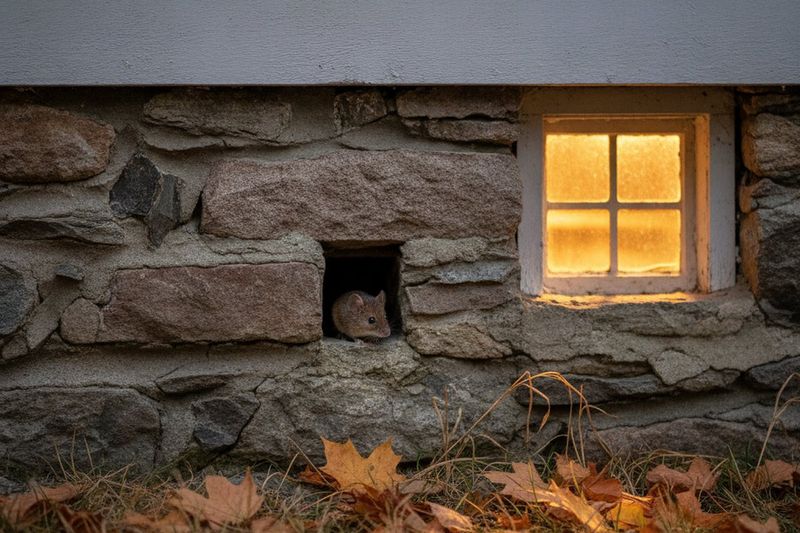
Here is a sneaky trick: ammonia smells a lot like the urine of predators. When a mouse catches that sharp odor, its instincts scream that a fox or cat lives nearby.
Few mice will stick around to find out.
Pour a little ammonia into shallow lids and set them in basements, crawl spaces, or garages that connect to your kitchen. These are the routes many Pennsylvania mice use as winter sets in, especially in older stone homes.
Use caution. Never mix ammonia with bleach, and keep it out of living areas where fumes can bother people.
Think of it as a heavy-duty option for the far edges of your home.
5. White Vinegar
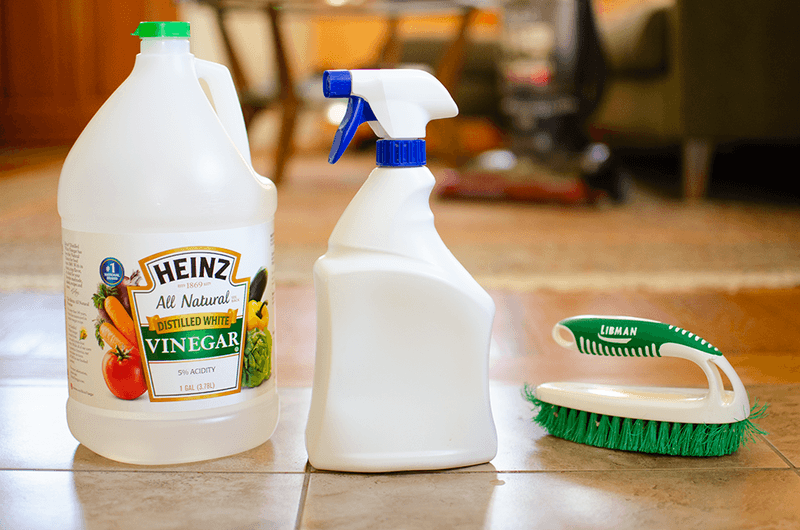
Cheap, safe, and probably already in your cupboard. White vinegar has a sour bite that mice dislike, and it does double duty as a cleaner.
That second job matters more than you might think. Mice follow scent trails left by other mice, and a vinegar wipe-down erases those invisible road maps.
It also removes food smells that attract them in the first place.
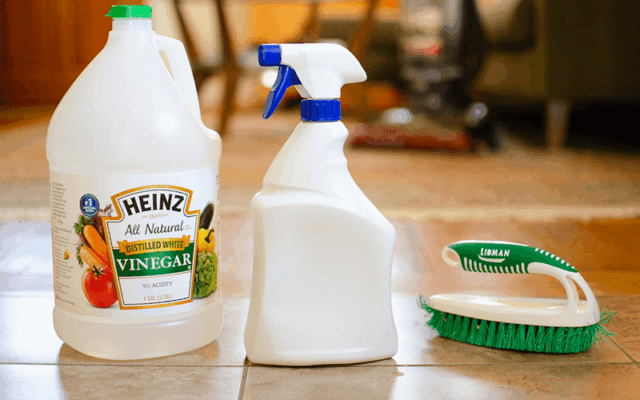
Mix equal parts vinegar and water in a spray bottle. Use it on counters, floors, and the inside of cabinets once or twice a week during the cold months.
The smell fades for people within an hour, but the clean slate keeps working.
6. Eucalyptus
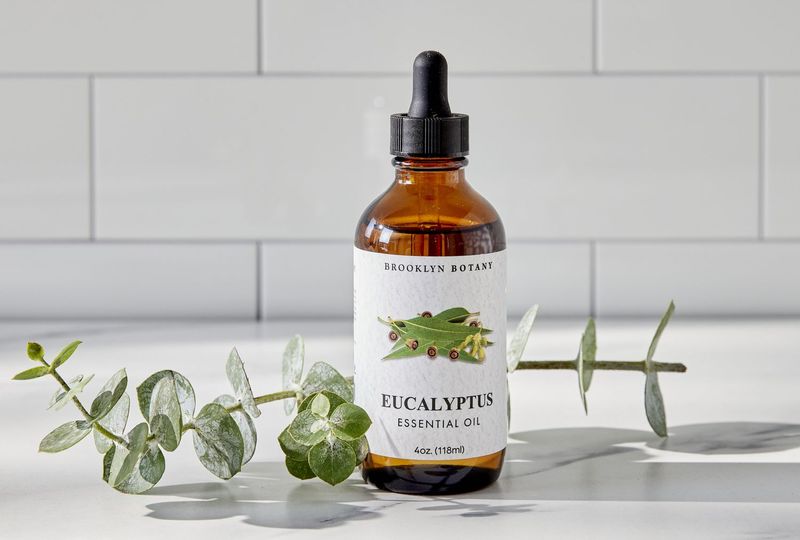
Walk into a room full of eucalyptus and you might feel like you are at a spa. A mouse walking into that same room feels more like it hit a wall.
The crisp, medicine-like scent overwhelms their noses.
Dried eucalyptus bundles look pretty hanging near doors and windows. Eucalyptus oil on cotton works well inside cabinets and behind appliances.
One caution for pet owners: eucalyptus oil can be harmful to cats and dogs, so place it where furry family members cannot reach.
7. Cinnamon
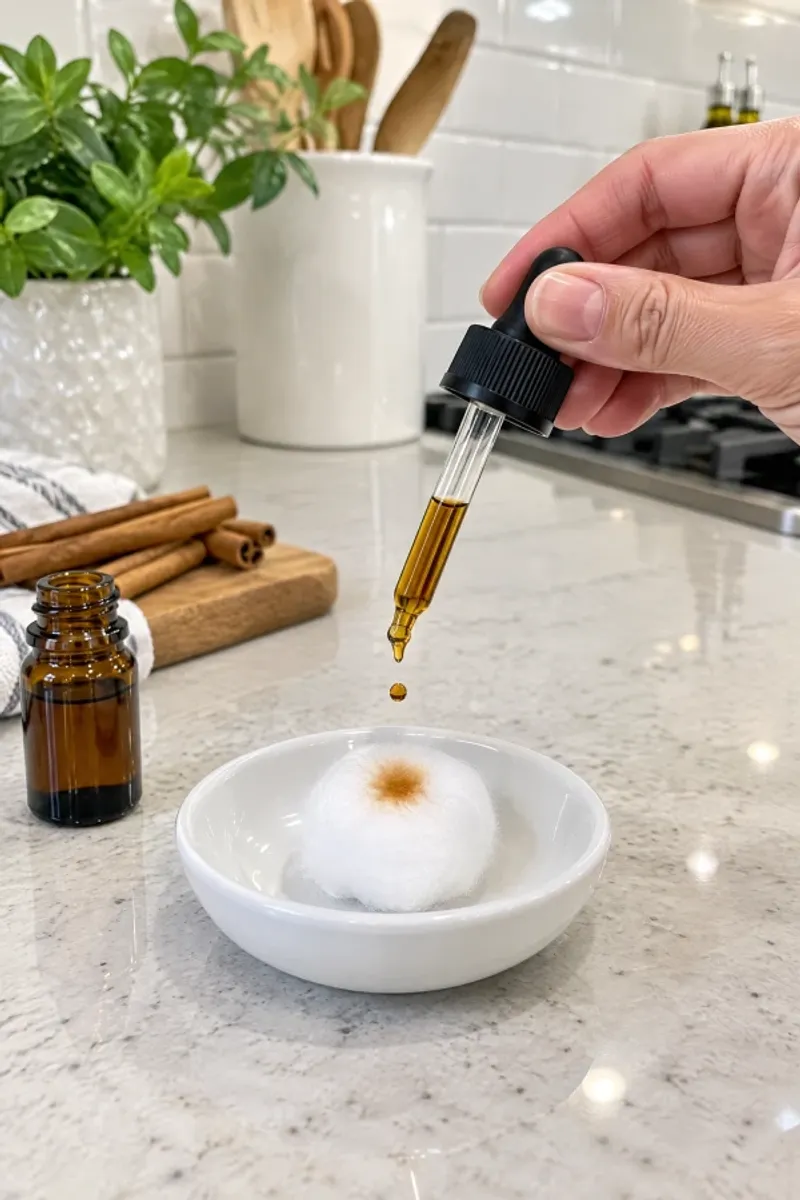
Nothing says a Pennsylvania winter like a kitchen that smells of cinnamon rolls. Lucky for you, that cozy scent is one mice would rather avoid.
Its strong, spicy oils are tough on their noses.
Sprinkle ground cinnamon along thresholds, or tuck cinnamon sticks into corners of the pantry. Cinnamon oil gives a longer-lasting effect if you want something stronger.
Scents work best as one part of a plan. Seal gaps with steel wool, store food in sealed containers, and keep crumbs cleaned up.
Pair those habits with these seven smells, and your kitchen can stay mouse-free until spring.
Share this story