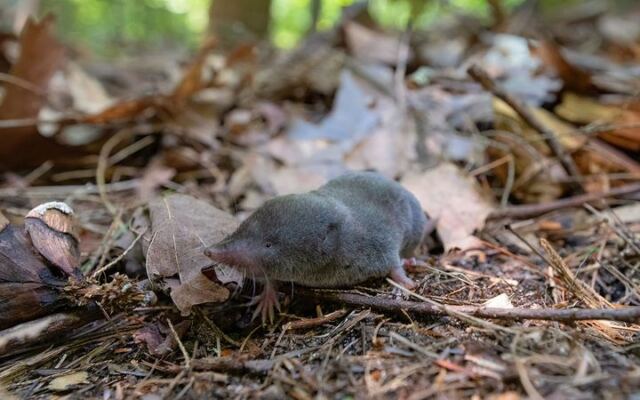
The northern short-tailed shrew is a venomous mammal, and it stays active through New York winters. Its saliva carries toxins that help it take down prey much larger than a typical insect.
It hunts mostly out of sight, in tunnels and cozy pockets under snow and leaves. Here is what scientists know about this small animal, what they do not, and how to stay safe around it.
What New York records establish
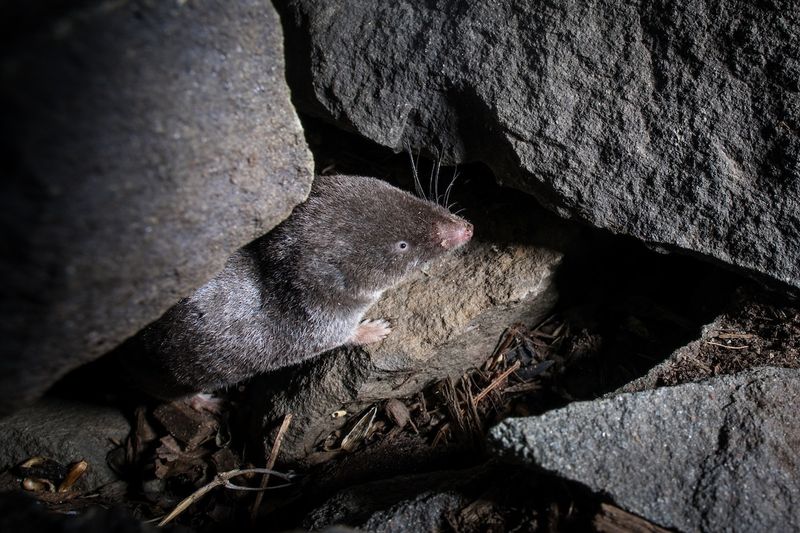
Scientists have documented the northern short-tailed shrew, Blarina brevicauda, in New York. A species account from SUNY College of Environmental Science and Forestry describes it as widespread across the eastern United States and lists it among the mammals of Adirondack habitats.
Another record comes from the Hudson River floodplain. A field study hosted by the New York DEC recorded the species there during small-mammal surveys.
Taken together, these sources place the shrew in forests and river lowlands in different parts of the state.
Here is the part that is easy to miss. Those records show the animal lives in New York, but they do not measure how often it turns up in residential yards.
Nobody has counted shrews in backyards across the state, so there is no solid number for how common a yard visit might be.
That gap matters for how you read the headline. It is fair to say a venomous shrew lives in New York and that yards with leaf litter, brush, or garden cover could plausibly suit it.
It would be a stretch to say one lives in your particular yard.
Think of the records as a map of the neighborhood, not a guest list. The species belongs to the state’s wildlife, and the habitat it likes, such as damp ground with plenty of cover, exists in many places where people live.
A brief glimpse may not identify a shrew
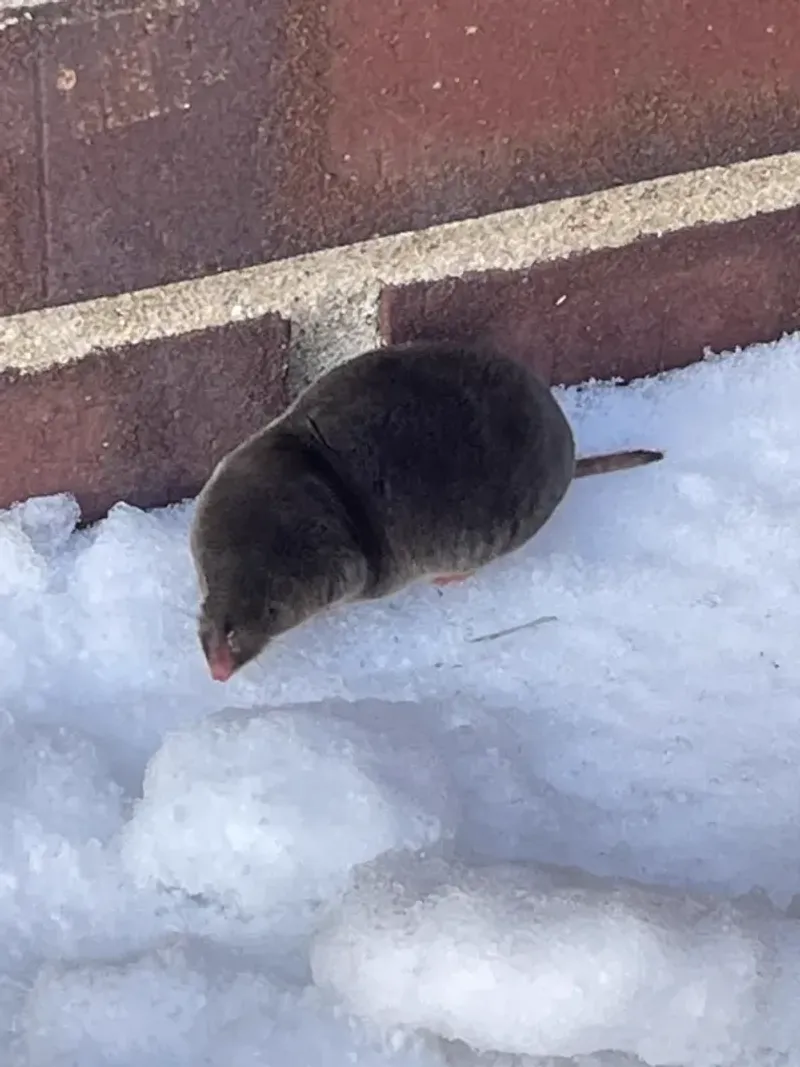
A flicker of gray fur dashing across a garden path leaves little to go on. Still, a few clues can help you narrow things down.
A University of Connecticut field handbook gives the northern short-tailed shrew a total length of about 100 to 132 millimeters, roughly 4 to 5.2 inches.
The tail is short compared with the body, and the fur is a dark slate color. Add a narrow, pointed snout and tiny eyes, and you have the general look of the animal.
Those details are clues, not proof. Other shrews can look similar, and mice and voles can fool a quick observer too.
A glimpse of something small and dark is not enough to be confident about which species you saw.
If you want a better look, take a photo from a distance or watch quietly for a moment. Zoom in later on a phone or camera, and compare the tail length and color with a field guide.
Please do not pick up, trap, or touch an animal to figure out what it is. Handling is the situation most often linked to shrew bites, and a closer look is never worth that.
Being comfortable with a little uncertainty is the safest way to enjoy small wildlife.
Venom helps it subdue small prey
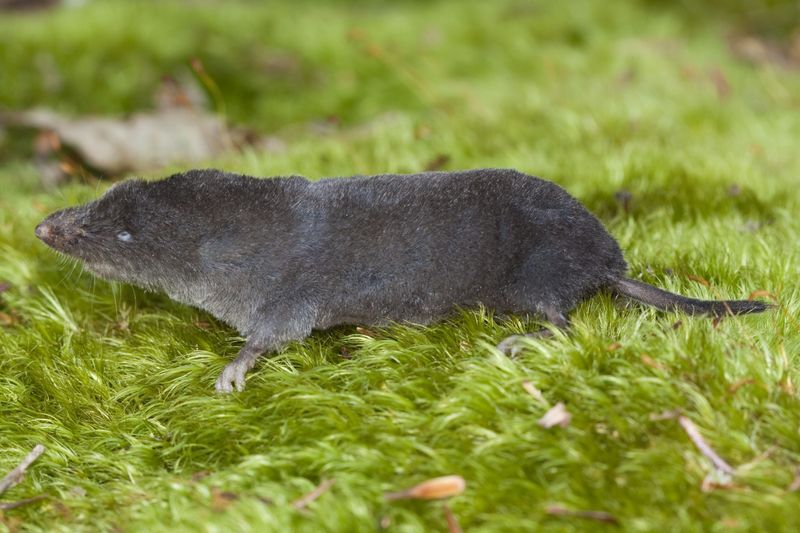
Few mammals carry venom, and this shrew is one of them. Its saliva contains a toxin that researchers named blarina toxin, and a peer-reviewed paper isolated and described this protein from the salivary glands.
In laboratory tests, it had toxic effects on test animals.
The venom works as a hunting tool. The shrew eats invertebrates such as worms, insects, and snails, and it also takes small vertebrates.
The Adirondack species account describes its diet, and venom helps the shrew subdue prey that might otherwise get away or fight back.
A 2020 study of venom composition looked closer at what the saliva contains. The finding is that this shrew has a real chemical toolkit for its size, which is part of what makes it so interesting.
Notice what this research is about, though. It focuses on prey animals and laboratory test animals, not on people.
It gives no sign that the shrew goes looking for humans or pets.
Reports of human bites are limited. A few accounts describe localized burning and swelling, but there is not enough information to describe a typical bite or to say how often one happens.
Venom here is best understood as a feeding adaptation of a tiny predator.
Where it finds shelter in winter
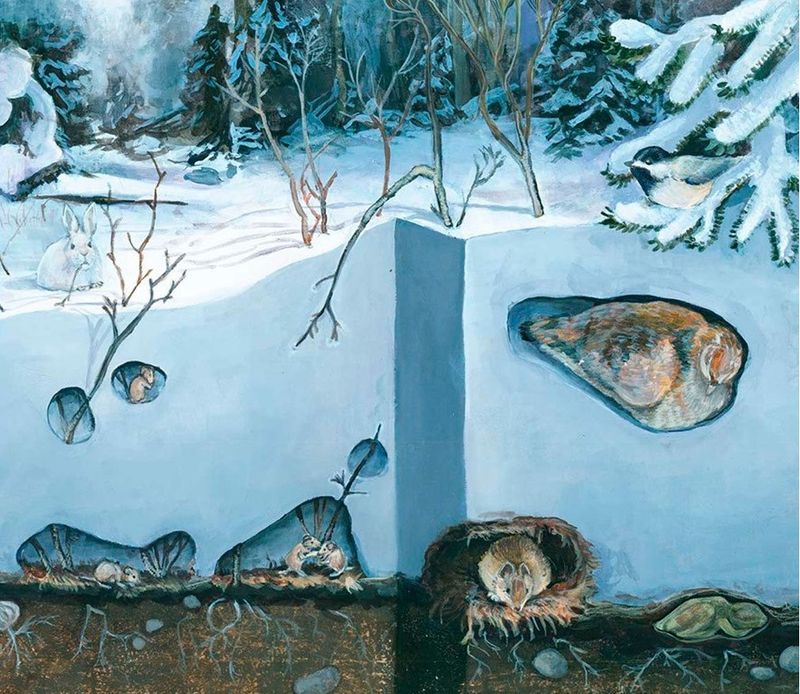
Snow can look like a blanket over a silent landscape, but underneath it is often busier than you would guess. A study of winter survival in the short-tailed shrew describes the species as winter-active, foraging in a comparatively stable thermal regime.
In plain terms, it hunts where temperatures swing less than they do in open air.
The University of Michigan’s species account says the shrew can tunnel through snow, leaves, and plant debris. That makes sheltered pockets under snow, leaf litter, or plant matter possible places for it to forage.
It does not mean the animal is always there, or that every snowy yard hides one.
The picture of a shrew racing across the top of the snow is less accurate. Its winter life is mostly protected and out of sight.
Winter activity also has limits. The winter study reports reduced activity during cold periods, and an EPA-hosted risk assessment notes possible torpor, a short-term energy-saving state, during harsh winters.
So winter-active is the right phrase, and it should not be stretched to mean nonstop. A shrew may slow down or rest when conditions turn severe, then return to hunting when it can.
Leave the shrew alone
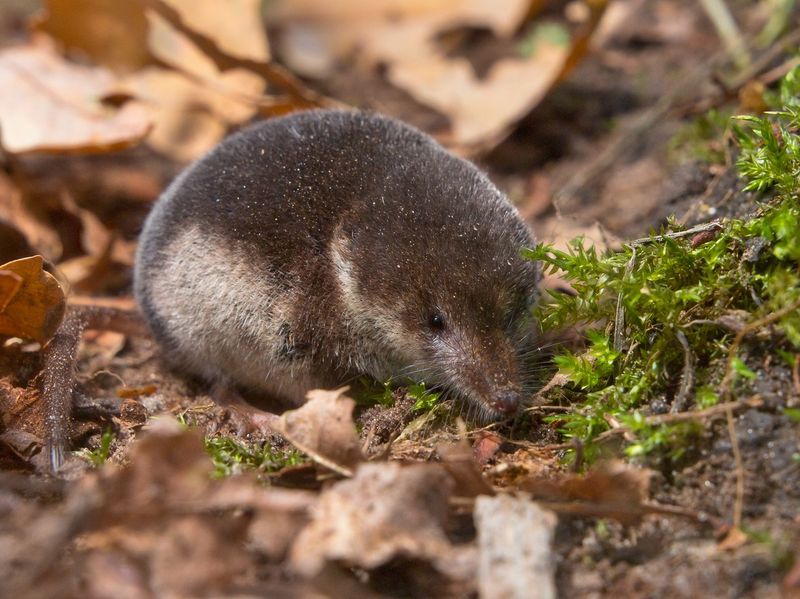
Safety around this shrew mostly comes down to one habit: keep your hands to yourself. The University of Michigan account describes bites as rare and usually tied to handling.
It says pain from a bite may last several days.
Nothing in the sources suggests the shrew chases people or goes after pets. It is a small animal that spends most of its time hunting prey in cover, and it tends to avoid trouble.
A bite is something that happens when a person grabs, traps, or corners it.
The research gives no precise bite risk, and it would be wrong to guess one. A toxin paper mentions human accounts of localized burning and swelling, but the information is thin, so there is no complete medical picture to share.
The CDC’s wildlife guidance is to enjoy animals from a distance and not handle them. That advice fits here.
If you spot a shrew near the garden shed or woodpile, give it space. Keep pets from digging at it, and let it move along on its own.
Calm distance protects both you and the animal.
What to do after a bite
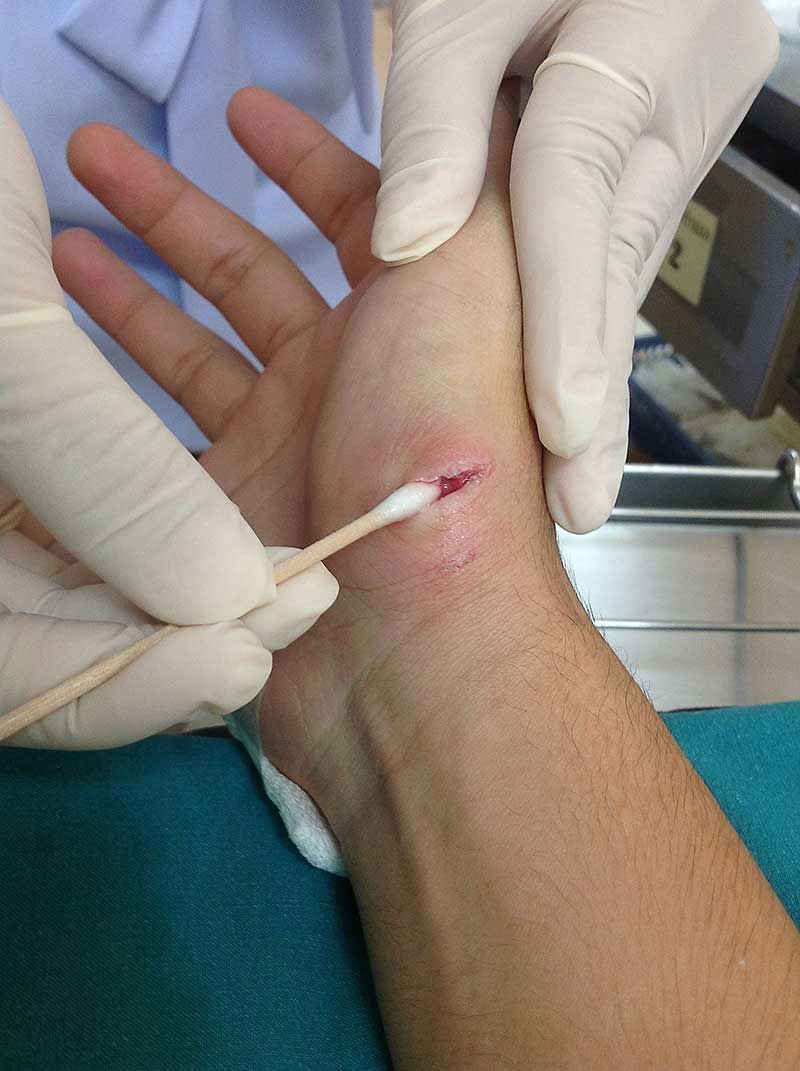
Even careful people can end up with a bite, for example when a pet brings in a surprise or someone moves a pile of leaves and a shrew is caught in a glove. If it happens, stay calm and act quickly.
Start by washing the wound promptly with soap and water. That simple step is part of the CDC’s guidance on wildlife bites, and it is the best first move you can make at home.
Next, watch the area. The CDC advises seeking medical attention for a concerning wound, or if redness, pain, warmth, or swelling gets worse.
A deep or painful wound is a good reason to call a clinic without waiting.
You can also ask a healthcare provider about rabies or tetanus. Bring up when you last had a tetanus shot and describe how the bite happened.
Your provider can tell you whether anything more is needed.
Keep the advice simple and stay away from home remedies. Clean the wound, watch for changes, and ask a professional when in doubt.
A tiny hunter under the snow is best admired from a distance, and a good look through a window beats a close one.
Share this story