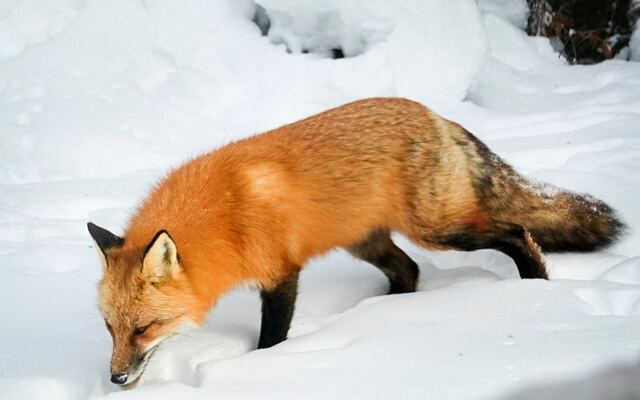
Red foxes do cross North Carolina yards in winter, and their trips usually have ordinary reasons behind them, like hunting, finding food, or moving through their home range. Winter is also mating season, which can keep foxes on the move.
Sightings vary from yard to yard, so one fox crossing your lawn does not tell the whole story. Here is how to make sense of what you see and what to do about it.
Why a yard can fit a fox’s route
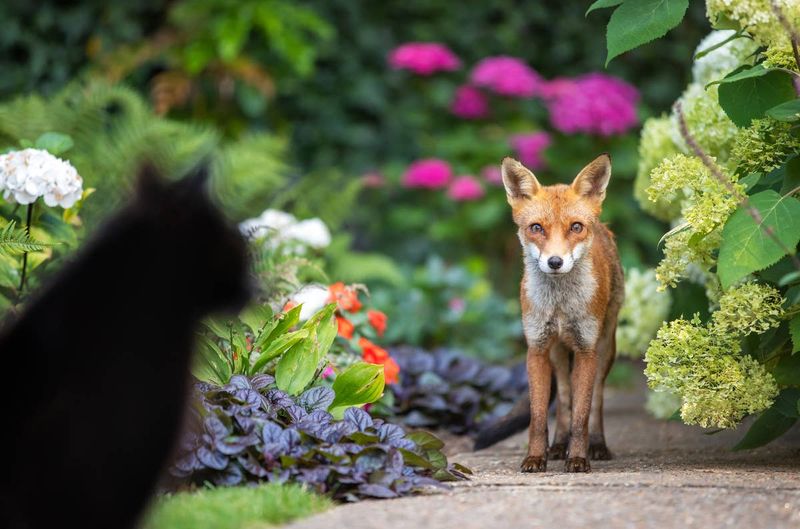
Red foxes are common across North Carolina. They do well in varied places, including farmland, brushy fields and open forest, and they often hunt along the edges where those habitats meet.
According to the North Carolina Wildlife Resources Commission, neighborhoods can offer food and hiding or denning cover too.
Think of a yard less as a destination and more as one patch in a bigger map. A lawn next to a hedgerow, a drainage ditch or a stretch of woods can sit right along a path a fox already uses.
Compost, trash cans, bird feeders and rodents under a shed can all add something useful to that patch.
That does not mean a fox has picked your property out of the crowd. Individual sightings and local conditions vary a great deal from one street to the next.
A fox that trots across your grass tonight may not return tomorrow, and a single glimpse cannot show that it uses your yard all winter.
What you can say is that a yard with cover nearby, food scraps and small animals fits the kind of landscape red foxes use. Knowing that makes a sighting feel less strange and more like a peek at an ordinary neighbor going about its business.
What might bring a fox across the lawn?
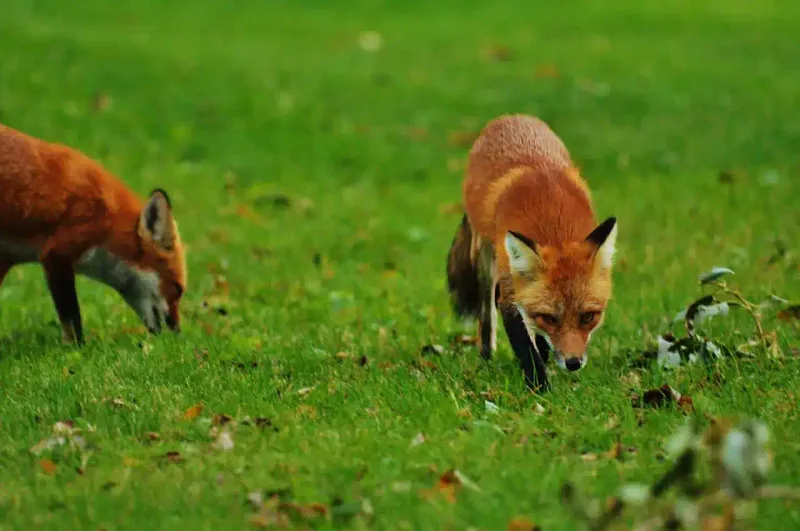
Hunting is one strong possibility. Mice, meadow voles and rabbits make up much of a red fox’s diet in North Carolina, and a lawn bordered by shrubs or tall grass can hold plenty of them.
A fox that stops, tilts its head and pounces may be going after something small you cannot see.
Scavenging is another. Foxes also eat carrion and garbage, so an open trash bin, spilled pet food or fallen fruit can draw a quick visit.
The NCWRC red fox page lists these foods alongside the animal’s more usual prey.
A fox may also just be passing through. Foxes live within a home range, and they patrol it along familiar routes such as fence lines, ditches and the edges of lawns.
A crossing could be one stop in a longer loop.
Then there is marking. Foxes use urine to mark territory, so a fox that pauses at a post or shrub may be leaving a message for other foxes.
Here is the catch. The same crossing could fit more than one of these activities, or none you guessed.
A fox might hunt, sniff around and mark all in a single trip. These are plausible explanations, not confirmed motives for any one animal on any one night.
January adds seasonal context
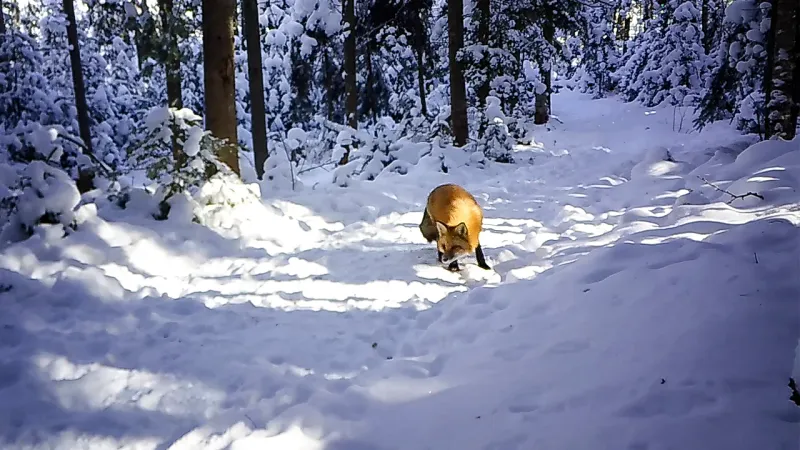
Winter lines up with an important time in a fox’s year. The NCWRC reports that red foxes generally mate in January, and that pups are born from late February through April.
Young foxes then disperse, or head out to find their own areas, in September or October, according to the state’s red fox wildlife profile.
These are general patterns, and they can help explain why foxes sometimes seem busier in midwinter. A fox looking for a mate may cover more ground than usual, which could bring it past your fence.
Still, the calendar is not a schedule for any single fox. A January sighting does not prove that the animal was seeking a mate, and the dates cannot tell you when a local fox will show up.
Weather, food and the layout of the neighborhood all play a part.
The profile was updated in 2017, so treat it as natural-history background rather than a forecast. It gives a useful picture of the fox’s year, but it leaves the details of your own yard to chance.
A crossing does not reveal the fox’s intent
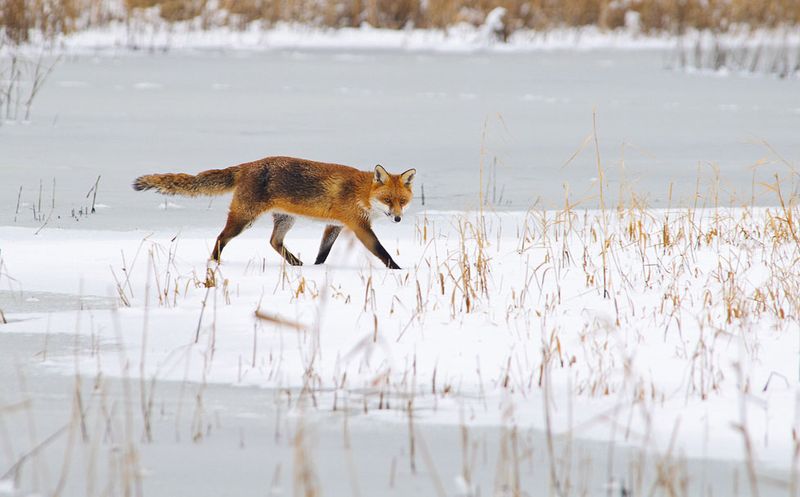
A quick look at a fox rarely tells you why it was there. You see a few seconds of a trip that may have started miles away and may go on for hours.
From that glimpse, nobody can decode the animal’s purpose.
Research on foxes backs up the caution. A study of suburban red foxes looked at habitat use and home range, and it found that foxes can make extensive movements, shift their ranges and take exploratory excursions.
That work was done outside North Carolina, so it is useful context about how varied fox movement can be, not proof of how a particular North Carolina fox behaves.
Picture two foxes crossing the same lawn on the same night. One might be hunting voles, and the other might be exploring new ground after its range shifted.
From your window they look identical.
That is why it helps to hold your guesses loosely. Watching a fox sniff, trot or pause can be fun, but those clues do not settle the question.
Several explanations usually remain possible, and that is a perfectly honest place to leave it.
Does daylight mean a fox is sick?
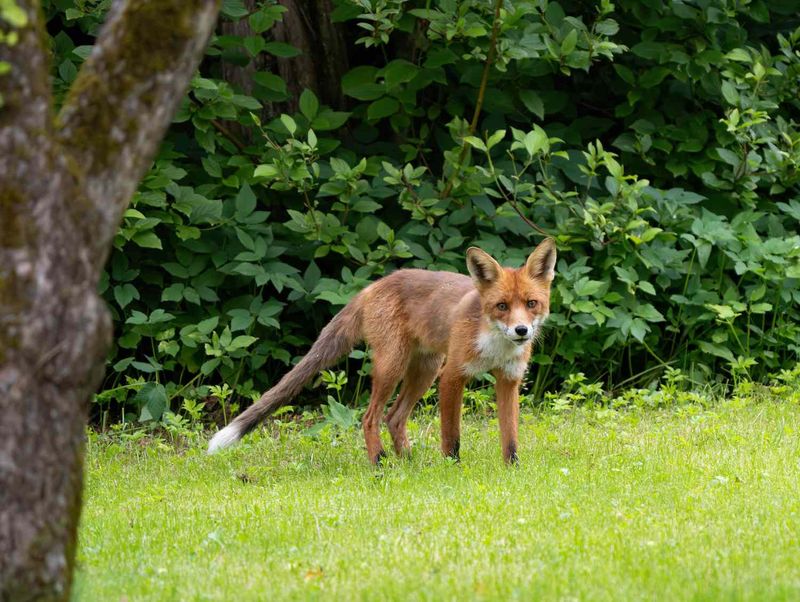
Seeing a fox in daylight can feel alarming, but daytime movement alone is not evidence of rabies. The NCWRC notes that foxes are mostly active at night yet may move in daylight, and that this is not unusual or necessarily a sign of disease.
So look at behavior, not the hour. A fox that glances at you and trots off is acting like a wild animal.
Keep your distance and contact local animal control if a fox seems seriously disoriented, acts aggressive, or otherwise behaves in an abnormal way.
Fur can fool us too. Patchy fur does not automatically mean mange, since seasonal shedding can also cause fur loss.
If a fox looks ill or distressed, call NCWRC or local animal control. Do not try to treat it yourself.
If someone is bitten or scratched, do not try to catch the animal. Follow North Carolina public health guidance and wash the wound with soap and running water for 15 minutes.
Then contact a doctor, and report the animal to local animal control.
Make coexistence safer and less inviting
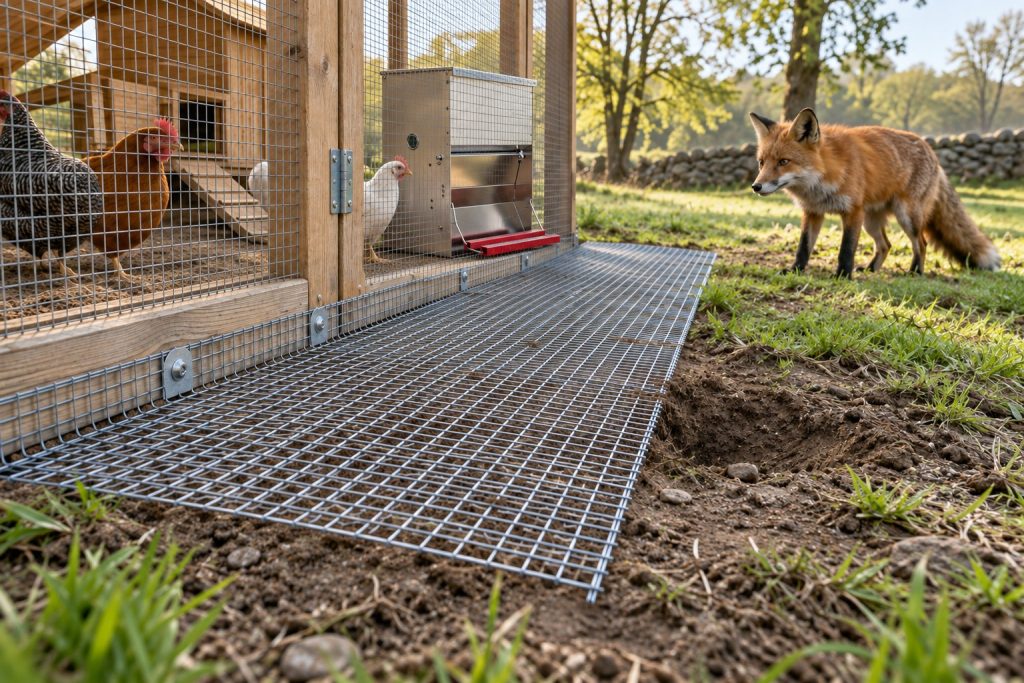
Most of the work is about removing easy meals. Keep garbage in sealed cans, bring outdoor pet food inside, clear fallen fruit, and keep the area under bird feeders clean.
The NCWRC lists carrion and garbage among the foods foxes will take, so fewer scraps means fewer reasons to linger.
Protect your animals next. Supervise pets outside or keep them indoors, especially at dusk and dawn.
Poultry and rabbits belong in secure enclosures with sturdy wire and latched doors.
Check the house, too. NCWRC conflict guidance recommends closing access to crawl spaces where a fox might rest or den.
Never feed, approach, pet, handle or try to treat a fox. A fed fox learns to link people with food, and that tends to end badly for the fox.
If a fox is causing damage, contact local animal control or a qualified wildlife damage-control professional. Do not trap and move it yourself, because relocating foxes is illegal in North Carolina.
Observe from a distance and respond as needed
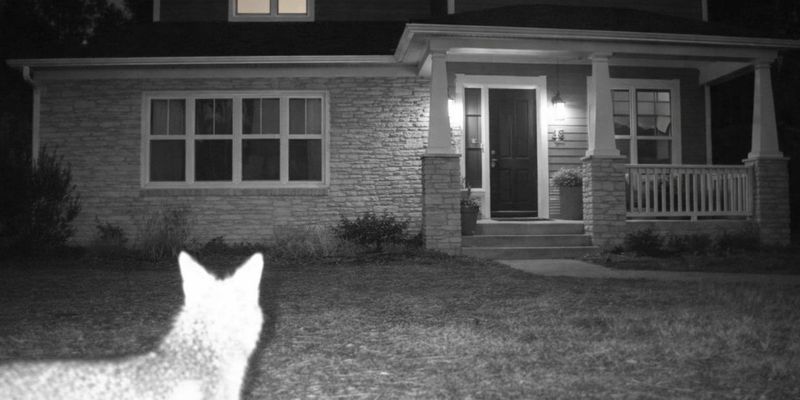
A winter crossing can simply be ordinary fox activity, but one sighting cannot establish its purpose or show that a fox uses your yard again and again. Watch from a window, give it space, and keep the yard free of easy food, as NCWRC guidance suggests.
If a fox looks abnormal or causes damage, call local animal control or a wildlife professional.
Most nights, the best response is a quiet one. A fox passing through is usually just getting on with its day.
Share this story