
Celery grows well in backyard beds and fills the produce aisle at farm stands and grocery stores. Plenty of online posts claim that eating it every day changes your body in big ways.
The real story is quieter and more useful. Here is what celery offers, what the research does and does not show, and a few safety steps worth knowing.
What does celery provide?

Picture two medium raw celery stalks, about 110 grams. According to FDA nutrition information for raw vegetables, that portion has about 15 calories, 2 grams of fiber, and 260 milligrams of potassium.
Celery is also mostly water, which is why it feels so crisp and light. Those numbers describe what is in the food.
They do not tell you what will happen in your body if you crunch through a few stalks each day.
The two-stalk figure is a reference serving used for labeling. It is not a daily target, and the sources reviewed for this article set no celery-specific amount you should eat.
Some people eat a stalk or two a day, and others eat it a few times a week. Both fit comfortably into a varied diet.
Celery earns its place in the kitchen because it is easy to use. Slice it into soups, stir it into chicken salad, chop it into stuffing, or pair it with peanut butter or hummus.
It adds crunch and a savory, slightly salty flavor to meals without adding many calories.
Gardeners who grow their own know the stalks can be stringy or sharp compared with store-bought ones. That is a matter of taste and growing conditions, and it does not change the basic picture of a low-calorie vegetable that supplies some fiber, potassium, and plenty of water.
Do studies show that celery changes health markers?
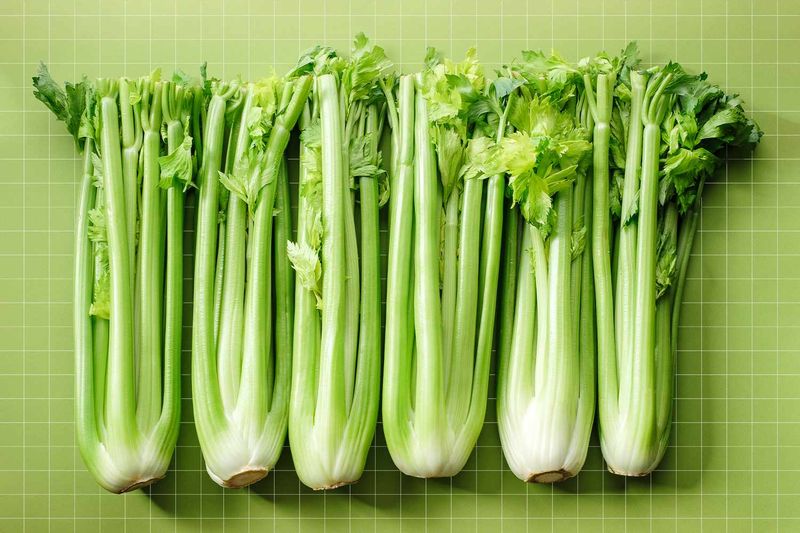
Headlines love to say celery lowers blood pressure, blood sugar, or cholesterol. The research behind them is thinner than it sounds.
A 2025 meta-analysis in Frontiers in Nutrition pooled nine trials with 511 participants and reported possible benefits for some markers.
The catch is what those trials tested. They used many different celery preparations, often supplements or seed products, rather than a set daily serving of fresh stalks.
The results also varied a lot from study to study, which researchers call substantial heterogeneity, and the authors asked for larger, higher-quality trials.
One result is worth knowing. The analysis found no overall effect on total, LDL, or HDL cholesterol.
So even in the pooled data, a cholesterol benefit did not show up.
In plain terms, these studies cannot tell you that eating fresh celery every day will lower your blood pressure or change your blood sugar. They are early signals, and early signals can fade when better studies come along.
That leaves a simple conclusion. No predictable set of bodily changes has been shown for a daily celery habit.
If you enjoy celery, eat it for the taste and the crunch, and look to your doctor for guidance on any health condition.
Whole celery, juice, and supplements are not interchangeable
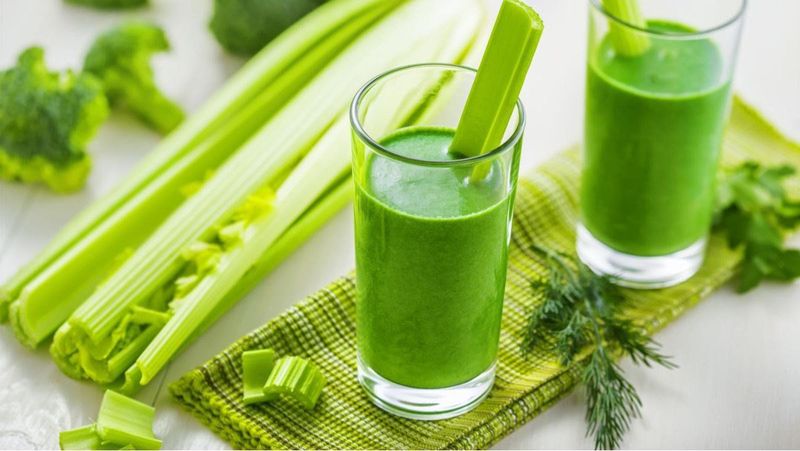
A study on one form of celery says little about another. Whole stalks, juice, and seed extracts are different products, and each needs its own evidence.
Juicing is the clearest example. According to Cleveland Clinic, it removes much of the fiber, so claims about celery juice should not be treated as claims about eating the whole vegetable.
Juice is not a meal replacement, and it is not a proven cure for anything.
The detox claim deserves a direct correction. The National Center for Complementary and Integrative Health says there is no compelling research supporting detox diets for eliminating toxins from the body.
Your liver and kidneys already handle that job, and a glass of celery juice does not upgrade them.
Supplements are another category. A trial of celery seed extract, such as this randomized hypertension study, tested a concentrated product at a set dose.
That is very different from the amount in a few sliced stalks in a salad.
Being a food does not make a supplement safe or effective. If a result comes from an extract, powder, or capsule, treat it as a finding about that product only.
Ordinary culinary portions of fresh celery are a separate question that those studies did not answer.
Wash celery before preparing or eating it

Garden soil, farm-stand crates, and grocery shelves all have one thing in common: raw celery can pick up bacteria along the way. The fix is simple and free.
The FDA’s produce safety guidance says to wash produce under running water before preparing or eating it. That applies to celery from your backyard bed, a farmers market, or a supermarket bag.
Separate the stalks and rinse each one, paying attention to the base where dirt tends to collect. Rubbing the stalks with your hands under the flow of water helps loosen grit.
Washing can reduce bacteria, but it cannot eliminate them. That is a reason to keep your cutting board and knife clean too, and to store cut celery in the refrigerator.
Skip the soap, detergent, and commercial produce wash. They are not recommended for produce, and plain running water does the job you need it to do.
Warfarin use and celery allergy call for care
For most people celery is an ordinary vegetable, but two groups should pay attention. The first takes warfarin, a blood thinner.
The NIH Office of Dietary Supplements notes that sudden changes in vitamin K intake can alter warfarin’s anticoagulant effect. If you take warfarin, keep your vitamin K intake consistent from week to week.
Talk with your healthcare team before making a substantial dietary change, such as starting a daily celery habit or a juicing routine.
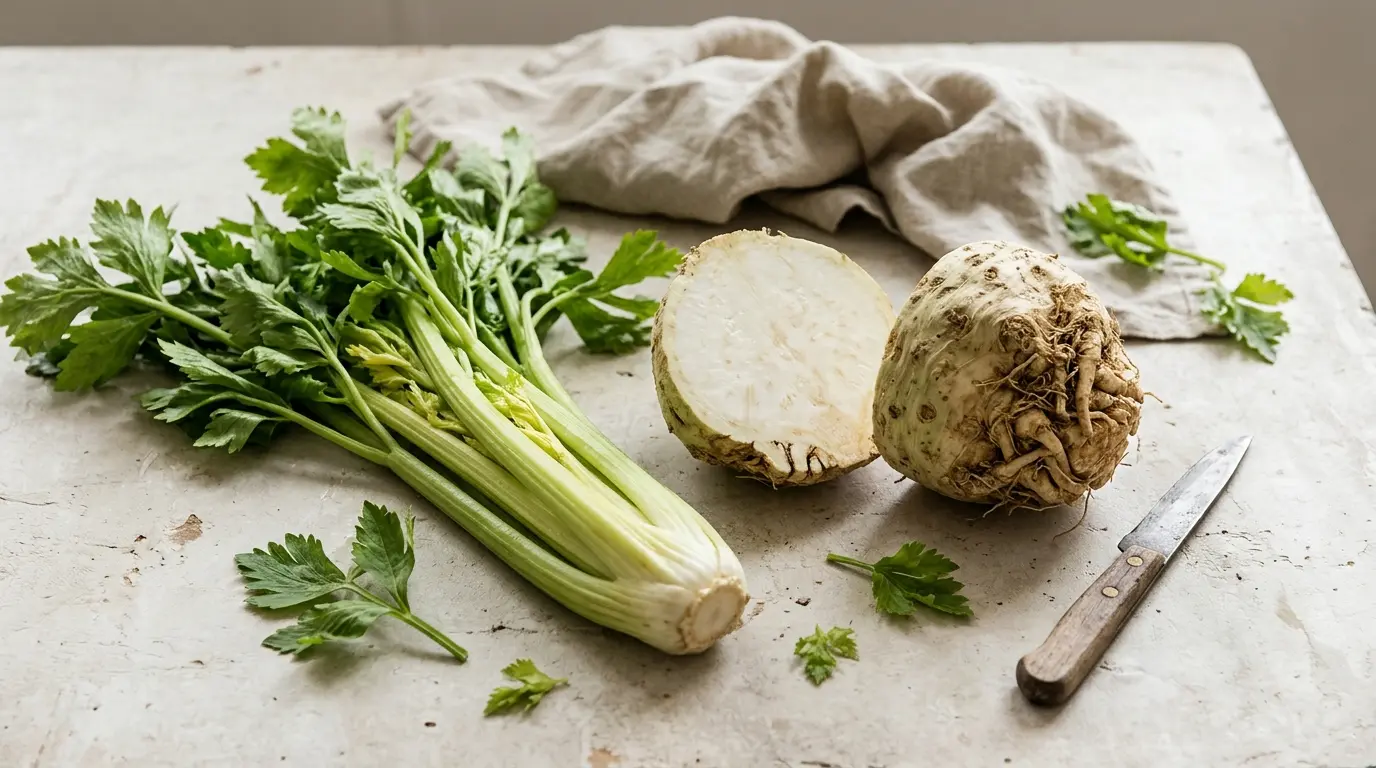
The second precaution is allergy. Celery and celeriac, the root form, are recognized food allergens.
A WHO and FAO risk assessment discusses reactions to them, including reported anaphylaxis, which is a severe and potentially life-threatening reaction.
That does not mean reactions are common everywhere. Much of the available evidence concerns celeriac and comes from Europe, so it should not be read as a picture of every population.
If you notice an itchy mouth, swelling, hives, or trouble breathing after eating celery, stop eating it and get medical advice. Trouble breathing or swelling of the throat needs emergency care right away.
The realistic takeaway
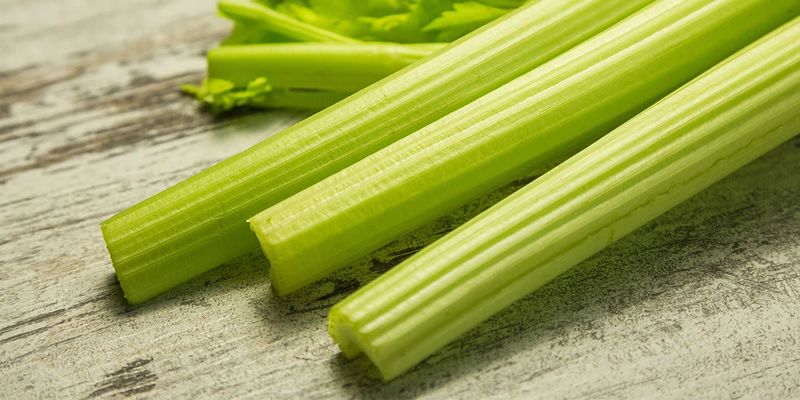
Eating celery every day should not be expected to bring any specific bodily change. It can add water, some fiber, and potassium for few calories, as the FDA’s figures show, and it sits well in a varied diet.
Detox, weight-loss, and disease-treatment promises do not hold up, as the NCCIH makes clear about detox claims.
Celery is a good crunchy vegetable, and that is enough of a reason to grow it or buy it.
Share this story