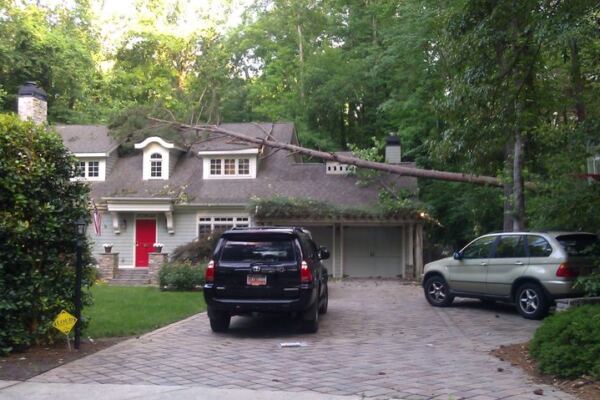
Your backyard might feel like your own little kingdom, but towns across New York are paying closer attention to what happens behind the fence. From smoky fire pits to noisy leaf blowers, local rules are getting stricter and fines are getting bigger.
Many homeowners only find out about these changes when a code officer knocks on the door. Here are eight backyard favorites that are landing people in trouble, and what you can do to stay on the right side of the law.
1. Backyard Chickens

Fresh eggs every morning sounds like a dream, until a neighbor complains about a rooster crowing at 5 a.m. Backyard flocks exploded in popularity during the pandemic, and many towns on Long Island and in Westchester are now rewriting their rules.
Some places ban roosters completely. Others cap the number of hens, often at four to six, and require coops to sit a set distance from property lines.
A few towns even ask for a permit before the first chick arrives.
Rodents are a big reason for the pushback. Spilled feed draws rats, and rats draw angry calls to town hall.
Before building a coop, check your local code and keep feed in sealed metal bins.
2. Open Burning and Fire Pits

Here is a fact that surprises plenty of people: New York State bans open burning of leaves and brush statewide from March 16 through May 14 in most towns. That rule exists because spring wildfires spread fast when dead grass is dry.
Fire pits are a different story, but towns are tightening up there too. Many now limit fire size, require clean dry firewood only, and forbid burning trash or yard waste.
Smoke drifting into a neighbor’s open window is one of the most common complaints code officers hear.
Keep fires small, keep a hose close, and never burn household garbage. Burning trash has been illegal statewide since 2009, and the fines can sting.
3. Gas-Powered Leaf Blowers

Ask anyone working from home what the most annoying sound of autumn is, and you will probably hear two words: leaf blowers. That high-pitched whine is now the target of real laws.
Towns like Scarsdale, Larchmont, and several others in Westchester have restricted gas-powered blowers during summer months or limited the hours they can run. Some villages are moving toward full bans and pushing battery-powered models instead.
The reasons go beyond noise. Small gas engines pump out a surprising amount of pollution, more than many cars per hour of use.
If you hire a landscaper, ask what equipment they use, since homeowners can sometimes be fined too.
4. Unpermitted Sheds and Structures
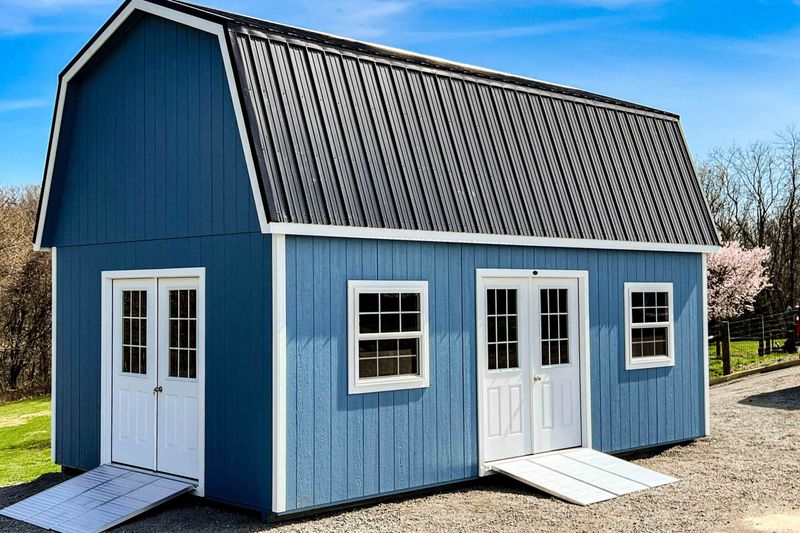
A shed seems harmless. You buy a kit, spend a weekend building it, and suddenly you have a home for the lawnmower.
The trouble starts when that shed sits too close to the fence or goes over the size limit. Many New York towns require a building permit for sheds over 100 or 144 square feet, plus setbacks of several feet from property lines.
Pergolas, decks, and gazebos face similar rules.
Towns are catching more violations now thanks to aerial maps and online listings. Unpermitted structures can even delay a home sale.
A quick call to your building department before you build can save you a costly teardown later.
5. Short-Term Pool Rentals

Renting out your pool by the hour through apps like Swimply can feel like easy summer cash. Neighbors, though, often see a parade of strangers, parked cars lining the street, and loud parties.
Several towns have started treating these rentals as commercial activity in residential zones, which is usually not allowed. Officials also worry about safety, since a drowning on rented property raises serious liability questions.
Fines can climb quickly for repeat violations. If you want to share your pool, keep it to friends and family, and double-check that your insurance and fencing meet state code.
6. Overgrown Lawns and Weeds
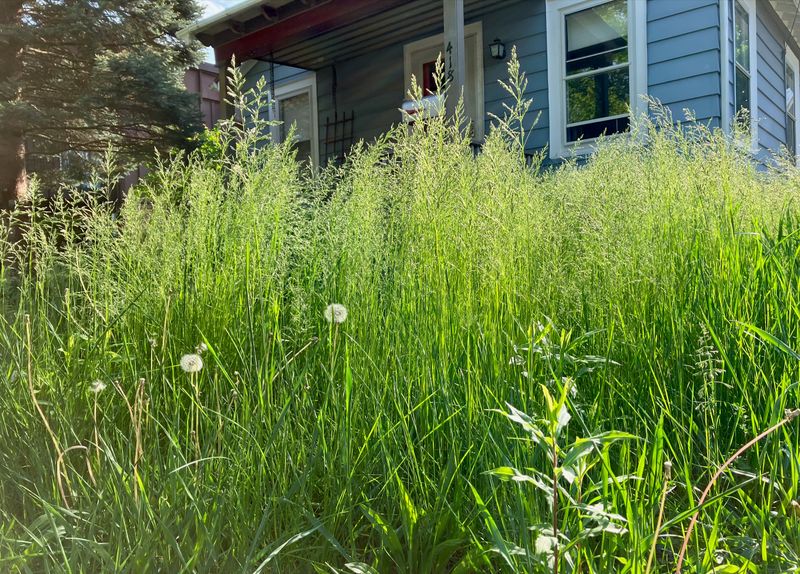
Picture this: you head out of town for a few weeks, and you come home to a bright orange notice taped to your door. Your grass is too tall.
Many New York towns set a height limit, often around 10 inches, for grass and weeds. Tall growth can hide ticks, rodents, and trash, and it tends to bother neighbors who keep tidy yards.
Here is the twist. Some communities now allow pollinator gardens and No Mow May programs, as long as you register or keep borders neat.
So wild yards are not always banned, but messy ones are. Ask your town what counts as intentional landscaping.
7. Parked RVs, Boats, and Junk Cars
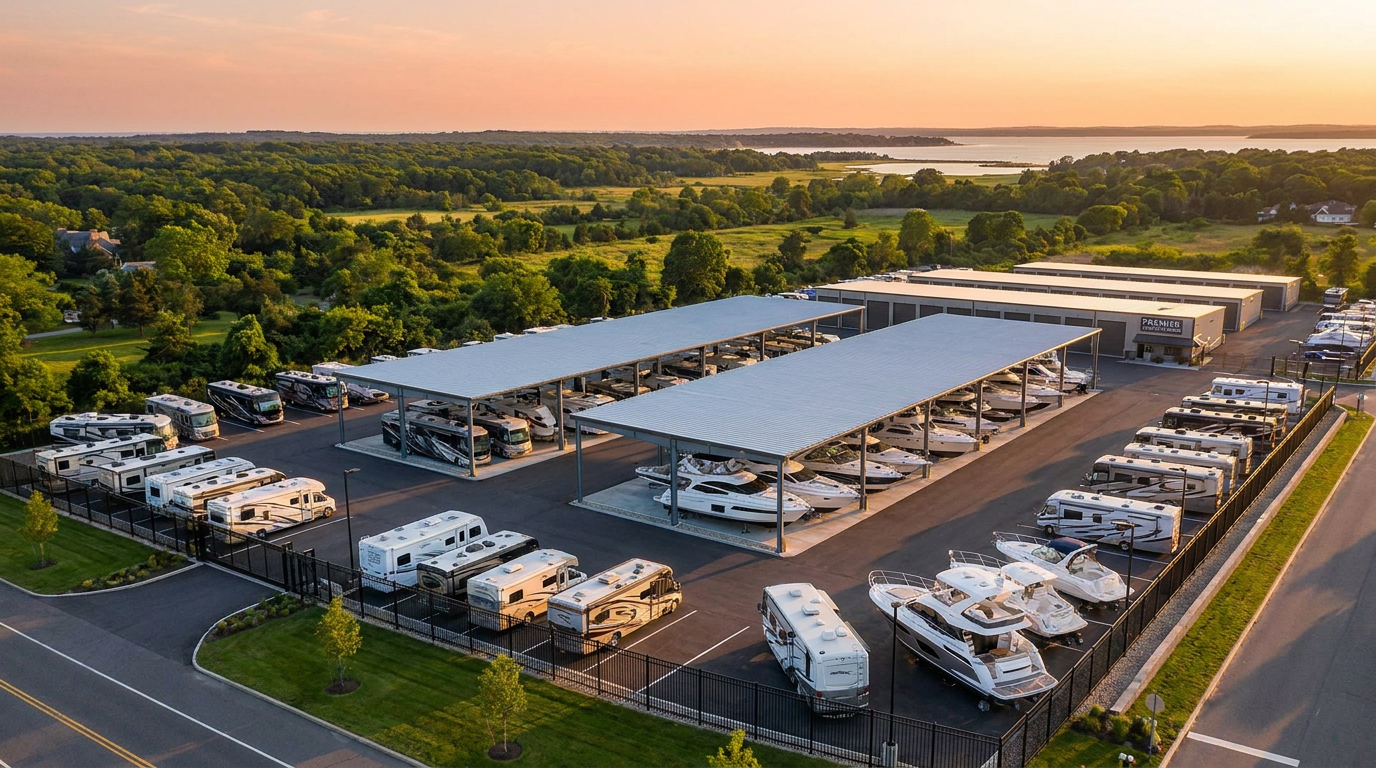
Long Island loves its boats. Upstate, campers are a way of life.
But storing them in the yard year-round is drawing more fines than ever.
Plenty of towns limit where recreational vehicles can be parked, often requiring them to sit behind the house or be screened from the street. Unregistered or broken-down cars are an even bigger target, since they can leak fluids and attract pests.
Some places allow short-term parking for loading and cleaning, usually a day or two. If your boat lives in the yard all winter, a storage lot might be cheaper than a stack of tickets.
8. Bird Feeders That Attract Bears and Rodents

Bird feeders feel peaceful, but in parts of New York they are basically bear snack bars. The state’s black bear population has grown, and bears have learned that seed equals easy calories.
New York law makes it illegal to intentionally feed bears, and that can include leaving feeders out after a bear has shown up. Wildlife officers often urge people to take feeders down from April through November in bear country.
Closer to cities, the problem is rats. Some towns have added feeder rules to their rodent control codes.
Use trays to catch spilled seed, bring feeders in at night, and enjoy the birds without inviting uninvited guests.
Share this story