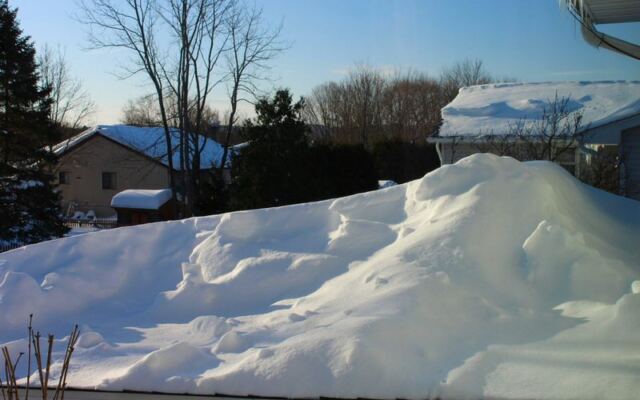
In Wisconsin, a neighbor is not automatically liable just because snow lands across a property line, but nobody gets blanket permission to pile it on your land either. What decides a dispute is usually permission, the terms of any easement, local rules, and whether you can prove the snow or salt caused real damage.
Melting snow adds its own drainage question. Here is how those pieces fit together so you can respond calmly if a plow or snowblower sends a drift your way.
Kitzerow shows why the facts matter
The closest Wisconsin appellate example is Kitzerow v. Thorne, a 2020 Court of Appeals decision.
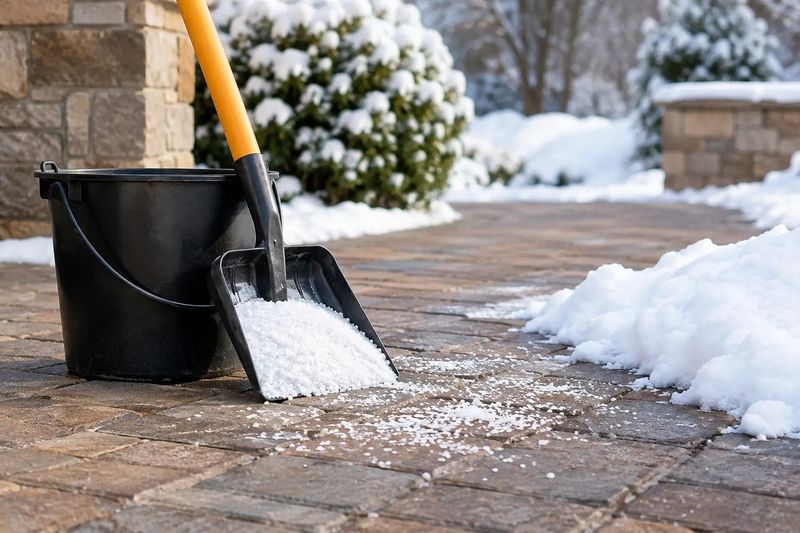
The neighbors there had permission under an easement to shovel snow onto a strip of the plaintiff’s land. The plaintiff said salt in that snow killed part of her lawn.
The court upheld dismissal of her claim. The easement did not exclude salt mixed into the snow, and she had not proved that the neighbors’ salt caused the lawn damage.
Salt being present and grass being damaged was not enough on its own.
It helps to be clear about what the case is not. It is a fact-specific decision built on permission under an easement and a gap in proof.
It does not say neighbors may deposit snow wherever they choose.
The takeaway is practical. Two questions come up again and again in snow disputes: did the person placing the snow have permission, and can the owner show that the snow or something in it actually caused the harm?
A yard that looks worse in spring is a starting point, not proof.
Wisconsin does not impose automatic liability whenever snow crosses a property line. Outcomes turn on the agreement, the conduct, the damage, and the evidence connecting them.
Keep that framework in mind as you read the rest of this article.
When does permission cover the snow?
Start with paperwork. If a recorded easement or a written agreement exists, read the actual wording to see what it allows and where.
In Kitzerow, the permission to shovel snow onto a neighboring strip, along with the parties’ past practice, mattered to the outcome.
Past behavior alone is a weak basis for assuming consent. A neighbor who has piled snow on your side for years may have had a deal, may have been tolerated, or may simply have been unnoticed.
Check the document and the circumstances instead of treating habit as proof of permission.
Local ordinances can add a separate layer. The City of Hudson, for example, has a code that says snow from private property must stay on the originating owner’s property or be hauled away, and may not be placed on another property without permission.
Hudson is one municipality’s rule. It is not a statewide Wisconsin requirement, and your town may say something different or nothing at all.
A call or visit to your city, village, or town clerk, or a look at the online municipal code, is the quickest way to find out.
If you are the one doing the clearing, the safest habit is to keep snow on your own land or ask first. If you are on the receiving end, gather the easement, any agreement, and the local code before you raise the issue.
Melting snow raises a separate drainage question
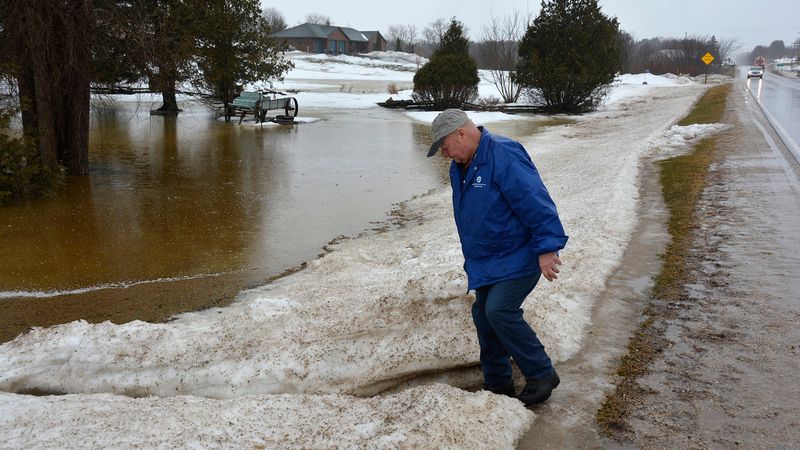
A pile of snow sitting on your lawn is one thing. Water that flows off it in March is another.
Courts and agencies treat runoff as a drainage question, separate from where the snow was first placed.
The Wisconsin DNR’s runoff and flooding fact sheet includes melting snow in its description of surface-water flooding. It summarizes Wisconsin’s approach this way: a person may be liable for diverting surface water when the diversion is intentional and unreasonable, negligent or reckless, or creates an extremely dangerous condition.
That is a fact-dependent standard. It does not make every snow pile, or every increase in runoff, automatically actionable.
Water has always moved downhill, and ordinary meltwater is different from a drainage pattern someone deliberately changed.
A few clues can help sort things out. Did the water flow this way before?
Did someone aim a pile, a downspout, or a channel at your property? Is the water causing flooding, ice on a walkway, or a hazard, or is it just a damp patch?
The DNR also notes that drainage disputes are generally governed by local rules and common law. Your municipality may have stormwater or grading requirements worth checking.
Treat the details as local and specific rather than assuming a simple yes-or-no answer.
A deliberate trespass is different from routine snow placement
Jacque v. Steenberg Homes is one of Wisconsin’s best-known property-rights cases, and it sometimes gets stretched too far in snow disputes.
In that case, a company drove a mobile home across the Jacques’ land after the owners had expressly refused permission. The route was a shortcut through snowy fields.
The Wisconsin Supreme Court, in its Jacque decision, allowed punitive damages on those facts. The court stressed the importance of a landowner’s right to exclude others from their property, particularly when the entry is intentional.
That is a deliberate physical entry after a clear refusal. It is quite different from a snowblower’s discharge that drifts onto a neighbor’s yard, or from snow cleared in a routine way with no warning given.
Jacque did not decide that every accidental or routine placement of snow warrants punitive damages. Nothing in it means that snow crossing a boundary line leads to a large award.
Where the case may matter is in how you communicate. If you have told a neighbor clearly and in writing that you do not consent, and the conduct continues on purpose, that history could become relevant.
Keep it factual and calm, and get legal advice before assuming any particular result.
Public streets and sidewalks follow different rules
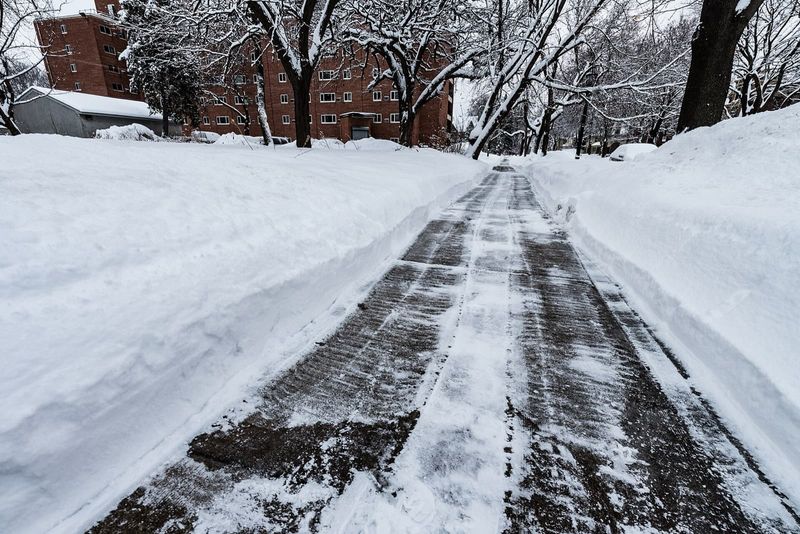
Streets and sidewalks sit under a separate set of rules, and those rules do not settle whether a neighbor can pile snow on your private yard. Mixing the two leads to bad assumptions.
For streets, Wisconsin law addresses placing injurious substances on highways, including foreign material that may injure a vehicle. Local codes may be more specific about snow and ice in the roadway.
That is why retaliation is a poor idea. Pushing or blowing snow into the street may create a hazard for drivers and may break local rules, and it will almost certainly make a neighbor dispute worse.
Check your municipal code before moving snow anywhere near the road.
Sidewalks are their own topic. Under Wisconsin’s sidewalk statute, municipalities may require owners to clear snow and ice from sidewalks and may impose penalties.
Those duties concern public walkways.
Injury claims on sidewalks have their own case law as well. In a decision such as Clark v.
Rice Lake Housing Authority, Wisconsin courts distinguish natural from artificial accumulations in that setting. A homeowner is not automatically liable whenever someone slips on a nearby public sidewalk.
None of this answers whether a neighbor may stack snow on your lawn. For that, return to permission, easements, local ordinances, and proof of damage.
Build a record before choosing the next step
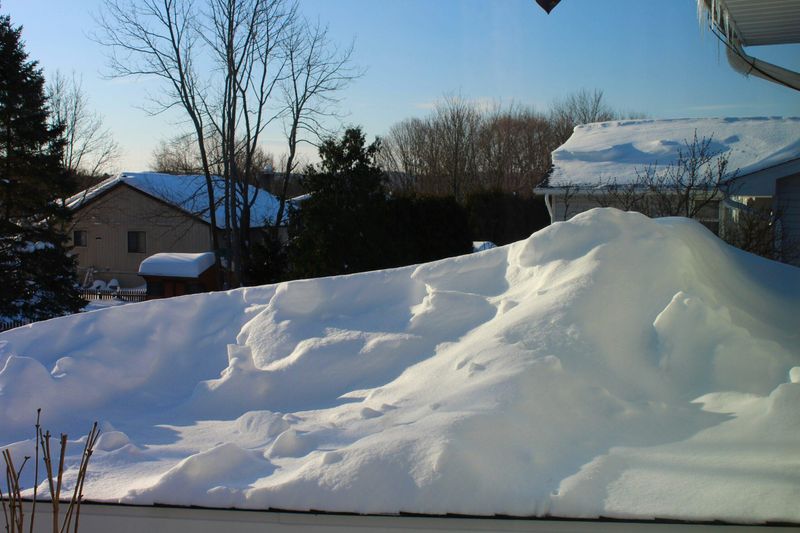
Good records make every later option easier. Take dated photographs of the affected area, and capture what it looked like before and after the snow was moved.
The DNR’s runoff guidance suggests photographs, before-and-after documentation, and keeping repair receipts.
Write down dates, weather, and what you notice, including other possible causes such as road salt, pets, or drainage. In Kitzerow, damaged grass and the presence of salt were not enough without proof of cause.
Then talk. Describe the impact and suggest a workable fix, such as moving the pile or clearing it by a certain date.
Keep messages polite and save them.
If the problem continues, mediation or advice from a Wisconsin attorney are sensible next steps. Neither guarantees a result, but both beat letting a small disagreement harden.
A calm paper trail often says more than a loud argument.
Share this story