Most people in Tennessee know to watch for copperheads, but they are far from the only venomous neighbors hiding near your porch, garden, or woodpile. Some of these critters slither, some crawl, and a few even fly or drop from trees.
Knowing what each one looks like can save you from a painful sting, a scary bite, or a trip to the emergency room. Here is a simple guide to the ten you are most likely to meet, and how to tell them apart.
1. Timber Rattlesnake
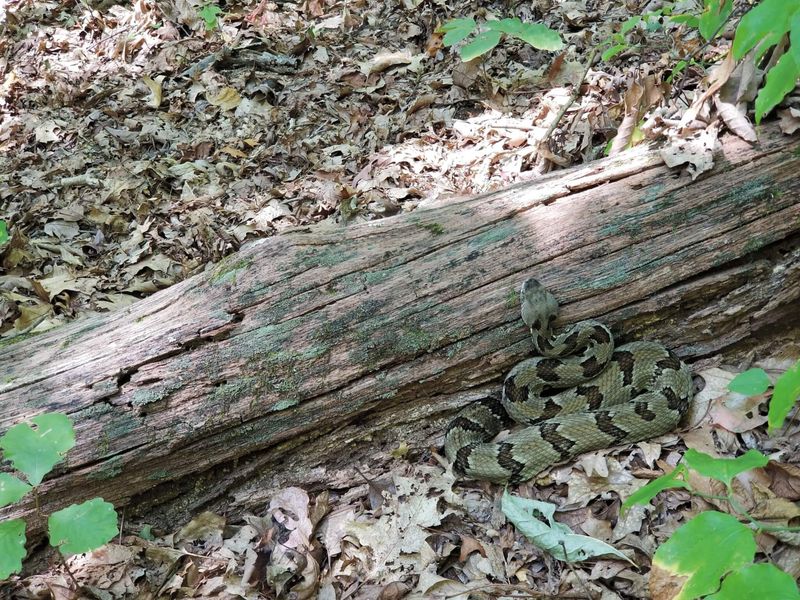
Picture a thick, heavy snake resting quietly beside a log, so still you almost step over it. That calm patience is classic timber rattlesnake behavior.
Found across most of Tennessee, especially near wooded edges, it would rather hide than fight.
Look for dark, jagged V-shaped bands on a yellow, tan, or gray body. The tail is solid black and ends in a rattle, though young snakes may only have a small button.
Some individuals have a rusty stripe running down the middle of the back.
Timber rattlers often lie coiled near fallen trees, rock walls, and brush piles while waiting for mice and chipmunks. If you hear a buzzing sound, freeze, find the snake with your eyes, and back away slowly.
Fun fact: these snakes can live more than 25 years in the wild.
2. Cottonmouth
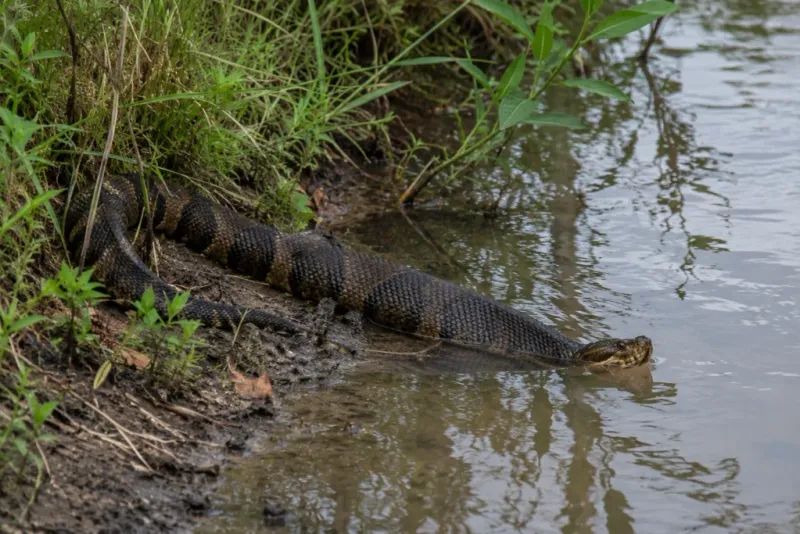
Got a pond, creek, or soggy drainage ditch behind the house? Then the cottonmouth might be closer than you think, particularly in the western half of the state.
Adults are dark olive, brown, or nearly black, with a chunky body and a blocky head. When threatened, they gape wide and flash a bright white mouth, which is how they earned their name.
Juveniles are lighter with bold bands and a sulfur-yellow tail tip.
Here is a handy trick: cottonmouths swim with their whole body floating high on the water, while harmless water snakes mostly keep their bodies submerged. Plenty of harmless water snakes get mistaken for cottonmouths, so give any thick, dark snake near water plenty of room and let it move along.
3. Pygmy Rattlesnake
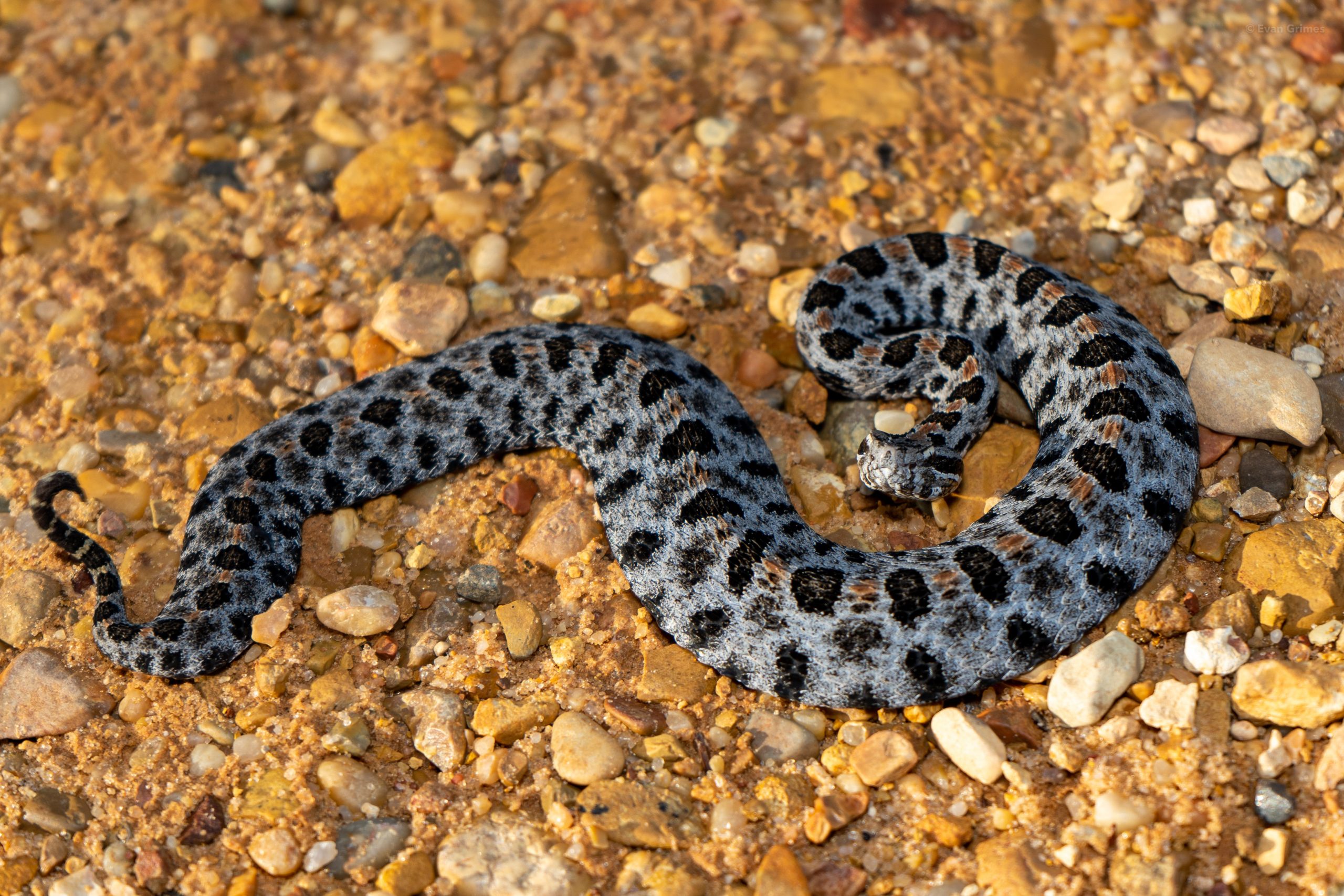
Small but feisty, the pygmy rattlesnake rarely grows longer than two feet. It is uncommon in Tennessee, showing up mostly in scattered spots in the southern and western parts of the state.
Its gray body is dotted with dark round blotches, often with a reddish-orange stripe down the spine. The rattle is so tiny it sounds more like an insect buzzing than a warning.
Many people never hear it at all.
Because it is so small and well camouflaged, folks sometimes mistake it for a baby of another species. Bites are painful but rarely deadly to adults.
Still, wear gloves when clearing leaf piles in areas where these little snakes live.
4. Black Widow Spider
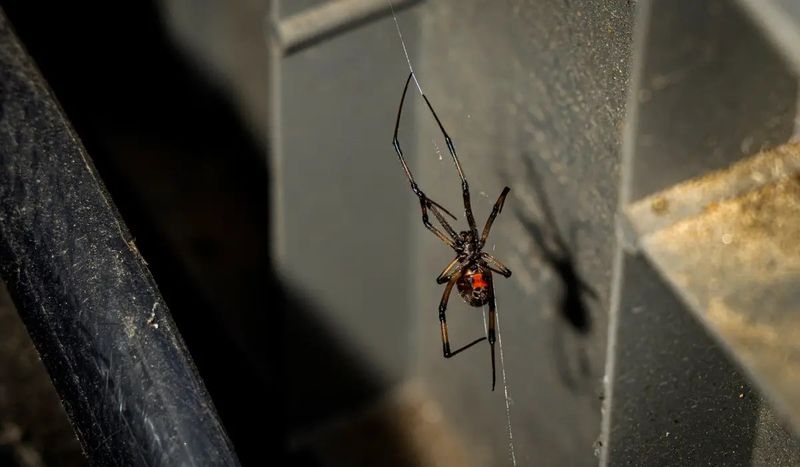
Reach into a dark flowerpot or old boot and you could meet one of the most famous spiders in America. Black widows love sheds, garages, meter boxes, and the underside of patio furniture.
Females are glossy black with a red hourglass shape on the belly. Their webs look messy and tangled rather than neat and round.
Males are smaller, paler, and not considered dangerous.
The venom affects nerves and can cause intense muscle cramps, sweating, and nausea. Deaths are extremely rare today, but young kids and older adults should get medical care quickly after a bite.
Shake out gloves and shoes that have been sitting outside before slipping them on.
5. Brown Recluse Spider
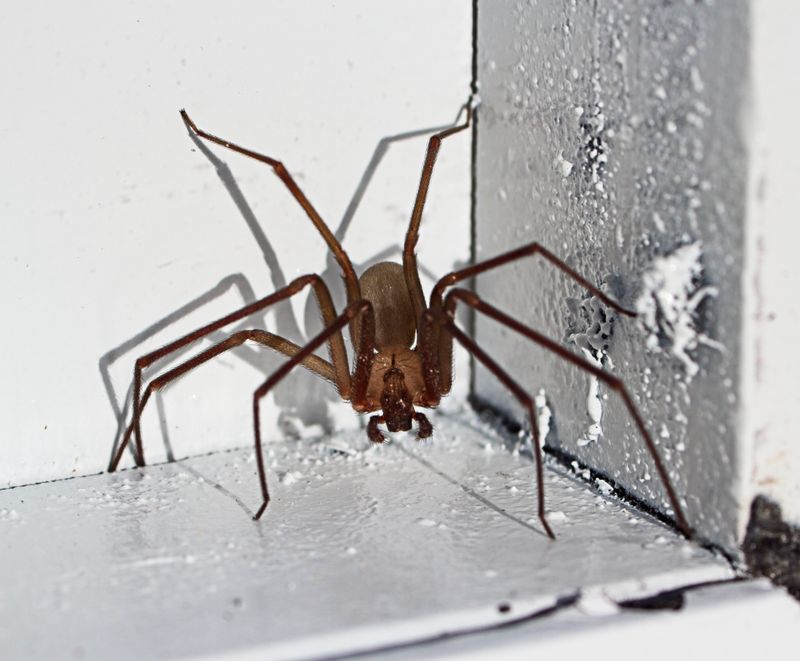
Tennessee sits right in the heart of brown recluse country. True to its name, this spider is shy and spends daylight hours tucked into closets, attics, basements, and cardboard boxes.
It is tan to medium brown with a dark violin-shaped mark on its back, the neck of the violin pointing toward the rear. Look closely and you will see six eyes arranged in pairs instead of the usual eight.
Its legs are long, thin, and the same color all the way down.
Most bites happen when someone rolls over on one in bed or puts on clothes left on the floor. Some bites cause a slow-healing sore, so see a doctor if a wound grows or darkens.
Sticky traps and decluttering are your best friends here.
6. Southern Flannel Moth Caterpillar
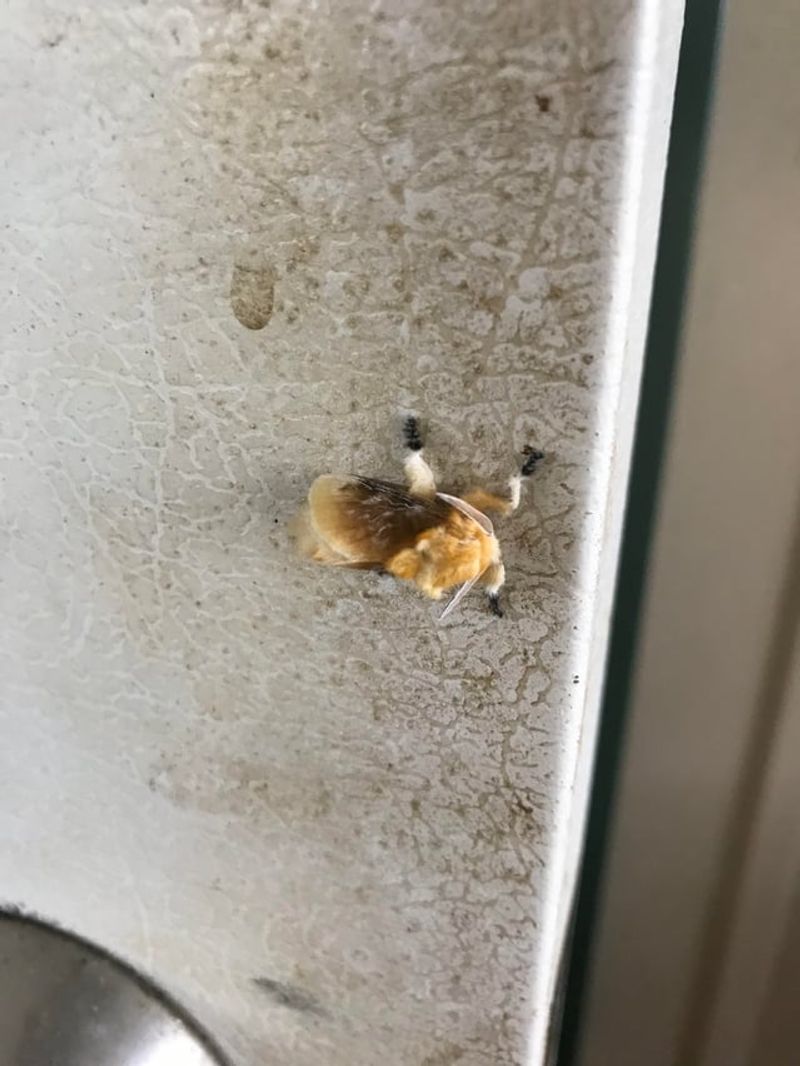
It looks like a tiny fluffy wig crawling along a leaf, and honestly, it is adorable. Do not pet it.
The puss caterpillar is considered one of the most painful stinging insects in North America.
Hidden under that soft-looking fur are venomous spines that break off in your skin. People describe the sting as burning, throbbing pain that can spread up an arm, sometimes with swelling and nausea.
Watch for them in late summer and fall on oaks, maples, elms, and shrubs near patios and playgrounds. If stung, gently press tape on the spot and pull it away to lift out spines, then ice the area.
Teach kids that fuzzy does not mean friendly.
7. Saddleback Caterpillar
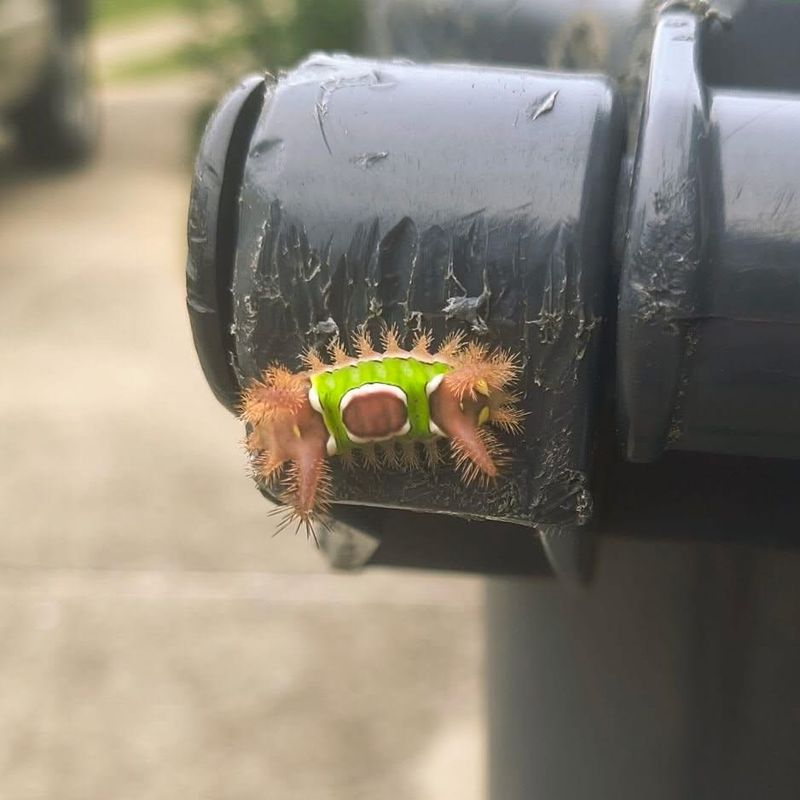
Nature clearly had fun designing this one. The saddleback caterpillar wears a bright green patch on its back with a brown spot in the middle, like a tiny saddle blanket on a horse.
Both ends sport fleshy horns covered with stinging hairs, and more spines line its sides. Brushing against one while weeding or picking vegetables can leave a sharp, burning sting and an itchy rash.
They munch on a wide range of plants, including corn, roses, and fruit trees, so gardeners bump into them often from July through September. Gloves and long sleeves make a big difference.
Did you know? The bright colors are a warning sign, telling hungry birds to stay away.
8. Eastern Yellowjacket
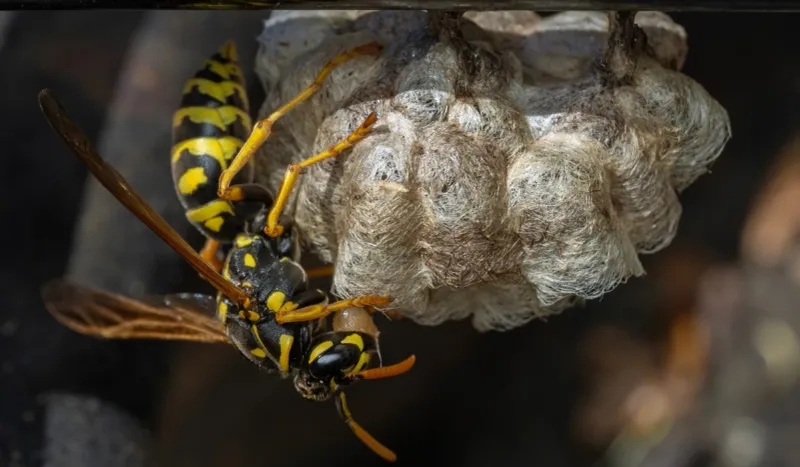
Ask anyone who has run over a hidden nest with a lawn mower, and they will tell you yellowjackets mean business. These wasps often build nests underground, in old rodent burrows, or inside wall spaces.
They are smaller than many people expect, with bright yellow and black bands and a smooth, shiny body. Unlike honeybees, they can sting again and again.
Colonies grow huge by late summer, which is exactly when they turn grumpy and start crashing cookouts.
Watch your lawn for a steady stream of wasps zipping in and out of one small hole. Mark the spot and keep people away.
Anyone with swelling of the face or trouble breathing after a sting needs emergency help right away.
9. Bald-Faced Hornet
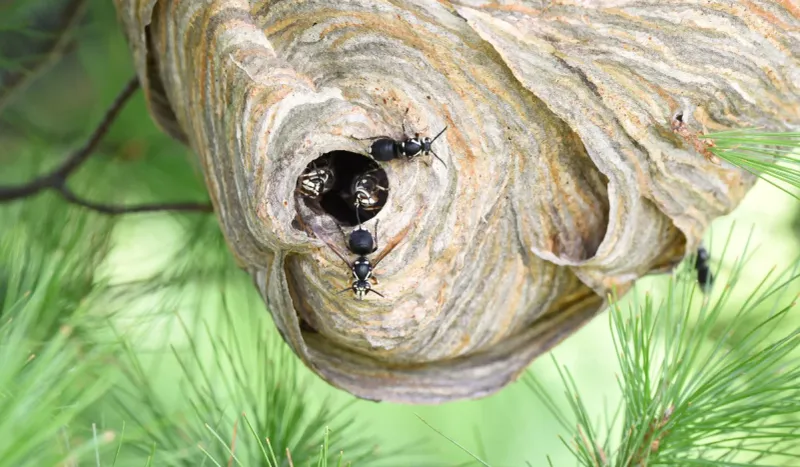
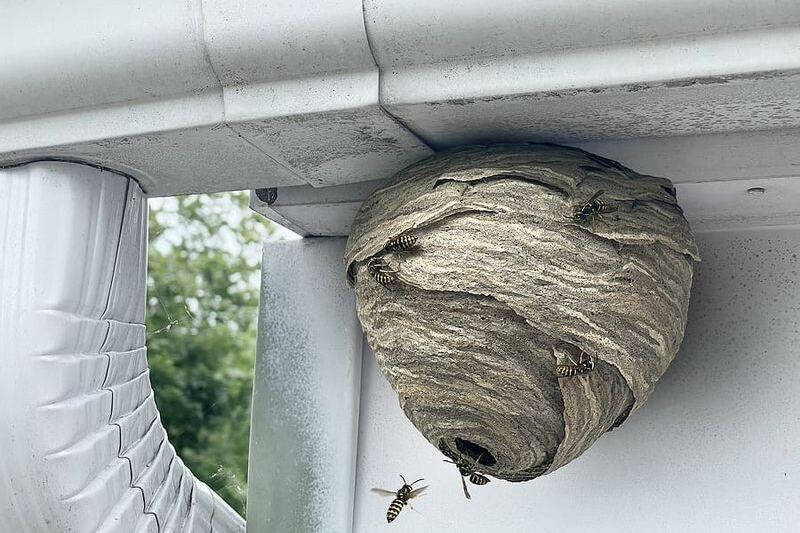
That big gray paper ball hanging from your maple tree is not a decoration. It belongs to the bald-faced hornet, which is actually a type of yellowjacket wearing black and white instead of yellow.
These insects have a white face and white markings on a mostly black body. Their football-sized nests hang from branches, eaves, and shrubs, sometimes surprisingly low to the ground.
Bald-faced hornets defend their homes fiercely and may chase intruders a fair distance. Trimming hedges is a common way people stumble into trouble.
If you spot a nest, leave removal to a professional, and know that the colony dies off on its own after the first hard freeze.
10. Eastern Velvet Ant
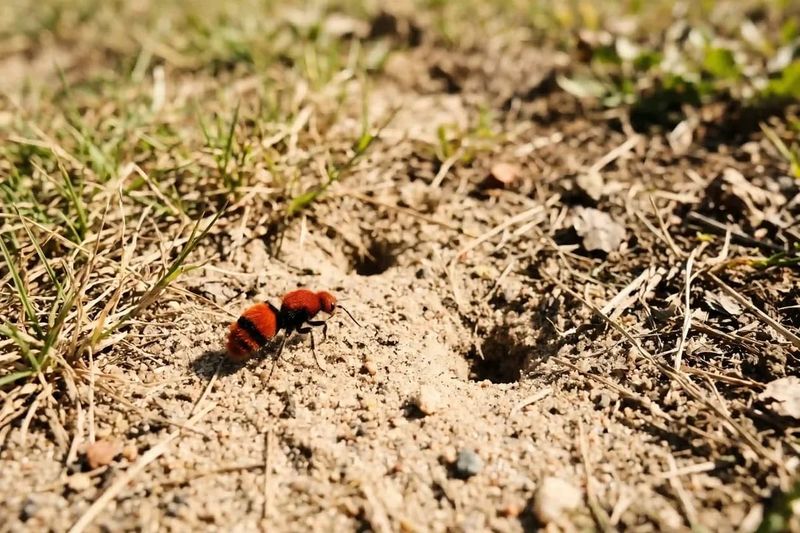
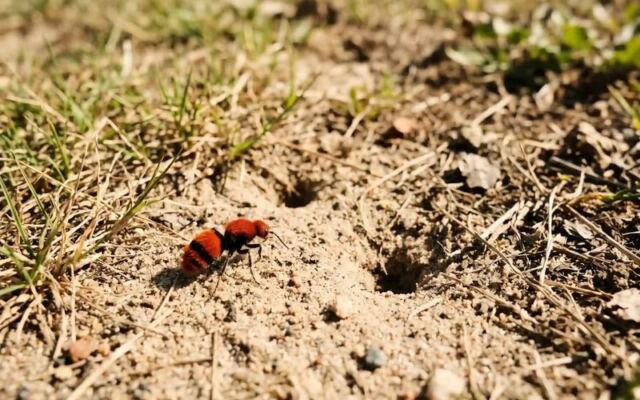
Folks around Tennessee call it the cow killer, which is a wild exaggeration, but the nickname tells you how badly its sting hurts. Despite looking like a fuzzy red ant, it is really a wingless female wasp.
You will usually see one hustling across bare dirt, sandy patches, or sidewalks on hot summer days. Its bold red and black fur is hard to miss, and it may squeak when bothered.
Males have wings and cannot sting.
Kids and barefoot walkers are most at risk, since the sting delivers sharp, lasting pain. The good news is that velvet ants are loners and do not attack unless handled or stepped on.
Shoes in the yard solve most of the problem.
Share this story