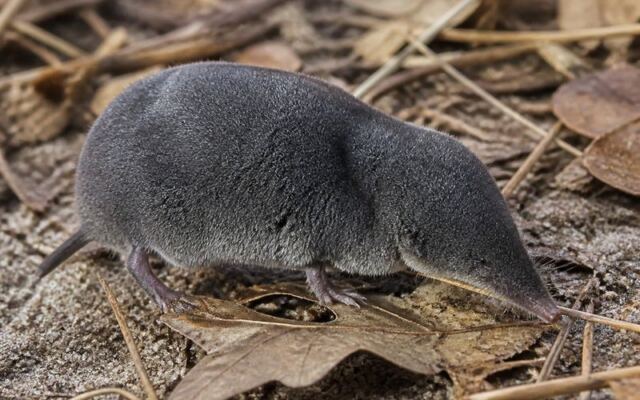
A tiny mammal with venomous saliva stays busy all winter in South Carolina, hunting small prey under leaves and other ground cover. It is a short-tailed shrew, and it does not hibernate when the weather turns cold.
Most of its hunting happens out of sight, so you will rarely catch it at work. Here is what is known about where these shrews live, how their venom works, and what to do if you ever meet one.
Two short-tailed shrews live in South Carolina
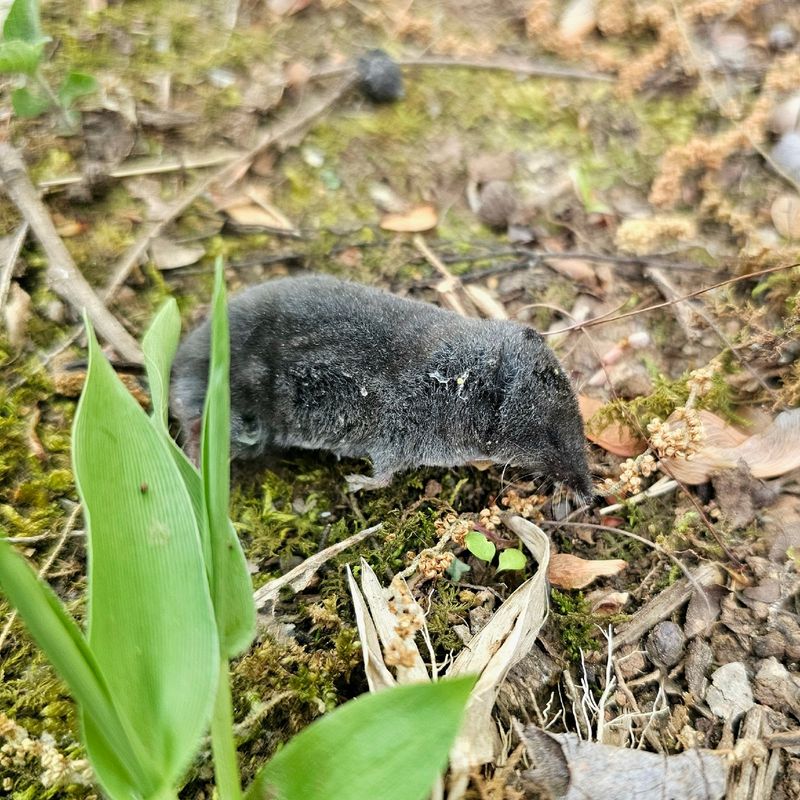
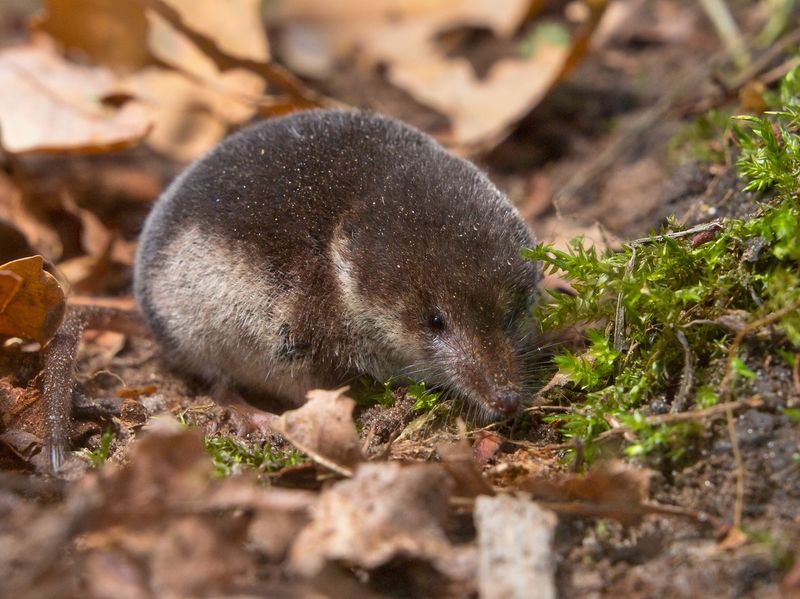
Two kinds of short-tailed shrew call South Carolina home. Clemson Extension reports that the southern short-tailed shrew occurs statewide except in the mountains, which covers the Coastal Plain and the lower Piedmont.
The northern short-tailed shrew takes over in the foothills and mountains.
Both are mammals, but they are not rodents. Shrews belong to their own group, and that is why they have a very different look from a mouse.
They have small eyes, a long pointed snout, and a short tail, and their fur is a soft gray that blends with shadows and soil.
Telling the two species apart is tough. Even people who study them find them difficult to distinguish by sight, so a quick glance at a small gray animal will not settle the question.
Range gives a hint, since the southern species is the one expected across most of the state, but a hint is not a firm identification.
Shrews also spend much of their lives in places people seldom look. The U.S.
Forest Service mammal guide places them in or below ground litter, where they forage. That tucked-away habit explains why most South Carolinians have never knowingly seen one, even though these animals live close by in suitable woods and brushy ground.
They stay active in winter, mostly out of sight
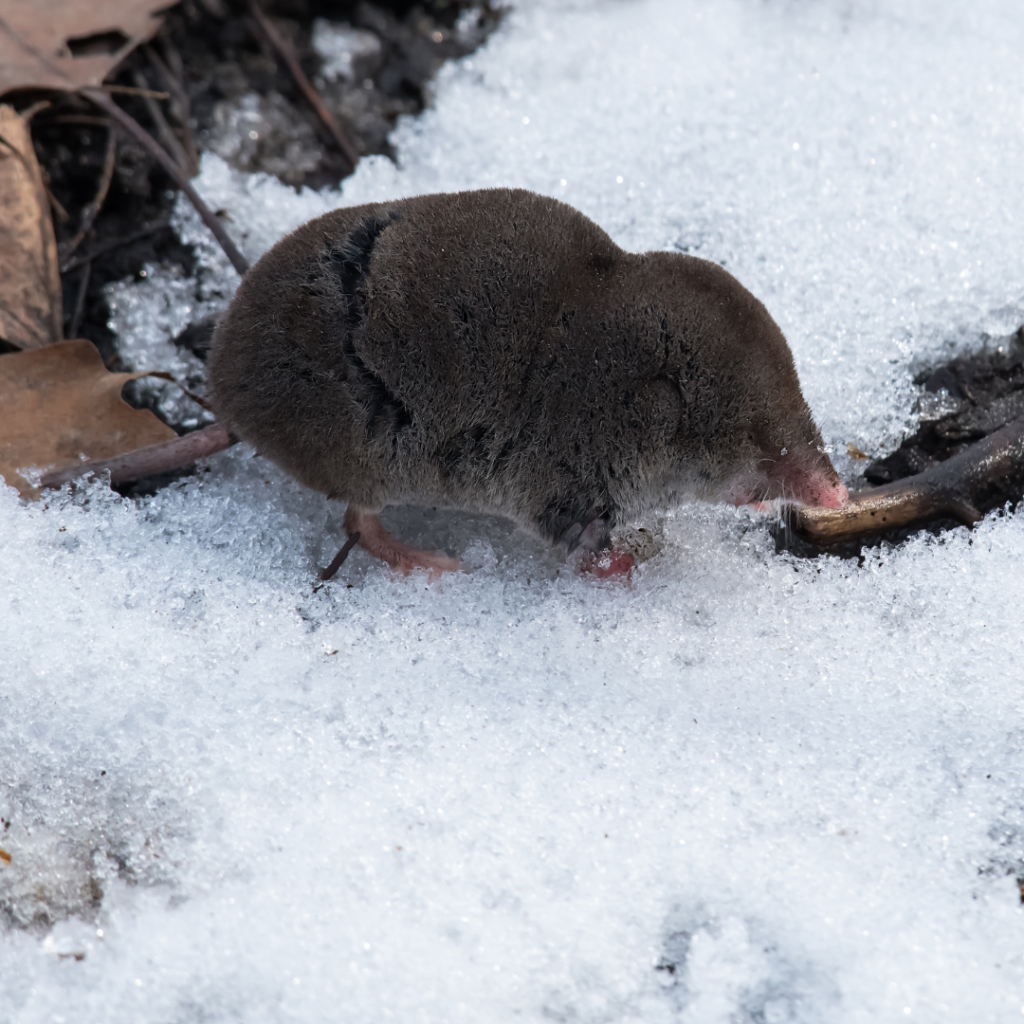
Cold weather does not shut these shrews down. Short-tailed shrews do not hibernate, so they keep searching for food through the winter months.
A body that small burns energy fast, and a long winter nap is not an option for an animal that needs to eat often.
Active, though, does not mean visible. The National Park Service describes them as spending most of their time under leaf litter, snow, or underground.
In South Carolina, snow is rare, so leaf litter and soil do most of the sheltering.
Picture a hidden network of tiny runways under the leaves. The shrew moves along them, sniffing out prey it never has to leave cover to find.
You could walk right over the top and never know.
That matters for anyone wondering about a yard. Winter activity does not mean shrews are regularly hunting above ground, and it does not show that one is living near your house.
Clemson Extension notes that the animals are mostly unseen, and a shrew out in the open on a cold day is the exception, not the routine.
So the idea of a winter hunter beneath the leaves is a fair picture of the species. It is not a promise about any one property.
Ground cover gives them places to forage
A shrew’s menu is made up of small things. Clemson Extension says they hunt small invertebrates and sometimes small vertebrates.
Think insects, worms, and other creepy-crawlies in the soil, with an occasional larger catch.
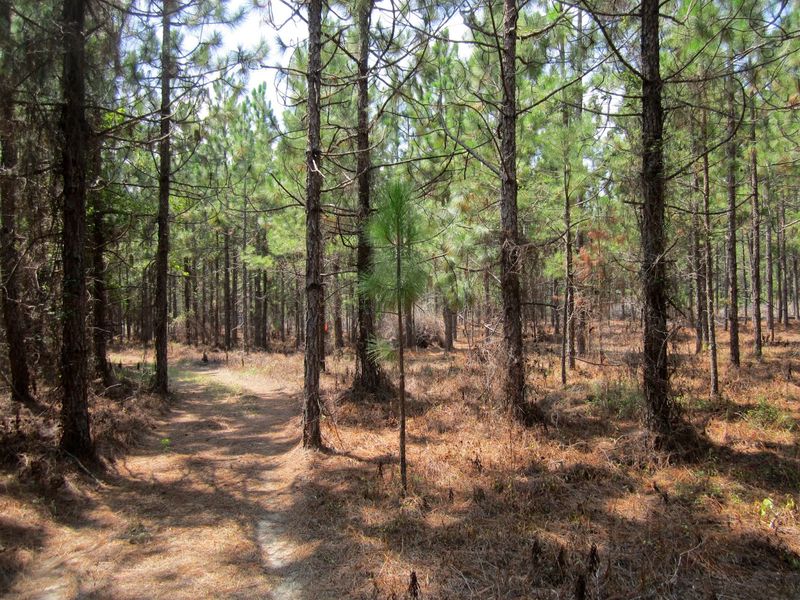
Food like that lives where cover is thick and the ground stays damp. The Forest Service habitat guidance describes the southern species in several forest types, including young loblolly pine plantations.
It also notes that thick leaf litter and moist microhabitats may favor higher densities.
That is where the pine straw picture comes from. Pine forests have a floor of fallen needles and leaves, and shrews use that kind of ground cover.
The link is to the forest floor in general.
The sources do not say that pine-straw mulch is a preferred habitat. They also do not say shrews routinely hunt in residential mulch beds, and they cannot prove that one lives in a particular yard.
A bed beside your porch is a very different place from a loblolly stand with years of built-up litter.
If you want a practical clue, look at the setting. Wooded edges with deep, damp litter fit the habitat description better than a thin, dry mulch layer in a sunny bed.
The venom evidence differs between the two species
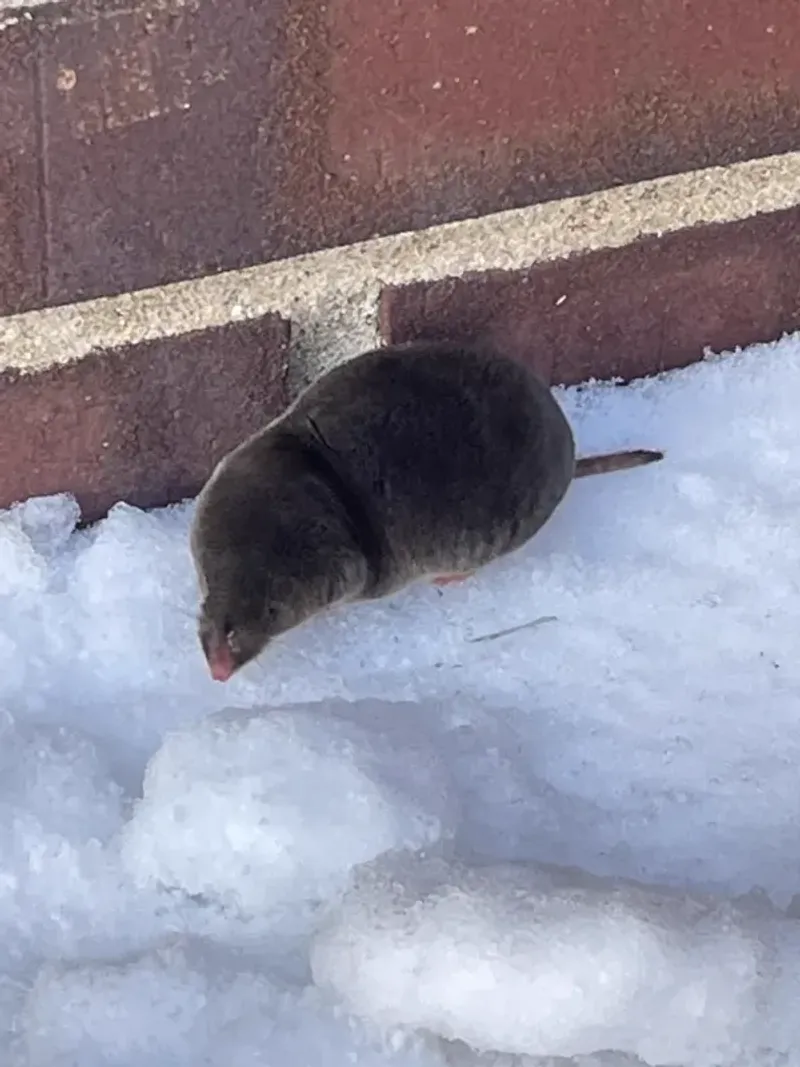
When people call a shrew venomous, they mean its saliva. That saliva can help the animal subdue prey, which lets a tiny hunter handle creatures that might otherwise escape.
It is not the same as a snake’s fang, because the shrew simply bites and the saliva does the work.
The best-studied case belongs to the northern short-tailed shrew, Blarina brevicauda. In a 2004 paper, researchers isolated and characterized blarina toxin, a protein from that species’ saliva.
That is hands-on lab work, done on that one species.
The southern short-tailed shrew, Blarina carolinensis, has a different kind of record. The Forest Service species account describes modified salivary glands in the southern species that are associated with a venomous bite.
That is a description of anatomy and a known trait, not a detailed chemical study.
The two stories should stay separate. What scientists measured for the northern shrew’s toxin cannot simply be copied over to the southern shrew, including how strong it is or what it does.
For the southern species, which is the one most South Carolinians would be near, the safest reading is that venom is part of how it feeds, with fewer details known.
What the evidence says about bites to people
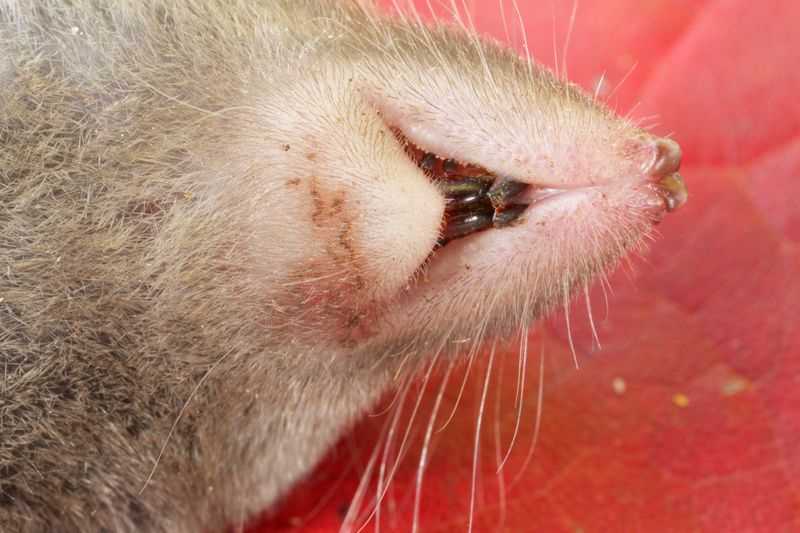
Start with what the toxin study actually showed. The lethal effects in the 2004 research came from toxin given to mice in experiments.
Those were lab doses, not human bite cases, so they do not tell you what a bite does to a person.
Human accounts are a different and much thinner set of reports. Clemson Extension says a human bite can cause bruising.
The research paper mentions earlier human accounts of burning near the puncture marks and swelling.
Put those side by side and you get a loose picture of local reactions. No one source gives a reliable measure of how bad a bite will be or how often bites happen in South Carolina.
Bites seem to be uncommon events, and the reports are scattered.
That means two claims are both wrong. A shrew bite is not known to be deadly to people, and it is also not safe to promise that a bite will be harmless.
Bruising, burning, and swelling are the kinds of effects that have been described, and each person’s reaction could differ.
The sensible reading is a modest one. Treat a bite as a real wound that deserves care, without panic.
Give wild shrews space and wash bites promptly
Leave shrews alone. Do not handle one, and do not let children or pets try to catch or play with one.
The CDC advises keeping your distance from wild animals, and a frightened shrew will bite to defend itself.
If a wild animal bites or scratches someone, wash the wound right away with soap and water. Get medical attention if the injury is serious or gets worse, such as spreading redness or growing swelling.
Ask a healthcare provider whether rabies-related care is needed, and let them make that call based on the situation.
Pet owners can help by watching dogs and cats around leaf piles and woodland edges. If a pet brings in a small animal, call a vet for advice rather than checking the animal yourself.
As for the pine straw, the picture is simple. Shrews staying active under ground cover all winter, as the National Park Service describes, is plausible across much of the state.
Nothing in Clemson’s account shows one living in your own pine-straw bed.
The hunter under the leaves is real, but your yard is only a possible stage for it.
Share this story