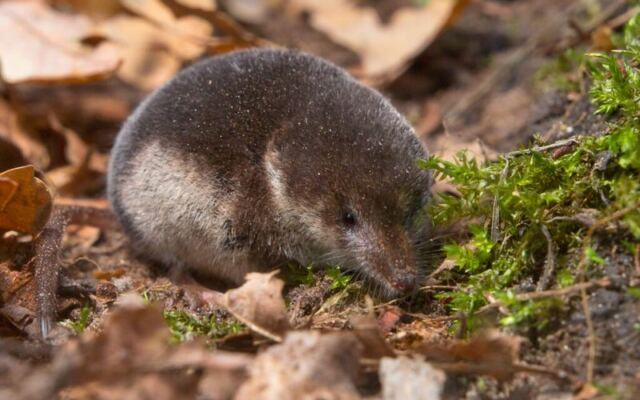
Some Missouri shrews stay busy all winter, hunting in the leaf litter and soil while the ground above looks frozen and still. Among them, the short-tailed shrews have saliva described as venomous.
That does not mean every yard hides one, and it is no cause for alarm. Here is what these tiny hunters do in the cold, what snow tunnels can really tell you, and how to stay safe.
Where shrews move in winter
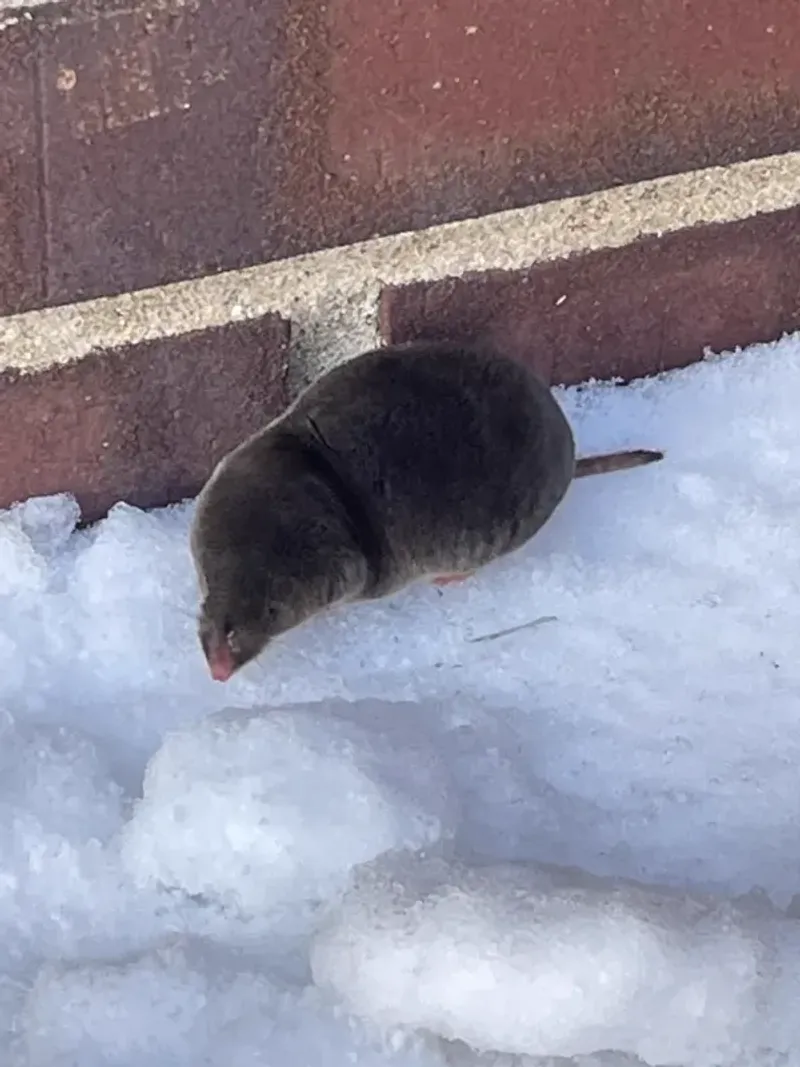
Picture the layer just under a pile of dead leaves. That is the shrew’s world.
According to the Missouri Department of Conservation, Missouri’s shrews generally run along the ground, through leaf litter, and just beneath the soil surface.
They are not always digging from scratch. Shrews may slip into tunnels made by moles or mice, or they may build their own.
Short-tailed shrew tunnels can reach nearly two feet below the surface, which puts them well beneath the worst of the surface cold.
Where they live matters for anyone looking out at a snowy yard. Short-tailed shrews occur statewide, but they are less frequent in grassy cover.
They favor dark, damp, or wet places, including fields with heavy, weedy growth, and they do better in that kind of messy habitat than on a tidy lawn.
So a frozen lawn is a possible setting, not proof of residents. A neat, mowed yard far from damp cover may have no shrews at all.
A brushy fence line, a woodpile near a wet corner, or a leafy garden bed gives them far more to work with.
If you want a picture of the likeliest shrew spots near your home, think shade, moisture, and cover. Think of the places where fallen leaves stay soggy and the soil never fully dries out.
Those pockets, not open turf, are where a winter shrew is most likely to be moving about unseen.
Shrews stay active through winter, but not at the same pace
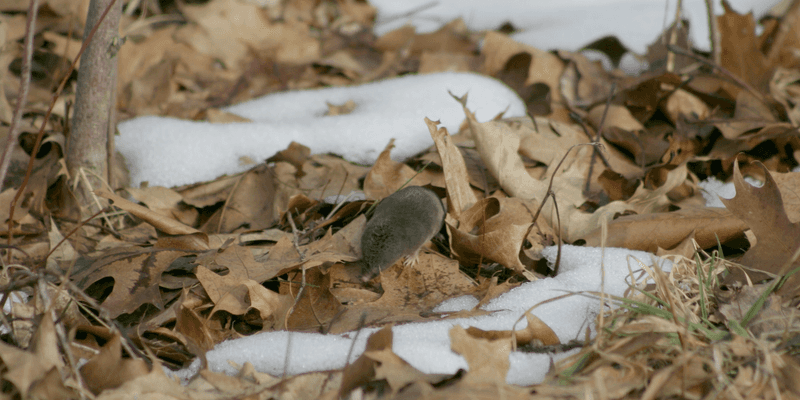
Cold weather does not shut shrews down the way it does bears or bats. The Missouri Department of Conservation says Missouri shrews do not hibernate.
In winter they search soil, leaf litter, and rotting logs for dormant insect larvae and pupae.
Some of the best details come from studies of one species. A university biological station describes northern short-tailed shrews building winter nests, caching food, and foraging when conditions are warmer.
Those are findings about northern short-tailed shrews, so they should not be stretched to every shrew in Missouri.
Research on that same species also points to a slower pace in the cold. A study in the Journal of Mammalogy describes winter foraging in a more thermally stable setting and reduced activity during cold periods.
In plain terms, the animal tends to stay snug and save energy during the harshest stretches.
That is why “hunting below all winter” is best read loosely. Shrews are around and able to feed, but they are not out hunting nonstop.
A bitter cold snap may find one resting in a nest or eating from a food stash, while a milder day may send it out to forage.
Other Missouri shrew species may behave differently, and the research here does not say they all follow the same routine. What you can say safely is that shrews stay in the game all winter, just not at full speed every hour of every day.
Snow tunnels do not identify their maker
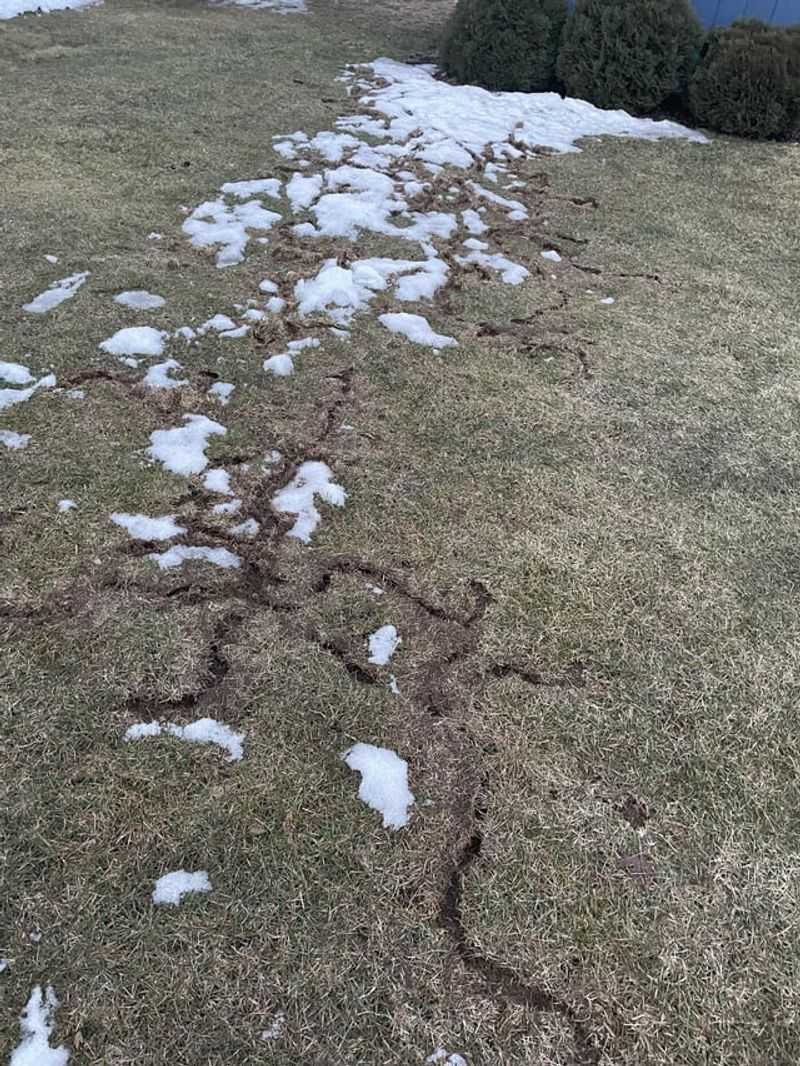
Snow works like a blanket. The Missouri Department of Conservation says voles, mice, and shrews all make or use tunnels under snow, and those tunnels insulate small animals from colder air above.
That sounds like an easy clue, but it falls short. If you spot a tangle of trails in grass after the snow melts, you cannot say a shrew made it.
The MDC winter field guide, Winter Treasure Hunt, describes a tangle of tunnels in grass under snow as evidence of vole activity.
Voles are the likely builders, and other small creatures may then borrow the trails. A shrew could well pass through one, but the tunnel itself does not prove it.
A few practical clues help you stay honest about what you see. Look at where the tunnels sit, since runs through thick grass fit the vole story best.
Notice whether they follow edges of garden beds or mulch, and whether you find clipped plant stems or nibbled bark nearby.
If you really want to know who is using a yard, a photo from a trail camera tells you far more than a trail in the snow ever will.
Only short-tailed shrews have the venomous-saliva claim
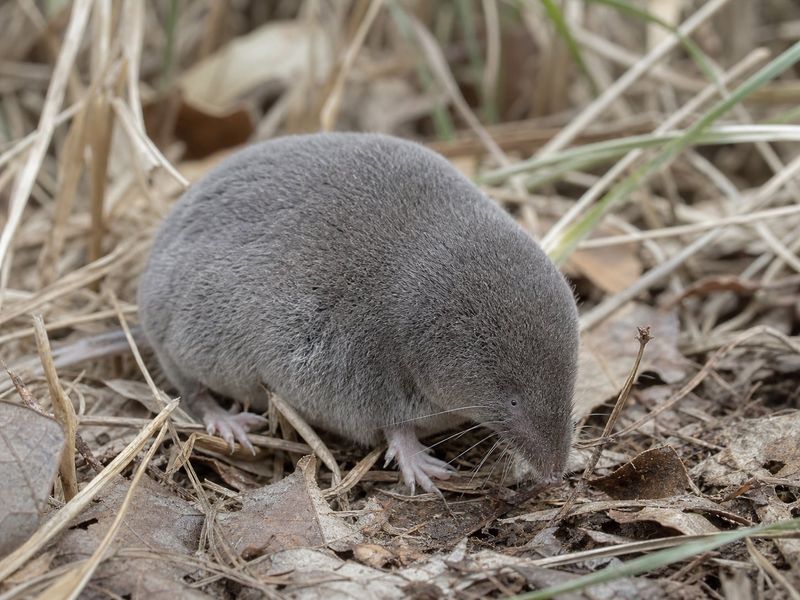
Missouri has six shrew species, and only some of them fit the headline. The Missouri Department of Conservation identifies three of them as short-tailed shrews and describes the saliva of those three as venomous.
The other Missouri shrews are not covered by that description.
So the next time you hear “venomous shrew,” the right question is which kind. A tiny gray animal in the leaves could be a short-tailed shrew, but it could just as easily be a different species.
Telling them apart takes a close look and some experience.
The best-known science comes from one species. A study in PNAS isolated and characterized a toxin from the venom of Blarina brevicauda, the northern short-tailed shrew.
That is a solid finding, but it has limits. The study looked at Blarina brevicauda, so it does not show that every Missouri short-tailed species has the same venom chemistry or the same effects.
MDC applies the venom description to all three Missouri short-tailed species, and the toxin work backs up the core idea without proving every detail for each one.
The takeaway is simple. Venom belongs to a specific group of shrews, not the whole family, and the details of that venom are best known from one species.
What the evidence says about shrew bites
A shrew’s venom is a hunting tool. It helps a very small animal subdue prey that can be as big as it is, and that is why scientists study it.
The toxin research describes potent effects in other mammals, which is a lab result and says little about a bite to a person.
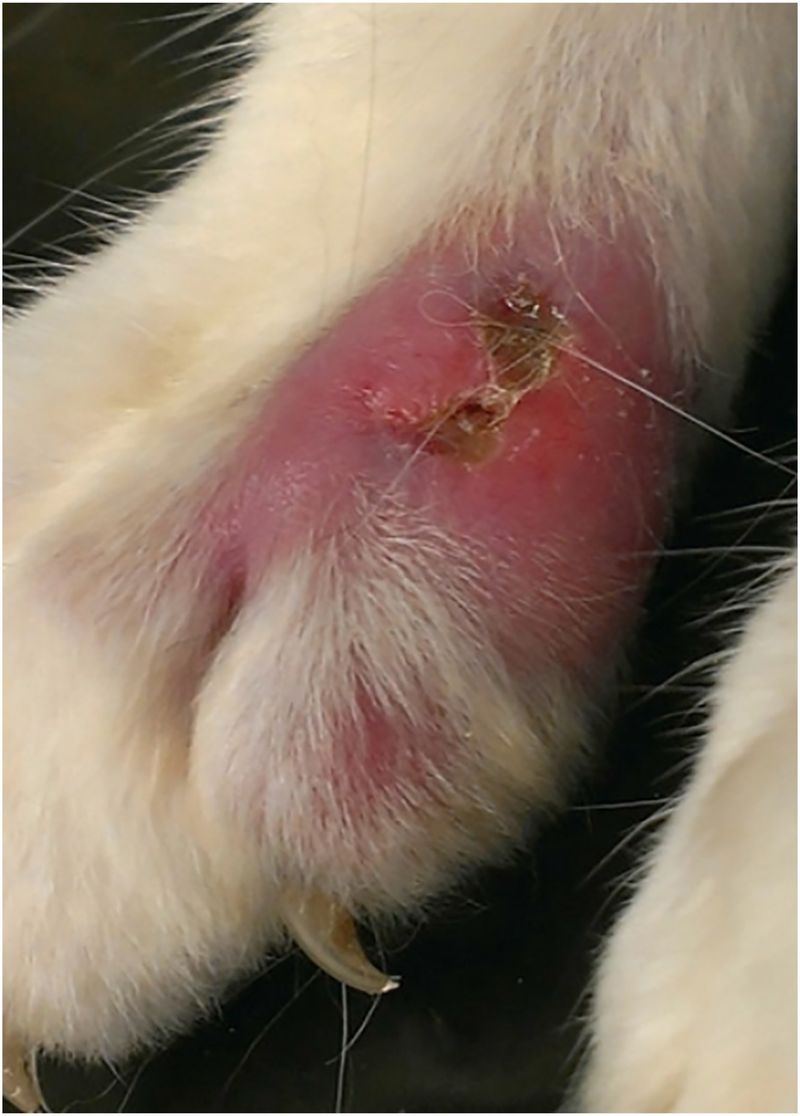
Human bites are a different story, and the record is thin. The PNAS toxin paper includes a report of human bites with localized burning and swelling.
It is an account of what happened to some people, not a careful clinical safety study.
For a practical read, there is a wildlife-safety guide. University of Wisconsin Extension says short-tailed shrew bites may cause painful swelling and are not life-threatening.
That is reassuring, but it is a general assessment. It does not promise how any one bite will go, since people and situations vary.
Nothing in these sources says a shrew bite kills or paralyzes a person, and nothing says every bite is harmless either.
The fair summary is that a bite can hurt and swell, and serious outcomes are not what the sources describe. Still, a bite from any wild animal deserves care rather than a shrug.
Keep your distance and wash a bite promptly

The easiest way to avoid a bite is to leave the animal alone. If you spot a shrew while moving leaves or stacked wood, do not pick it up, and do not corner it.
A frightened wild animal bites, and shrews are small enough to slip away if you simply step back.
Gloves are a sensible habit when you clear brush or lift debris, since that is where you are most likely to surprise something. Pets deserve the same caution, so call a dog or cat away rather than letting it chase.
If a bite does happen, wash it promptly and thoroughly with soap and water. The CDC gives wound-washing advice in its rabies post-exposure guidance, so that is the setting for it.
The page does not say shrews carry a rabies risk.
After washing, take the injury seriously and ask a doctor or your local health provider what to do. Swelling and pain were what the Wisconsin guide described, so ask for help if symptoms seem worse than that.
The shrew under your winter yard is a quiet neighbor with a job to do. Let it keep doing it.
Share this story