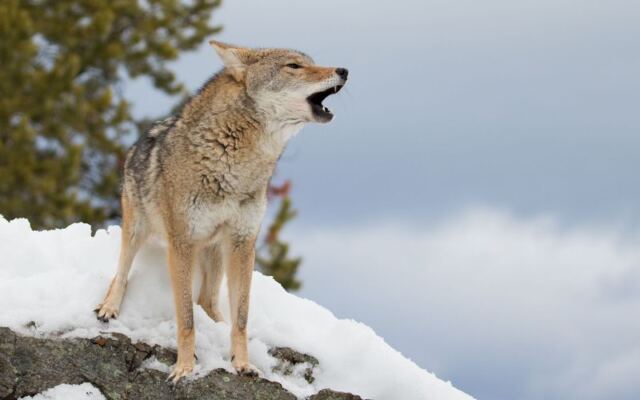
That eerie chorus of howls and yips outside your window may well be coyotes keeping in touch with their family. Coyotes live all over Alabama, so many of us hear them at some point, from pastures to neighborhood edges.
Family contact is only one of several things those calls can mean, and knowing the others can take the edge off a spooky night. Here is what the sounds can tell you, what they cannot, and what to do around your home.
Alabama coyotes share space with people statewide
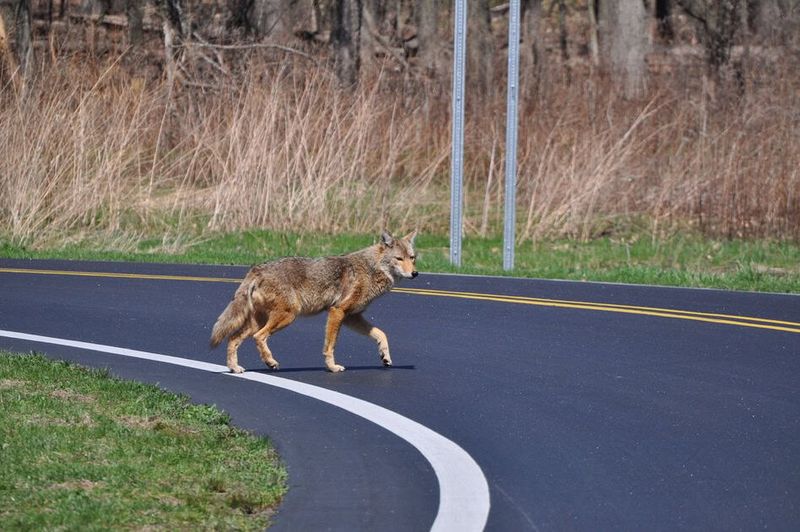
Hearing a wild voice near your house at midnight can raise the hair on your arms. Still, coyotes are a normal part of Alabama’s wildlife.
Outdoor Alabama says coyotes occur statewide, including in urban areas.
That means a howl can drift in from a cattle pasture in the Black Belt, a wooded lot outside Huntsville, a creek corridor in Birmingham, or a patch of scrub near Mobile. Coyotes are adaptable animals, and they can live quietly close to people without most folks ever seeing one.
A howl can sound very close on a still night, but sound travels a long way after dark. Hearing one does not mean a coyote is in your yard.
It also does not mean anyone is in danger.
So the first thing to know is that the sound itself is ordinary. The better question is what the animals are saying to each other, and that is where the story gets interesting.
One call can carry more than one message
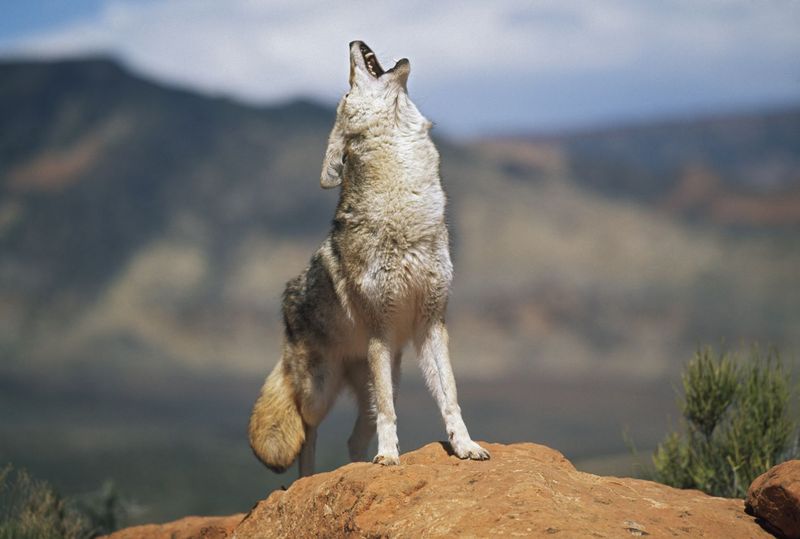
Coyotes use howls and yip-howls to communicate across distance. According to SUNY ESF, these calls can help family members locate one another and reinforce social bonds.
They can also signal that a territory is already occupied.
Wildlife agencies such as MassWildlife describe similar uses. So the headline idea, that coyotes are checking in with family, is a reasonable and well-grounded possibility.
Here is the catch. Those jobs overlap, and a single bout of howling can serve more than one at once.
Nobody standing on a porch can tell from the sound alone which purpose a particular call has.
Think of it like hearing a person shout across a field. It could be a greeting, a location check, or a message to a neighbor.
You would need more context to know for sure.
Territorial calling is also worth understanding correctly. It is communication aimed at other coyotes, a way of saying who lives where.
It is not a sign that coyotes are about to walk into your yard or go after pets or people.
Does the calendar explain the noise?
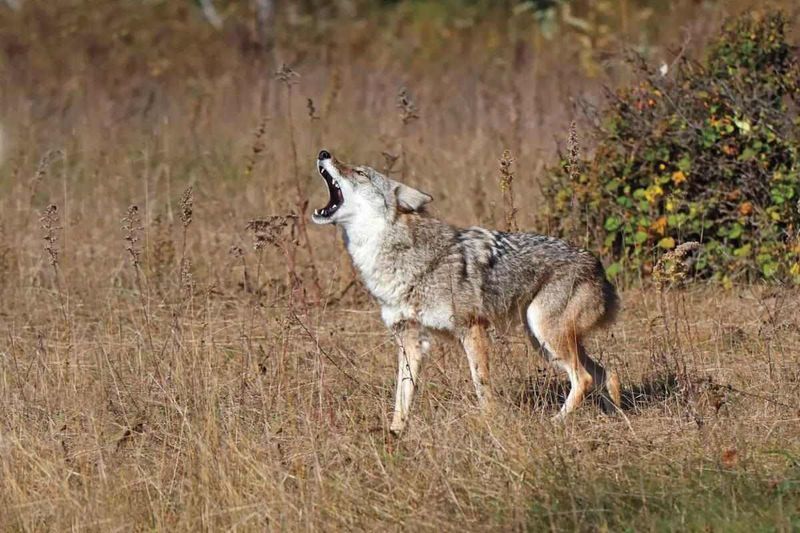
Many people assume winter howls mean breeding season. In Alabama, Outdoor Alabama lists the typical breeding months as February and March.
A howl you hear in late November is therefore not proof that breeding is underway.
Seasons can still give some context. Wildlife sources describe pups making their own vocalizations as they grow, and MassWildlife and the North Carolina Wildlife Resources Commission mention late-summer pup calls.
Those sources do not give an exact Alabama schedule for when pup yips become noticeable, so it is best not to pin one on the calendar.
The practical takeaway is simple. The time of year may make some explanations more likely than others, but it cannot tell you what a single call meant.
A November howl might be family contact, a territory announcement, or something else entirely.
If you want to be a good listener, treat the season as a loose backdrop rather than an answer key.
Sirens can prompt a response without revealing why

Ever notice howling erupt right after an ambulance passes? You are not imagining it.
Researchers have used sirens in wildlife studies to draw out coyote calls, as described in a study on eliciting vocal responses from coyotes.
That same method shows up in research on how people perceive coyote group size. So sirens and other loud sounds can elicit coyote vocal responses, and a howl after a siren is entirely plausible.
What the studies show is that a response can happen. They do not show why the coyotes answered.
It is a common guess that coyotes think a siren is another coyote, but nothing in this research proves that.
For your own listening, the useful clue is timing. If the howls begin right after a siren fades, the sound likely set them off.
Beyond that, you cannot read their reasons from the chorus.
Other loud noises can do the same job, so a passing train or a distant alarm may stir them up too.
A chorus is a poor head count
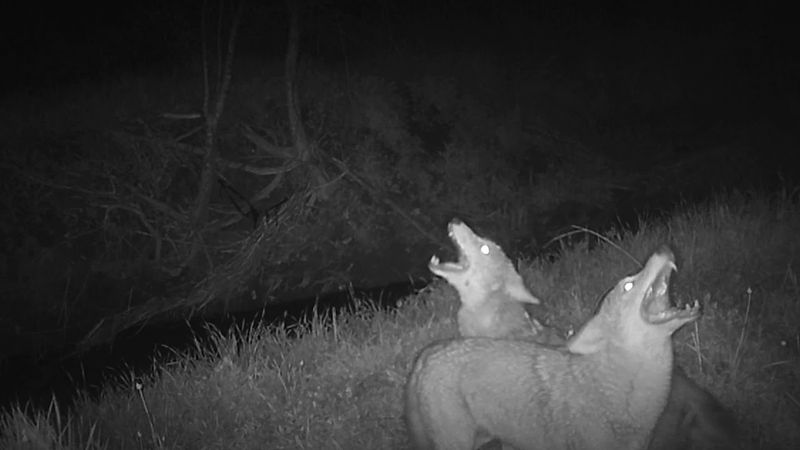
A wall of yips and howls can sound like a whole pack has surrounded your property. Our ears are easily fooled.
In a study of human perception of coyote group size, people listened to recordings of one to four coyotes.
Participants generally overestimated how many animals they heard, by nearly twofold on average. In other words, two coyotes could sound like four.
Coyote voices are high, quick, and varied, and they overlap in ways that make a small group sound much bigger. Echoes from trees and buildings can add to the effect.
So if you hear what seems like a dozen animals, the real number may be far smaller. A loud chorus is not a reliable count of coyotes nearby.
This is good news for anyone feeling uneasy. A big sound does not equal a big group, and it certainly does not equal a threat.
Pet and yard precautions reduce avoidable encounters

Hearing coyotes does not mean pets are in trouble, but a few habits keep things uneventful. These are preventive steps, not a sign that coyotes commonly attack pets.
The Humane Society of the United States points to risks such as unattended pets and coyotes that have grown used to people.
Supervise pets whenever they are outside, especially at dawn, dusk, and night. Walk dogs on a leash, and do not let a pet approach or interact with a coyote.
Next, take away the reasons for a visit. Bring pet food indoors, and keep trash in secure, closed containers.
Fallen fruit and open compost can also draw wildlife.
If a coyote does come close, hazing from a safe distance may help. Yelling or stomping can discourage a close approach, though USDA APHIS notes that results can depend on the animal’s past experience with people.
Never feed a coyote or try to approach one. Distance is your friend, and a howl in the dark does not make an attack likely.
When behavior changes, keep your distance
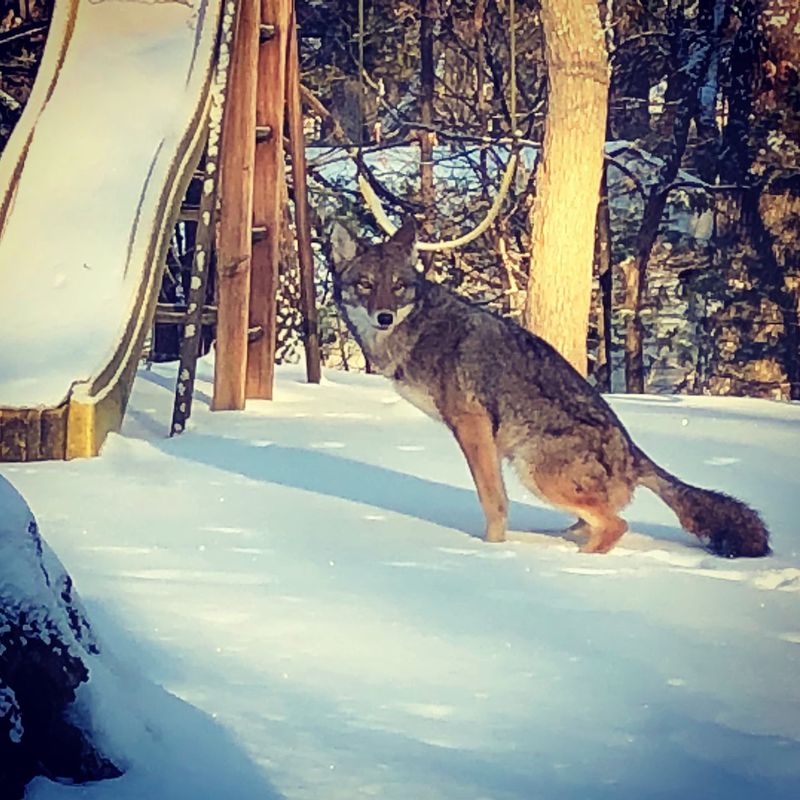
Howling is normal coyote talk. What deserves attention is behavior that seems out of character, such as a coyote that seems unafraid of people, stumbles, or acts oddly.
A howl by itself does not mean an animal is aggressive or rabid.
The CDC advises keeping your distance from wildlife and contacting local animal control if an animal is acting strangely. Do not try to get close for a photo or a better look.
If anyone is bitten or scratched, wash the wound and promptly seek medical or public-health advice about rabies risk. The CDC’s rabies prevention guidance explains why quick action matters.
Keep pets away from any wild animal that seems unwell, and tell neighbors if animal control has been called. Calm, early reporting is better than guessing.
Treat the howl as a clue, not a warning
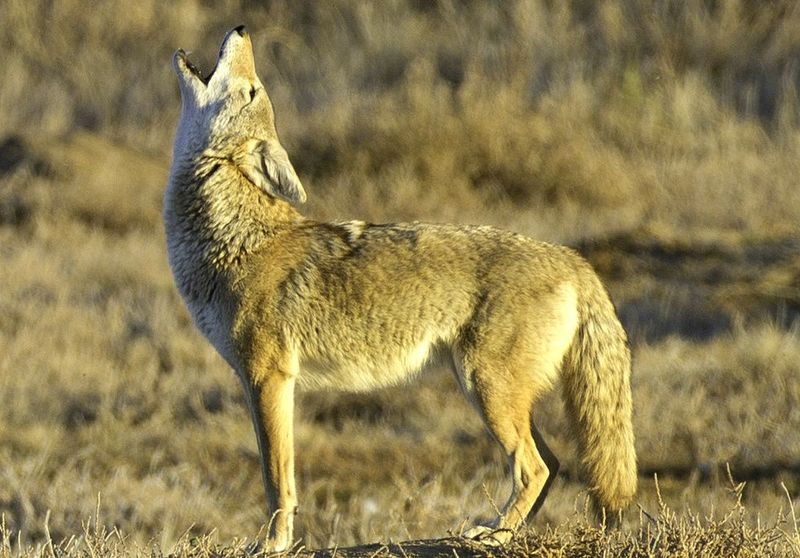
A coyote call helps animals talk to one another, as SUNY ESF describes, but its exact message cannot be known from sound alone. The howl is not evidence of immediate danger.
Keep an eye on pets, and follow CDC advice to give wildlife room.
Next time the yips drift across your yard, you can simply listen. Somewhere out there, a neighbor with four legs is probably just talking.
Share this story