Alabama is home to a few truly dangerous snakes and spiders, but many of the critters that make people scream are actually harmless. Some of them even copy the colors or moves of venomous animals as a clever trick to stay alive.
Knowing the difference can save you a panic attack and save a helpful animal from getting hurt. Here are seven backyard bluffers you can admire instead of fleeing.
1. Scarlet Kingsnake
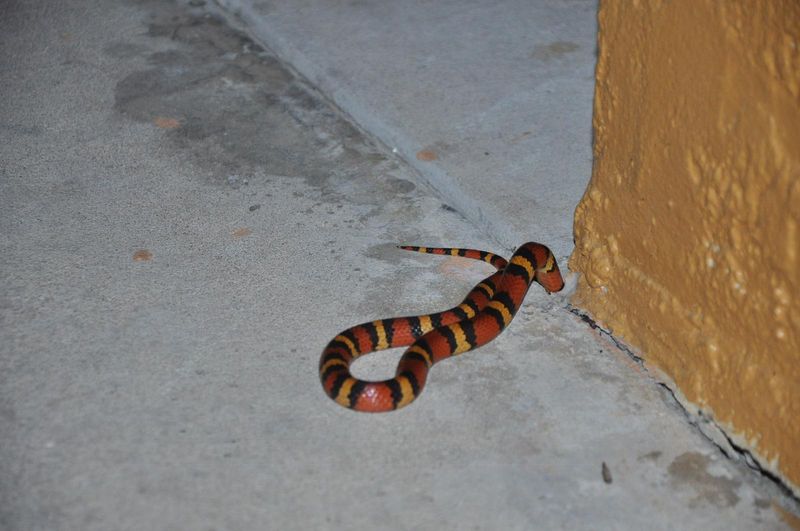
Red touches black, friend of Jack. Generations of Southern kids learned that rhyme, and the scarlet kingsnake is the reason it exists.
With its glossy red, black, and yellow rings, this small snake looks a lot like the venomous eastern coral snake. The key difference is the order of the colors.
On the kingsnake, red bands touch black bands, while on a coral snake, red touches yellow.
Scarlet kingsnakes rarely grow longer than two feet and spend most of their time hiding under loose bark or rotting logs. They eat lizards, small snakes, and rodents.
They have no venom at all and pose zero danger to people.
One quick tip: the rhyme works well in Alabama, but it does not apply to coral snakes in other parts of the world. When in doubt, just admire from a few steps back.
2. Eastern Hognose Snake
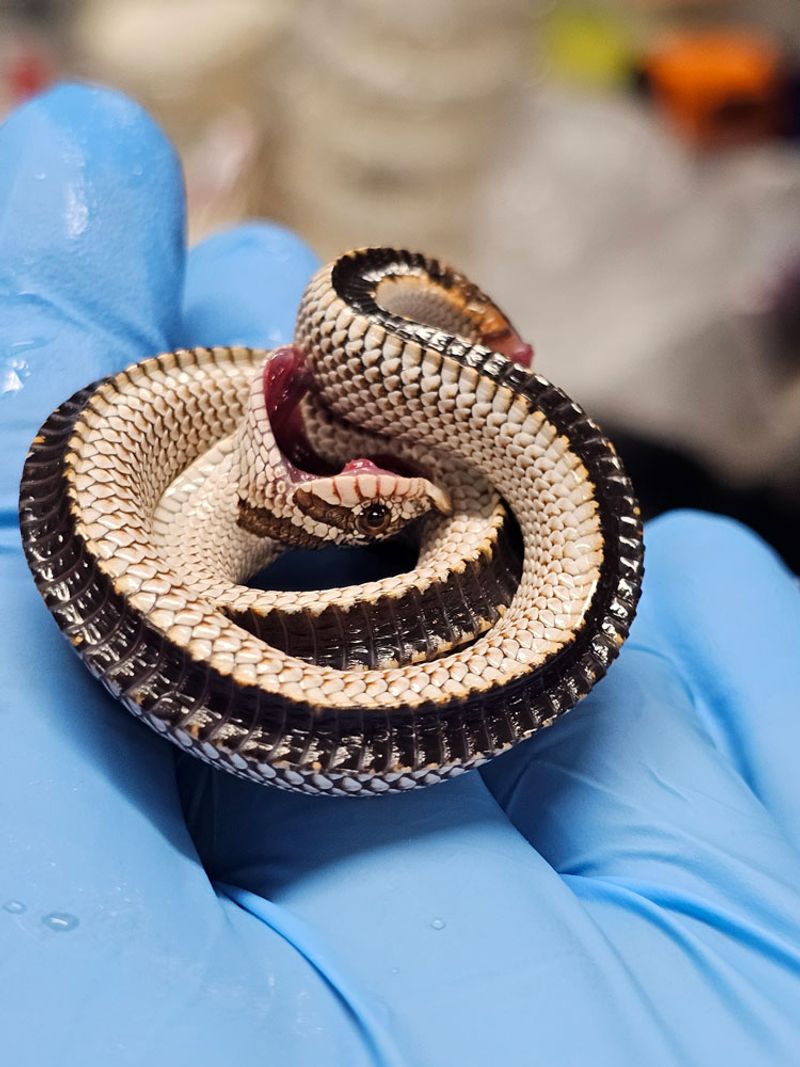
Picture a snake that hisses, puffs up like a cobra, and then flops over dead with its tongue hanging out. That is the eastern hognose, the drama queen of Alabama woods.
Because it flattens its neck and strikes with its mouth closed, many folks assume it is deadly. In truth, the strikes are pure bluff.
If the act fails, it rolls onto its back, releases a stinky musk, and plays dead.
Here is the funny part. If you flip a “dead” hognose right side up, it often rolls belly-up again, as if insisting on the performance.
These snakes love sandy soil and feast on toads. Their upturned snout works like a little shovel for digging.
They are mostly harmless to people and are a joy to spot.
3. Northern Water Snake
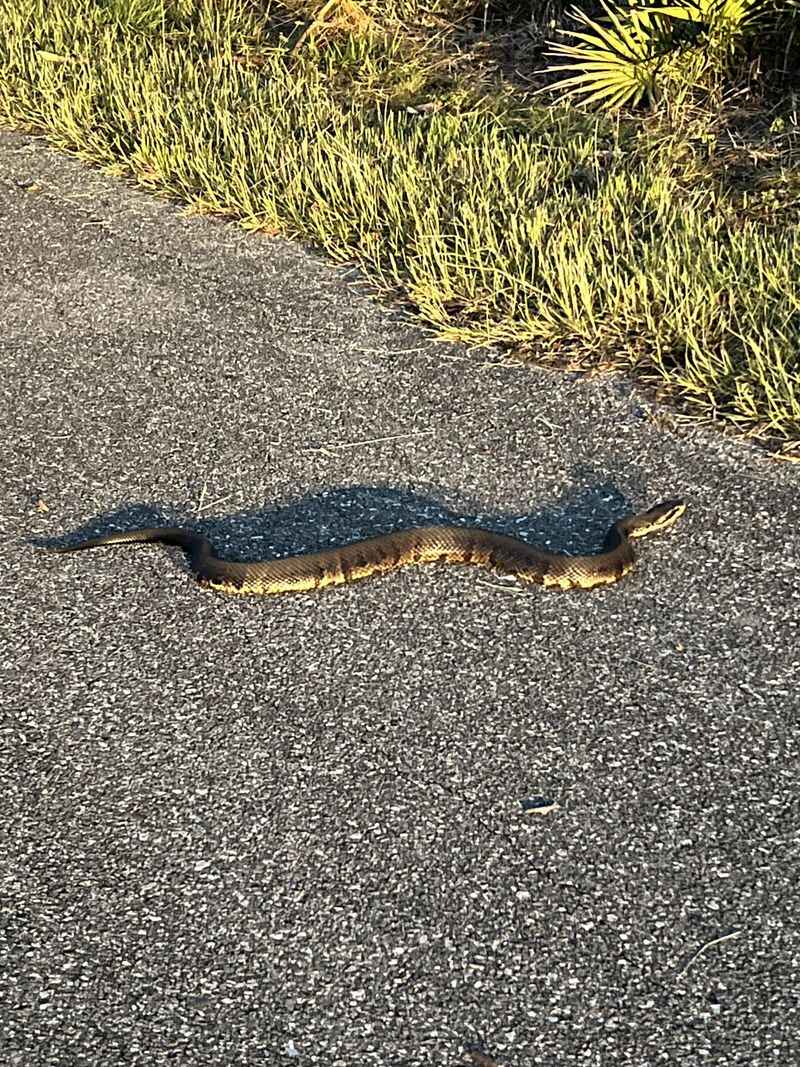
Ask any fisherman on an Alabama creek about water moccasins, and odds are good the snake they saw was actually a water snake.
Northern and other water snakes are thick, dark, and banded, and they hang out near water just like cottonmouths. That overlap fools a lot of people.
Water snakes swim with most of their body below the surface, while cottonmouths tend to float high, like a stick on top of the water.
Water snakes also have round pupils and lack the heat-sensing pits found on venomous pit vipers. They can bite hard if grabbed and may musk you, so leave them alone.
Still, they are not venomous and play an important role eating fish and frogs.
4. Gray Rat Snake
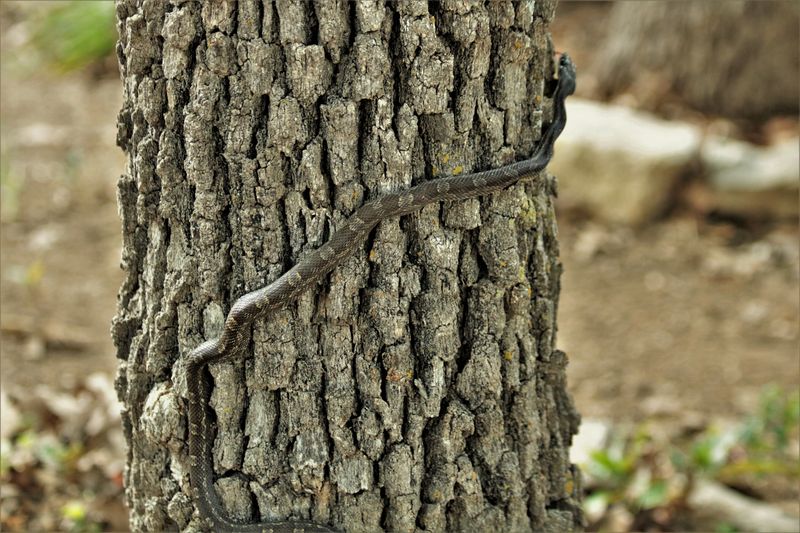
Few snakes climb trees like a gray rat snake. Folks have found them in barn rafters, chicken coops, and even attics.
Their gray blotches look a bit like a rattlesnake or copperhead pattern, and when nervous, they freeze in kinked shapes and vibrate their tails in dry leaves. That rattling sound sends many people running.
Rat snakes are constrictors with no venom. They are some of the best pest control around, eating rats and mice that spread disease.
A healthy rat snake near your shed is basically a free exterminator.
5. Fishing Spider
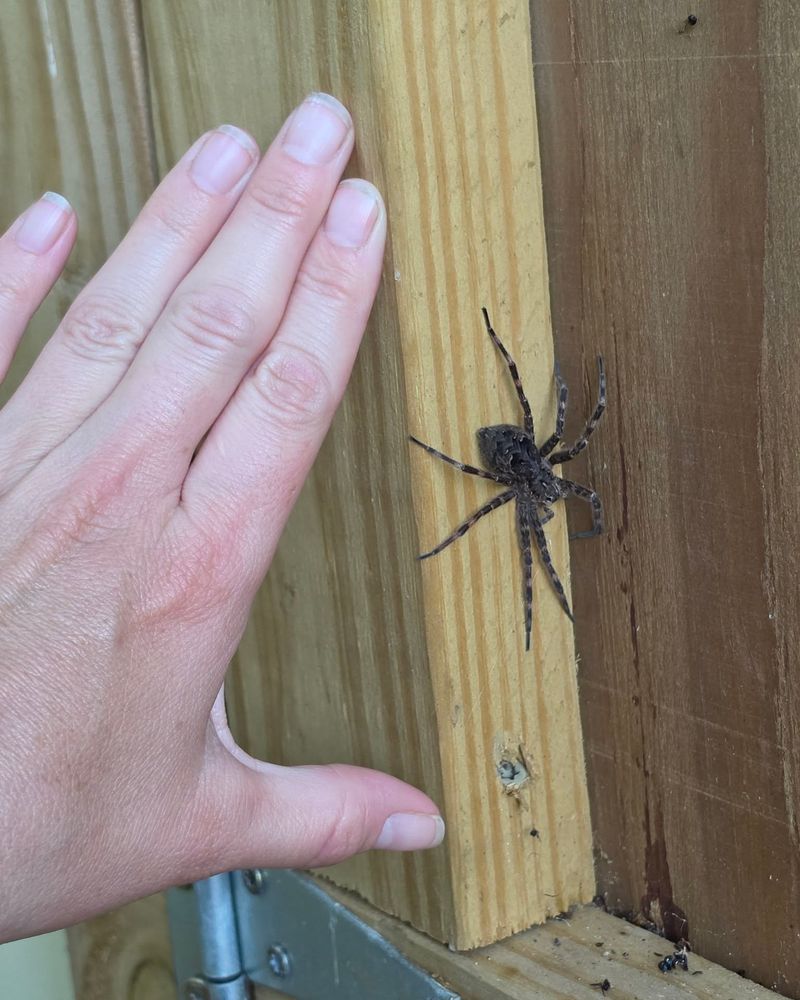
Yes, it is huge. A fishing spider can stretch wider than your palm, and the first time one scuttles across a boat dock, your heart might skip.
Many people mistake them for brown recluses or wolf spiders gone wild. Fishing spiders are actually shy hunters that can walk on water and dive beneath the surface to catch tadpoles and tiny fish.
Their bite is rare and usually feels like a bee sting at worst. They would much rather run away.
Spotting one is a sign of a healthy pond.
6. Hover Fly
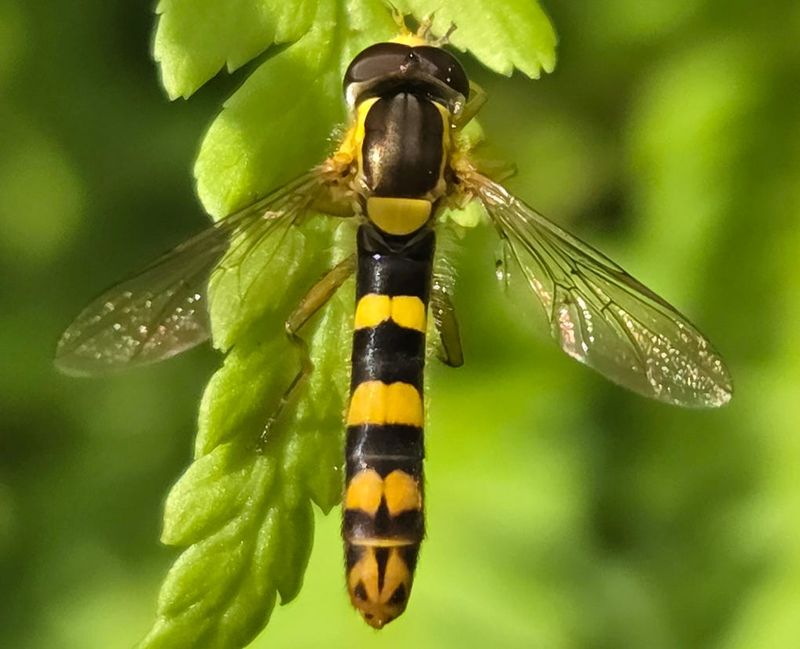
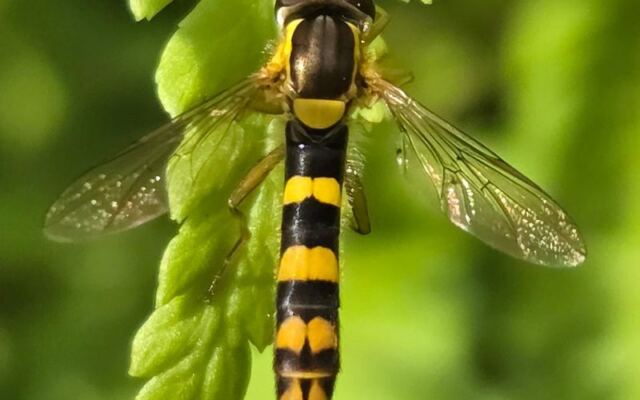
Bees and wasps have a bold yellow and black warning outfit. Hover flies just borrowed it.
These little flies wear stripes so convincing that birds and people alike back off. A closer look shows only two wings, big fly eyes, and no stinger at all.
They also hover in midair like tiny helicopters, which wasps rarely do.
Gardeners should cheer when they see them. Adults pollinate flowers, and their larvae eat aphids by the hundreds.
7. Eastern Glass Lizard
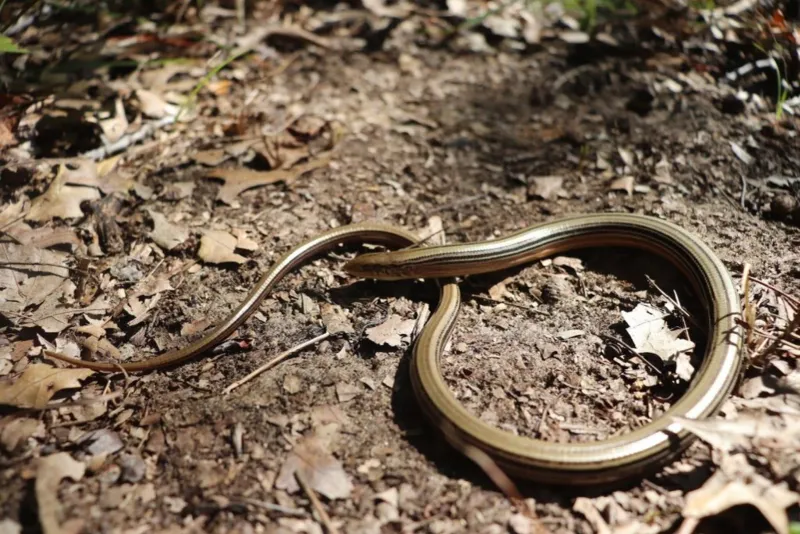
Surprise: that slick, striped snake in the grass might not be a snake at all. The eastern glass lizard has no legs, yet it is a true lizard.
You can tell by its eyelids, which snakes do not have, and its ear openings. Its stiff body also moves differently than a snake’s.
Here is the fun fact that earned its name. When grabbed, its long tail can snap into pieces like glass, wiggling to distract predators while the lizard escapes.
It is completely harmless and lives in sandy coastal areas.
Share this story