
Full Sun Planter Ideas That Outsmart the Summer Heat
The terracotta pot cracks with a dry snap as you lift it from the patio stones. You pull back the top dressing and watch soil shrink away from the edges like a retreating tide. Leaves that stood proud at breakfast now hang like damp paper bags. The reality is that summer heat does not negotiate with container gardens. Most people respond by dragging a hose across the deck twice a day, which only wastes water and steams the roots alive.
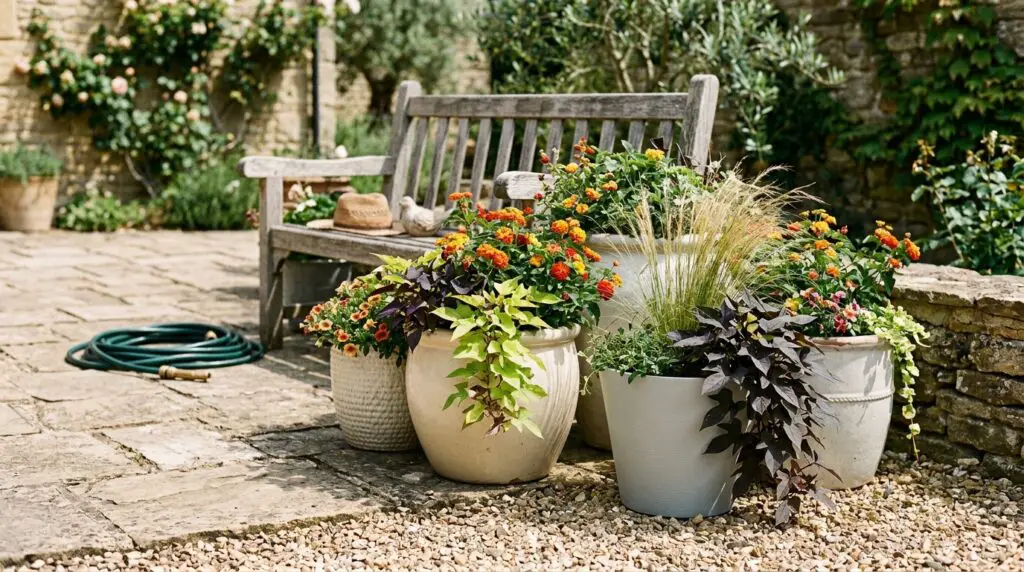
In truth, you need a completely different approach. Full sun planters survive when you treat them as small climate zones rather than decorative buckets. The right pot material, a properly adjusted soil recipe, and a few simple placement tricks turn brutal afternoon light into steady growth. Let us fix the setup before the next heat wave arrives.
Full Sun Planter Ideas for Blazing Afternoons
Outdoor Container Gardening Strategies for Direct Light
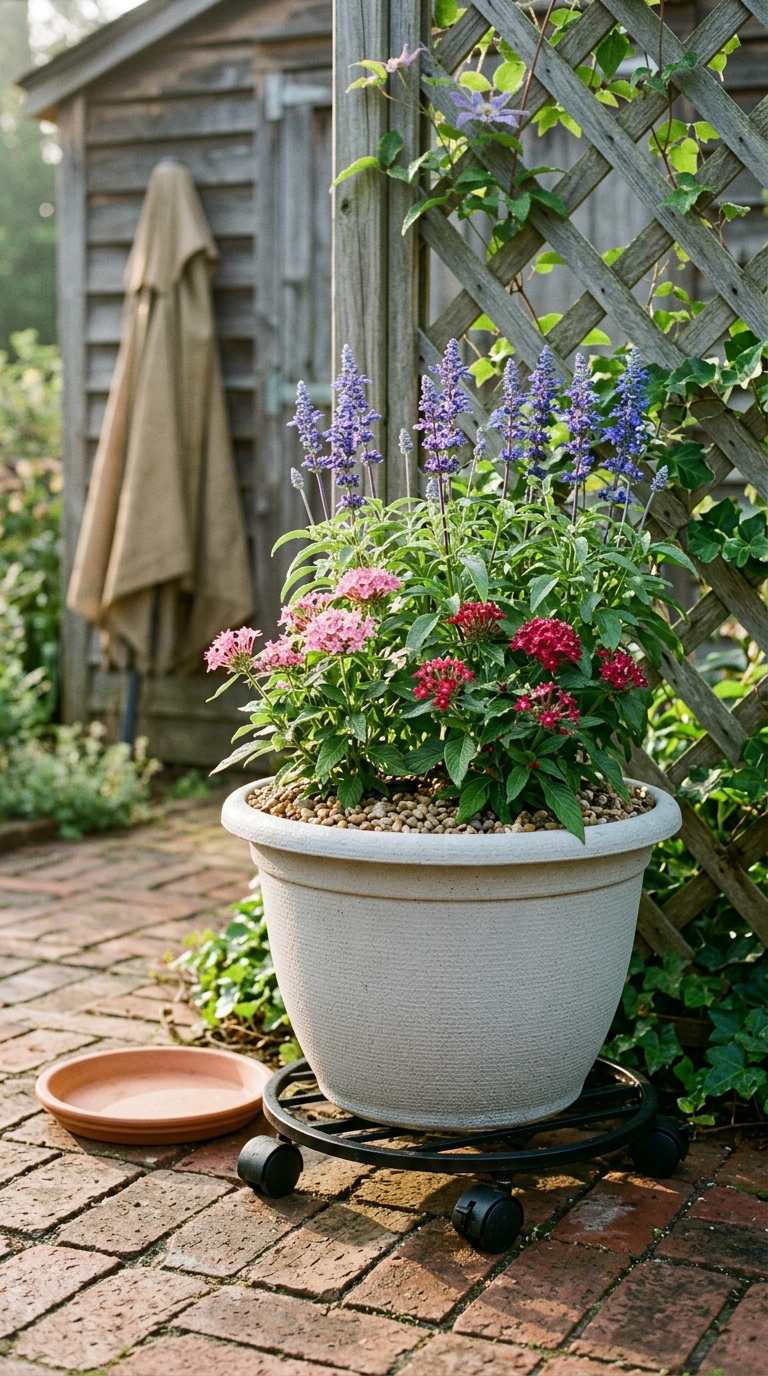
It starts with planter choice. Thin plastic pots can turn into skillets by noon. The roots press against the hot walls and shut down completely. A better choice is to switch to thick resin, glazed ceramic, or wood planters with solid walls because these materials slow heat transfer and give roots a proper buffer. You should also remember dark colors absorb radiation while light finishes reflect it back into the air. A pale gray or cream pot drops root zone temperatures by several degrees compared to charcoal or black finishes.
Placement matters just as much as material selection. Direct light shifts across a patio as the season changes, so move heavy containers onto plant caddies and roll them out of the two o’clock sun. Tuck pots behind a bench or a larger shrub during peak UV hours. The plants still receive six hours of gentle morning light while skipping the brutal afternoon blast that triggers wilting. You can also angle containers slightly toward the east to catch early rays and avoid the harshest western exposure.
Best Plants for Direct Sunlight That Refuse to Wilt
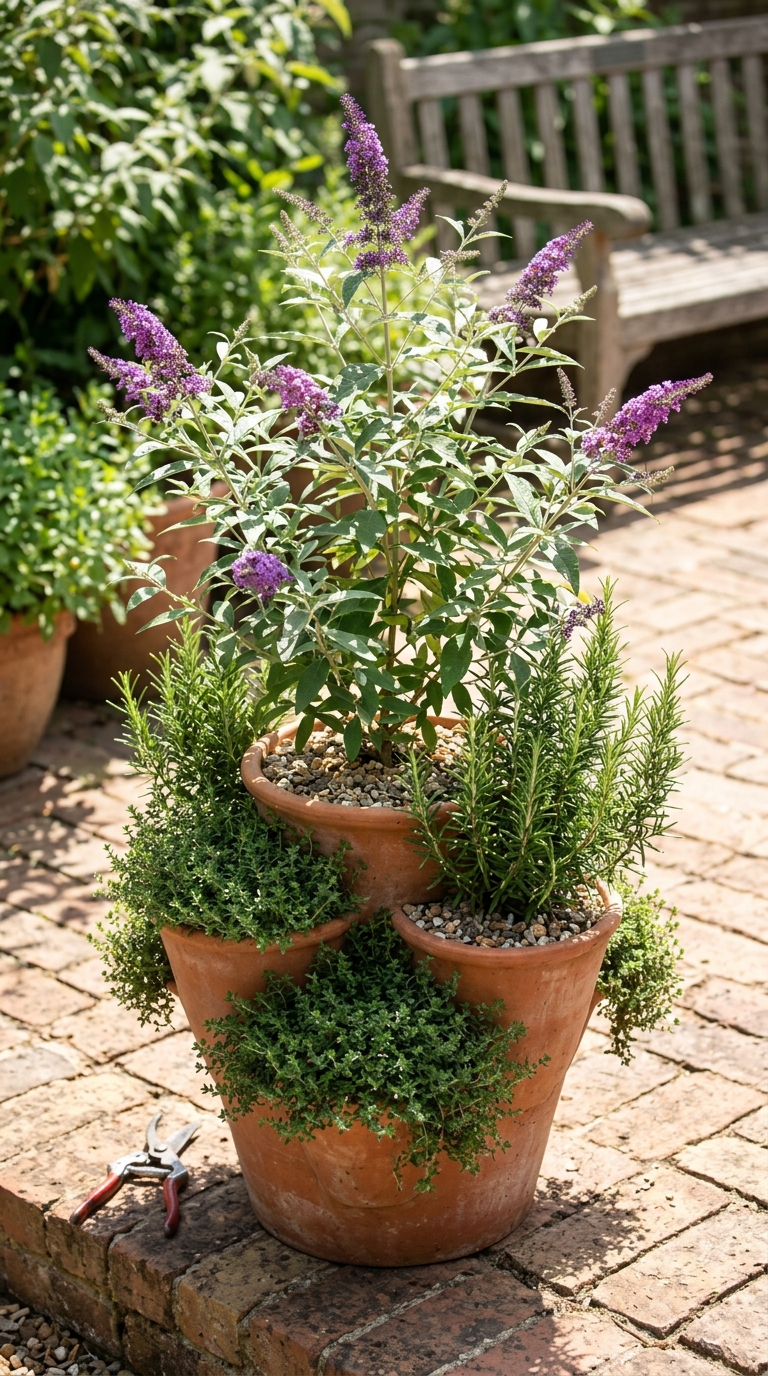
Of course some plants wear their own natural sunscreen. Look for foliage with a waxy coating, silver undertones, or fine hairs that trap moisture. Lantana, pentas, and salvia push through high temperatures because their leaves deflect harsh rays and conserve water. Ornamental grasses add height and movement while tolerating dry soil. Their narrow blades reduce surface area and limit water loss during long hot days.
Build your arrangement with canopy logic instead of just random placement. Place a tall thriller in the center or back and let it cast a light shadow over lower fillers. Pair upright rosemary or dwarf buddleia with spreading sweet potato vine or creeping thyme. The top layer takes the full hit while the bottom layer stays cooler and holds soil moisture longer. This stacking method mimics natural plant communities and cuts down on midday stress. Add a few trailing nasturtiums to spill over the edges and protect the pot rim from direct sun.
Heat Tolerant Container Plants That Keep Their Cool
Thriving in Hot Weather Gardens With Smart Soil Mixes
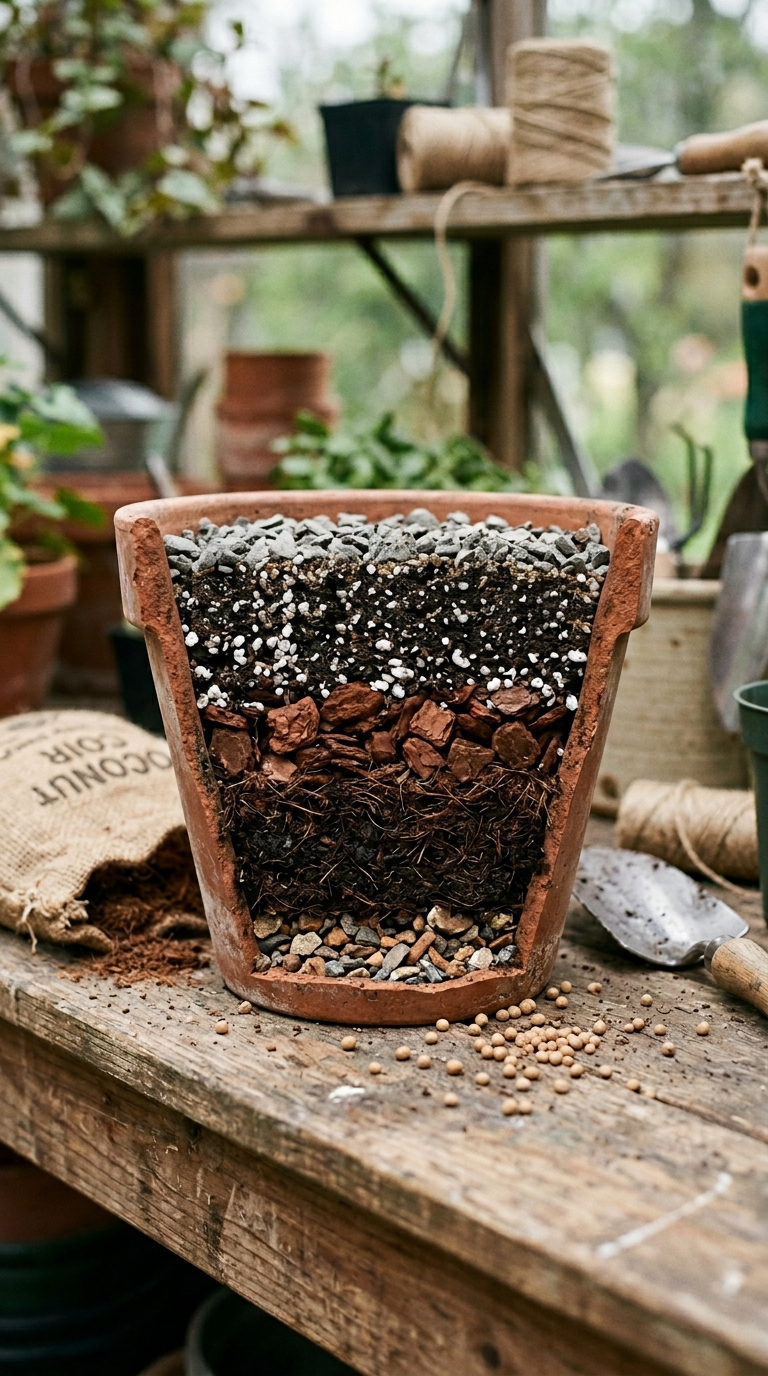
Standard bagged potting mix turns hydrophobic after three weeks of direct sun. Water runs straight down the sides and leaves the center bone dry. You need a blend that holds structure under intense heat. Mix equal parts coconut coir, composted pine bark, and coarse perlite before adding a slow release fertilizer pellet rated for summer feeding. The coir retains moisture without turning soggy while the pine bark creates air pockets that keep roots breathing. Perlite prevents compaction when the soil dries out between waterings.
Top dressing finishes the job perfectly. Spread a half inch of expanded shale or pea gravel over the soil surface to block direct sun from hitting the dirt. The stone layer slows evaporation and stops the top crust from baking into a hard shell. Rain and hose water slip right through while the soil underneath stays loose and workable all season. You can also use crushed oyster shells or coarse horticultural grit if you prefer a lighter aesthetic. The goal remains the same. Keep the sun off the bare soil.
Warm Climate Planting Guide for Pots That Bake
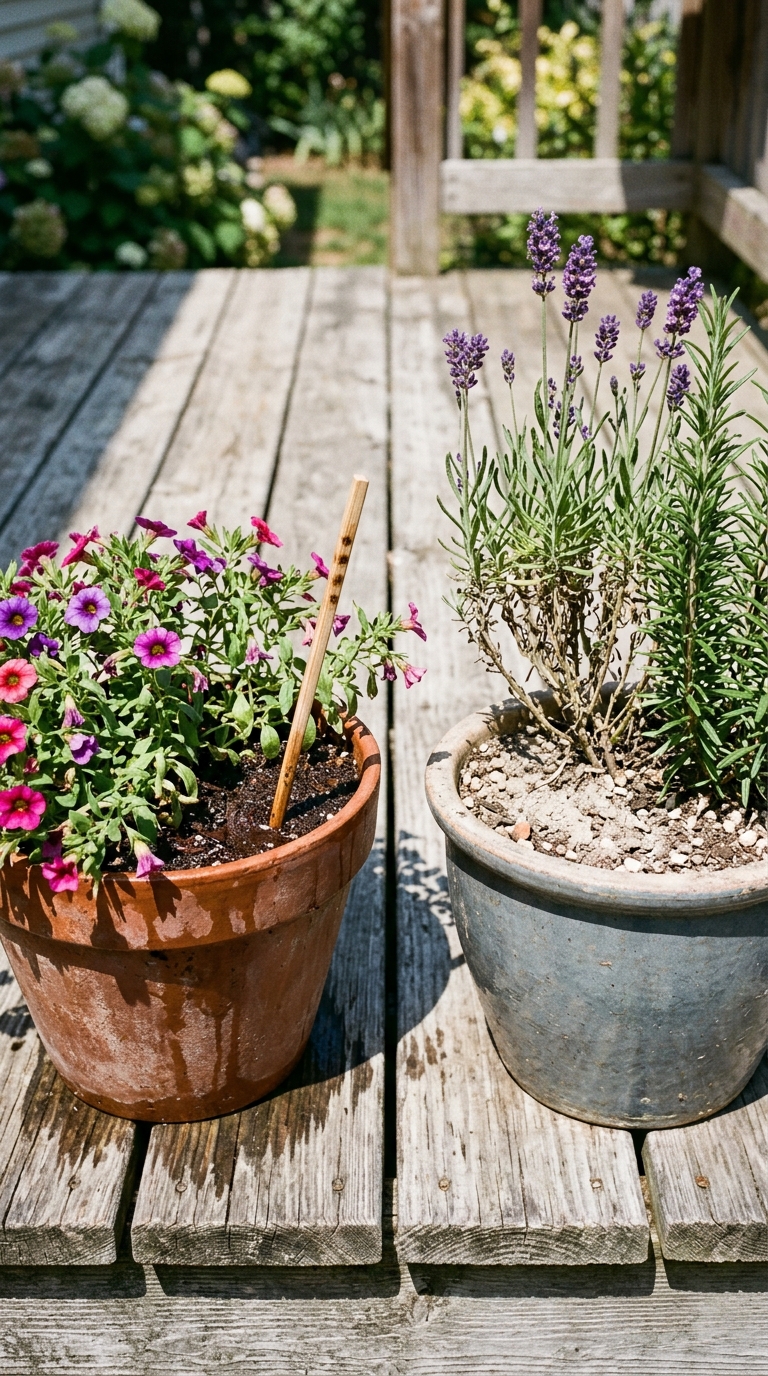
Plants react to heat in completely different ways. Some sweat and keep growing while others sip slowly and pause. A few shut down entirely until temperatures drop. Group containers by these habits so you do not overwater the dormant ones or underwater the active growers. Keep heavy drinkers like calibrachoa separate from Mediterranean herbs and succulents.
Learn to read the leaves correctly before panicking. Midday droop often means the plant is conserving water rather than dying. Check the soil before grabbing the hose. Push a finger two inches deep and step back if it feels damp. The foliage will perk up by evening. Water only when the top layer feels dry and the pot feels noticeably light. Aim for early morning or late afternoon watering sessions. Midday watering creates steam in the root zone and encourages fungal trouble. Keep a simple journal to track which pots dry out fastest and adjust your routine accordingly.
Drought Resistant Patio Pots That Sip, Not Gulp
Water Wise Container Gardening Hacks for July
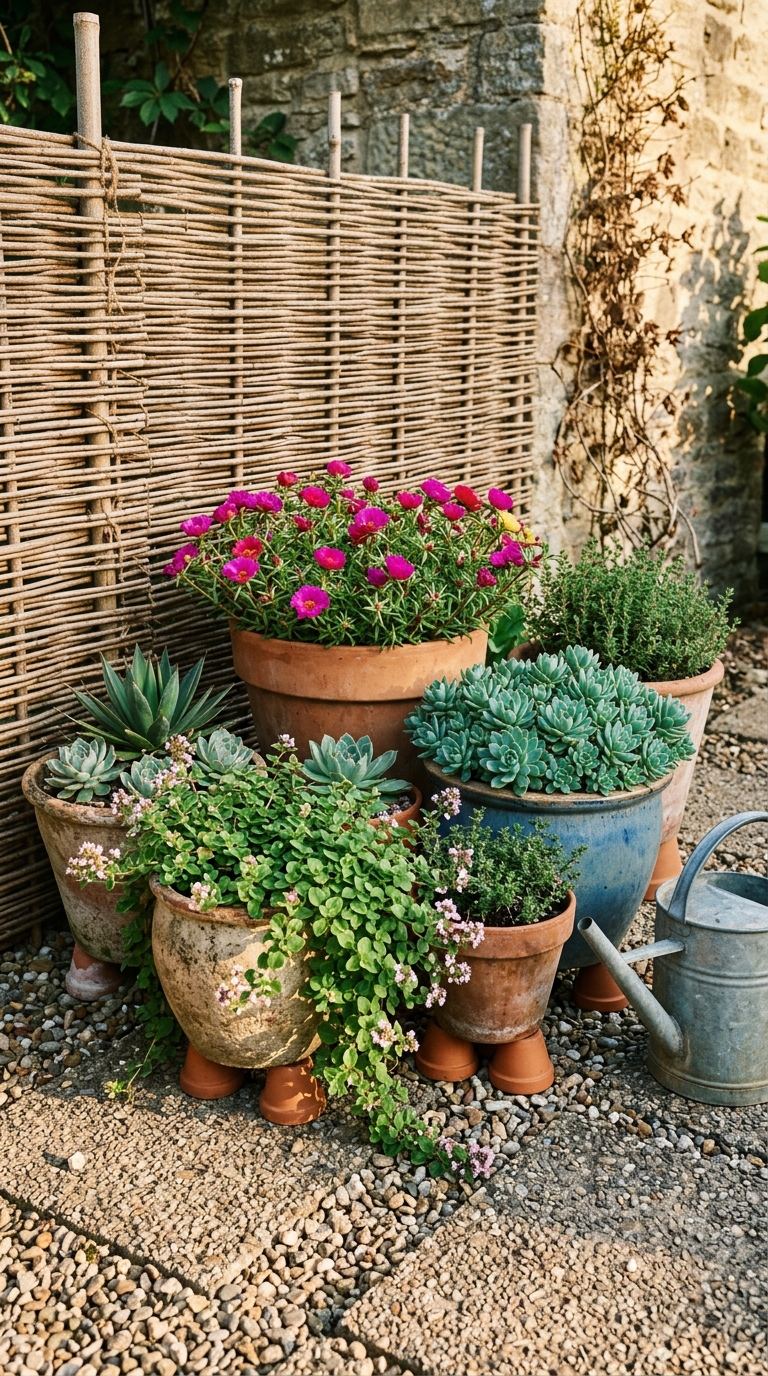
Daily sprinkling wastes time and encourages shallow roots that burn easily. Switch to a deep soak method that trains plants to reach downward. Fill the pot until water runs freely from the drainage holes and step away for ten minutes. Come back and water again until the entire root ball saturates completely. This simple routine forces roots to grow deep instead of clustering near the surface. Deep roots handle dry spells better and require less frequent attention.
Wind dries out containers faster than sun exposure. Set up a simple break using a woven screen, a row of taller pots, or a lattice panel. Elevate planters on pot feet to improve airflow underneath and prevent saucers from turning into swampy breeding grounds. Use a wooden chopstick to check moisture levels quickly. Push it to the bottom of the pot and pull it out. Dark wood means damp soil while pale dry wood signals watering time. Grouping pots together also creates a humid microclimate that slows evaporation and protects tender foliage from drying winds.
Succulents for Outdoor Pots and Other Dry Climate Plant Choices
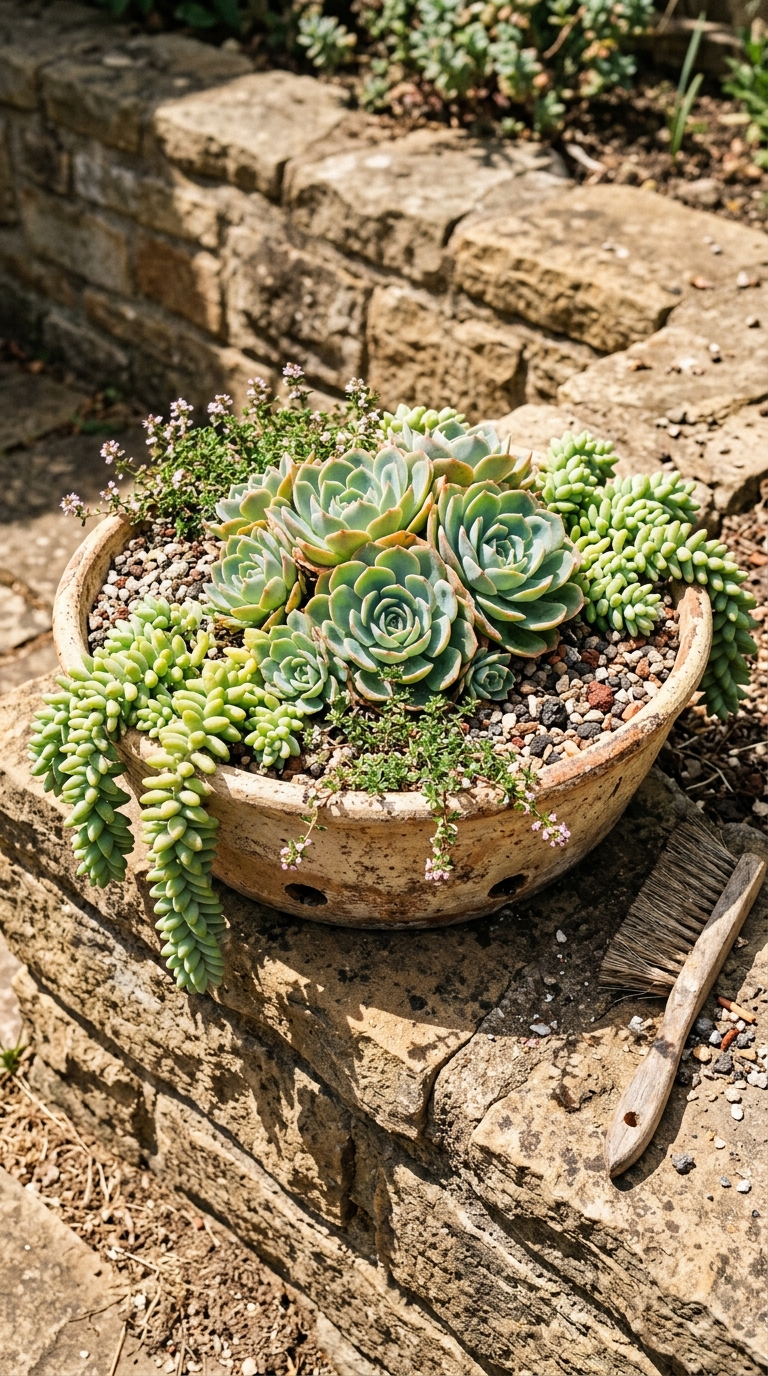
Succulents thrive in containers when you respect their one strict rule about drainage. Soggy soil kills them faster than any heat wave. Drill extra holes if the manufacturer only provided one opening. Use a gritty cactus mix or amend regular potting soil with extra pumice and coarse sand. Water only when the soil dries completely through the entire pot.
Portulaca, sedum, and echeveria handle full sun without complaint. Rosemary and lavender bring structure and fragrance while asking for very little maintenance. Combine them with trailing oregano or thyme for a spill effect that does not demand extra irrigation. The herbs soften the edges and fill gaps between larger specimens. The succulents hold the center and anchor the design. This pairing creates texture and color while keeping your hose stored in the shed. Remember to pull dead leaves from the base of succulents to prevent moisture traps and insect hiding spots.
Sunny Balcony Planter Combinations for Tight Spaces
Small Space Sun Gardening on Railings and Ledges
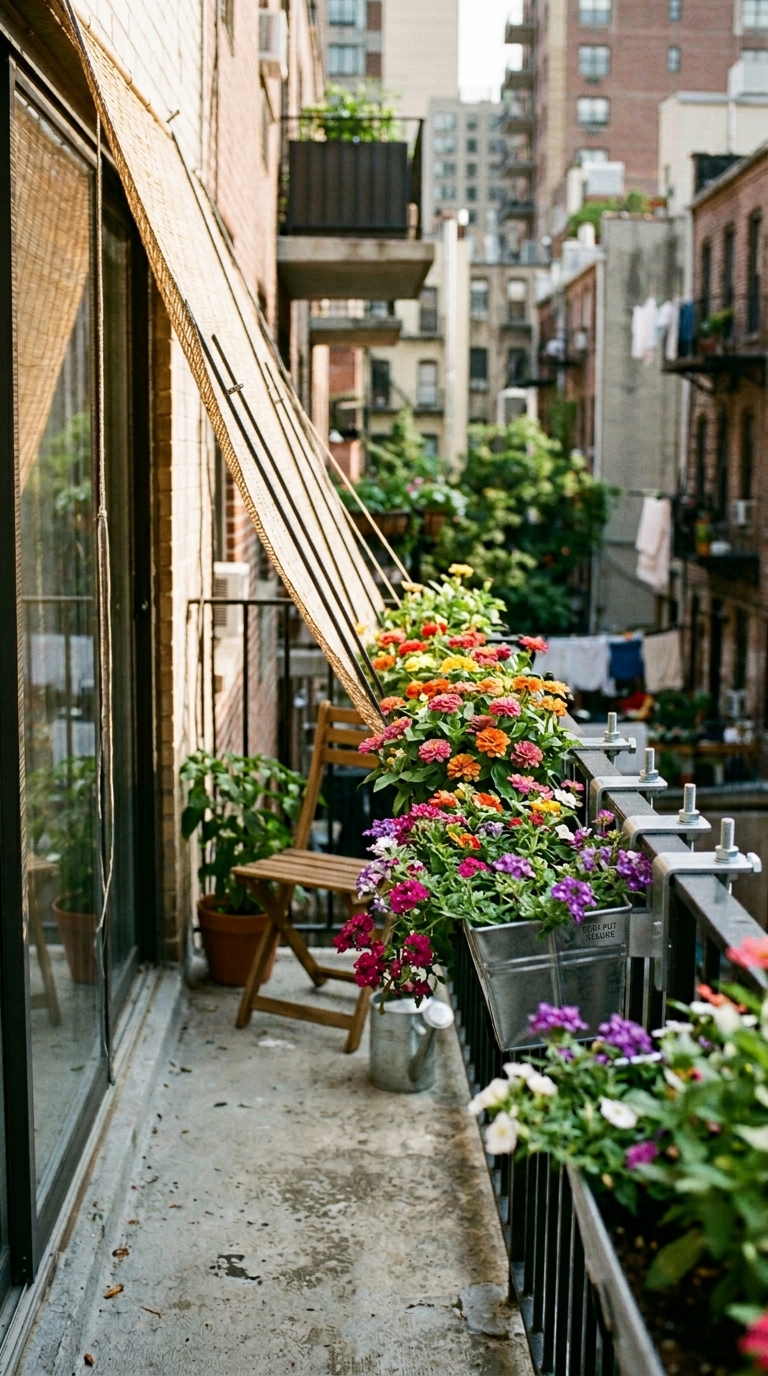
Upper floor balconies face a different set of problems. Wind hits harder and weight limits restrict soil volume. Glass doors and concrete walls bounce radiation back at the plants. Your containers basically sit inside a reflector oven. Secure railing planters with sturdy brackets and check the load rating before filling them with wet soil. Wet dirt weighs roughly twice as much as dry mix.
Pick shallow rooted varieties that handle reflected glare without burning. Dwarf zinnias, trailing verbena, and compact marigolds work well in narrow troughs. They establish quickly and do not need deep soil to perform. Angle the pots slightly inward to catch morning light while avoiding the worst afternoon bounce. A small windbreak made from bamboo stakes and shade cloth protects tender stems without blocking necessary airflow. You can also attach fabric grow bags to railings for lightweight planting that drains instantly and reduces structural strain.
Vertical Stacked Compact Sun Loving Blooms
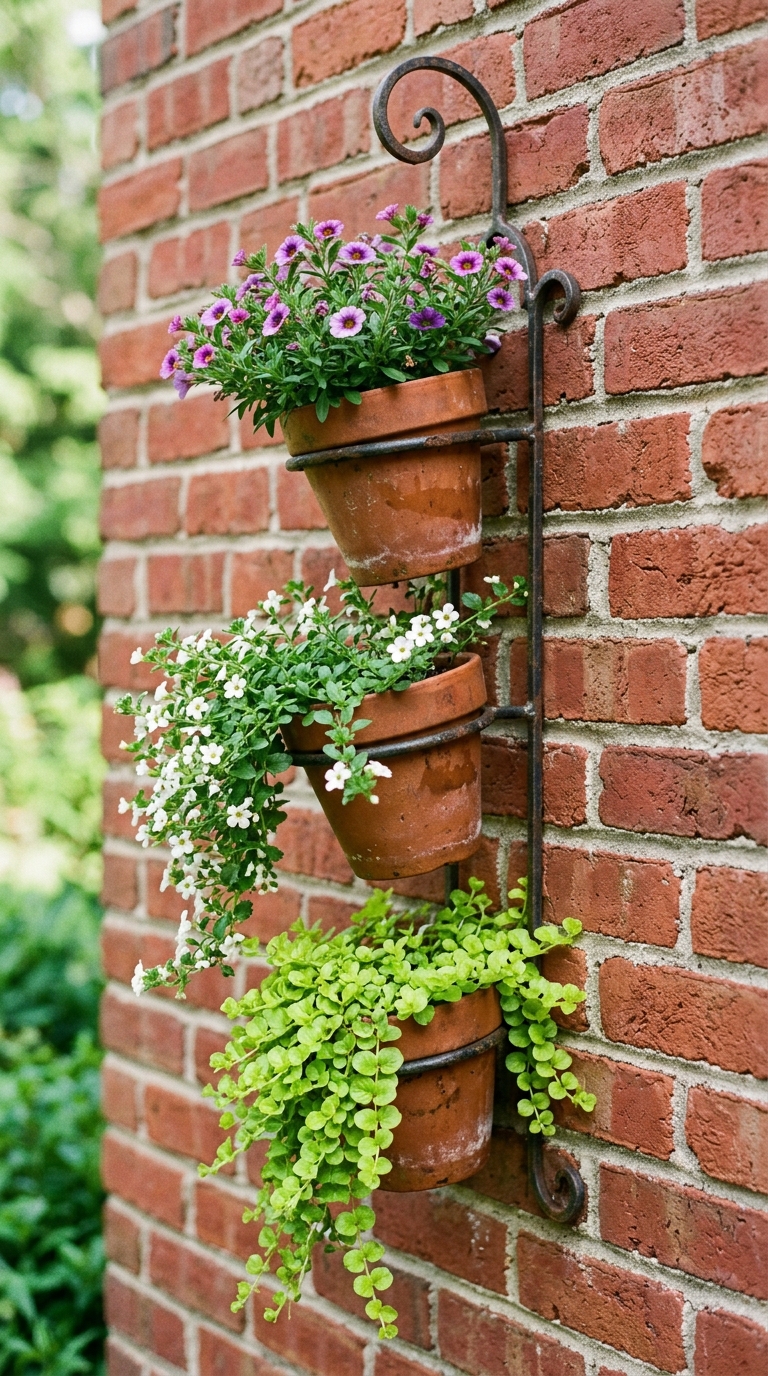
Vertical space solves the floor shortage quickly. Install wall mounted brackets at staggered heights to create a sun ladder. Place light loving plants on the top tier and shade tolerant trailers below. A simple recipe starts with upright calibrachoa on top, cascading bacopa in the middle, and creeping jenny anchoring the bottom row. Each level gets adequate light without crowding the others.
Rotation keeps growth even and prevents leaning. Turn each pot a quarter turn every week. Stems grow toward the light source and will lean heavily if left alone. Regular turning builds stronger stalks and prevents lopsided displays. Tight spaces demand discipline. Keep dead foliage trimmed and remove spent blooms quickly. Crowded plants compete for moisture and invite pests. Give each stem room to breathe. Add a small hook system for hanging baskets to maximize every available inch of sunny wall space.
Low Maintenance Full Sun Containers for Weekends Off
Easy Care Outdoor Planters That Skip the Daily Watering
You do not need to babysit pots to keep them alive through summer. Start with moisture retaining additives that work quietly in the background. Stir a handful of biochar or composted bark into the mix before planting. These materials act like tiny sponges that release water slowly as the soil dries. Skip the cheap water crystals because they swell unevenly and often push roots out of the soil.
Plant density controls drying speed more than anything else. Overcrowding looks lush for two weeks then collapses completely. Roots tangle and drain the pot dry by noon. Space plants according to the tag recommendations and leave an inch of soil visible between stems. This gap allows air circulation and slows moisture loss. Set a Friday routine that carries you through the weekend. Soak every container thoroughly, trim stray growth, and check fertilizer levels. A solid prep day eliminates panic watering and keeps displays looking fresh until you return.
Self Watering Sun Pots and Fuss Free Summer Displays
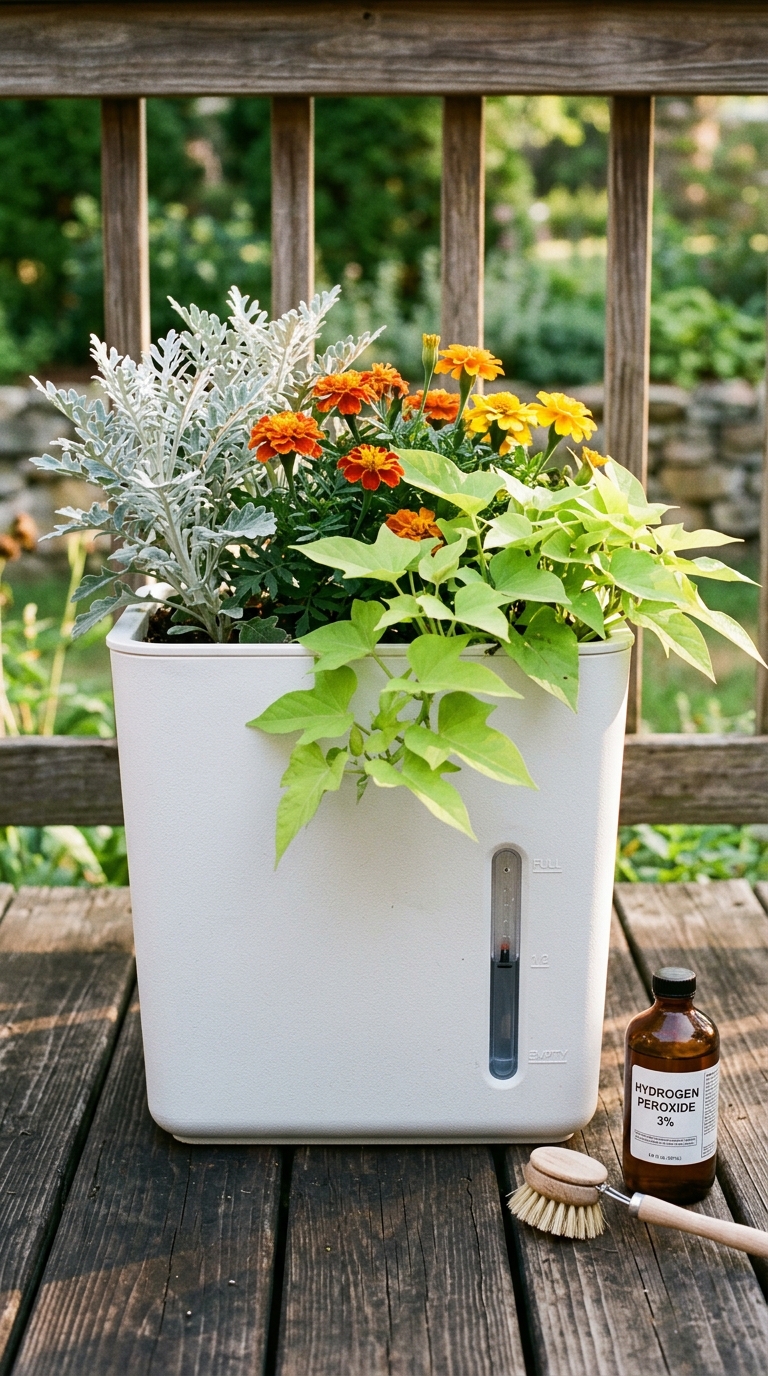
Reservoir planters buy you time when used correctly. The water sits below the soil line and wicks upward as needed. This system works well in full sun if you monitor the tank regularly. Stagnant water breeds algae and clogs the fabric wick. Flush the reservoir every two weeks with fresh water and add a splash of hydrogen peroxide to keep the lines clear.
Pair the system with steady performers that do not demand constant pruning. Dusty miller, dwarf marigold, and sweet potato vine grow at a predictable pace. They fill out nicely without choking each other. Check the water gauge every few days. Do not let the tank run completely dry during a heat wave. The wick loses contact with the soil and the mechanism stops working. Refill before the indicator hits empty. Keep a small brush nearby to scrub mineral deposits from the fill tube and maintain steady water flow.
Summer Blooming Pot Arrangements That Hold Their Color
Long Lasting Seasonal Flowers for Midsummer Refresh
July fades weak varieties fast. Swap them out for continuous bloomers that ignore high temperatures. Angelonia, scaevola, gomphrena, and vinca push flowers through August without pausing. They handle reflected heat and bounce back after dry spells. Remove spent blooms weekly to keep energy directed toward new growth.
Yellow leaves do not always mean hunger. Heat dormancy causes older foliage to drop as the plant conserves resources. Nutrient deficiency shows up as pale new growth with dark veins. Feed lightly every three weeks with a half strength liquid fertilizer. Full strength doses burn roots in hot soil and trigger salt buildup. Flush the pot with plain water before feeding. This clears excess minerals and prepares the roots to absorb nutrients safely. Keep a pair of sharp snips handy and trim leggy stems back by one third to encourage bushier regrowth.
Pollinator Friendly Pot Plants That Bring the Buzz
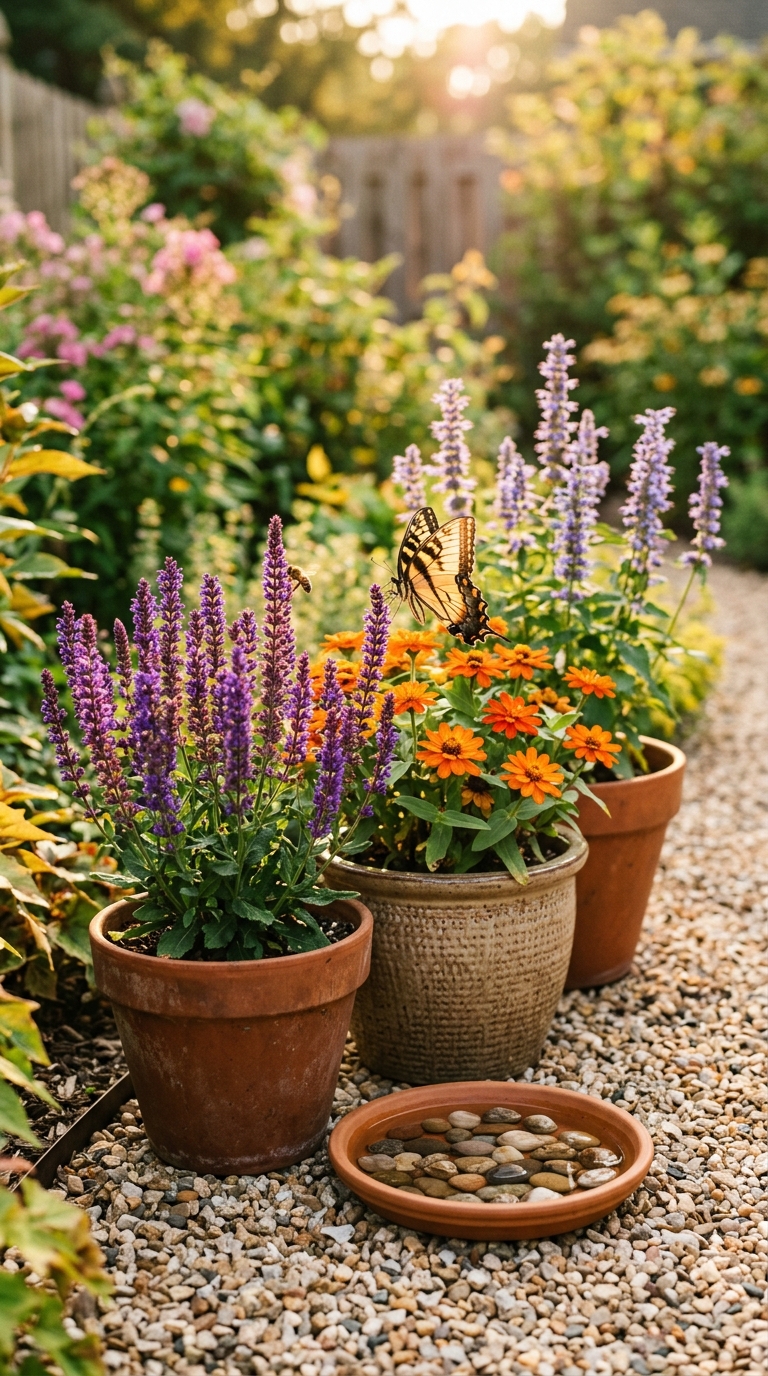
Bees and butterflies need reliable fuel sources. Plant nectar rich containers near seating areas or garden paths. Dwarf buddleia, salvia, zinnia, and agastache draw pollinators from dawn until dusk. Group three or four pots together to create a visible landing zone. Isolated planters get ignored. Clusters signal a dependable food patch.
Skip systemic pesticides entirely. These chemicals travel through the plant tissue and poison the very insects you want to attract. Hand pick aphids or blast them off with a strong water spray. Introduce ladybugs if infestations spread. Healthy soil and proper spacing prevent most pest outbreaks. Pollinators reward clean gardening habits with steady visits and better fruit set on nearby edibles. Leave a shallow dish of water with pebbles nearby so visiting insects can drink without drowning.
Sun Loving Flower Box Designs for Curb Appeal
Window Box Planting Guide for Front Porch Sun Displays
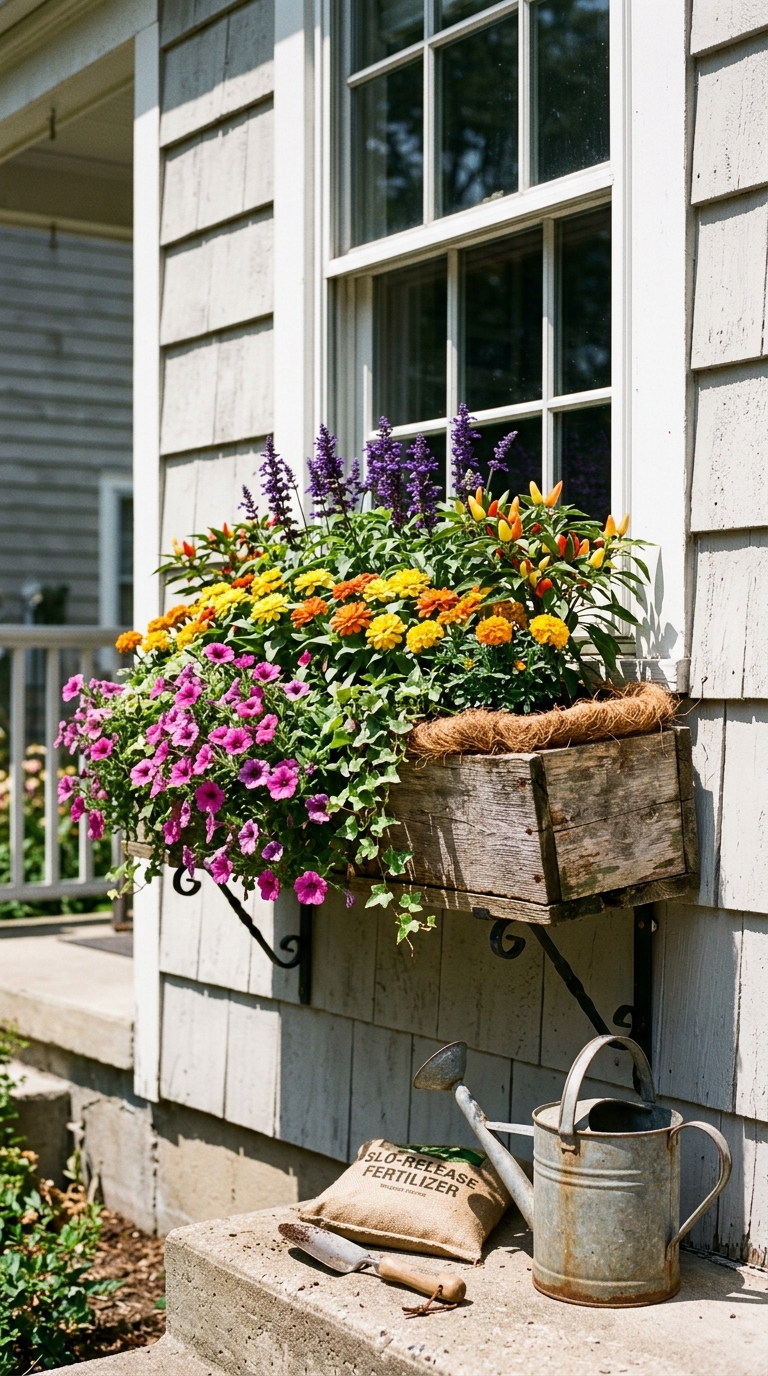
Window boxes face brutal conditions. They sit against hot siding, catch wind tunnels, and dry out faster than ground beds. Start with a sturdy liner. Coconut coir or thick plastic inserts hold soil better than bare wood. Drill drainage holes every six inches along the bottom. Space mounting brackets no more than eighteen inches apart. Wet soil and mature plants add serious weight.
Layer the planting from back to front. Place upright varieties against the wall where they receive full exposure. Let mid height fillers occupy the center line. Trail spillers over the front edge. This arrangement matches the light gradient and prevents taller plants from shading out the rest. Refresh the soil midway through summer. Scoop out the top two inches and replace it with fresh compost and slow release fertilizer. The box rebounds quickly. Check bracket screws monthly to ensure heat expansion and wind vibration have not loosened the hardware.
Cascading Planter Arrangements That Spill Without Frying
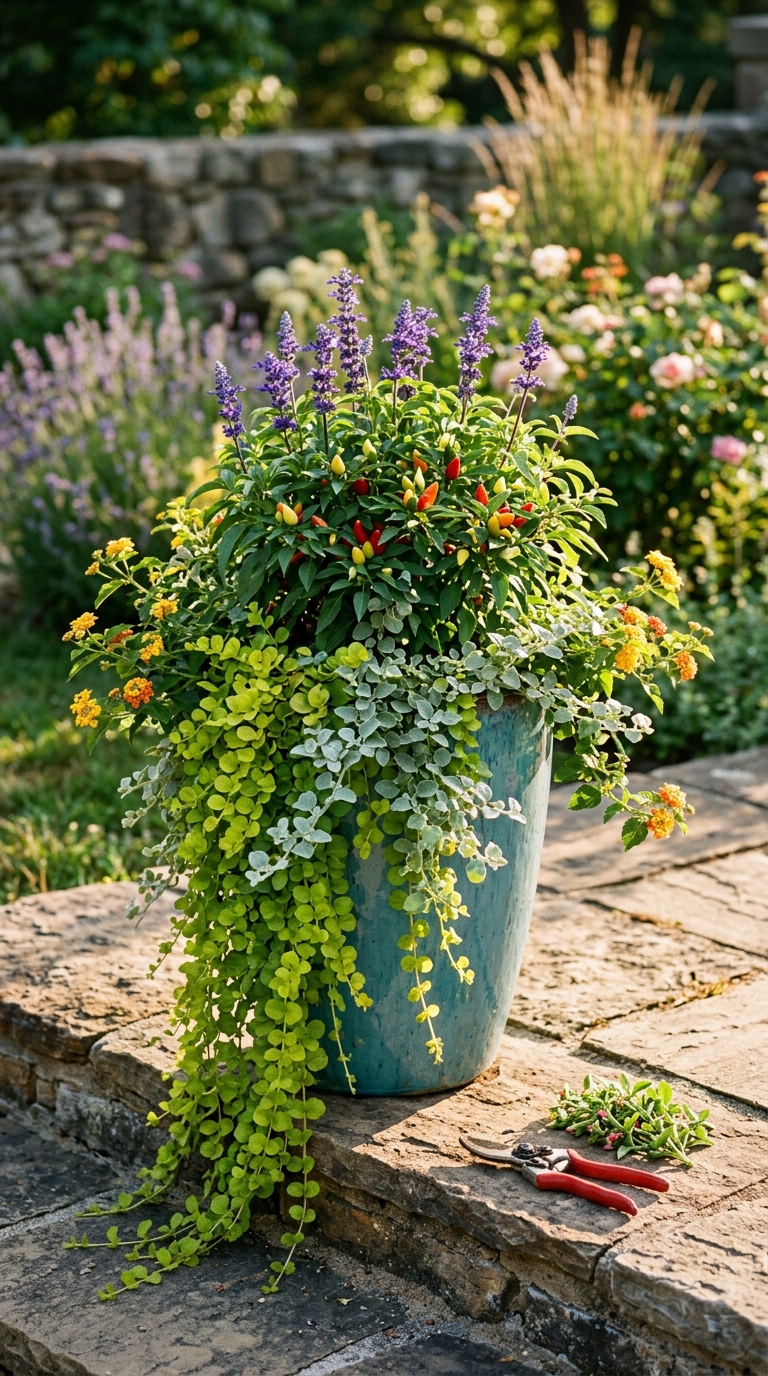
Trailing plants take the worst punishment in a flower box. Their stems hang in open air and bake from all sides. Choose tough varieties that handle exposure. Creeping jenny, licorice plant, trailing lantana, and wave petunias cascade without turning crispy. Anchor them with upright heat lovers like ornamental pepper or dwarf salvia. The vertical plants break the wind and shield the trailing stems.
Scorched edges happen during sudden heat spikes. Do not rip out the plant. Move the box into temporary shade if possible. Mist the foliage lightly in the early evening and water the soil deeply. Trim only the completely brown sections. Green tissue will recover within a few days. Consistent moisture and a light liquid feed push new growth past the damaged tips. Pinch back overgrown trailers every few weeks to keep them dense and prevent bare stems from showing.
The Final Watering
Summer containers succeed when you stop fighting the weather and start working with it. Treat each pot as a small climate zone. Adjust the soil, pick the right materials, and place plants where they actually want to grow. Watch the dirt instead of the leaves. Water deeply, feed lightly, and trim without hesitation. The heat will still arrive. Your planters will just handle it better. Keep a spare bag of coir on the porch and trust the setup you built. The blooms will follow.
