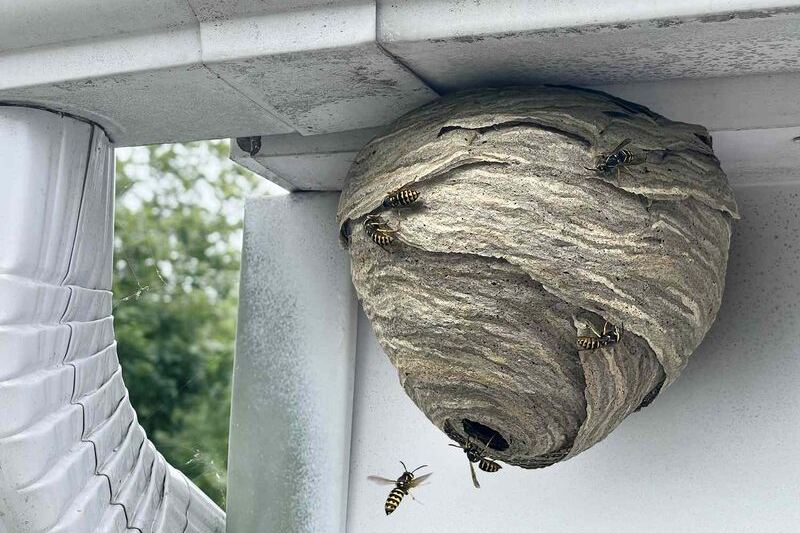
You reach for a tomato, spot something wriggling or buzzing, and suddenly you are halfway across the yard. Many Missouri gardeners know that feeling well.
The good news is that plenty of the scariest-looking creatures in your beds and borders cannot hurt you at all, and many of them actually help your plants. Learning who is who can save you a scare and keep some hardworking garden allies alive.
1. Eastern Hognose Snake
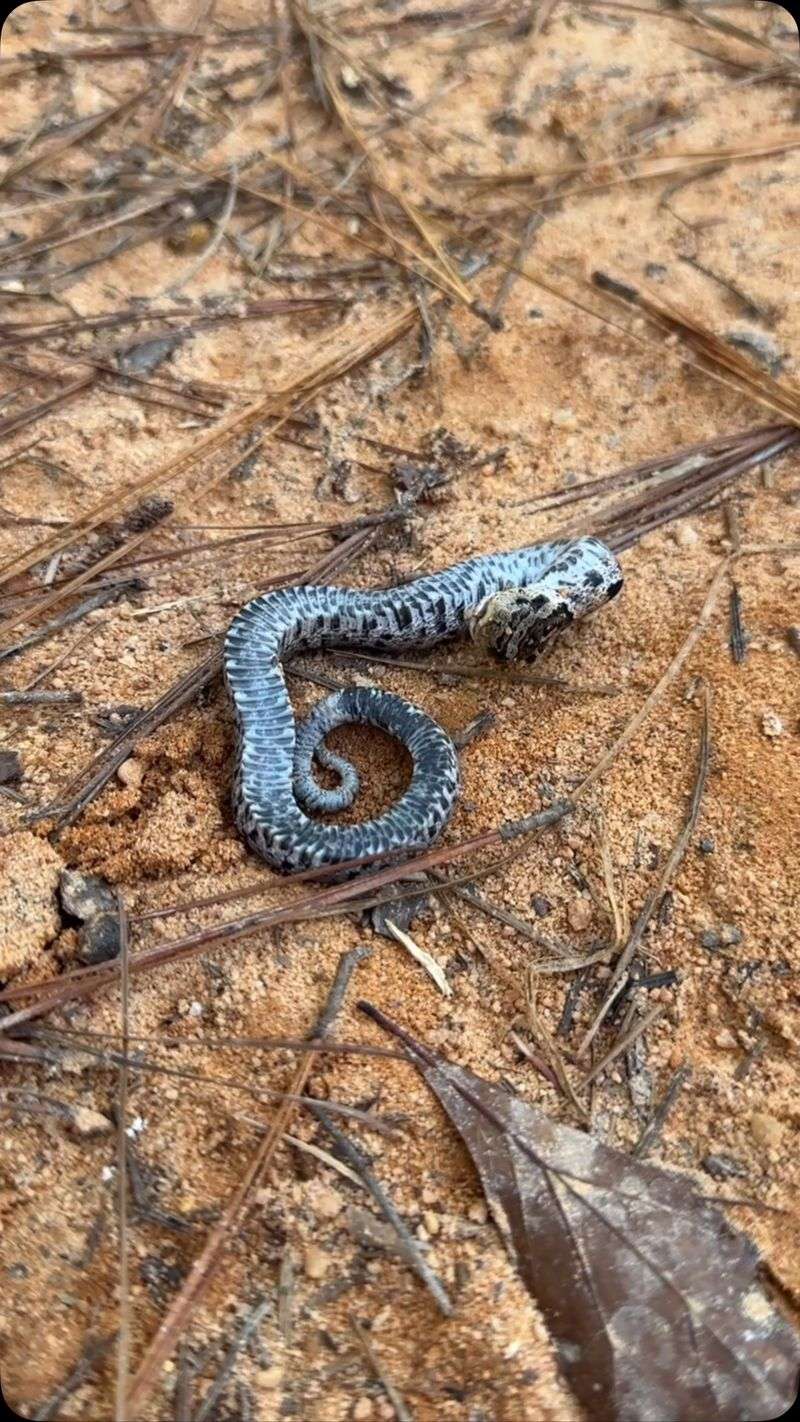
Few snakes deserve an acting award more than the eastern hognose. When it feels cornered, it flattens its neck like a cobra, hisses loudly, and fakes strikes with its mouth closed.
Plenty of Missouri gardeners have dropped a hoe and run at the sight.
If the bluff fails, the show gets even stranger. The snake flips onto its back, opens its mouth, lets its tongue hang out, and plays dead.
Turn it right side up and it will often roll back over, as if insisting it really is gone.
Underneath all that drama is a snake that almost never bites people. Its favorite meal is toads, which it finds by digging with its upturned snout.
Spot one in sandy soil near your garden and just enjoy the performance from a few steps away.
2. Cicada Killer Wasp
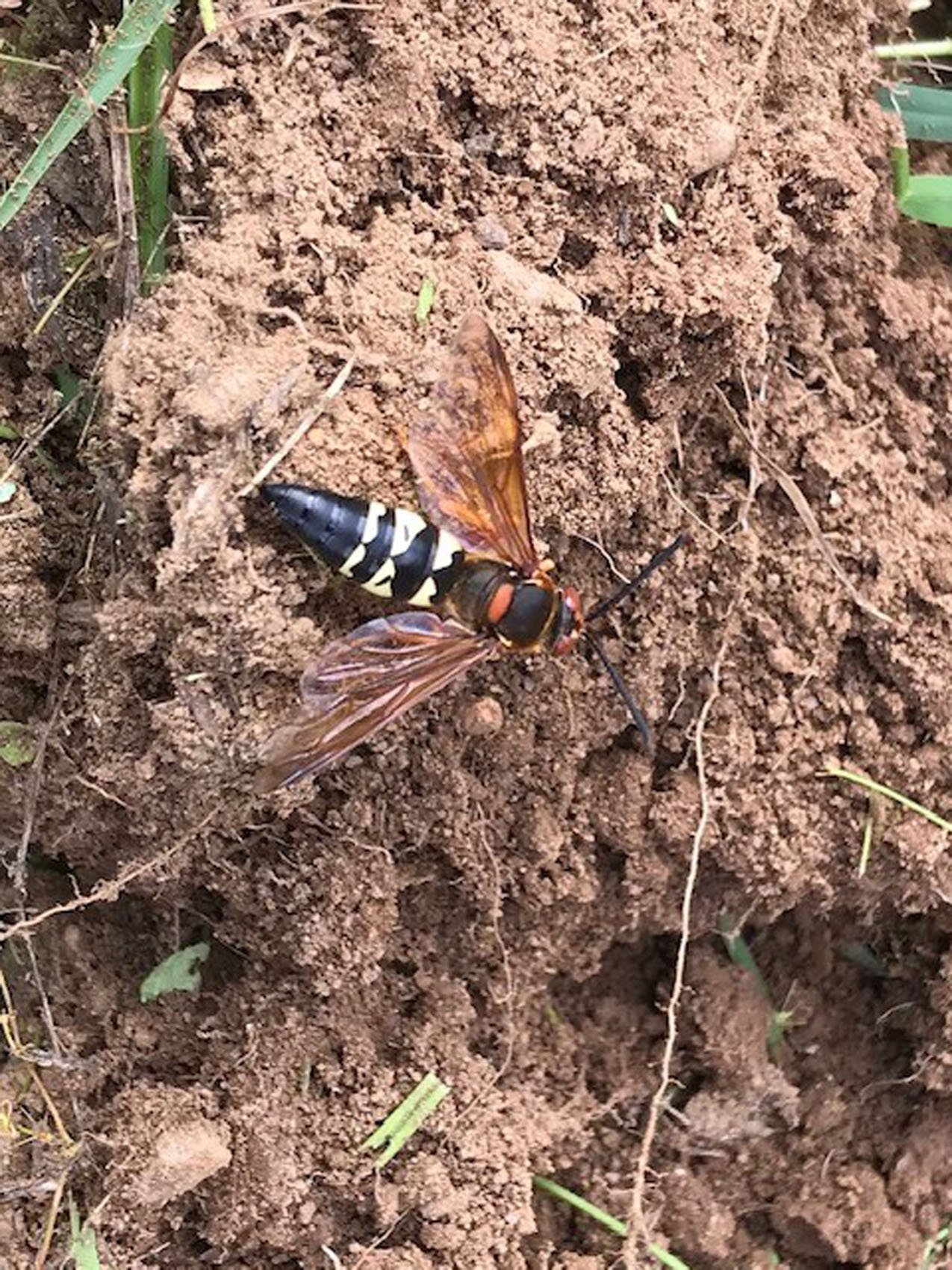
Picture a wasp nearly two inches long, striped in black and yellow, zooming at your face in July. That is the cicada killer, and it looks like a nightmare with wings.
Honestly, it is mostly bluster.
Males are the ones that buzz around you, and they have no stinger at all. They are just guarding their patch of ground.
Females do carry a stinger, but they save it for cicadas, which they paralyze and drag into underground burrows to feed their young.
Stings to people are extremely rare and usually happen only if one is grabbed or stepped on barefoot. You may notice small dirt mounds in sunny, bare spots of your lawn.
A little extra mulch or thicker grass usually convinces them to nest somewhere else next summer.
3. Fishing Spider
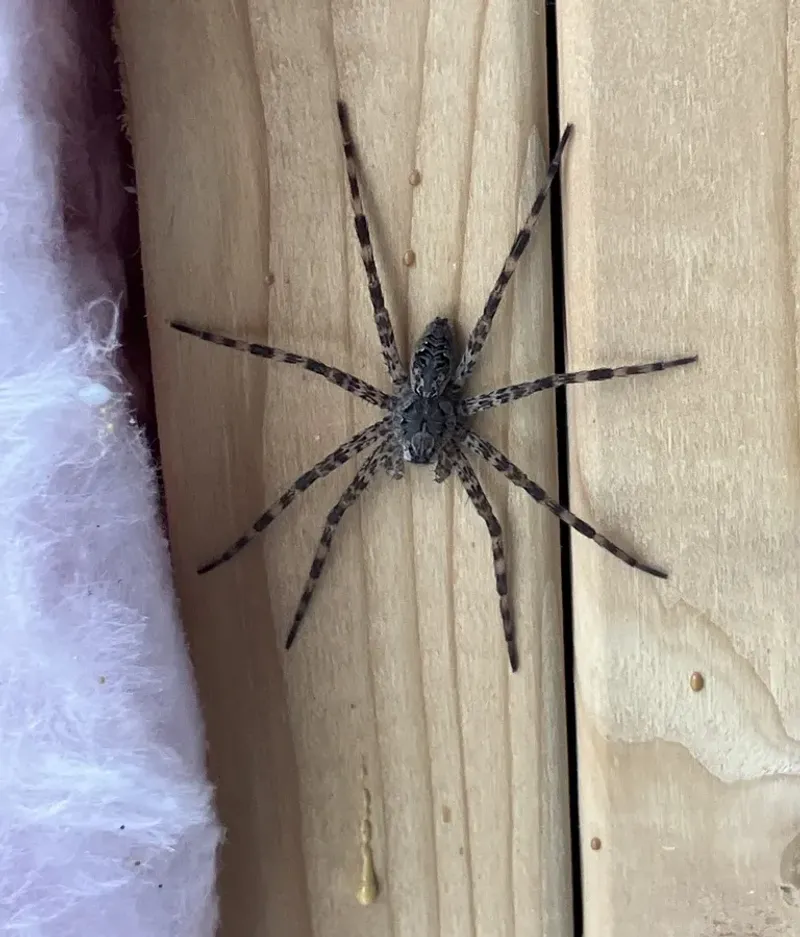
Lift a board near the rain barrel and a spider the size of your palm might stare back. Dark fishing spiders are among the biggest spiders in Missouri, and their brown, banded legs give them a seriously spooky look.
Size is about the only scary thing here. Their venom is weak against humans, and they would rather sprint away than bite.
A rare defensive nip feels like a bee sting at worst.
Fun fact: these spiders can walk on water and even dive beneath the surface to catch small fish and insects. Around a garden, they gobble up plenty of pests.
Think of them as the oversized, shy cousin of your everyday house spider.
4. Hummingbird Clearwing Moth
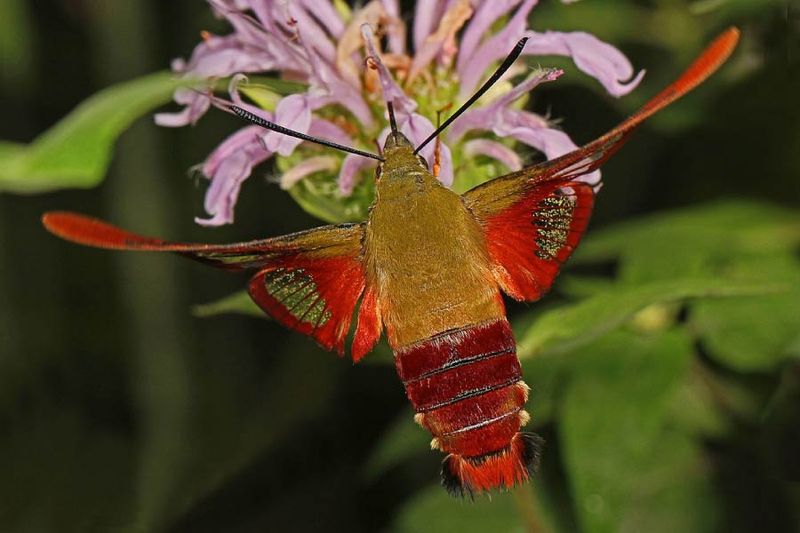
Is that a bee? A tiny hummingbird?
A giant bug ready to sting? Gardeners ask all three questions when the hummingbird clearwing moth hovers over their bee balm.
Its fuzzy, olive-and-burgundy body and loud buzzing wings make it look like a supersized bumblebee. Some folks swat at it or rush indoors.
In reality, it has no stinger and no bite, only a long tongue for sipping nectar.
This moth flies in daylight, which makes it easy to spot in Missouri flower beds from spring to fall. Phlox, honeysuckle, and verbena draw it in.
Plant a few and you may get a front-row seat to one of the coolest pollinators around.
5. Prairie Kingsnake
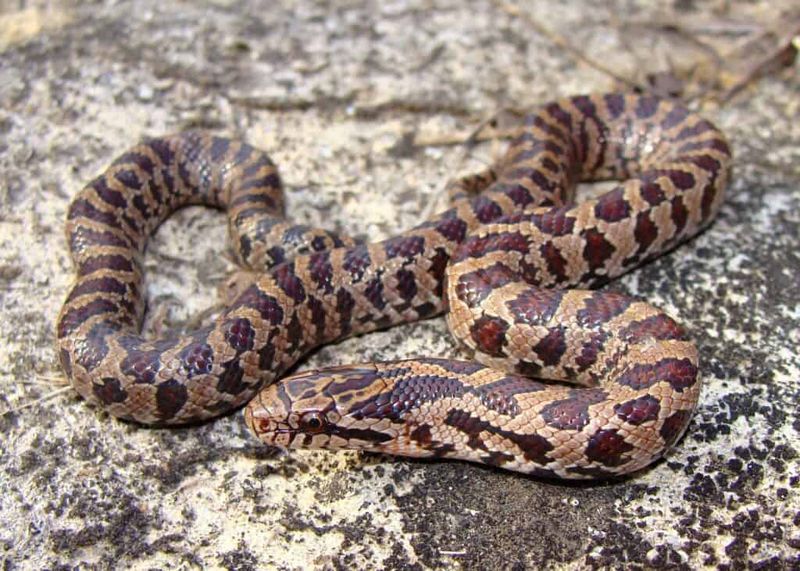
Brown blotches on a tan body. A tail that rattles against dry leaves.
A habit of striking when bothered. To a nervous eye, the prairie kingsnake checks a lot of copperhead boxes.
Look closer and the differences show up fast. Copperheads have hourglass-shaped bands and thick, triangle-shaped heads.
Prairie kingsnakes have neat, rounded blotches, a slim head, and round pupils.
This snake has no venom and is a true friend of the farm. It hunts mice, voles, and even other snakes, including venomous ones.
Many old-timers in rural Missouri were happy to see one near the barn, and gardeners today have every reason to feel the same.
6. Giant Ichneumon Wasp
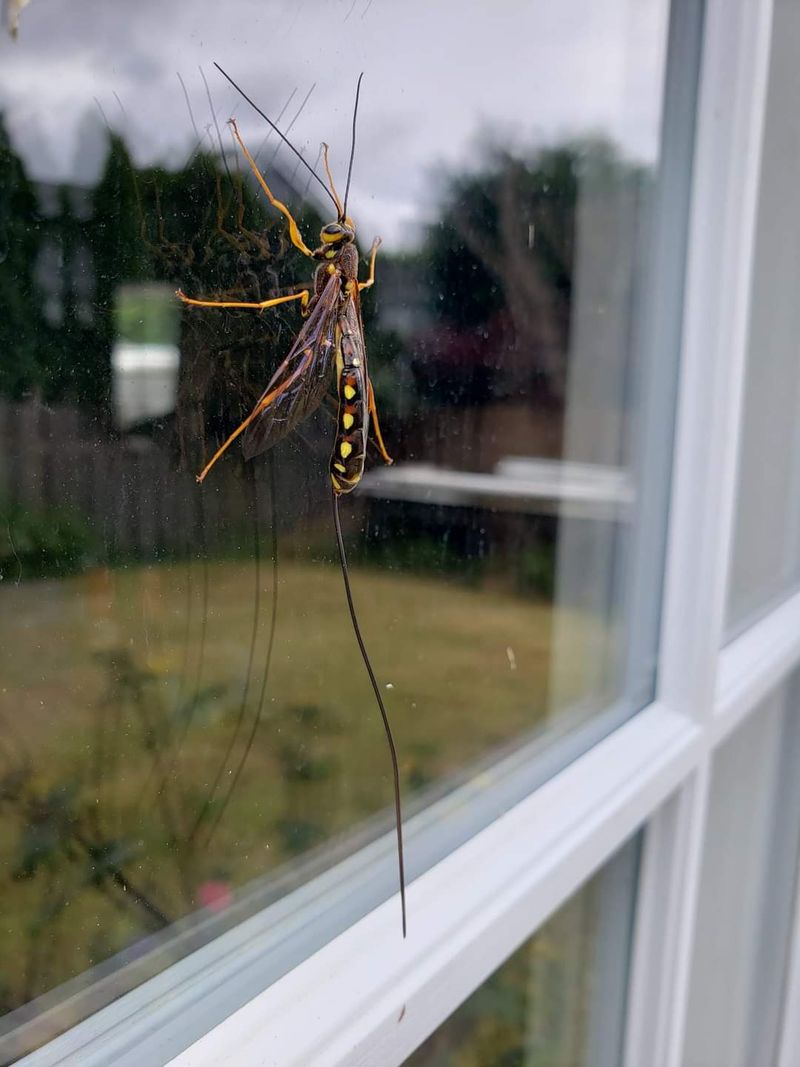
Here is a bug that looks built for horror movies. The female giant ichneumon wasp trails a thin tail up to four inches long behind her body.
It is easy to assume that is the biggest stinger in the state.
Good news: that long thread is not a stinger. It is an ovipositor, a tool for laying eggs.
She uses it to drill into dead wood and place eggs on wood-boring larvae hidden inside.
These wasps are calm and rarely interested in people. You might find one tapping along an old stump or a dying tree near your garden.
Watch quietly and you may see her slowly thread that tail into the bark, which is honestly pretty amazing.
7. Wheel Bug
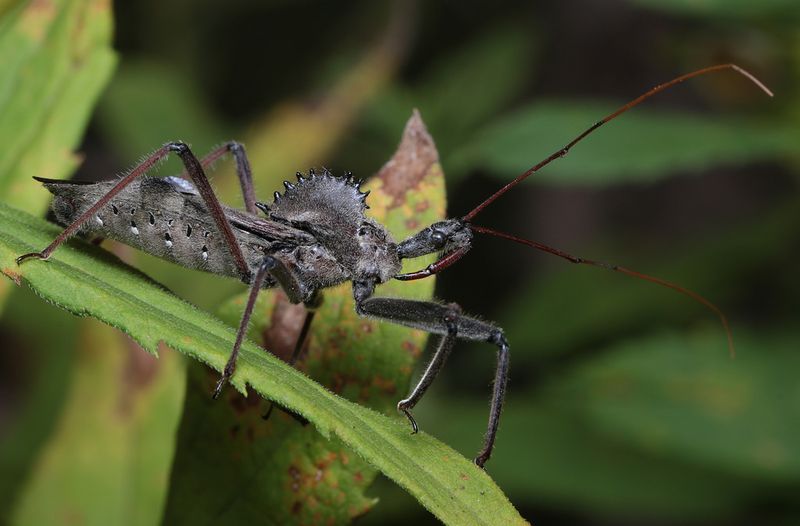
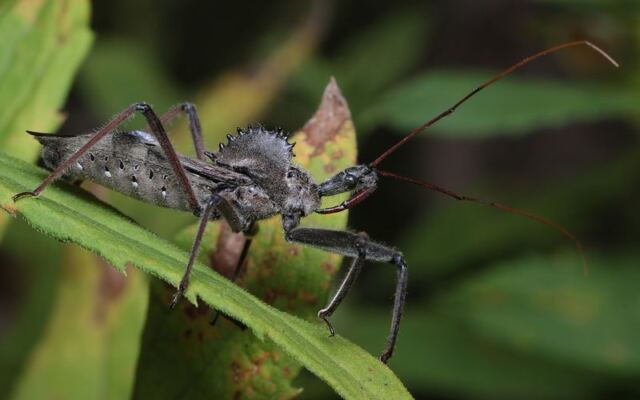
Some critters on this list are fully harmless, and this one comes with a small asterisk. The wheel bug wears a jagged, gear-shaped crest on its back that makes it look like a tiny armored machine.
It is a type of assassin bug, and it can deliver a painful bite if you pick it up. Leave it alone, though, and it will never come after you.
It is not venomous to people in any dangerous way, and it does not spread disease.
What it does do is hunt caterpillars, beetles, and aphids on your plants. Think of it as free pest control with a punk-rock look.
Use gloves if you need to move one, and let it keep working.
Final takeaway: before you panic, take a second look. Most of these Missouri garden visitors are bluffing, and many are helping your harvest.
Share this story