Iowa is full of creatures that look like trouble at first glance. Some hiss, some flash bright colors, and some have big scary-looking parts that make people jump back.
The truth is that many of these animals cannot hurt you at all, and most of them actually help keep our yards, farms, and forests healthy. Knowing which ones are safe can save you a scare and save a helpful critter’s life too.
1. Eastern Hognose Snake
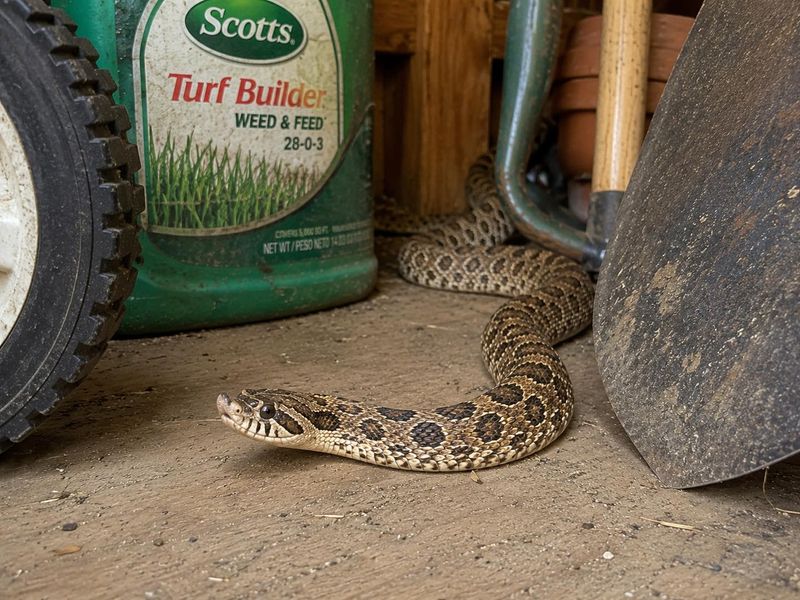
Picture a snake that puffs up, hisses like a leaky tire, and spreads its neck like a cobra. If that does not work, it flips over, opens its mouth, and plays dead with its tongue hanging out.
Few animals in Iowa put on a better show.
All that drama is pure bluff. The eastern hognose almost never bites people, even when handled.
Its upturned snout is built for digging up toads, its favorite meal.
Fun fact: if you flip a fake-dead hognose right side up, it will often roll right back over, as if to insist it is really, truly dead. You can find these actors in sandy areas along Iowa rivers and in the Loess Hills.
2. Bull Snake
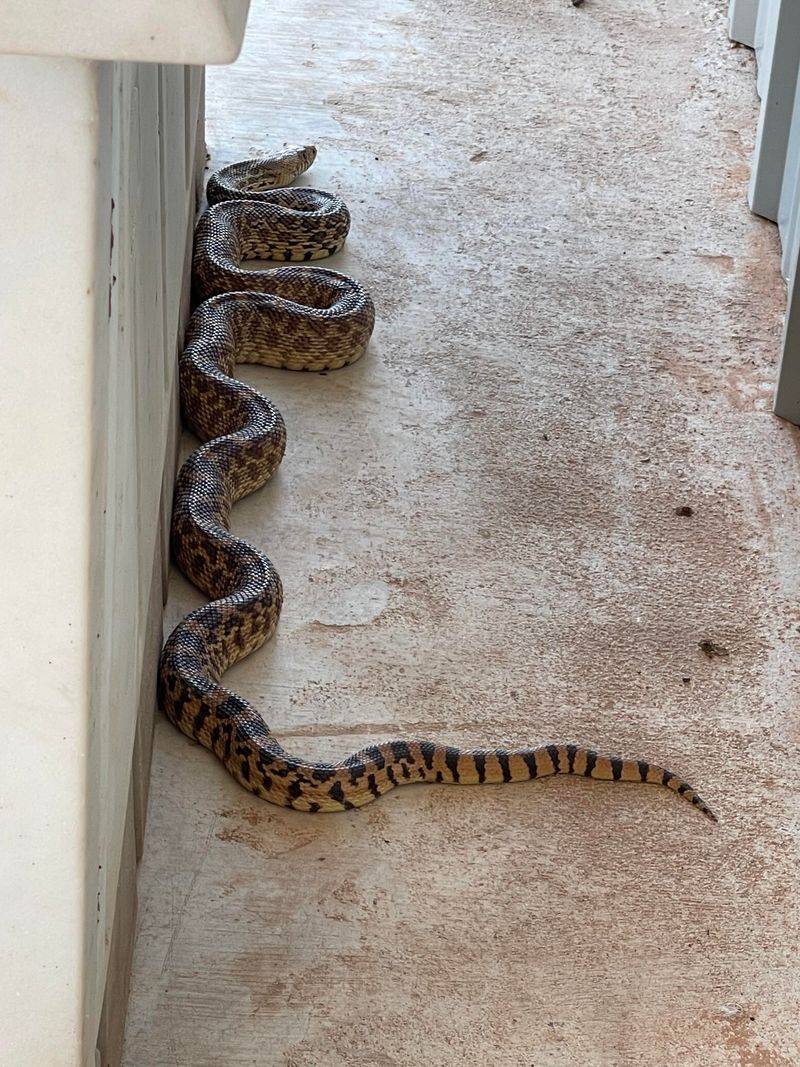
Farmers in Iowa have a secret weapon against mice and rats, and it happens to be one of the loudest snakes around. Bull snakes can grow over six feet long.
When bothered, they shake their tails in dry leaves and let out a hiss so strong it sounds like a rattle.
Many people mistake them for rattlesnakes because of the blotchy pattern and the noise. Look closely, though, and you will see a pointed tail with no rattle at all.
Bull snakes have no venom and squeeze their prey instead.
One bull snake can eat a huge number of rodents in a single year. That makes it a barn’s best friend, not a threat.
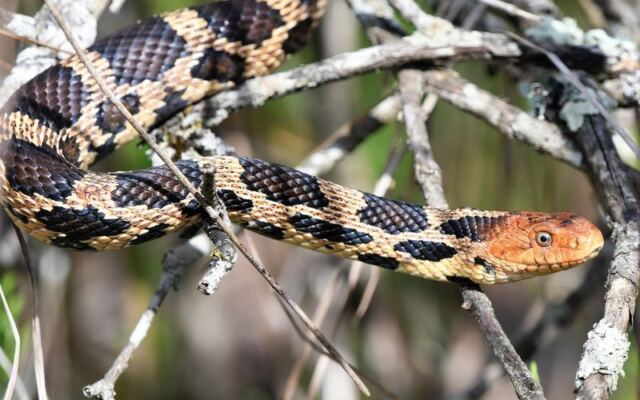
3. Eastern Fox Snake
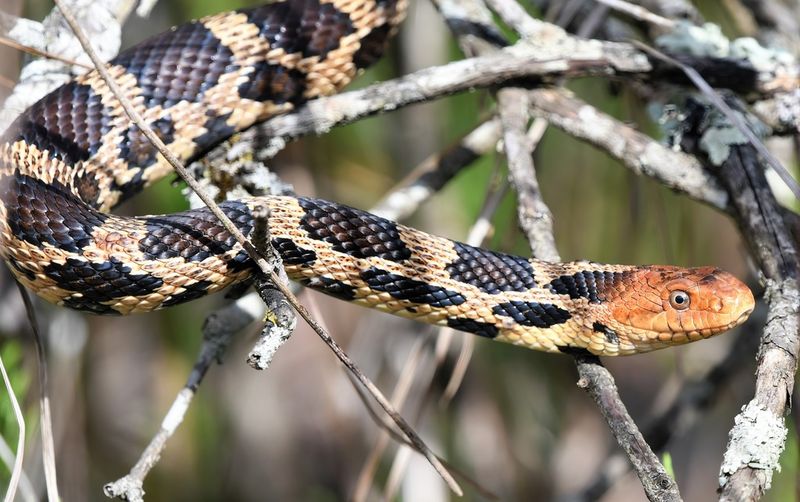
Something about that copper-colored head makes people shout copperhead right away. Iowa does not have copperheads in the places where fox snakes live, but the mix-up happens all the time.
Fox snakes also vibrate their tails when nervous, which adds to the confusion. They even give off a musky smell, which is how they got their name, since some folks think it smells like a fox.
Underneath all that, they are calm hunters of mice and voles in marshes and fields. If you spot one, enjoy the view and let it slither on its way.
4. Fishing Spider
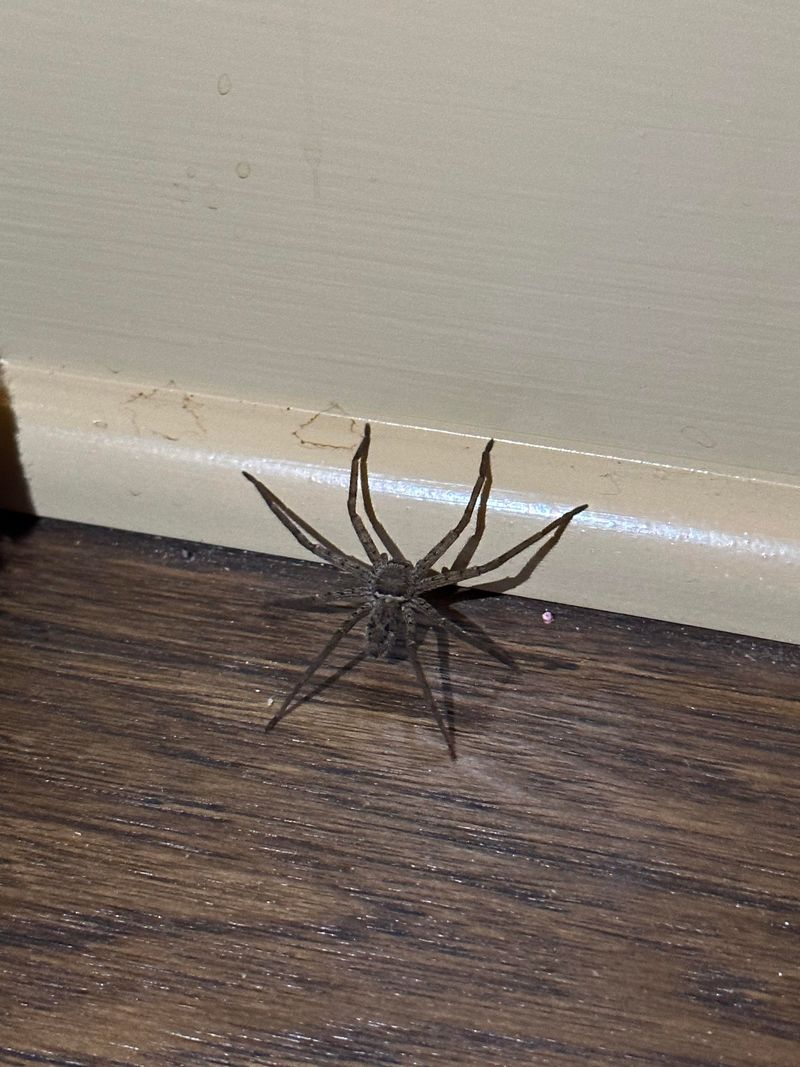
Imagine walking onto a dock and seeing a spider as big as your palm. That is the moment many Iowans meet a fishing spider, and the screaming usually follows.
These spiders really can walk on water and even catch small fish and tadpoles. Their size and speed look frightening.
Still, they are shy and would much rather run or dive under the surface than deal with you.
A bite is very rare and feels about like a bee sting at worst. Their venom is made for tiny prey, not people.
Think of them as the lake’s quiet lifeguards, keeping insect numbers down.
5. Eastern Dobsonfly
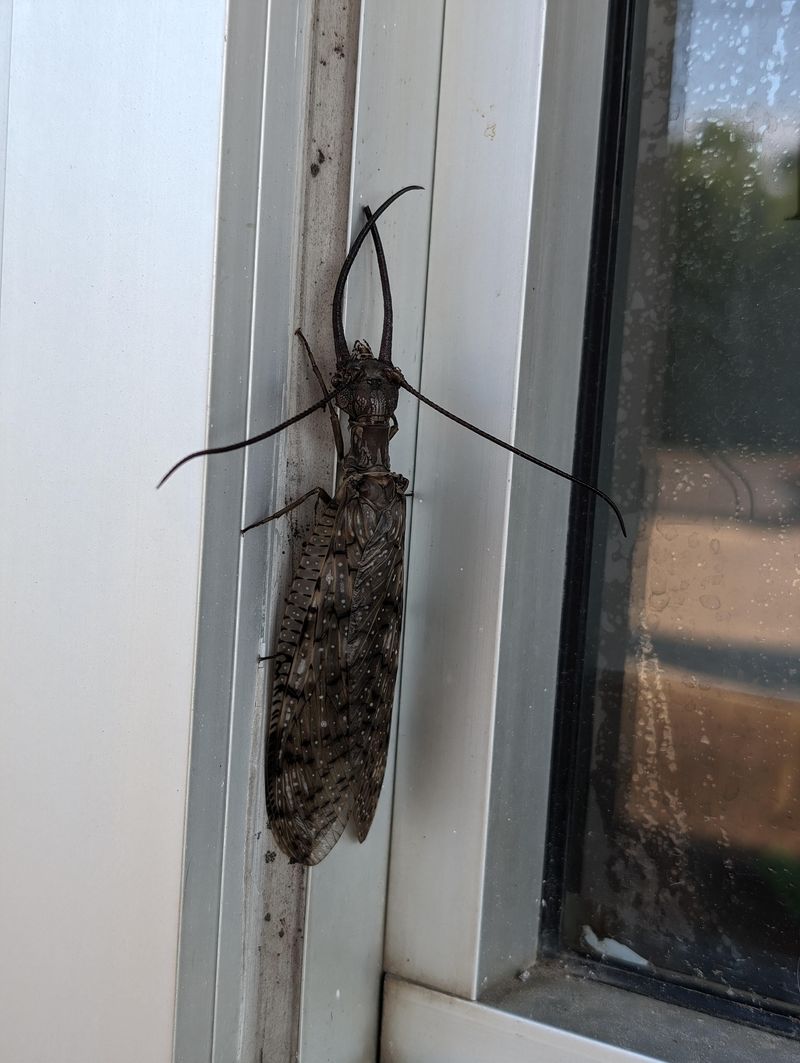
Long, curved jaws. Wings wider than your hand.
A body that looks like it crawled out of a monster movie. The male dobsonfly has one of the scariest faces in the insect world.
Here is the twist: those huge jaws are mostly for show. Males use them to impress females and cannot pinch hard enough to hurt you.
Females have shorter jaws that can give a small nip, but nothing dangerous.
Dobsonflies show up near clean streams in early summer, often buzzing around porch lights. Their young, called hellgrammites, only live in healthy water.
Seeing one is actually good news for your local creek.
6. Cicada Killer Wasp
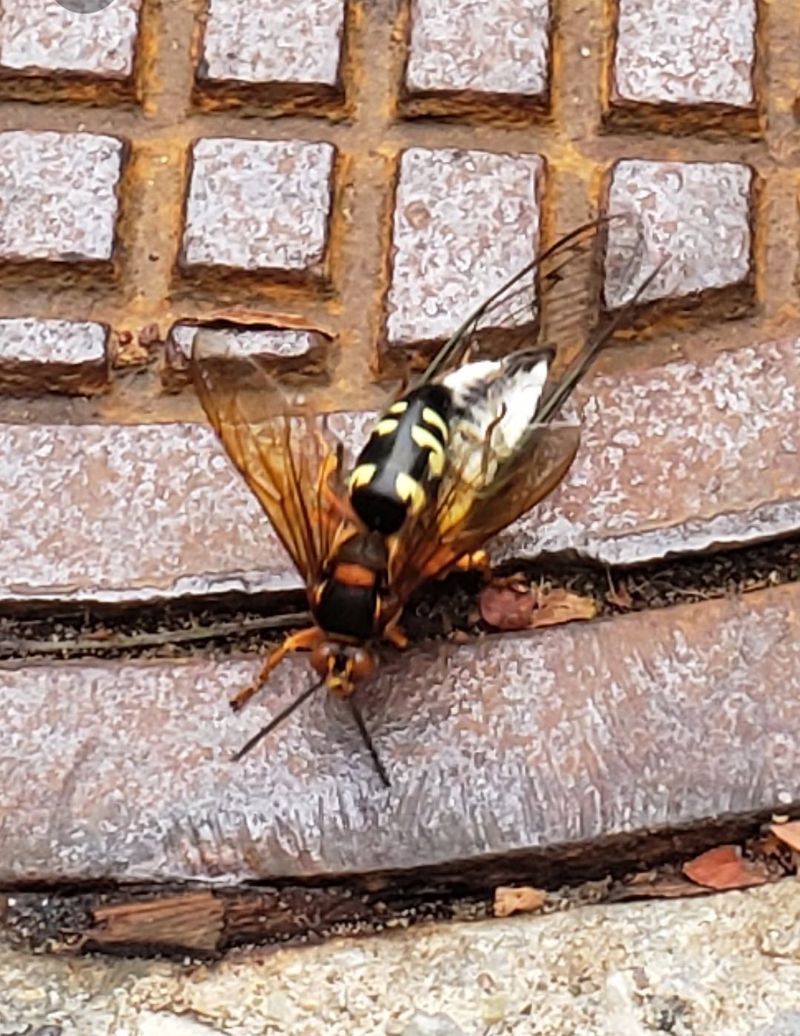
Ask anyone who has watched a two-inch wasp zoom across their lawn, and they will tell you it is not a relaxing sight. Cicada killers are among the biggest wasps in Iowa, and they look like giant hornets.
Luckily, their size fools people. Males cannot sting at all, even though they buzz around and act tough.
Females can sting, but they save their venom for cicadas, which they carry back to burrows for their babies.
Unless you grab one or step on it barefoot, you will be fine. They dig small holes in sandy spots, then vanish by late summer.
7. Five-Lined Skink
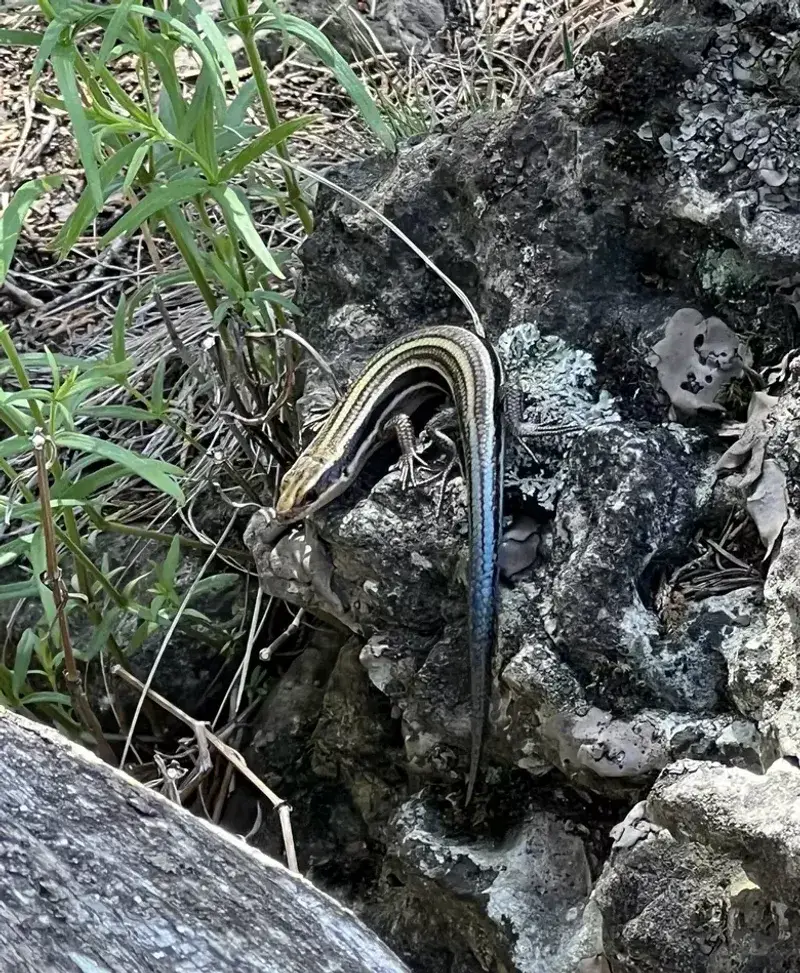
Old stories once claimed that blue-tailed lizards were poisonous. Plenty of kids grew up afraid to touch them.
Thankfully, that tale is completely false.
Young five-lined skinks have shiny stripes and a tail so blue it almost glows. That bright color works like a warning sign, but it is just a trick.
If a predator grabs the tail, it snaps off and wiggles, giving the skink time to escape.
Skinks are Iowa’s only lizards in many wooded areas, and they munch on spiders and insects. They may give a tiny pinch if held, but they have no venom whatsoever.
As they grow older, that blue tail fades to gray.
Share this story