When Georgia nights start dipping into the 40s, you are not the only one looking for a warm spot. Spiders, scorpions, and even a few snakes start slipping through cracks, vents, and garage doors to escape the chill.
Knowing who might show up in your closet or basement can keep your family and pets safe. Here are eight unwelcome guests to watch for once the weather turns.
1. Southern Black Widow
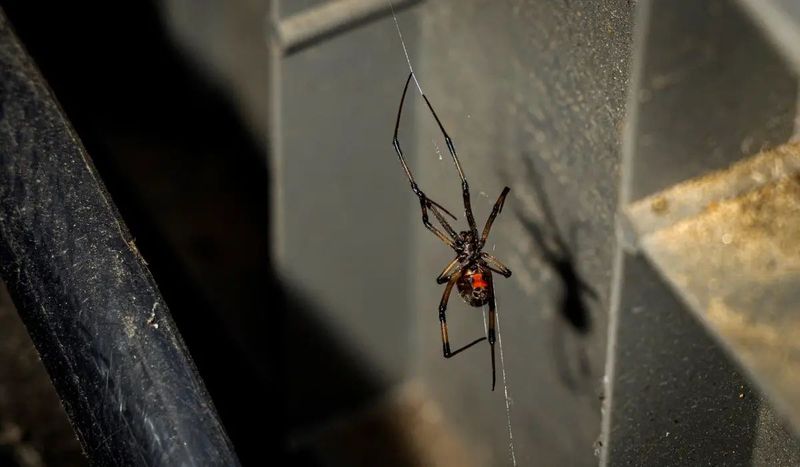
Flip over an old flower pot in a Georgia garage in November, and there is a fair chance a shiny black spider is waiting underneath. The southern black widow loves dark, cluttered, undisturbed corners, and cold weather pushes her closer to your living space.
Look for the famous red hourglass on the underside of the female’s round belly. Her webs look messy and tangled, not neat like a garden spider’s, and they are often low to the ground.
A bite can cause muscle cramps, sweating, and stomach pain, so it deserves a call to a doctor. Wear gloves when moving boxes, firewood, or yard tools, and shake out shoes that have been sitting in the garage.
2. Brown Recluse
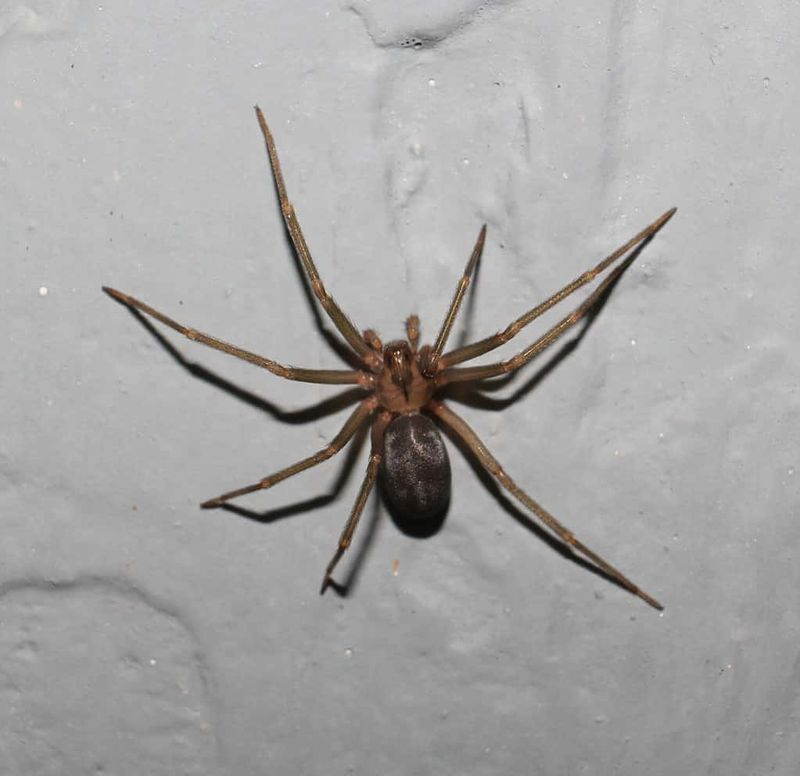
Shy, quiet, and frustratingly good at hiding, the brown recluse is the houseguest nobody notices until a bite shows up. It is less common in south Georgia but turns up regularly in the northern and western parts of the state.
The giveaway is a dark violin shape on its back, with the neck of the violin pointing toward the rear. It has six eyes instead of eight, though you would need a magnifying glass to check.
Recluses like attics, closets, and boxes of old clothes. Most bites happen when someone pulls on a shirt or rolls over in bed, so store linens in sealed bins and keep beds away from walls during fall cleanup season.
3. Southern Unstriped Scorpion
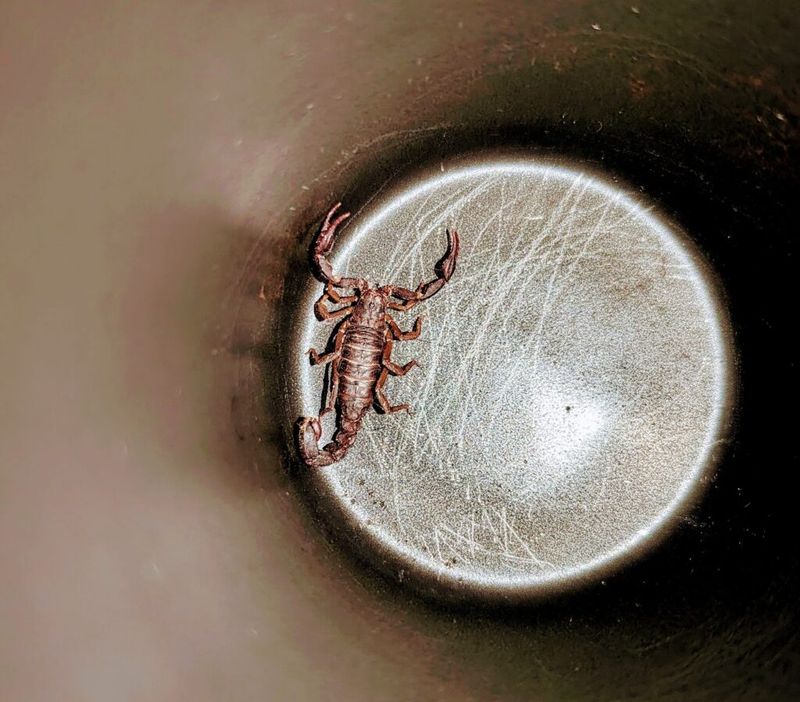
Yes, Georgia has scorpions. Many newcomers are shocked to find a small brown one curled up in the bathtub on a chilly October morning.
The southern unstriped scorpion is only about two inches long and lives mostly in the northern half of the state, especially around rocky, wooded lots. As temperatures fall, it wanders indoors through gaps under doors and around plumbing.
A sting feels a lot like a bee sting, with burning and swelling that usually fades within hours. Sealing baseboard gaps and keeping firewood stacked away from the house will cut down on surprise visits.
Fun fact: they glow under a blacklight, which makes a nighttime scorpion hunt oddly fun.
4. Copperhead
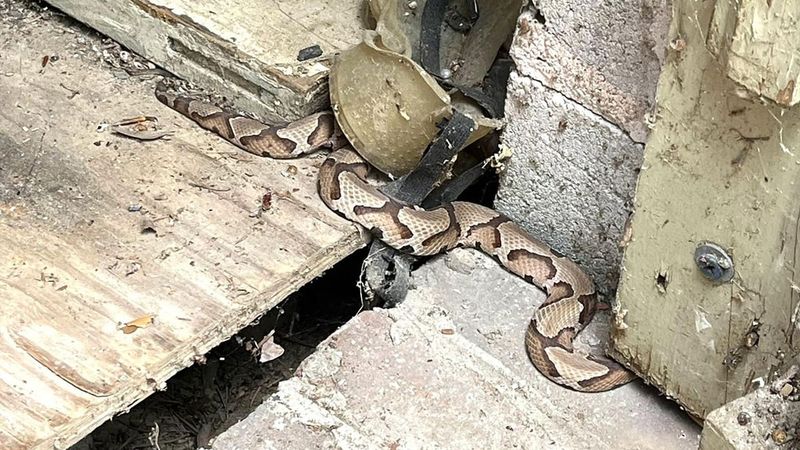
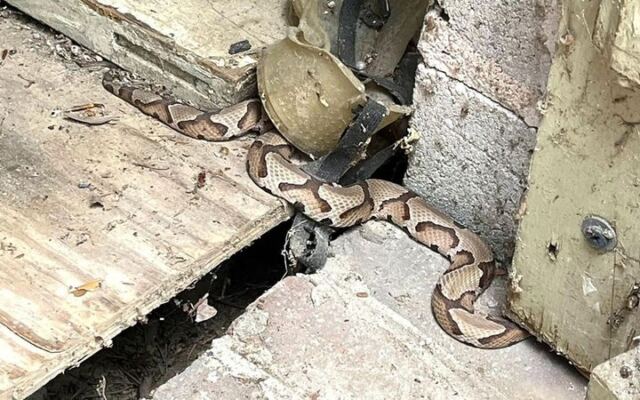
Picture this: you open the crawl space door to check the pipes before a freeze, and a coil of copper-colored bands stares back. Copperheads cause more snakebites in Georgia than any other snake, and fall is when they move toward sheltered spots.
Their pattern of hourglass-shaped bands blends perfectly with dead leaves, which is exactly why people step near them without knowing. Basements, garages, and crawl spaces near wooded areas are common hideouts.
Bites are painful but rarely deadly with prompt medical care. Clear leaf piles from the foundation, seal vents with sturdy screens, and never try to handle one.
Back away slowly and call a wildlife removal pro.
5. Bark Scorpion Hitchhikers and Striped Scorpions
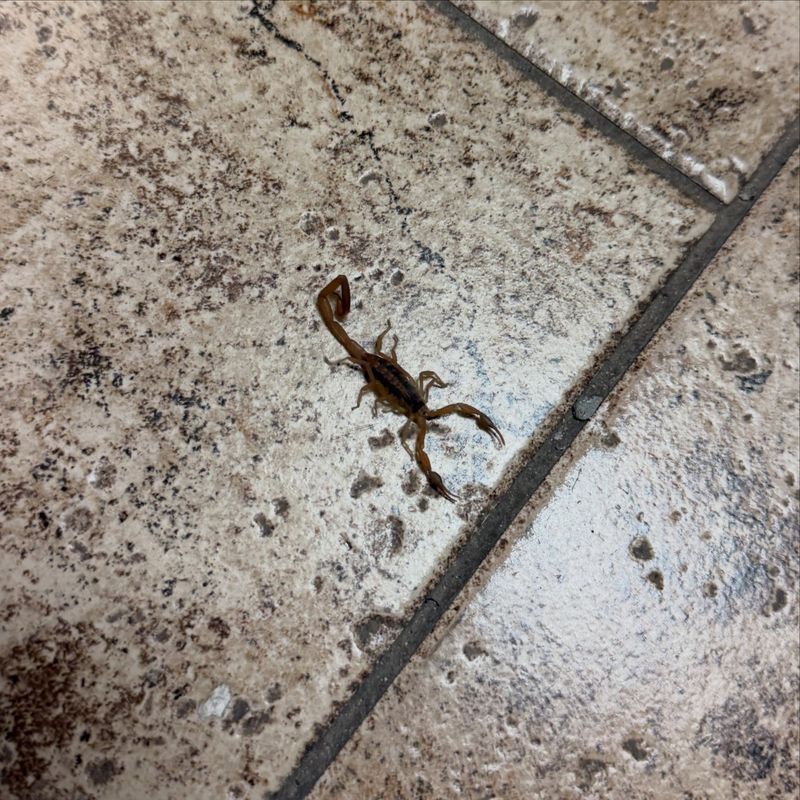
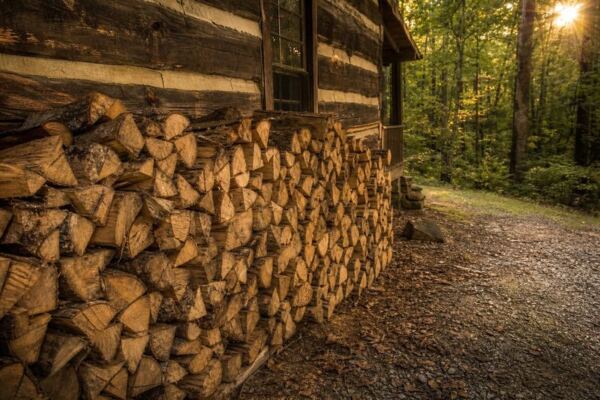
Firewood season brings its own risk. Striped bark scorpions, more common in the southwest corner of Georgia, love tucking under loose bark and getting carried right into the living room.
These scorpions are yellowish with two dark stripes down the back, and they climb walls well. A sting is sharper and longer-lasting than the native unstriped type, though still rarely dangerous for healthy adults.
Only bring in as much wood as you will burn that day, and knock each log against the ground first. Keep the woodpile at least 20 feet from the house, raised off the soil.
6. Eastern Giant Centipede
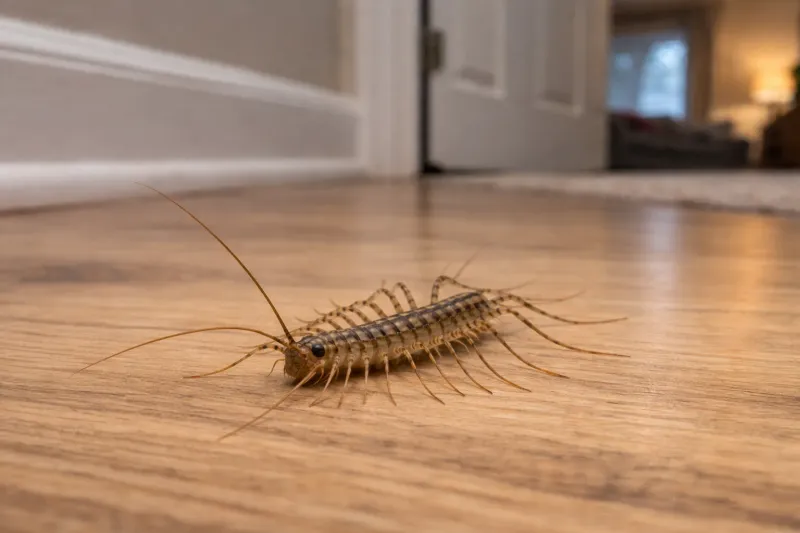
Few things make people scream louder than a six-inch centipede racing across the basement floor. The eastern giant centipede, sometimes called the Florida blue, is fast, flashy, and armed with venomous claws near its head.
It hunts insects at night and slips indoors when the soil turns cold and wet. Damp basements, laundry rooms, and bathrooms suit it best.
A pinch hurts like a wasp sting and can swell for a day or two. Running a dehumidifier and fixing leaky pipes makes your home far less inviting.
Bonus: fewer bugs inside means fewer centipedes hunting them.
7. Southern House Spider
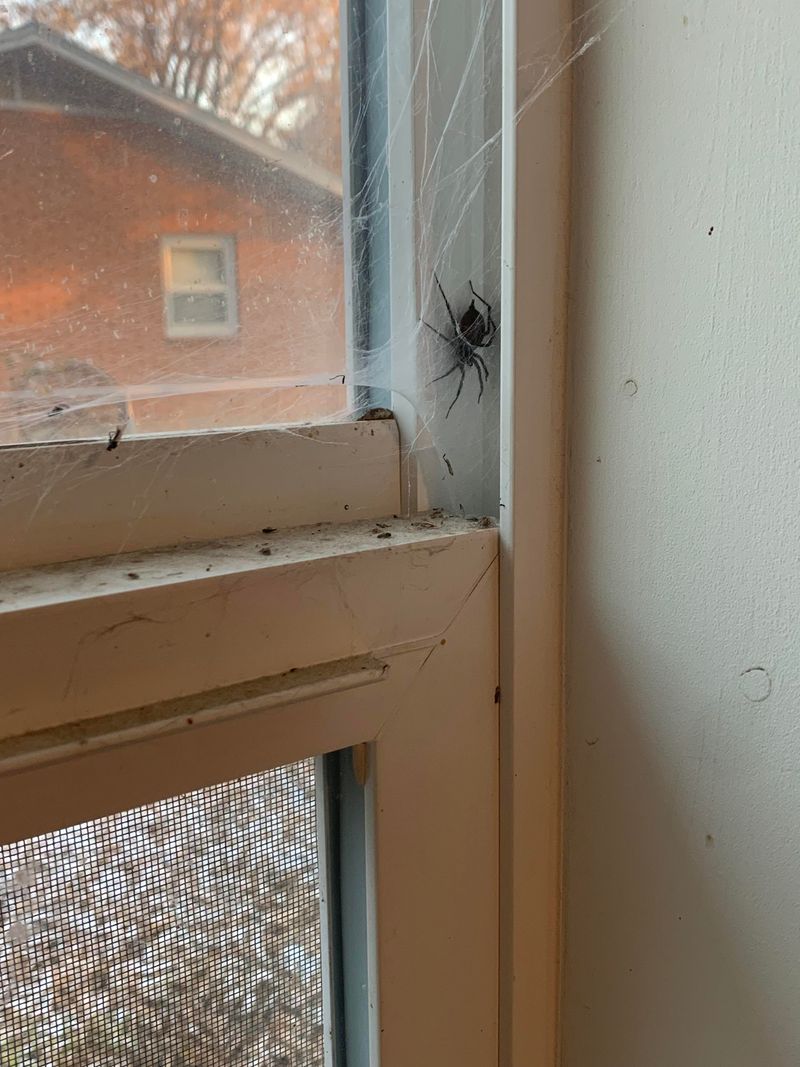
Old houses in Savannah and Macon often have a resident that looks scary but is mostly misunderstood. The southern house spider is large, dark, and long-legged, and males roam inside during cooler months searching for mates.
Many people mistake the males for brown recluses because of their tan color. Females stay hidden in cracks around windows and siding, spinning flat, fuzzy webs.
Their venom is mild, and bites are uncommon and usually cause only minor redness. Caulking window frames and running a vacuum along baseboards will keep their numbers in check without harsh sprays.
8. Puss Caterpillar
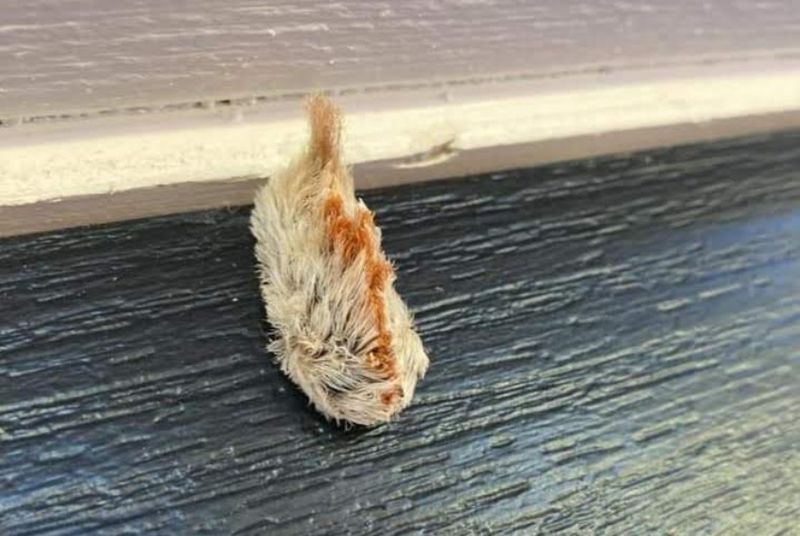
Cute as a tiny wig and twice as nasty. The puss caterpillar looks like a fluffy tuft of fur, but hidden under that soft coat are venomous spines that deliver one of the worst stings of any insect in the South.
Late fall is when many crawl off trees to find a place to form their cocoon, and porches, potted plants, and door frames all work. Kids are often stung because they want to pet them.
The pain can be intense and spread up the arm, sometimes with nausea. If stung, press tape on the spot to pull out spines, then seek care.
Teach children to look, never touch.
Share this story