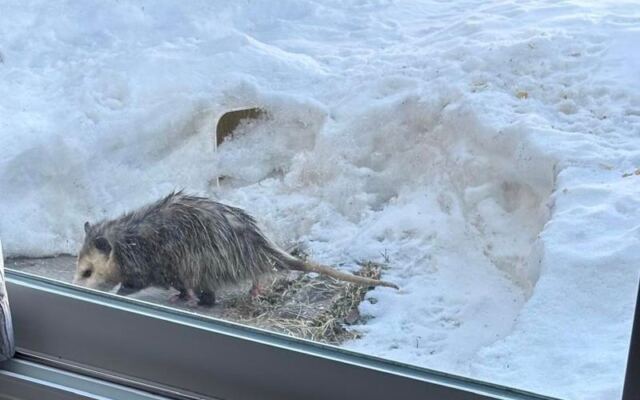
An opossum near your Wisconsin home in winter is usually just an animal looking for food or a warm place to rest. Seeing one does not mean it is sick or in trouble.
Opossums do not hibernate, so they sometimes wander out when the weather lets them. Knowing when to leave one alone and when to call for help keeps both you and the animal safe.
Why an opossum may be out in Wisconsin winter
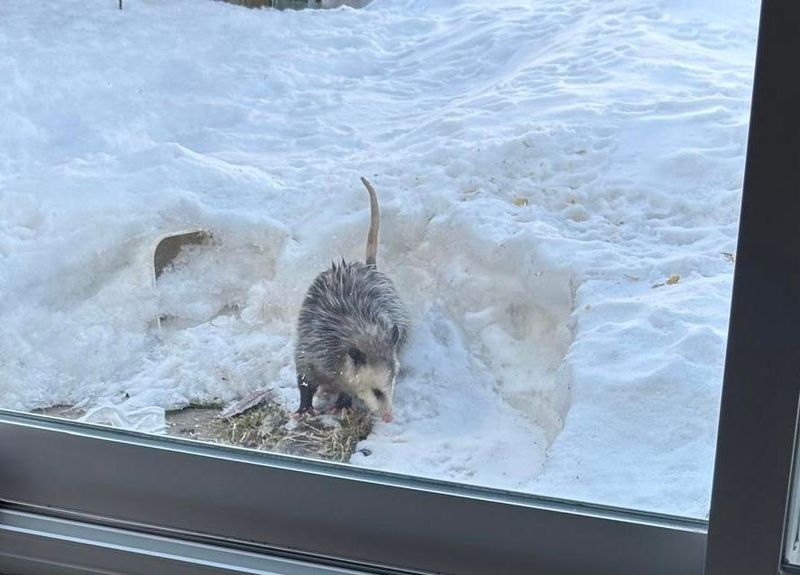
Opossums do not hibernate. That fact, though, does not mean they stay active through every cold spell.
During bitter or snowy stretches, an opossum may stay tucked in a den, then come out to look for food when conditions ease up.
Opossums are a southern species that has spread north, so scientists have asked how they manage in colder places. Research on winter energetics and the species’ northern limit looks at how much energy these animals burn in the cold.
Researchers who study northern populations point to two possible helpers. One is flexible foraging in cold weather, meaning they can eat a wide range of foods when they get the chance.
The other is food or shelter that comes from people, such as garbage, pet food, or a gap under a shed.
Those are possible reasons opossums persist in colder regions. They are not proven causes for the one you saw by your garage.
That animal could simply be passing through on a mild night.
Cold is still a real challenge for them. Pennsylvania’s wildlife agency notes frostbite in opossums near the northern edge of their range.
That is useful background about how vulnerable the species can be to cold. It says nothing about the condition of any particular Wisconsin animal, so a sighting alone should not make you assume it is suffering.
What a winter sighting can and cannot tell you
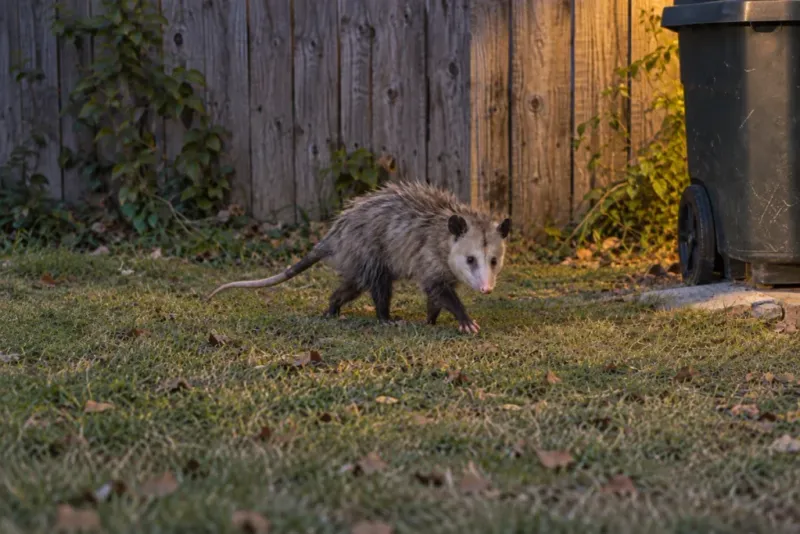
Spotting an opossum tells you only that an opossum was there. It does not tell you how long it has been out, where it is headed, or why.
Winter animals often move at odd hours, and a brief glimpse leaves out most of the story.
Daylight sightings work the same way. Seeing one in the afternoon does not show that it is sick, rabid, or in need of rescue.
Plenty of healthy animals travel when food is available or when a den was disturbed.
The better question is what the animal looks like and what it is doing. Watch from a distance and note what you can see.
Signs worth reporting include an obvious wound, an inability to walk normally, or a spot where it is in immediate danger, such as a busy road.
Staying back matters either way. Keep children and pets inside, and do not try to approach for a closer look.
Opossums are not among the main rabies carriers, as CDC public health guidance explains, but distance protects everyone regardless. If you are unsure, take a photo from far away and use it when you ask an expert for advice.
Reduce food attractants and building access
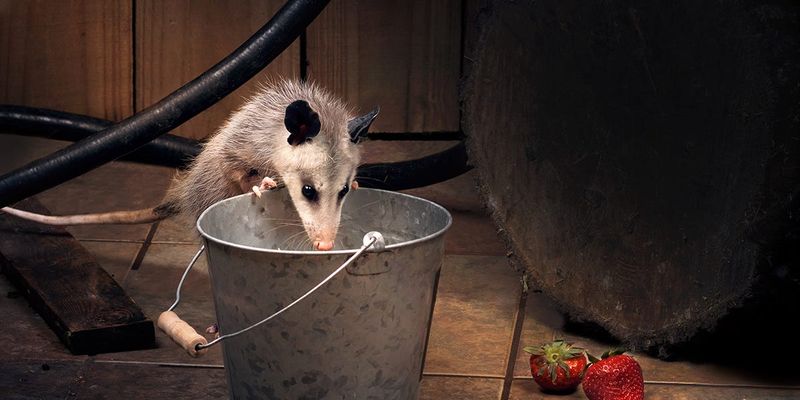
Most of the time, the right move for a passing opossum is to do nothing. Keep a safe distance, let it go on its way, and resist any urge to chase it.
It will usually move along on its own.
What you can change is what draws animals to your yard. Wisconsin DNR guidance on nuisance wildlife lists food-source reduction and exclusion as the main steps for opossums.
Start with garbage: use lids that fit tightly and keep carts in a garage or shed when you can. Next, bring outdoor pet food indoors, especially at night.
Openings in buildings are the second piece. If an animal is getting into a shed, crawl space, or garage, closing the gap can stop repeat visits.
Do this only after you are sure nothing is inside. Sealing an entry with an animal behind it can trap it, and young could be left alone.
One way to check is to watch the opening at dusk and look for the animal leaving. Make sure it has gone for the night before you work.
None of these steps involves catching or moving the opossum. They simply make your property less appealing, which is gentler and more effective than confronting an animal.
If an opossum is under a porch or deck
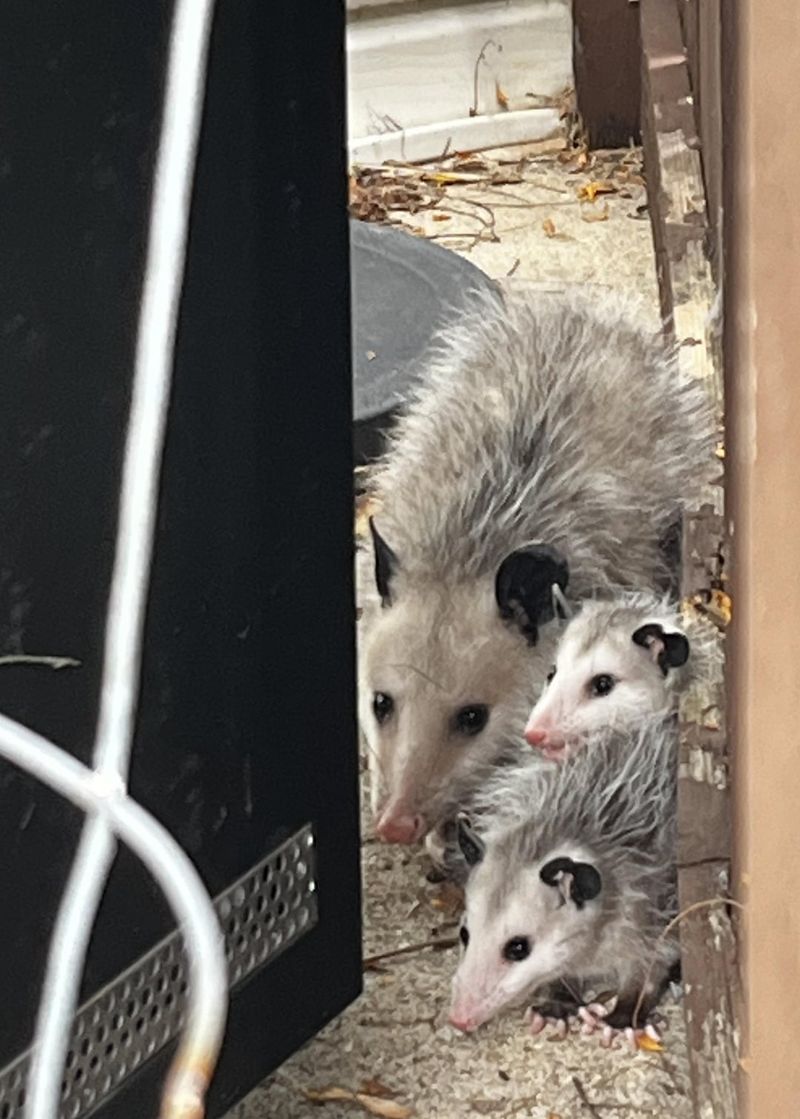
A porch or deck makes a handy winter shelter. It blocks wind and snow, and the space beneath it can stay a bit warmer than the open yard.
An opossum there may be resting for a night or settling in longer.
Resist the urge to block the opening right away. The Wisconsin Humane Society advises waiting until you are sure the animal, and any young, have left.
Sealing it too early could trap them inside, where they could not get food or water.
If you want the animal to move on, the Humane Society describes hazing and exclusion for suitable situations. In plain terms, that means making the spot less comfortable and then closing it up once it is empty.
Keep it simple and avoid anything that could injure the animal.
Never pour ammonia or any other product into a den. Fumes and chemicals can harm animals or trap them, and young may be unable to escape.
The same goes for rags soaked in repellents or other home remedies.
If you are not sure whether anyone is home, give it some time and check again. When in doubt, a call to a wildlife professional is a safer choice than guessing.
If one is trapped in a trash cart
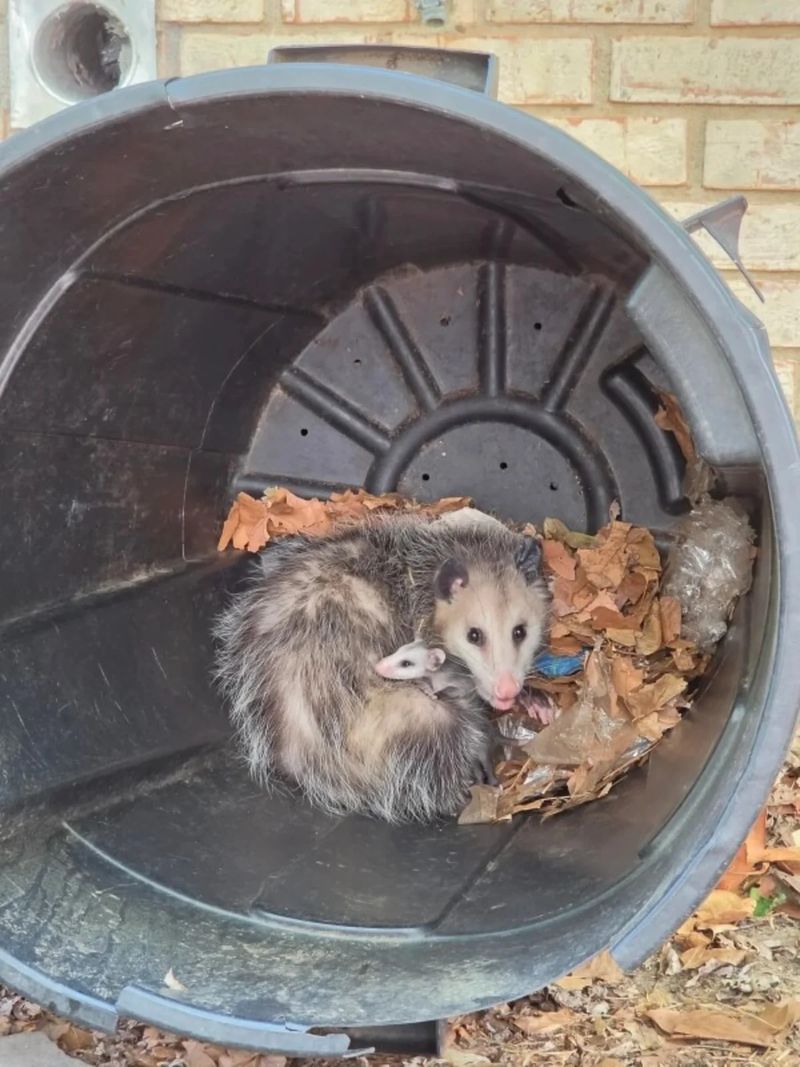
Sometimes an opossum climbs in after food and cannot get out. A tall, slick-sided cart can leave it stuck.
Fortunately, the fix is simple.
The Wisconsin Humane Society advises gently tipping the cart onto its side with the lid open. Then leave the area.
That gives the animal a clear way out and lets it leave once it feels safe.
Keep children and traffic away while you wait. A frightened animal may dash out in any direction.
Do not offer food or water, since that can keep it nearby.
This method is for a trash cart only. It is not a general rule for other containers or situations, and it should not be used as a reason to handle an animal in a different setting.
When an animal is injured or a person is bitten
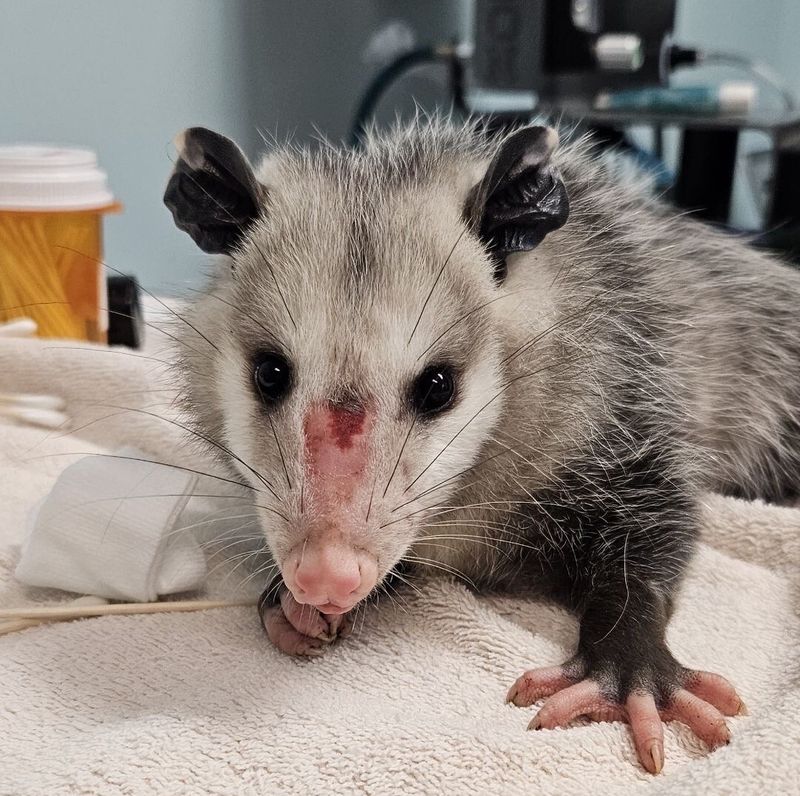
An opossum that simply shows up in your yard is different from one that looks hurt or ill. Signs of trouble include a visible wound, trouble moving, or a lasting inability to get away from danger.
In those cases, contact a licensed wildlife rehabilitator for advice before trying to capture it. A rehabilitator can tell you whether it needs help and how to proceed safely.
The Wisconsin DNR keeps a statewide list of wildlife rehabilitators that you can search by county and species. Call first, describe what you see, and follow their directions.
Do not pick the animal up on your own.
People contact is a separate matter. If someone may have been bitten or scratched, wash the wound promptly and seek medical advice.
CDC rabies information explains why possible exposures deserve quick attention.
Opossums are not among the main rabies reservoirs in the United States, but they are not immune. A bite from one should never be brushed off.
CDC public health guidance notes that other mammals can get rabies too.
Doctors and public health officials decide whether treatment is needed, not the person who was bitten. Let them make that call.
A simple rule for winter sightings
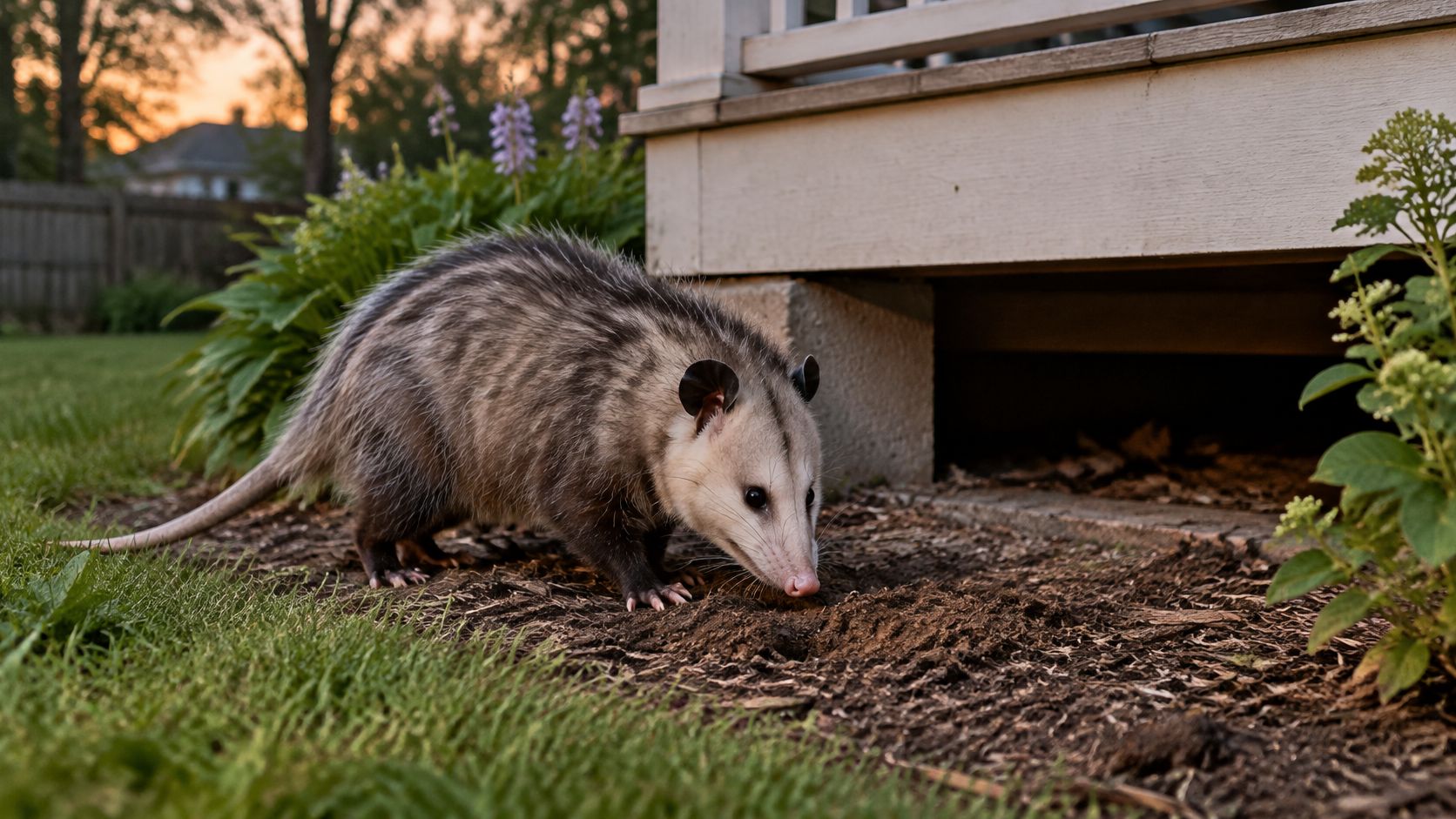
Think of it as space, source, and support. Give a passing opossum room, cut off the food that draws it, and close building gaps as Wisconsin DNR advises only when no animal is inside.
For a den, check Humane Society guidance first.
For injured animals, call a licensed rehabilitator. After a bite or scratch, see CDC rabies guidance.
A sighting alone is no reason to trap or relocate anything. Most of the time, the best neighbor is the one who lets the night shift pass by.
Share this story