Look over every log before it crosses your doorway this winter, because firewood often carries small hitchhikers along with it. Most are harmless bugs that simply wanted a warm, dry hiding place.
A quick check takes only a few seconds per log and can save you from a room full of surprise visitors. It also helps you think about how firewood travels and why that matters for trees far from your home.
Why insects can emerge from firewood indoors
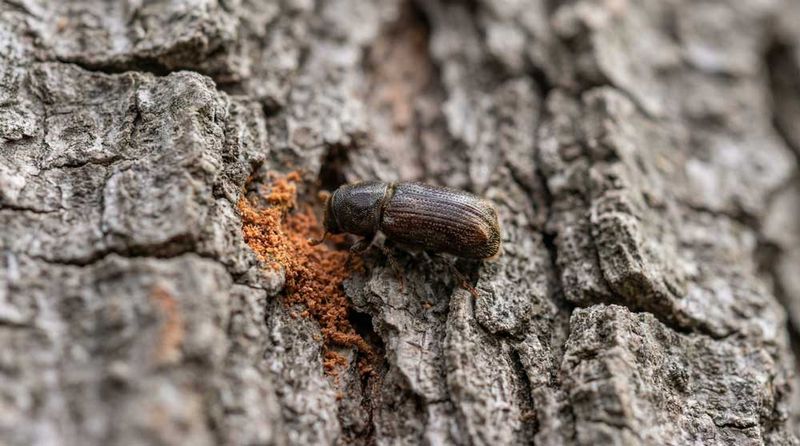
Firewood can bring insects and other small outdoor creatures into your home. Beetles and their larvae may live beneath bark or deep inside the wood, as described in University of Maine Extension guidance on firewood and insects.
Spiders, millipedes, sowbugs, and similar critters often tuck themselves into bark or crevices.
A log that sat in a cold woodpile can seem lifeless. Once you carry it into a warm room, though, some insects wake up and become active.
Others crawl out to look for a new spot. That is how a single armload can lead to a beetle on the windowsill a day later.
Checking each log lets you catch the visible clues before they reach your living room. A quick look can turn up bugs, webs, or flakes of loose bark that are easy to knock off outside.
Still, a check does not mean every log is full of pests, and it does not mean every visitor is dangerous.
Most of what shows up is a minor nuisance. As University of Maryland Extension notes about beetles in firewood, many of these insects are simply outdoor species that came along for the ride.
Think of inspection as a simple habit that keeps small surprises to a minimum, not a reason to worry about your home.
Check the bark, cracks, and ends for clues
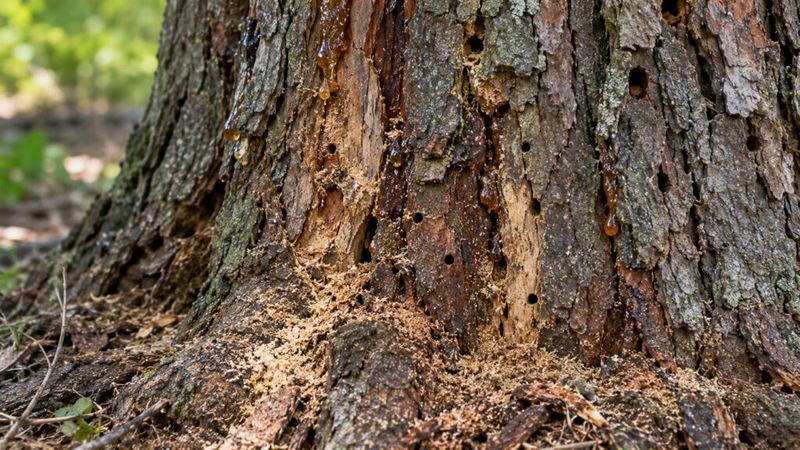
Pick up each log and turn it slowly in your hands. Start with the bark, looking for crawling insects, silky webs, and clusters that might be egg masses.
Loose or peeling bark deserves extra attention, since it makes a snug hiding spot.
Next, run your eyes along any cracks and the cut ends. Thin winding tunnels, called galleries, can show up under peeled bark or at the ends of a log.
Fresh-looking sawdust or frass, which is the gritty waste insects leave behind, is another clue that something has been chewing.
If you spot something, knock the log against a hard surface outside, brush off the debris, and set it aside for a closer look. You can also leave questionable pieces in the outdoor pile for now.
University of Maine Extension explains that insects in firewood vary a lot, so one sign does not tell you what you are dealing with.
Treat this routine as a basic screen. These clues can prompt a closer look, but they do not tell you what an organism is, and a log with no signs is not proven pest-free.
State guidance, such as the Georgia summary from Don’t Move Firewood, focuses on where wood comes from because looks alone cannot settle the question.
A clean-looking log can still carry hidden pests
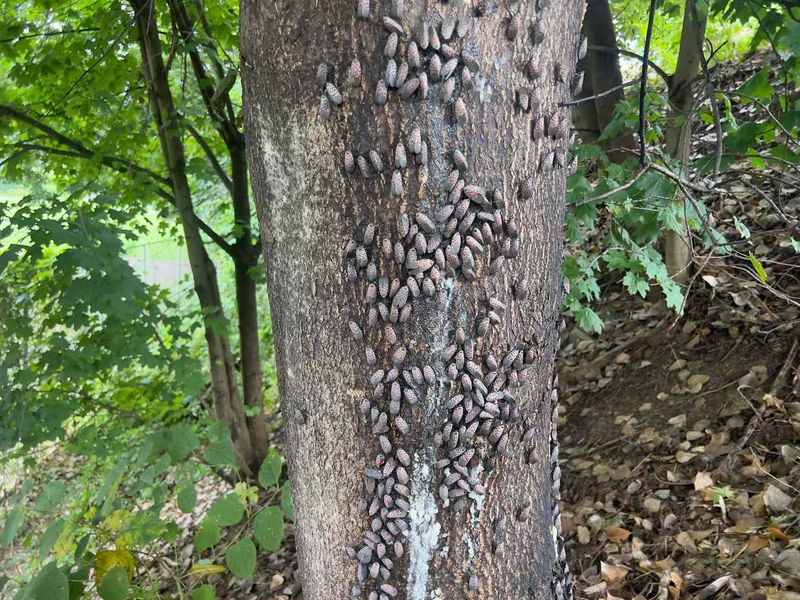
Some of the most troublesome stowaways are the ones you cannot see. Eggs can be tiny, larvae can sit deep inside the wood, and fungi may be growing where no eye will find them.
A smooth, tidy log can pass your inspection and still hold any of these.
Two different risks are worth keeping apart. The first is the chance of a bug crawling out in your home, which is usually a small annoyance.
The second is the chance of carrying invasive insects or plant diseases to a new place, where they can harm trees that have no defense against them.
The second risk is the reason forestry agencies keep repeating the same message. USDA APHIS advises buying firewood where you burn it, and the Georgia Forestry Commission discourages moving wood between counties or states.
A visual check can reduce surprise indoor visitors, and that is a real benefit. It cannot settle either risk, though.
Even a pest that would never bother your house could threaten forests elsewhere, which is why the Georgia page at Don’t Move Firewood points people toward local wood instead of closer inspection.
Buy or gather wood close to where you will burn it
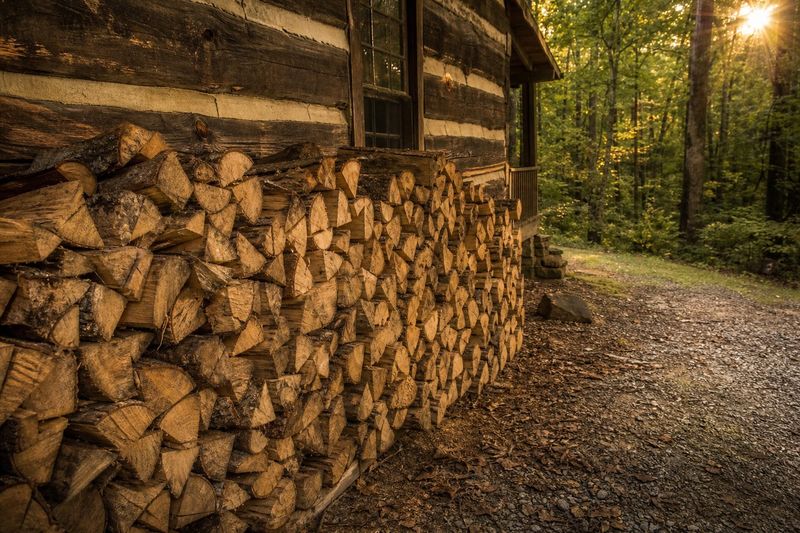
Local wood is the strongest protection for forests. If the logs come from near your fireplace, any pests riding along are already part of the neighborhood.
If they come from far away, those pests may land somewhere with no natural controls.
When you buy, ask the seller where the wood was cut. When you gather your own, cut it close to home.
Whatever is left at the end of the season should stay where you burned it, not go with you to a cabin or campsite. USDA APHIS recommends this approach and also asks people to follow any restrictions that apply.
The Georgia Forestry Commission advises against hauling firewood between counties or states. You may hear a fixed mileage number repeated online, but no single distance works as a rule for every Georgia homeowner.
Instead, check the current rules for both the place the wood comes from and the place it is going. The state summary at Don’t Move Firewood is a handy starting point.
Older news can be confusing here. Georgia’s emerald ash borer quarantine was lifted in 2021, as described in the Georgia Forestry Commission’s EAB report.
That change does not mean all firewood can travel freely, since other state or federal rules may still apply and local sourcing is still the advice.
Keep the main firewood supply outdoors
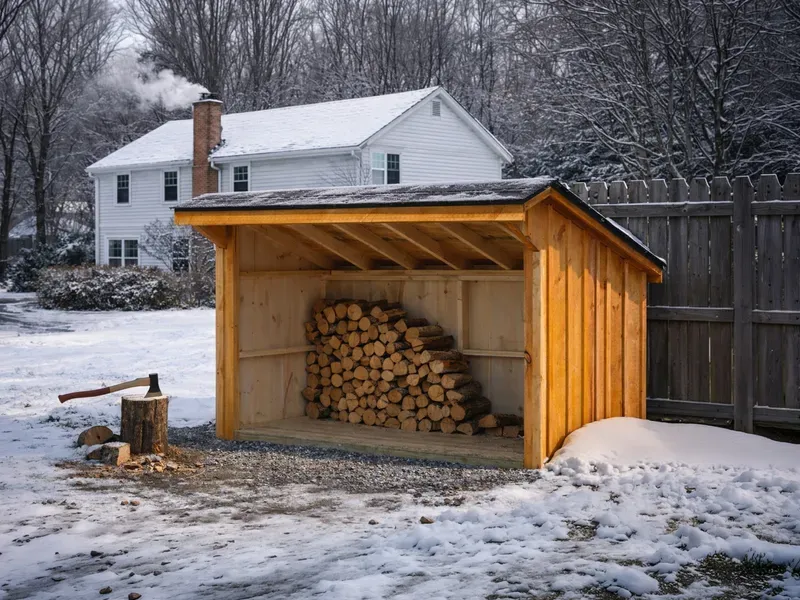
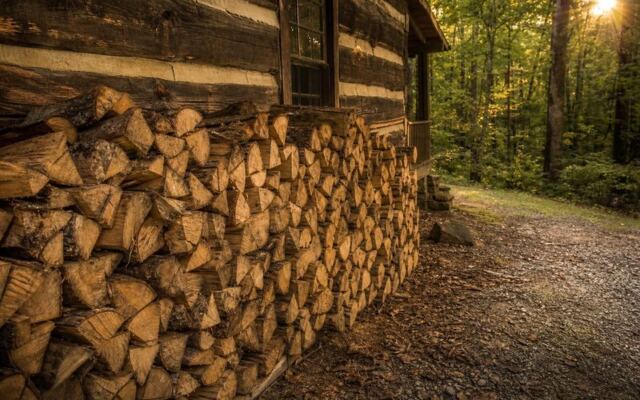
Your woodpile belongs outside, a little way from the house. A rack off the ground, set back from the walls, keeps any residents of the pile at a comfortable distance.
Cold outdoor air keeps most insects sluggish and tucked away.
Indoors, the story changes. The longer logs sit in a warm room, the more time insects have to warm up and wander out.
University of Maine Extension and University of Maryland Extension both point out that extended indoor storage gives hidden insects the chance to emerge.
A simple habit works well. Bring in only what you plan to burn soon, such as one evening’s worth or perhaps a day or two at most.
A basket by the hearth is plenty, and refilling it takes a short walk outside.
This tip is separate from buying local wood. Keeping the supply outdoors cuts down on bugs showing up in your living room, but it does nothing to stop pests from traveling long distances.
Both habits matter, and they solve different problems.
Most firewood insects are visitors, not proof of an infestation
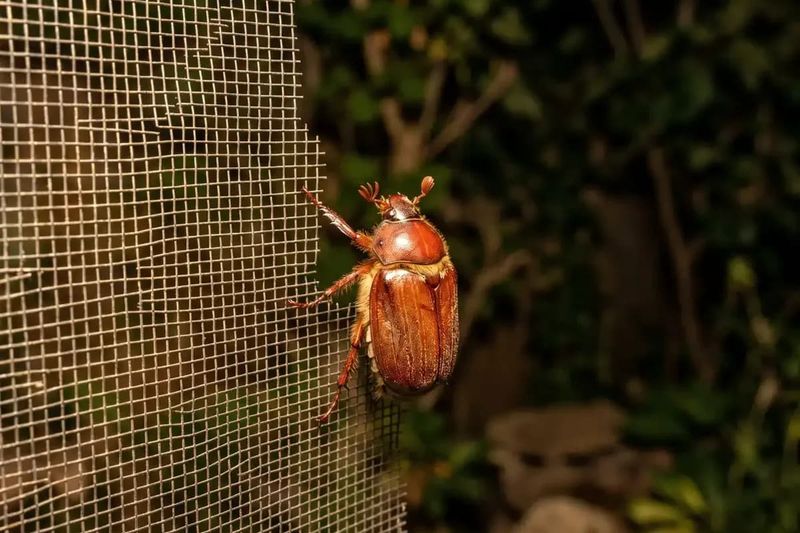
Finding a beetle near the hearth feels alarming, yet it usually is not a big deal. Many insects that come out of firewood are outdoor species that happened to be in the bark.
According to University of Maryland Extension, many beetles from firewood cannot reproduce in dry, finished wood.
For most visitors, a broom or vacuum is all you need. Sweep them up, empty the bag or container outside, and carry on.
University of Illinois Extension suggests identifying an insect before treating it as a household problem.
One bug does not mean your home is infested. Exceptions do exist, since a few wood-infesting species can attack structural lumber, as covered in University of Georgia Extension Bulletin 1412.
That is why persistence matters more than any single sighting.
Reach out to your county Extension office or a pest professional if insects keep appearing week after week. Do the same if you see fresh frass or new holes in structural wood, such as beams, trim, or framing.
A good photo of the insect and the damage will help them give you a quick answer.
Do not spray firewood you plan to burn
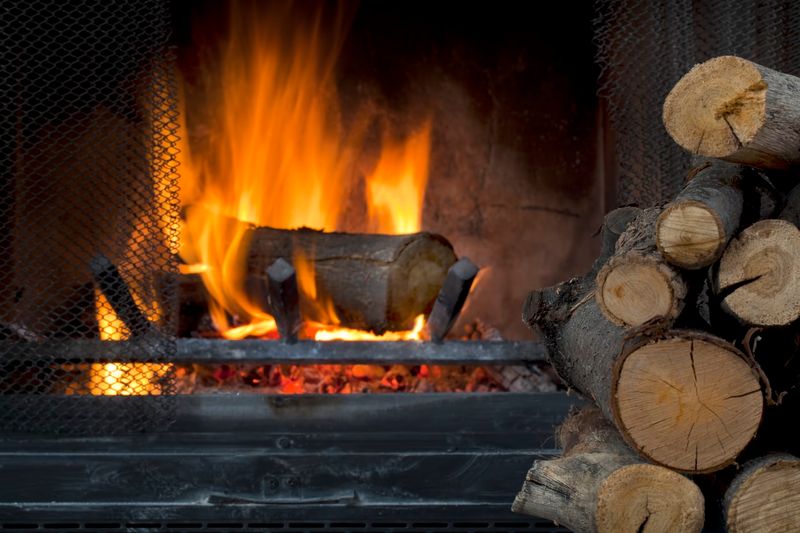
Reaching for a can of bug spray may feel like a smart shortcut. With firewood, it is a mistake.
Do not apply insecticide to logs, including wood you are saving for later burning.
The National Pesticide Information Center advises against spraying infested firewood. Residues can also become a hazard when treated wood burns, as explained in its treated wood fact sheet.
Smoke and ash from treated wood are not something you want in a room where your family gathers.
Do not assume that treated wood is safe to burn just because a label seems friendly. When in doubt, leave the log out of your fireplace.
Simple steps work better. Sweep or vacuum any visitors, keep the main pile outdoors, and ask for expert identification if signs persist.
A quiet bug on the windowsill is easy to fix, and a fire is much less forgiving than a beetle.
Share this story