If you have spotted a pale, pointy-faced visitor waddling across your Ohio lawn at night, you are not alone. Opossums are North America’s only marsupial, and they are very good at finding easy meals and cozy hiding spots near homes.
The surprising part is that the things drawing them in are often ordinary items you walk past every day. Once you know what they are, you can make your yard a lot less inviting without hurting these helpful critters.
1. Pet Food Left Outside
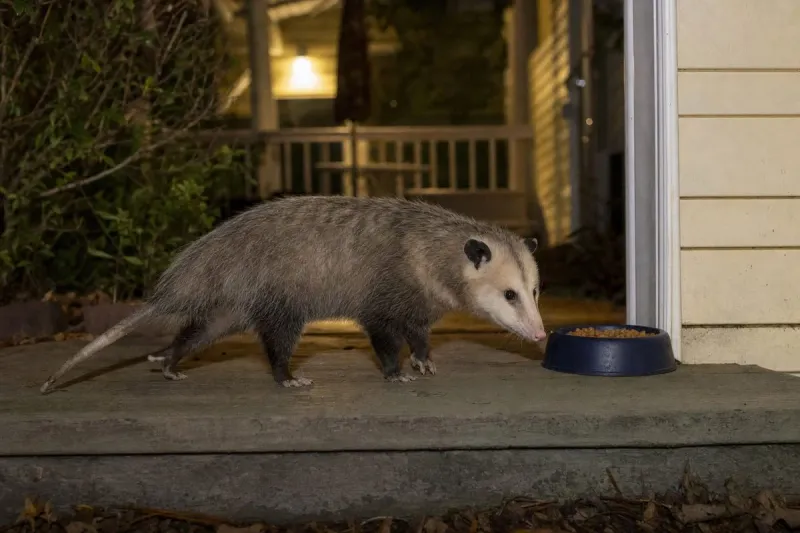
Picture your cat’s dinner bowl sitting on the back step after sunset. To an opossum, that bowl is basically a free buffet with a glowing neon sign.
Dry kibble is packed with fat and protein, which is exactly what a hungry opossum wants.
Many Ohio families feed outdoor cats or dogs on porches and decks. The trouble is that opossums remember where they found food, and they will return night after night on a regular route.
Some homeowners even find an opossum curled up next to the bowl, waiting.
The fix is simple. Feed pets indoors, or pick up bowls and leftover food before dark.
Store bags of pet food inside sealed plastic or metal bins so the smell does not drift into the yard.
2. Unsecured Trash Cans
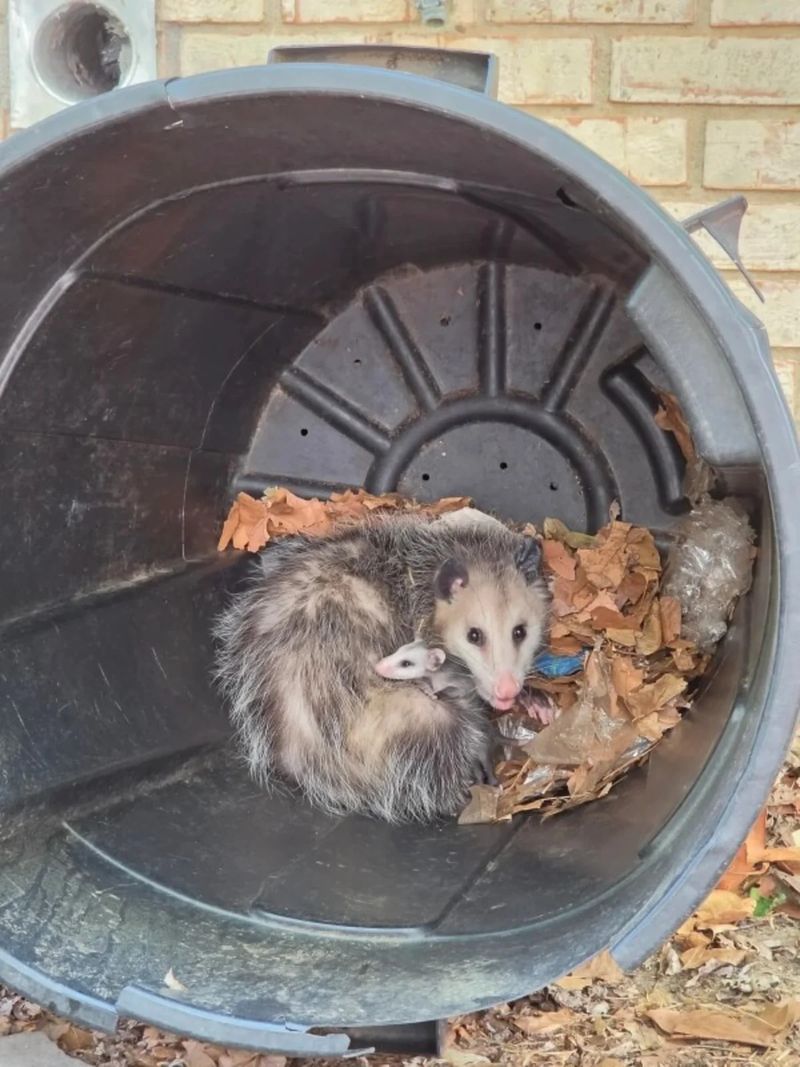
Ever wake up to a garbage can on its side and trash scattered down the driveway? Raccoons often get the blame, but opossums are just as happy to snack on food scraps.
Their keen noses can pick up old chicken bones and fruit peels from far away.
Loose lids are the biggest problem. Opossums are good climbers, and a can without a tight cover is an open invitation.
Even greasy bags left beside the bin count as dinner.
Try cans with locking lids or bungee cords, and keep them in a garage or shed until pickup day. Rinsing out smelly containers before tossing them helps too.
3. Fallen Fruit From Backyard Trees
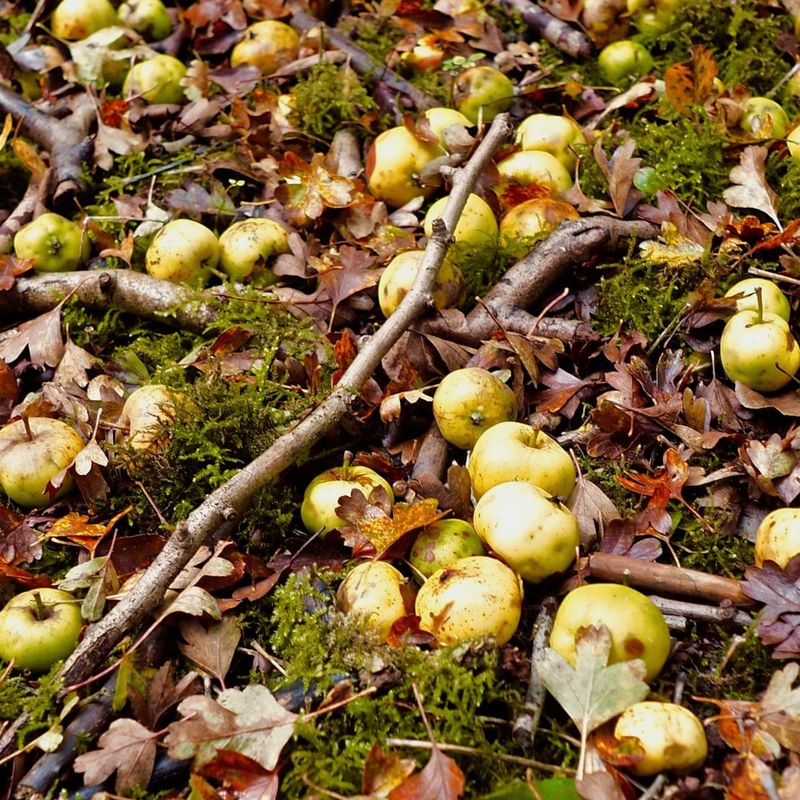
Late summer in Ohio means apple, pear, and mulberry trees dropping their goodies all over the lawn. You might see it as a mess to rake up.
An opossum sees dessert.
Opossums love soft, sweet fruit, especially when it starts to get mushy. Persimmons are a real favorite, and wild persimmon trees grow in southern Ohio.
Fun fact: old folk tales claim opossums wait under persimmon trees for the fruit to fall.
Gather dropped fruit every day or two during harvest season. Pick ripe fruit from branches before it falls, and toss extras in a sealed compost bin or the trash.
4. Bird Feeders and Spilled Seed

Bird lovers, this one might sting a little. Your cheerful feeder full of sunflower seeds may be feeding more than cardinals and chickadees.
Birds are messy eaters. They knock seeds to the ground all day, and at night opossums come by to clean up.
Some opossums will even climb poles to reach the feeder itself.
You do not have to give up bird watching. Use seed catcher trays, choose no-mess blends without shells, and sweep up spills in the evening.
Bringing feeders in at night during busy seasons can also break the habit.
5. Open Compost Piles
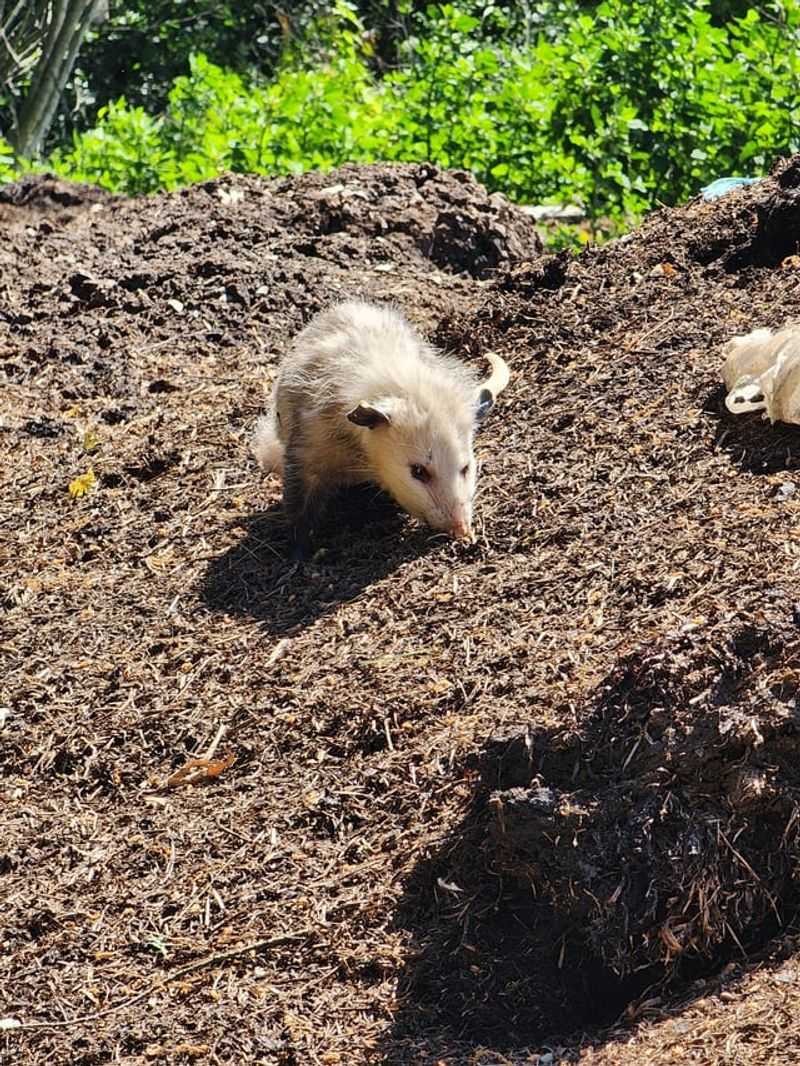
Composting is great for your garden. However, an open heap stuffed with banana peels, eggshells, and veggie scraps is like a salad bar that never closes.
Opossums also eat the bugs, worms, and grubs that live in warm compost. So even if you skip food scraps, the pile can still attract them.
The warmth on chilly Ohio nights is a bonus.
Switch to an enclosed compost tumbler or a bin with a secure lid. Avoid adding meat, dairy, or oily foods, which smell strongest and draw the most animal traffic.
6. Space Under Decks and Sheds
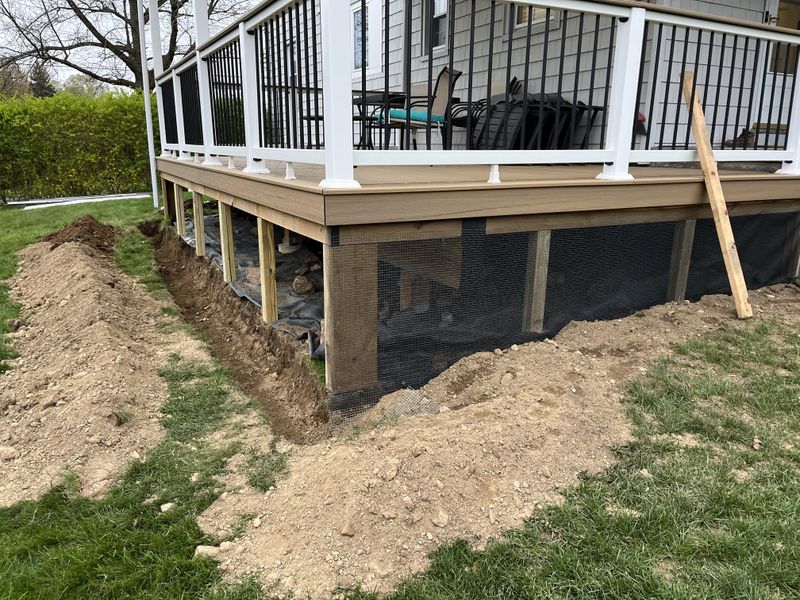
Opossums do not dig their own burrows. Instead, they borrow whatever shelter they can find, and the dark gap under your deck is prime real estate.
Spaces under porches, sheds, and steps stay dry and hidden. Mother opossums may use them to raise babies, which can number a dozen or more.
Once they settle in, they can stay for weeks.
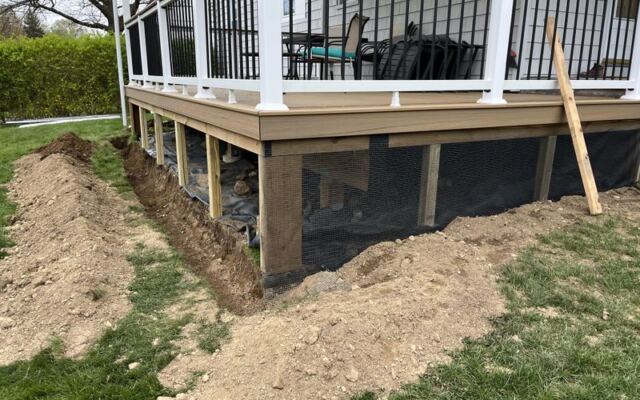
Check for gaps and seal them with sturdy hardware cloth buried a few inches into the soil. Before closing anything up, make sure no animal is inside.
Sprinkling flour near the opening overnight can show you if tracks lead out.
7. Woodpiles and Brush Heaps
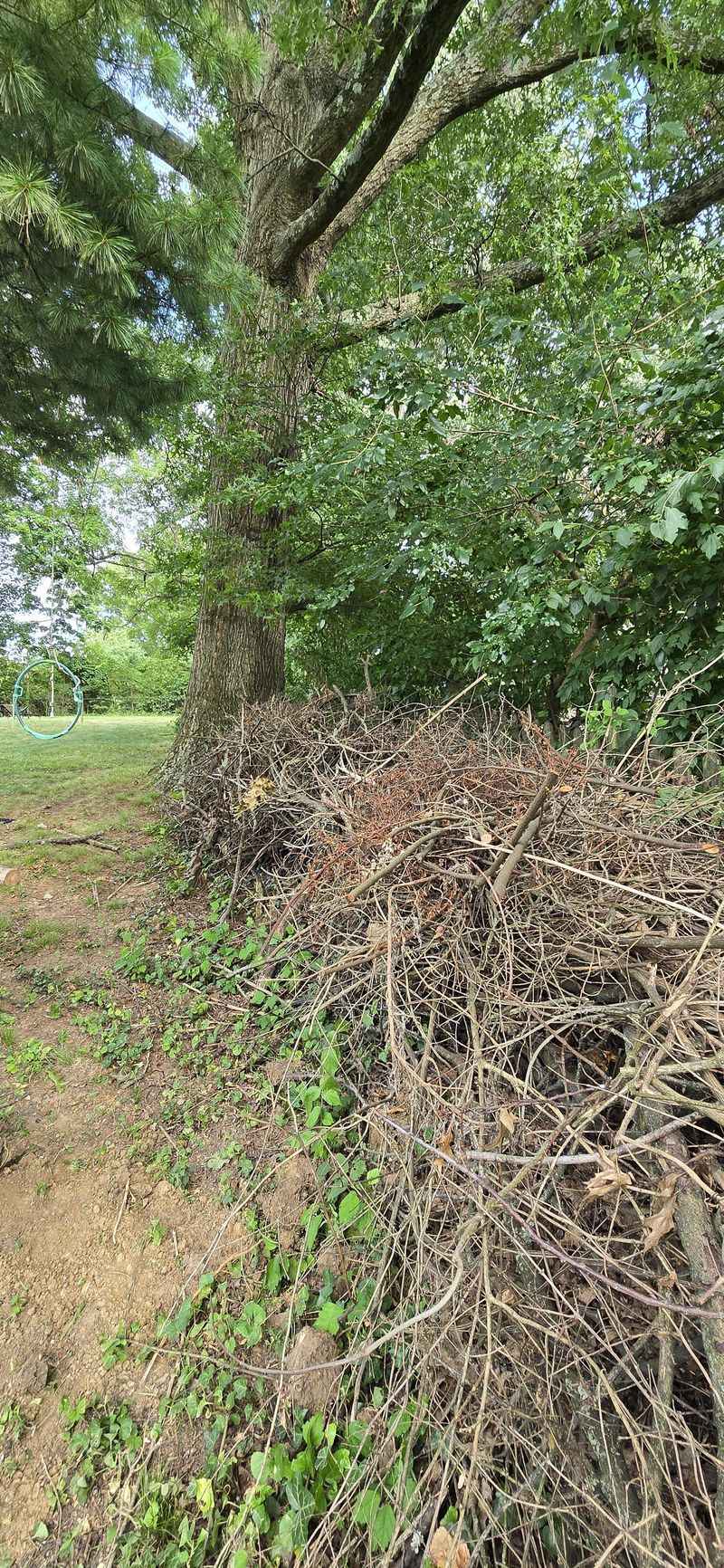
A neatly stacked pile of firewood feels cozy and old-fashioned, especially as Ohio heads into fall. Opossums agree.
Woodpiles and brush heaps offer shelter from wind and hawks. They also hold beetles, spiders, and mice, which are all on the opossum menu.
It is food and housing in one spot.
Store firewood on a raised rack at least a foot off the ground and away from your house. Clear out brush piles and tall weeds regularly so there are fewer places to hide.
8. Standing Water Sources
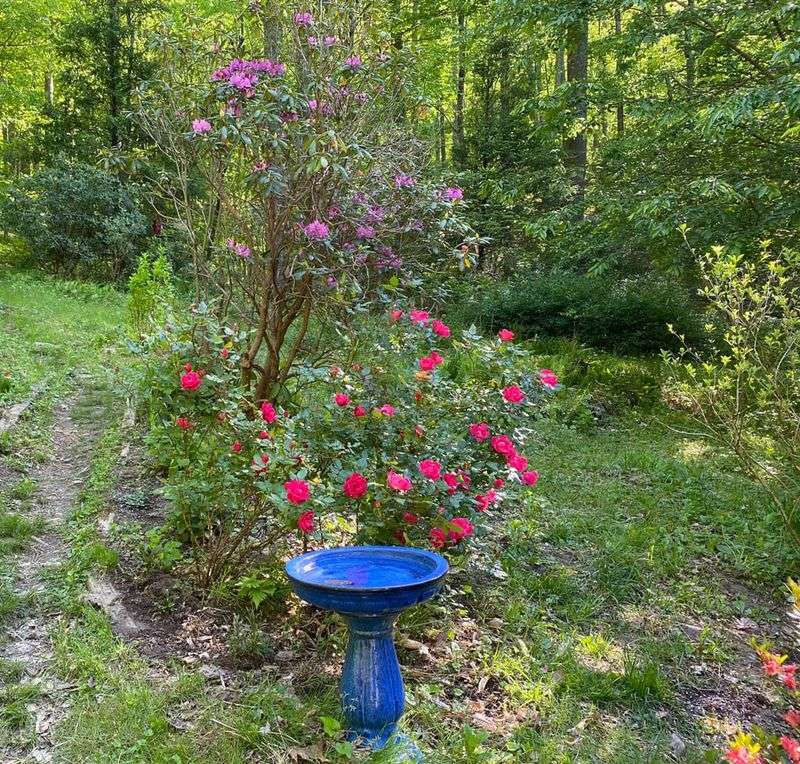
Water is easy to forget, yet every animal needs it. During hot, dry Ohio summers, a birdbath or leaky spigot becomes a popular stop.
Opossums will drink from pet water bowls, kiddie pools, buckets, and puddles. Combine water with food nearby and your yard becomes a full rest stop.
Clogged gutters dripping into low spots add to the problem.
Empty buckets and pools after use, fix leaky hoses, and bring pet water dishes indoors at night. Bonus: removing standing water also cuts down on mosquitoes.
9. Vegetable Gardens and Grubby Lawns
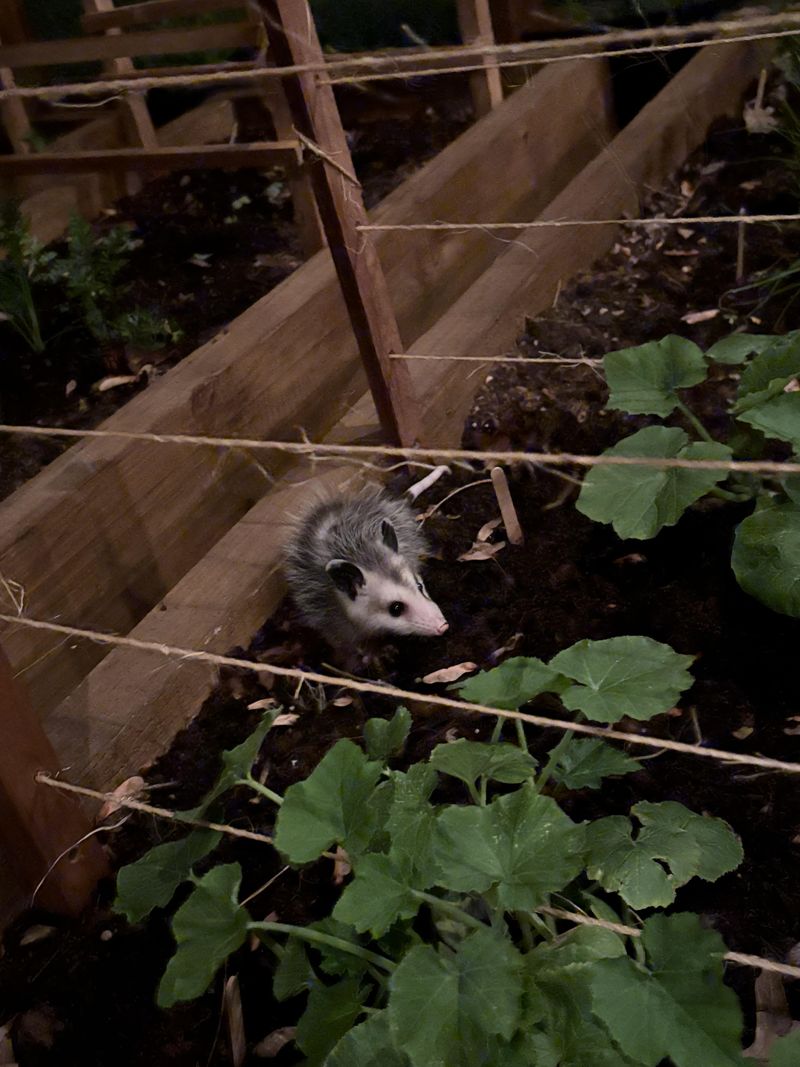
Here is a twist: sometimes opossums show up because your yard is full of pests. They gobble slugs, beetles, grubs, and even ticks, which makes them handy garden helpers.
Still, they will happily taste a ripe tomato or strawberry too. A garden loaded with produce and a lawn crawling with grubs gives them two reasons to visit.
Harvest veggies as soon as they ripen and use simple fencing around beds. Treating grub problems in your lawn removes a big food source.
Many Ohio gardeners decide a few opossum visits are worth the free pest control.
Share this story