Get the latest garden guides in your inbox →
Gardening Latest
  • General Gardening
  • Lawn Care
  • Plant Care
  • Composting
  • Soil Health
  • Backyard
  • Garden Muse Magazine
  • General Gardening
  • Lawn Care
  • Plant Care
  • Composting
  • Soil Health
  • Backyard
  • Garden Muse Magazine
  • News
  • Gardening Calendar
  • Garden Structures
  • Vegetable Garden
  • Vertical Garden
  • Raised Beds
  • Hydroponics
  • General Equipment
  • Community Gardens
Garden Themes
  • Spiritual Garden
  • Hydroseeding
  • Seeding and Laying Sod
  • Artificial Grass
  • Lawn Care Equipment
  • Plants
  • Trees
  • Planting Tools
  • Composting Basics
  • Fertilizer
  • Alternative Growing Mediums
  • Front Yard
  • Backyard Activities
  • Landscaping
Gardening Latest

Explore by state

Which state is your garden in?

All states

Northeast

  • Connecticut —
  • Delaware 17
  • Maine —
  • Maryland 3
  • Massachusetts 19
  • New Hampshire —
  • New Jersey 3
  • New York 12
  • Pennsylvania 12
  • Rhode Island —
  • Vermont —

Southeast

  • Alabama 3
  • Arkansas —
  • Florida 3
  • Georgia 3
  • Kentucky 17
  • Louisiana 2
  • Mississippi —
  • North Carolina 1
  • South Carolina 16
  • Tennessee —
  • Virginia 2
  • West Virginia —

Midwest

  • Illinois 2
  • Indiana 4
  • Iowa 16
  • Kansas —
  • Michigan 3
  • Minnesota 2
  • Missouri 2
  • Nebraska —
  • North Dakota —
  • Ohio 3
  • South Dakota —
  • Wisconsin 18

Southwest

  • Arizona 3
  • Colorado —
  • Nevada —
  • New Mexico —
  • Oklahoma —
  • Texas 2
  • Utah —

West

  • Alaska —
  • California 3
  • Hawaii —
  • Idaho —
  • Montana —
  • Oregon —
  • Washington —
  • Wyoming —

No state matches that search.

Site menu

Gardening Latest
  • General Gardening
    • News
    • Gardening Calendar
    • Garden Structures
    • Vegetable Garden
    • Vertical Garden
    • Raised Beds
    • Hydroponics
    • General Equipment
    • Community Gardens
    Garden Themes
    • Spiritual Garden
  • Lawn Care
    • Hydroseeding
    • Seeding and Laying Sod
    • Artificial Grass
    • Lawn Care Equipment
  • Plant Care
    • Plants
    • Trees
    • Planting Tools
  • Composting
    • Composting Basics
  • Soil Health
    • Fertilizer
    • Alternative Growing Mediums
  • Backyard
    • Front Yard
    • Backyard Activities
    • Landscaping
  • Garden Muse Magazine

Explore

  • About GardeningLatest.com
  • Contact Us

Get the latest from the garden

New guides on lawn care, plants and backyard projects, sent when they go up.

Subscribe →

Follow

  • Facebook
  • X
  • Pinterest
  • YouTube
Latest News

Chinch Bugs Lawn | What is It?

Suppose your beautiful lawn suddenly appears discolored and dry or even drought-stricken in places despite regular…

By Keith Hardy

January 15, 2023 · 4 min read

Chinch Bugs Lawn | What is It?

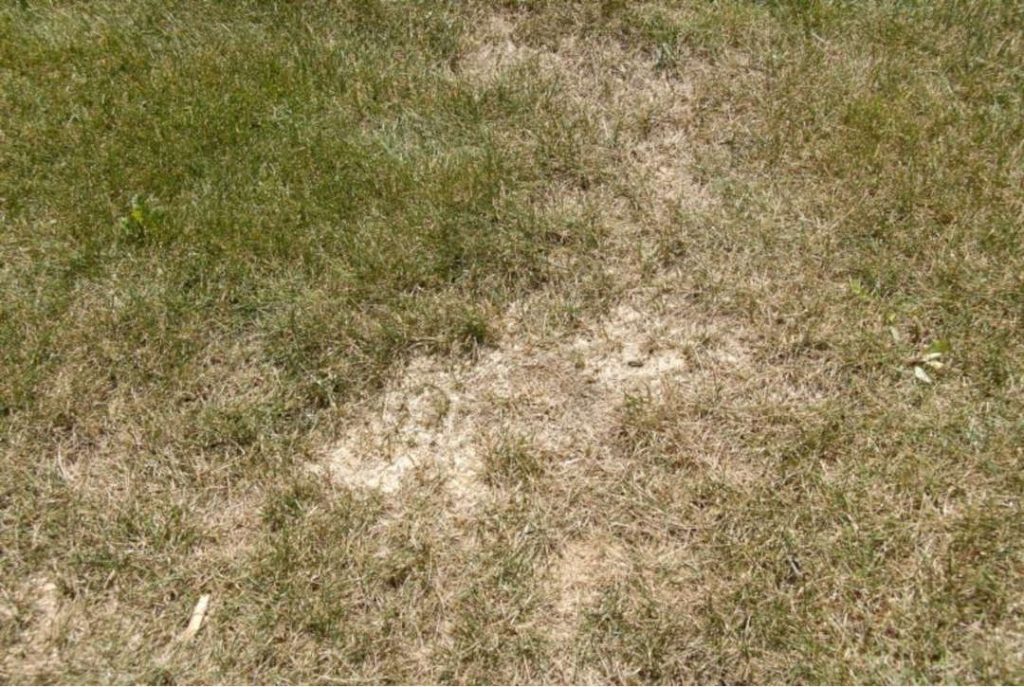
Suppose your beautiful lawn suddenly appears discolored and dry or even drought-stricken in places despite regular watering. In that case, the chances are that you might have a chinch bug infestation, more commonly called “chinch bugs lawn.”

Damage to lawns caused by chinch bugs can become extensive if not dealt with quickly. If you take the proper measures, you can get rid of chinch bugs without using expensive pest control services, and an effective maintenance regime can prevent the bugs from reappearing.

Table of Contents
  • What Chinch Bugs Are
  • What Damage Can They Cause
  • Identifying an Infestation
  • Dealing with a Chinch Bug Infestation
  • Prevention of Infestations
  • Our Advice on Preventing Chinch Bug Lawn
  • Further Reading on Dealing with Chinch Bugs

At a glance

Filed under
Latest News
Read
4 minutes
Published
January 15, 2023
  • What Chinch Bugs Are
  • What Damage Can They Cause
  • Identifying an Infestation

What Chinch Bugs Are

Chinch bugs are tiny insects that can cause significant damage to lawns and gardens. They are about 1/8 inch long, with black bodies and white wings. Chinch bugs feed on the sap of grasses, causing yellow or brown patches to appear on the lawn. They are particularly active during hot, dry weather and can quickly infest a lawn if left untreated. To control chinch bugs, it is important to identify and treat infested areas as soon as possible. This can include using insecticides specifically formulated for chinch bugs, as well as maintaining a healthy lawn through proper watering and fertilization.

We have written an in-depth guide to what chinch bugs are, what they look like, and the habitats and conditions they enjoy which should help you understand the possible problems they present.

What Damage Can They Cause

detecting-chinch-bugs

Chinch bugs can cause significant damage to lawns and gardens. These tiny pests suck the sap from the roots and stems of grass and plants, causing wilting, yellowing, and eventual death. They can quickly spread through a lawn, leaving brown patches and bare areas in their wake. Additionally, their feeding can weaken the grass, making it more susceptible to disease and drought.

Identifying an Infestation

An infestation of chinch bugs can be identified by several key signs. Brown or yellow patches in the lawn, wilting or thinning grass, and the presence of small, black bugs with white wings are all indications of a chinch bug infestation. Additionally, gently squeezing the stems of affected plants or grass may release the bugs. To confirm the presence of chinch bugs, place a sheet of white paper or a tray filled with soapy water on the affected area. The bugs will be attracted to the light and will be visible on the paper or floating in the water. Regular monitoring for these signs can help catch an infestation early, allowing for prompt treatment.

To prevent and control chinch bug damage, it is important to regularly monitor for their presence and take action quickly with insecticides or natural methods.

Dealing with a Chinch Bug Infestation

Dealing with a chinch bug infestation requires a multifaceted approach. The first step is to reduce the population by applying insecticides specifically formulated for chinch bugs. These can be in the form of granules, sprays, or liquid. Using neem oil or insecticidal soap can also be effective for a more natural approach.

Additionally, maintaining a healthy lawn through proper fertilization, irrigation, and mowing practices can help prevent future infestations. It’s important to note that regular monitoring and early detection is key to effectively controlling chinch bugs before they cause significant damage.

Prevention of Infestations

To prevent and control chinch bug damage, it is important to regularly monitor for their presence and take action quickly with insecticides or natural methods.

We have produced a detailed article on how to prevent chinch bug infestations or it reoccurring if you have already suffered. The article includes details on grass types and lawn maintenance practices that reduce the chances of them appearing.

Our Advice on Preventing Chinch Bug Lawn

Chinch bugs are lawn-destroying pests that no homeowner wants to deal with. The best defense against infestations is prevention. Choosing a resilient grass variety, such as Tall fescue, can provide some natural protection, but it is not a foolproof solution. The use of preventative pesticides in the spring, as well as the introduction of beneficial insects that prey on chinch bugs, can provide added protection.

In addition, proper lawn care practices such as regular mowing, appropriate watering, and fertilization can create an environment less conducive to chinch bug infestations. By implementing a combination of preventative measures and good lawn care habits, you can effectively protect your lawn from chinch bug damage and maintain a healthy, lush green lawn/grass area.

For a more detailed look at what chich bugs are, how to identify them, eradicate them, and then prevent them from coming back read our series of articles on the topic.

Further Reading on Dealing with Chinch Bugs

  • Chich Bugs: What Are They and Why Are They Dangerous for Your Lawn
    January 15, 2023

    Chich Bugs: What Are They and Why Are They Dangerous for Your Lawn

  • Don’t Overlook Chinch Bug Damage: How Do I Know if My Lawn Has Chinch Bugs
    January 15, 2023

    Don’t Overlook Chinch Bug Damage: How Do I Know if My Lawn Has Chinch Bugs

  • Eliminate Chinch Bugs in Your Lawn: The Ultimate Guide to How to Get Rid of Chinch Bugs
    January 15, 2023

    Eliminate Chinch Bugs in Your Lawn: The Ultimate Guide to How to Get Rid of Chinch Bugs

  • Prevent Chinch Bugs Before They Strike: How to Prevent Chinch Bugs from Attacking Your Lawn
    January 15, 2023

    Prevent Chinch Bugs Before They Strike: How to Prevent Chinch Bugs from Attacking Your Lawn

Tagged
  • chinch bugs

Share this story

Written by

Keith Hardy

More from Keith Hardy →

Keith has been involved in the gardening and landscaping industry fro the past 21 years. From a jobbing gardener to running his own landscaping services. He is now dedicated to bringing you the latest in gardening news.

About Gardening Latest

Gardening Latest provides in-depth guides to maintaining and enhancing your garden and backyard. Learn how to make the most of the space you have and create a beautiful garden.

More about us →

Latest stories

  • Wisconsin GardeningWisconsin Homeowners Can Legally Trim a Neighbor’s Overhanging Tree Branches, but Only Up to the Property Line

    Wisconsin Homeowners Can Legally Trim a Neighbor’s Overhanging Tree Branches, but Only Up to the Property Line

    11 hr ago
  • Iowa GardeningMuddy Towers in Your Iowa Lawn? They May Be a Clue to a Burrowing Crayfish

    Muddy Towers in Your Iowa Lawn? They May Be a Clue to a Burrowing Crayfish

    11 hr ago
  • Massachusetts GardeningMassachusetts Yards Get These Five Winter Birds That Most People Mistake for Sparrows

    Massachusetts Yards Get These Five Winter Birds That Most People Mistake for Sparrows

    12 hr ago
  • Delaware GardeningFound a Woolly Bear Caterpillar Curled Up in Your Delaware Leaf Litter? Leave a Sheltered One Undisturbed

    Found a Woolly Bear Caterpillar Curled Up in Your Delaware Leaf Litter? Leave a Sheltered One Undisturbed

    12 hr ago
  • Kentucky GardeningWhy You Might See an Opossum Near Your Kentucky Home in Winter, and What to Do

    Why You Might See an Opossum Near Your Kentucky Home in Winter, and What to Do

    12 hr ago

Gardening by state

Stories for your state, and the hardiness zone most of it gardens in.

Keep exploring

Read next

All Latest News →
General GardeningWinter is Coming But Your Garden Still Needs You – November Gardening Tasks
General Gardening

Winter is Coming But Your Garden Still Needs You – November Gardening Tasks

Jul 28
CompostingWorm Castings vs Compost the Key Differences
Composting

Worm Castings vs Compost the Key Differences

Sep 14
CompostingCompost vs Fertilizer – What Are the Differences
Composting

Compost vs Fertilizer – What Are the Differences

Sep 14

More from Latest News

  • Should You Rake Dead Grass From Your Lawn?

    Oct 31, 2023
  • How to Clean Artificial Turf: Frequency Matters

    Jun 28, 2024
Back to top
Gardening Latest

In-depth guides to maintaining and enhancing your garden and backyard: how to make the most of the space you have, and how to make it beautiful.

  • Facebook
  • X
  • Pinterest
  • YouTube

We may earn a portion of sales from products or services that are purchased through our site as part of our affiliate partnerships with retailers.

Explore

  • About GardeningLatest.com
  • Contact Us
  • Terms and Conditions
  • Privacy
  • Editorial Note:
  • FTC Disclosure

Newsletter

New garden guides and seasonal tips, straight to your inbox.

We’ll email you a link to confirm. Unsubscribe any time.

Almost there! Check your inbox and tap the link to confirm.

© 2026 Gardening Latest. All rights reserved.

Back to top

Last Updated on January 15, 2023