Plenty of small brown birds hop around Massachusetts feeders when the snow piles up. Most people call them all sparrows and move on, but some of them are not sparrows at all.
Learning to tell them apart makes winter bird watching a lot more fun, and it helps you feed them the right way. Here are five common visitors that fool almost everyone.
1. Dark-eyed Junco
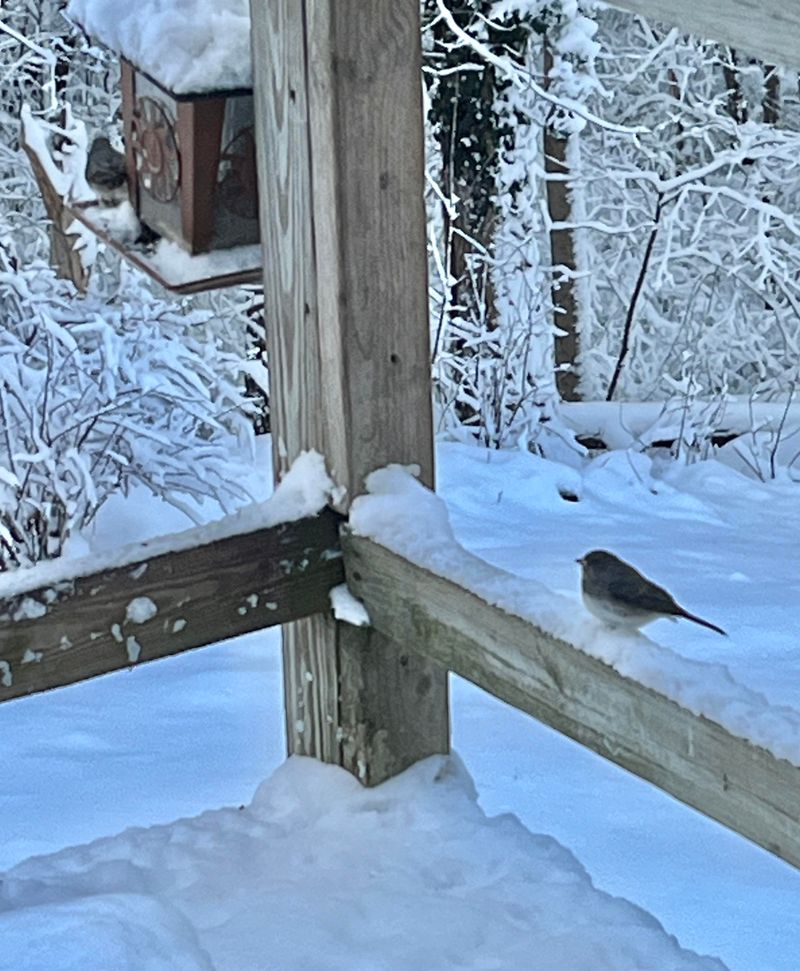
Old-timers in New England call them snowbirds, and for good reason. Juncos tend to show up right when the first cold snap hits and vanish again by spring.
At a quick glance they seem plain, but look closer. A junco has a smooth gray hood, a clean white belly, and a pale pink bill that looks almost like candy corn.
The real giveaway comes when one flies off. Bright white feathers flash on both sides of the tail, something no house sparrow can do.
They love to feed on the ground, so scatter millet or cracked corn under your feeder instead of hanging it high.
2. House Finch
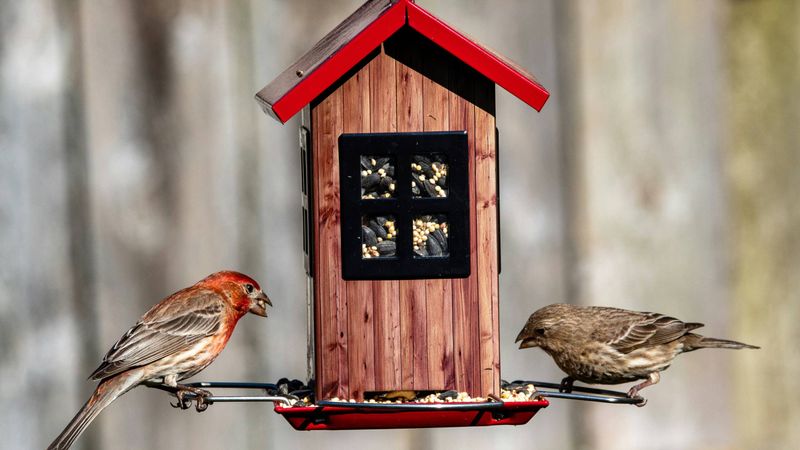
Here is a bird with a wild backstory. House finches were once sold as caged pets called Hollywood finches, and when sellers in New York released them in the 1940s, they spread across the whole East Coast.
Females are the tricky ones. They wear blurry brown streaks from head to belly and could easily pass for a sparrow.
Check the bill, though. A house finch has a short, curved, chunky beak, and the males splash on a raspberry red color around the face and chest.
Their cheerful, warbling song can brighten even a gray January morning. Black oil sunflower seeds will keep them coming back day after day.
3. Pine Siskin
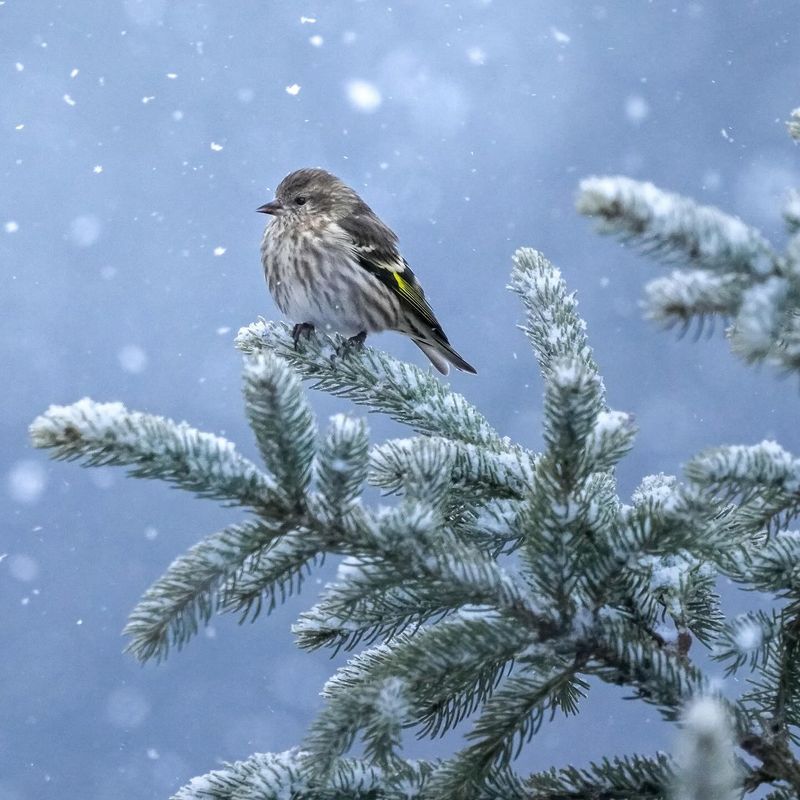
Some winters you will see none at all. Other winters, a flock of fifty might swarm your thistle feeder overnight.
Pine siskins are irruptive, which means they move south in big numbers only when seed crops fail up north in Canada. That makes spotting one feel like winning a small prize.
They are heavily streaked and brown, so sparrow confusion is easy. Watch for a thin, pointy bill and flashes of yellow on the wings and tail.
Listen too. Siskins make a rising, buzzy zreeee call that sounds a bit like someone slowly zipping a jacket.
4. Female Purple Finch
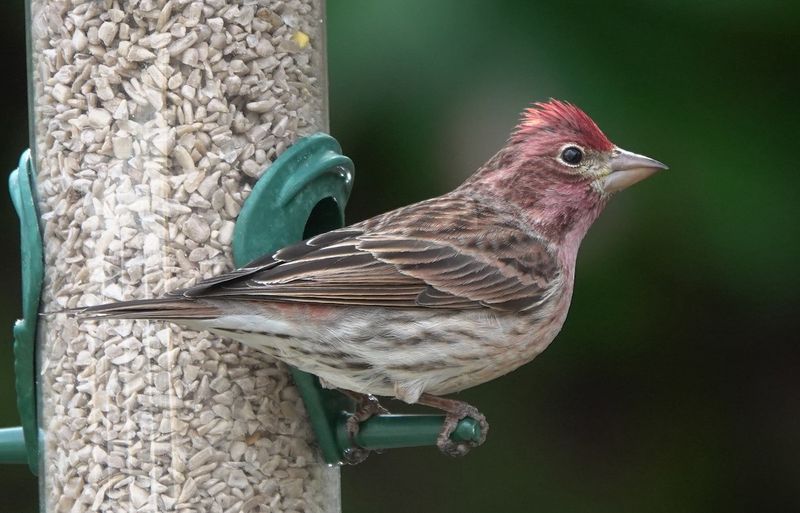
Fun fact: the purple finch is the official state bird of New Hampshire, right next door. Massachusetts gets plenty of them too, especially near wooded yards.
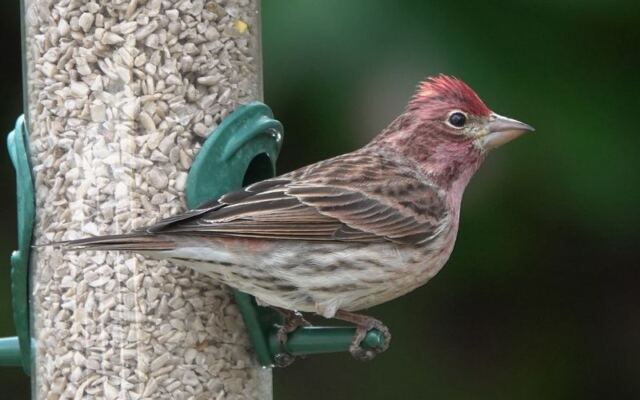
The female has no purple at all. She is brown and white with sharp, crisp streaks, and she looks remarkably like a sparrow.
Her best clue is her face. A bold white eyebrow and a dark cheek patch give her a masked look that house finch females lack.
Purple finches are a bit shy, so they may visit only once or twice a day. Keep a quiet window seat ready and some sunflower hearts out.
5. Brown Creeper
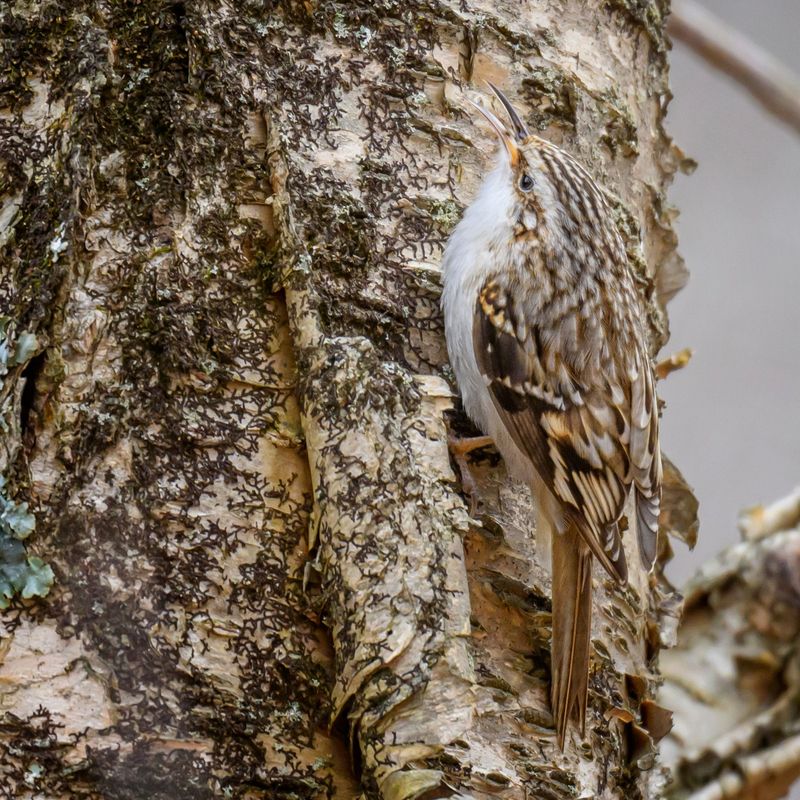
Ever seen a piece of bark move? You may have just met a brown creeper.
Small, brown, and speckled, this bird gets lumped in with sparrows by people who only catch a blur. Its habits, though, are totally different.
A creeper starts at the bottom of a tree and spirals upward, poking for insects with a thin, curved bill. When it reaches the top, it drops to the base of the next tree and climbs all over again.
It rarely touches seed. Hang a block of suet against a trunk, and you might catch one creeping right up to it.
Share this story