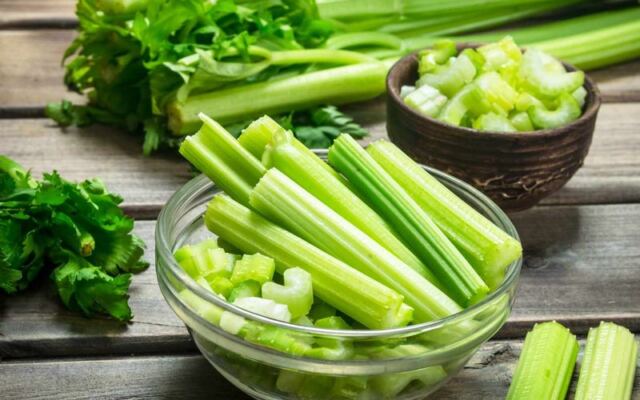
Celery sits in a lot of fridges in South Carolina, usually next to the dip or tucked into a pot of soup. Some people say eating it every day can cleanse your body or fix your health.
Others say it is just crunchy water. Here is a plain look at what a daily celery habit really adds to your plate and what it does not.
A daily serving adds water, fiber, and few calories
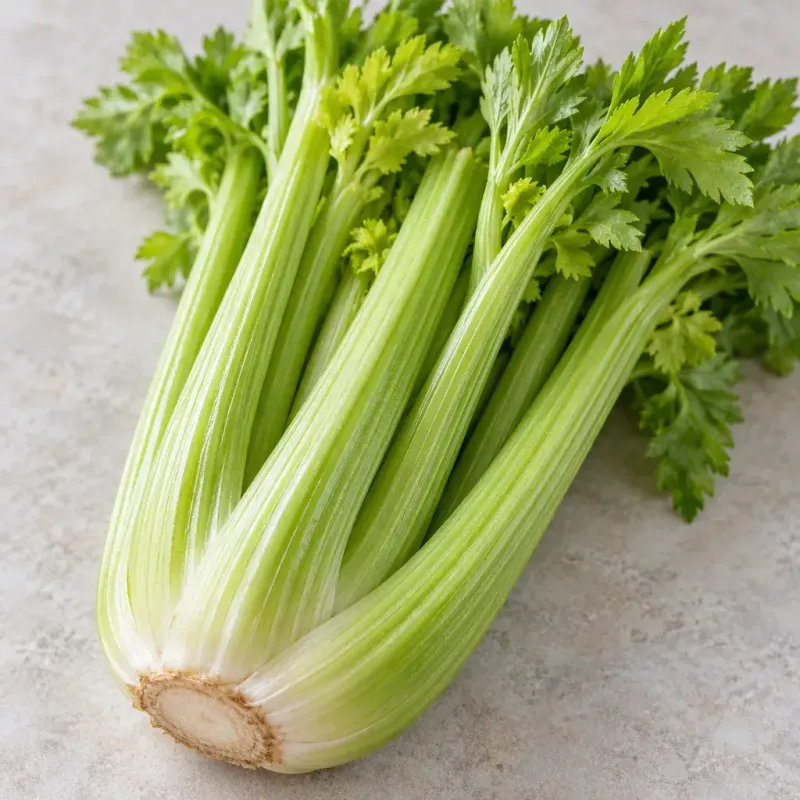
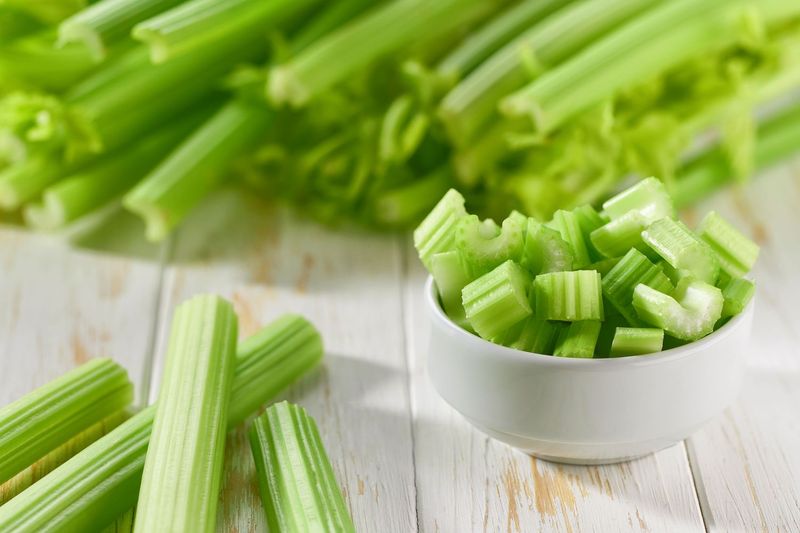
Start with the numbers. USDA data for raw celery list about 95.43 grams of water, 1.6 grams of fiber, and about 16 calories in every 100 grams.
Those figures describe a measured amount of celery on a scale. They are not the contents of one stalk or any other unspecified serving.
Because the values depend on how much you eat, a small snack of celery gives you less than the 100 gram figures, and a big pile gives you more. A few stalks will not match the numbers exactly, and stalk sizes vary a lot.
If you want a close estimate, weigh your portion and scale the USDA figures to match.
So what does a daily habit add? Mostly water and crunch, plus a modest bit of fiber, for very little energy.
That can make a meal feel bigger without adding much to the calorie count. Celery is also not a major source of protein or calories, so it will not fill you up the way beans, eggs, or whole grains do.
Celery does contain calories, even if the amount is small. Nothing here promises a health outcome.
Think of it as a light, watery vegetable that helps fill a plate, and treat any bigger promise with some doubt.
Celery can fit into a varied diet without a daily quota
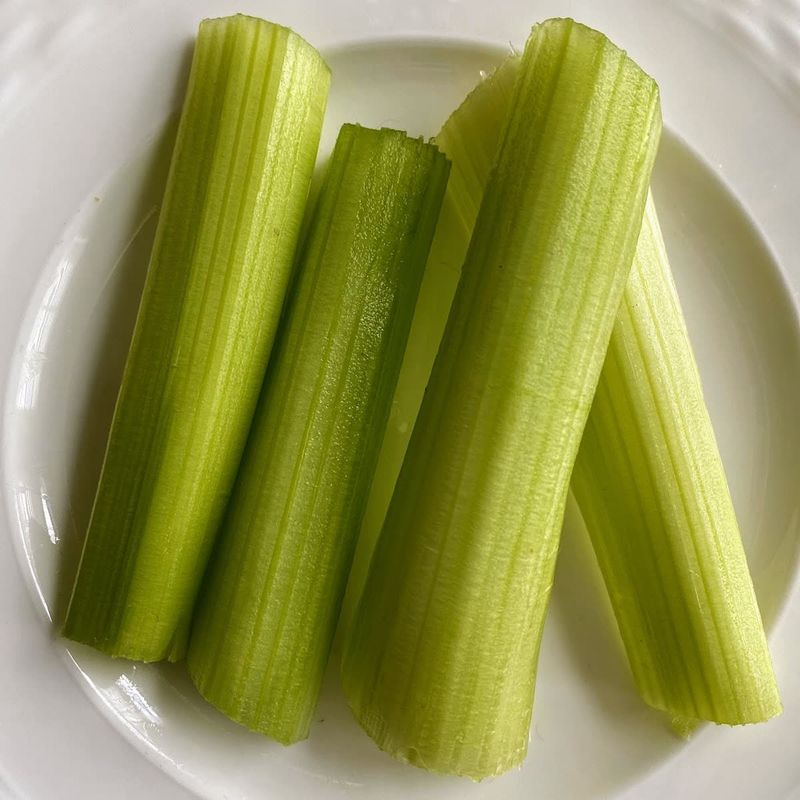
Nobody needs to eat celery every day. No health target exists for celery in particular, and skipping it for a week will not hurt you.
What matters more is the overall pattern of what you eat.
Federal advice points the same way. The current Dietary Guidelines for Americans encourage whole, nutrient-dense foods across all the food groups.
Celery counts as one vegetable option among many, alongside greens, beans, carrots, peppers, and squash.
If you like celery, there are easy ways to use it. Slice it into chicken salad, add it to a pot of red rice or gumbo, or chop it into soups and stews.
A few sticks with peanut butter or hummus make a quick snack, and the crunch helps in a sandwich or wrap.
If you do not like it, you lose nothing important. Swap in cucumber, carrots, or whatever crunchy vegetable you enjoy.
Rotating vegetables through the week gives you a wider mix of nutrients than leaning on any single one.
Celery is not a proven detox or cleanse
Social media loves the idea that celery flushes out toxins. Your liver and kidneys already handle that job every day.
No food has been shown to speed it up in a meaningful way.
Here is what the research says. The National Center for Complementary and Integrative Health reports no compelling evidence that detox diets remove toxins from the body.
That finding covers detox programs in general. It is not a clinical trial of celery by itself.
So the fair summary is limited. There is no proof that celery cleanses the liver or pulls toxins out of your system.
There is also no proof that it harms you. It just has not earned the detox label.
If you feel sluggish or worried about your liver, a celery habit is not the next step. Talk with a doctor or pharmacist, especially if you take medicine or have a health condition.
What research says about celery and health markers
You may have seen headlines about celery and blood pressure, blood sugar, or cholesterol. The best-known recent work is a 2025 meta-analysis that pooled 10 trials with 511 participants.
A meta-analysis combines results from several studies to look for patterns.
The catch is what those trials tested. They used different celery products at different doses, not a standard daily serving of stalks.
The authors noted substantial heterogeneity, which means the studies differed so much that their results are hard to compare. They also called for better and longer studies.
That means the findings cannot be read as proof that eating celery stalks every day changes your numbers. Treat them as an early signal that deserves more testing.
The same caution applies to single trials. A 2022 trial of celery seed extract in people with high blood pressure studied a supplement.
A concentrated extract is a different thing from a crunchy stalk in your lunch box. It is not evidence that the food has the same effect.
If you take medicine for blood pressure, diabetes, or cholesterol, do not swap it for celery in any form. Ask your health care provider before trying a celery-seed product.
Whole stalks and celery juice are different choices
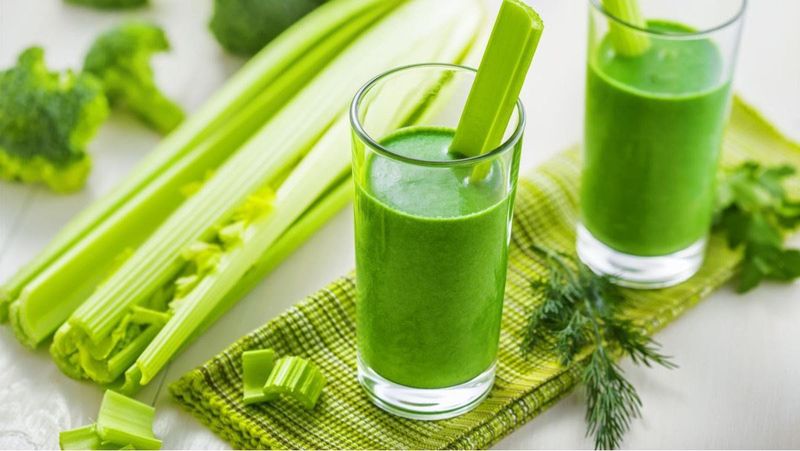
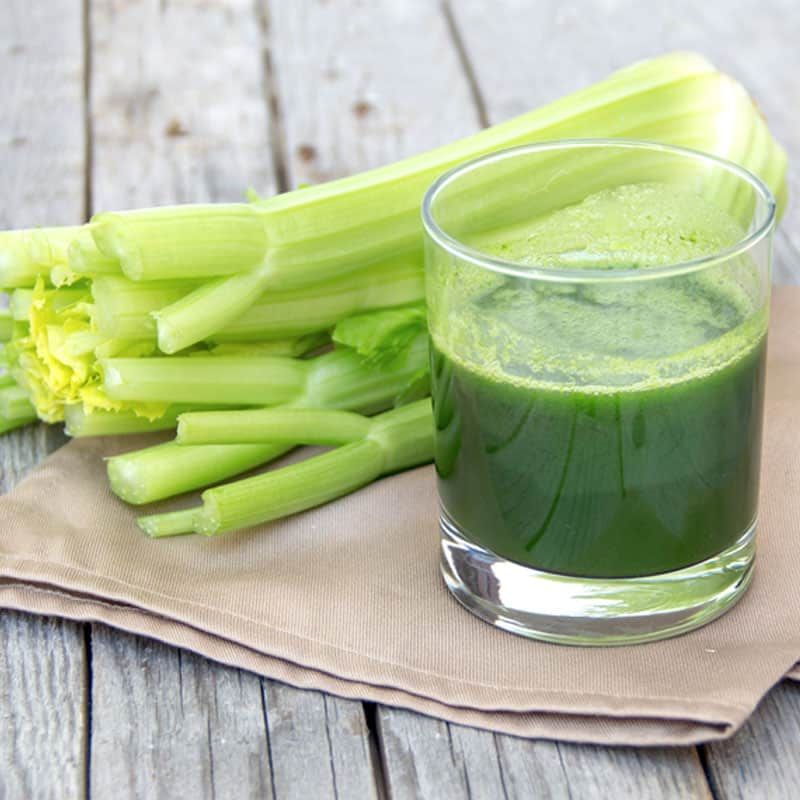
A crunchy stalk and a glass of celery juice may come from the same plant, but they are not the same food. When you eat the whole stalk, you get the fiber that comes with it.
Fiber is part of what makes celery chewy and filling.
Juicing changes that. As Mayo Clinic explains, juicing separates the juice from the pulp.
The juice is therefore not nutritionally identical to eating whole celery.
Nothing here shows that celery juice is a required habit. Claims about its special health effects are not backed up the way the ads suggest.
If you enjoy a glass, that is your call, but it does not replace eating vegetables.
For most people, the stalk is the simpler and cheaper choice. It takes no equipment, creates no pulp to throw away, and keeps the fiber in your meal.
Juice can be an occasional extra, not the main plan.
Clemson’s planting chart does not confirm celery’s season

Celery is often described as a cool-season crop, so it is tempting to say South Carolina gardeners plant it in fall and spring. That is more than the sources can back up.
Clemson’s guidance talks about planting by region and gives timing for many vegetables.
When you look at Clemson Extension’s Planning a Garden fact sheet, celery does not appear in its South Carolina planting chart. General cool-season advice does not create a celery-specific planting window.
So there is no verified local date to share here.
If you want to try growing it, check with your county Clemson Extension office or the Home and Garden Information Center. They can tell you what fits your part of the state.
Meanwhile, the grocery store sells celery all year, so you do not need a garden to eat it.
Raw celery can trigger allergy symptoms, so wash it safely
Some people notice an itchy mouth or scratchy throat after biting into raw celery. That can be pollen-food allergy syndrome, which happens when the body confuses certain raw foods with pollen.
The American College of Allergy, Asthma and Immunology lists celery as a recognized trigger.
Reactions are often limited to the mouth or throat. Still, more serious reactions can occur.
If you get symptoms after eating celery, see an allergist for advice, and get urgent help for trouble breathing, swelling, or symptoms beyond the mouth.
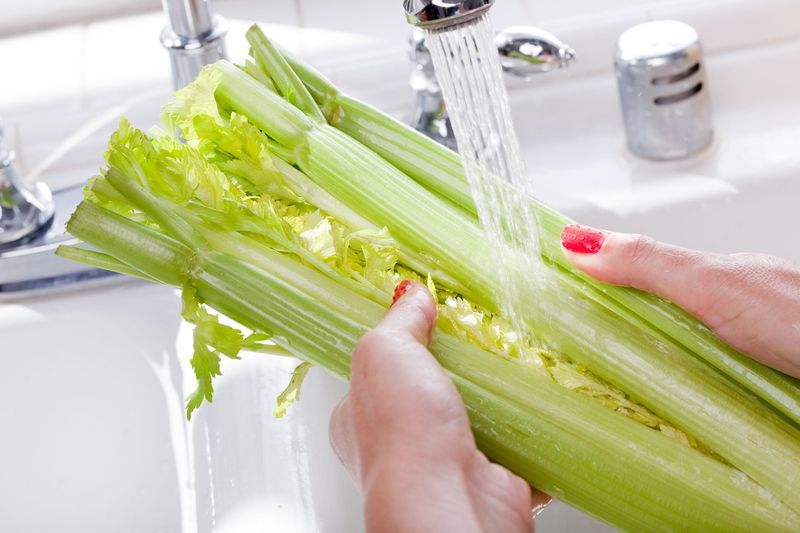
Now the kitchen side. For routine food safety, FoodSafety.gov advises rinsing produce under running water.
Do not use soap, bleach, or commercial produce washes on celery.
A quick practical tip is to separate the stalks and rinse each one, especially near the base where dirt hides. Rub gently with your hands under the water, then pat dry with a clean towel or paper towel.
Treat celery as an option, not a remedy
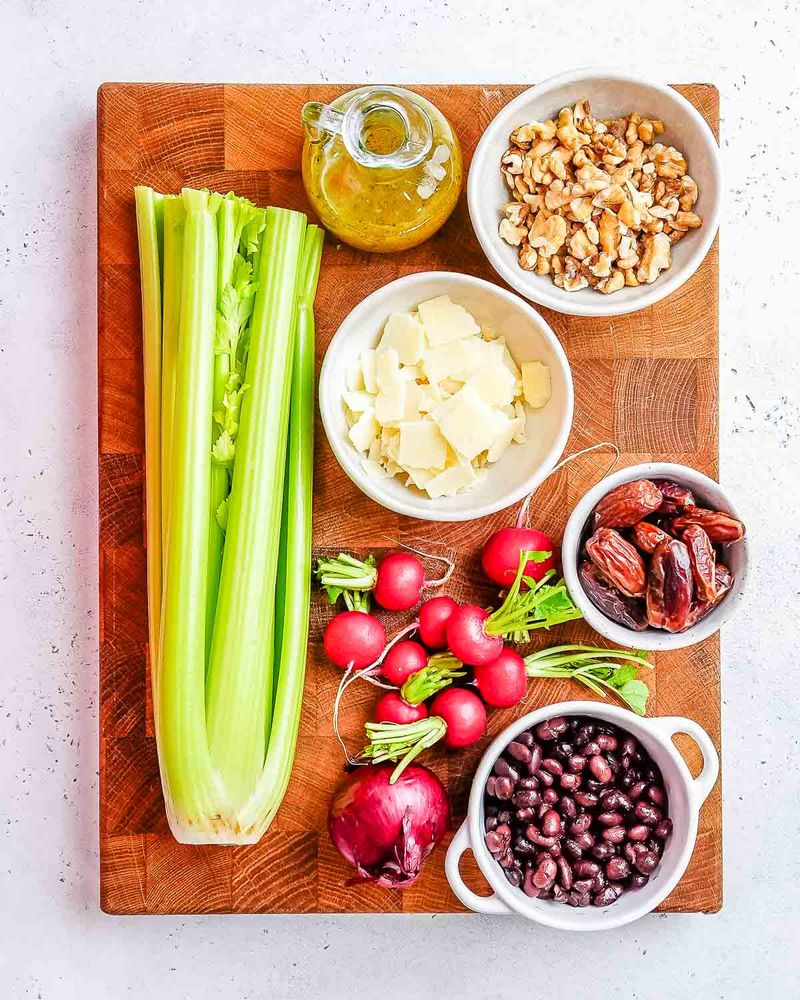
Celery can add water and some fiber with relatively few calories, and that is a perfectly good reason to buy it. No evidence shows that ordinary daily stalks detox or treat anything.
A varied, nutrient-dense eating pattern matters more.
So add it when you like it and skip it when you do not. Celery is a crunchy side player, not the star of the show.
Share this story