Delaware has just one venomous snake, the eastern copperhead, and it lives in only part of the state. Still, a stack of firewood or a heap of leaves can make a homeowner wonder who might be tucked inside.
Knowing where copperheads actually live, what kind of cover they use, and how to work safely can take the guesswork out of fall yard chores. Here is a calm, practical look at what is known and what is not.
Copperheads occur in parts of Delaware, not uniformly statewide
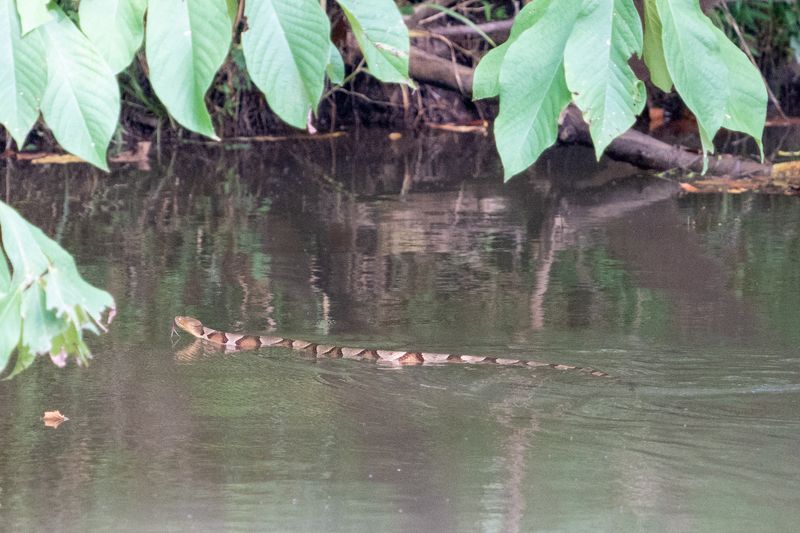
Start with the map. DNREC identifies the eastern copperhead as Delaware’s only venomous snake, but it places the species in southern Sussex County and near Wilmington.
Being the only venomous snake in the state does not make it common everywhere. A homeowner in the middle of the state or far from those areas should not assume the same chance of meeting one.
Reports from outside those areas are often mistaken identity. Delaware has a number of harmless snakes, and several of them get blamed for being copperheads.
A snake spotted in a yard, on a trail, or beside a woodpile is far more likely to be a harmless species in many parts of the state.
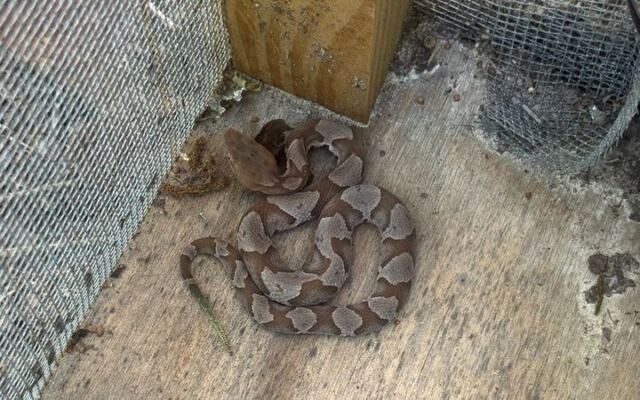
DNREC describes the copperhead as having a copper-colored head and dark, sideways hourglass-shaped bands that narrow across the back. The pattern helps the snake blend in with leaves and bark, which is one reason people misjudge what they see.
Treat those details as something to notice from afar, not as a reason to get closer.
Never walk up to a snake to check its markings. If you cannot tell what it is from a safe distance, treat it as unknown and give it room.
The distribution information tells you where encounters are possible, not how often they happen or whether your yard is affected.
Wood and yard debris can provide cover
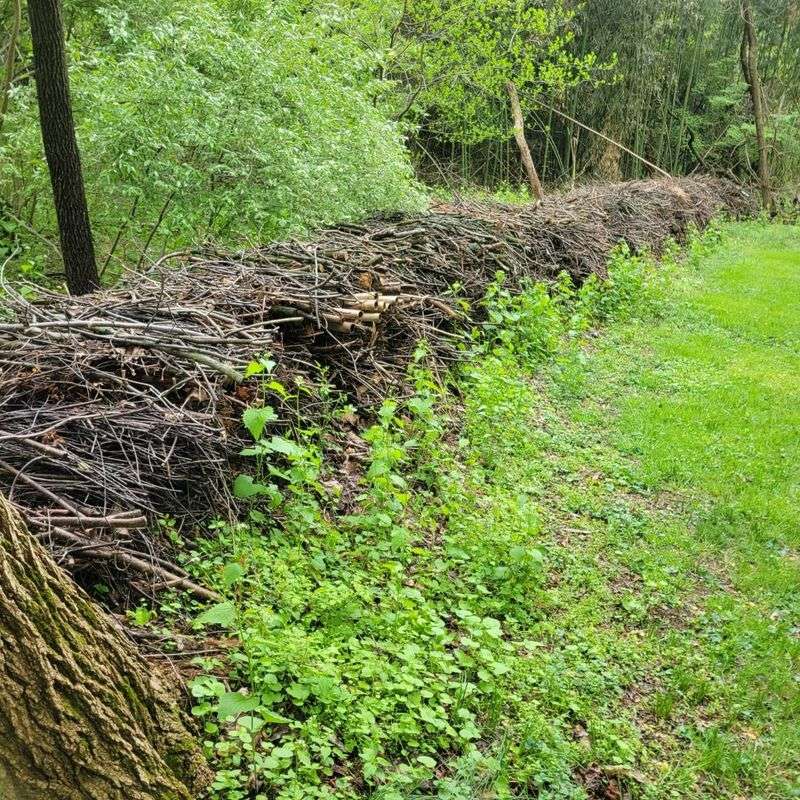
Snakes are not picky about furniture, but they do care about hiding spots. Copperheads use a range of cover such as rocks, logs, leaf litter, and brush, and some accounts mention rotting wood or sawdust piles.
Smithsonian’s National Zoo describes the northern copperhead’s habitat in similar terms, and a New York state assessment also describes the varied places the species uses.
Cover helps a snake stay out of sight and adjust its body temperature by moving between warmer and cooler spots. Wood and debris can offer both.
That is a good reason why a copperhead might be found near stacked wood, but it is a general habitat pattern, not a sign that the snakes single out firewood.
Rutgers Cooperative Extension offers background on copperheads in neighboring New Jersey, and Maryland DNR notes that brush piles can shelter wildlife in general. Brush piles are made for small animals, so a messy heap of branches is likely to attract a variety of creatures.
None of this shows a Delaware trend, and it does not prove that any given pile is occupied. Most woodpiles hold no snake at all.
The takeaway is simple: the more tangled cover you have close to your home, the more places an animal could hide.
A fall sighting does not make a woodpile a winter den
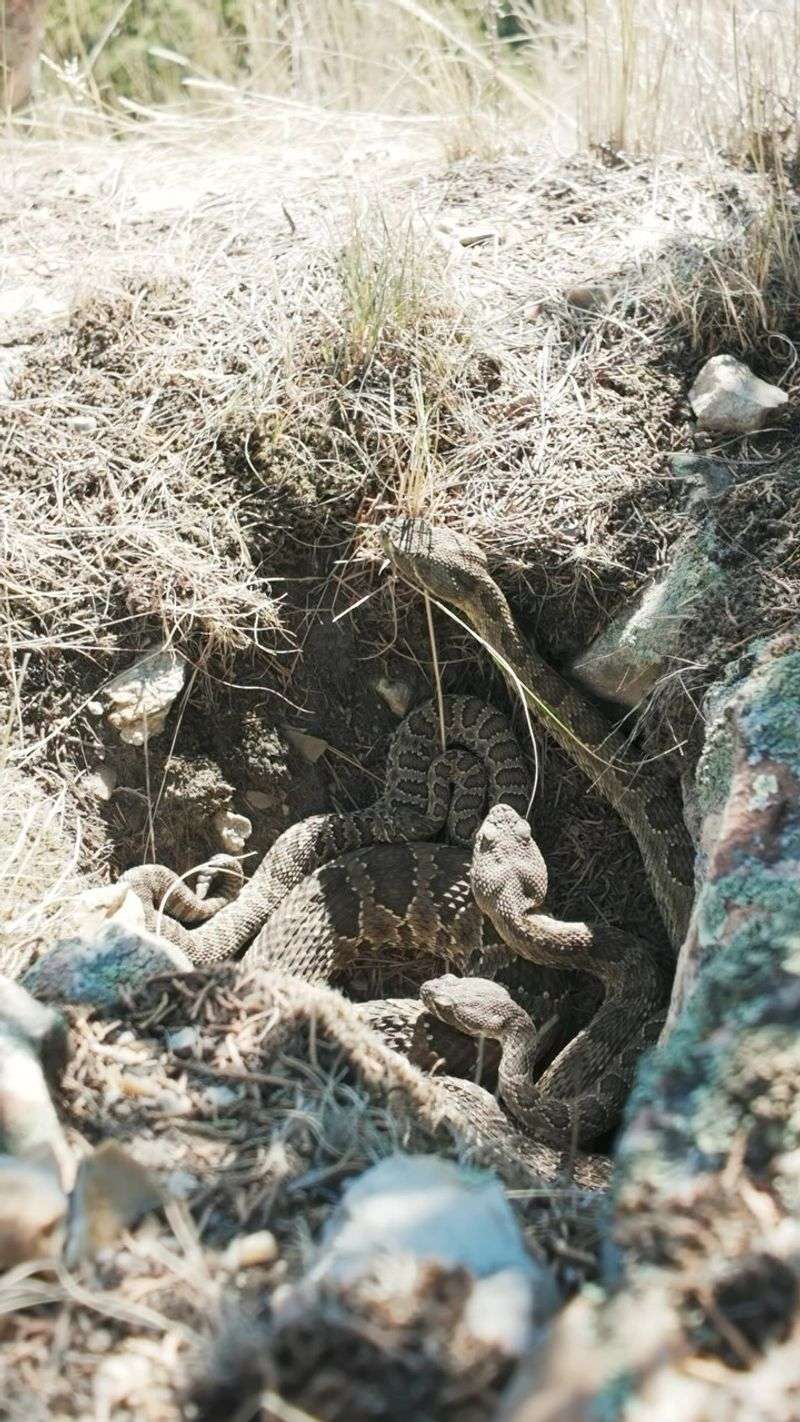
Seeing a snake near wood in autumn tells you it was there at that moment, nothing more. Copperheads move around in fall, and they may be using nearby cover while still active or heading toward a den.
A sighting by itself does not show the snake settled in for winter, and it does not show that cold nights brought it out.
Rutgers reports that New Jersey copperheads typically return to dens in October. Timing differs by region and conditions, and DNREC gives no Delaware date or temperature cutoff.
For that reason, no calendar rule can tell you when a pile is safe to disturb.
Documented overwintering sites are more typically underground dens or rocky crevices and outcrops, as described by New York’s species assessment. Leaf piles and rock walls may offer crevices or cover, but they are not proven preferred dens.
Many people say hibernation, but overwintering is a better word. It means spending the cold season in a sheltered spot, not necessarily being motionless the whole time.
The National Zoo notes that northern copperheads may emerge on warmer days, so a snake could show up in winter too.
Keep woodpiles neat, raised, and away from the house
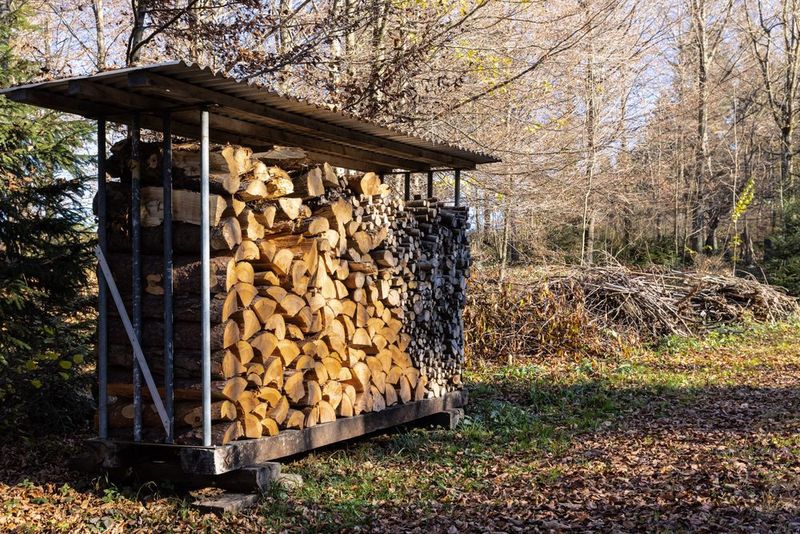
Prevention here is about taking away hiding places. DNREC recommends keeping woodpiles neat, raised off the ground, and away from the house.
A rack or pallet base leaves less room underneath for an animal to tuck in, and a tidy stack has fewer gaps.
Location matters too. A pile set out in the yard keeps any wildlife that visits it farther from doors, porches, and walkways.
Bring in only what you will burn soon, so you are not reaching into the stack every day.
The same guidance calls for removing debris piles and not letting leaves collect near foundations or under decks. Raking those spots in fall takes away shelter right beside the house.
Thick ground-level cover, such as dense low plantings or stacked scraps, is worth thinning for the same reason.
These steps lower the number of places an animal can hide and so reduce the chance of an encounter. They cannot make a yard snake-free, and even a neat, raised pile can still offer some cover.
Think of cleanup as a habit that improves your odds, not a guarantee, and keep watching where you step and reach.
Use tools and protective clothing when clearing debris
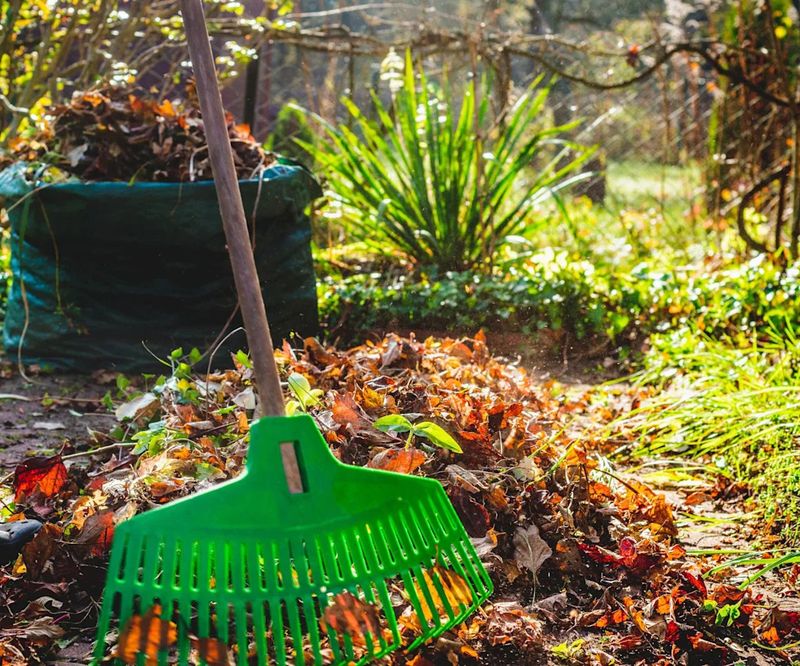
Ordinary yard work goes better with the right gear. CDC and NIOSH advise boots, long pants, and leather gloves for outdoor work around brush and debris.
Dress for it even on a warm afternoon.
Before you pick anything up, move it with a rake or long-handled tool. Maryland DNR gives the same advice and adds that venomous snakes should never be handled.
Pulling leaves or branches aside first lets you see what is underneath before your hands get close.
Do not lift logs or take apart a pile by hand if you think a snake might be inside. A pile that looks suspicious is a job to leave alone for now.
Work from a distance, and keep your hands and feet out of dark gaps.
If you see a snake, or cannot tell what it is, stop what you are doing. Keep people and pets away and call a qualified remover.
Do not try to capture it, and do not try to kill it. That line keeps routine cleanup from turning into a risky encounter.
Keep your distance and act promptly after a suspected bite
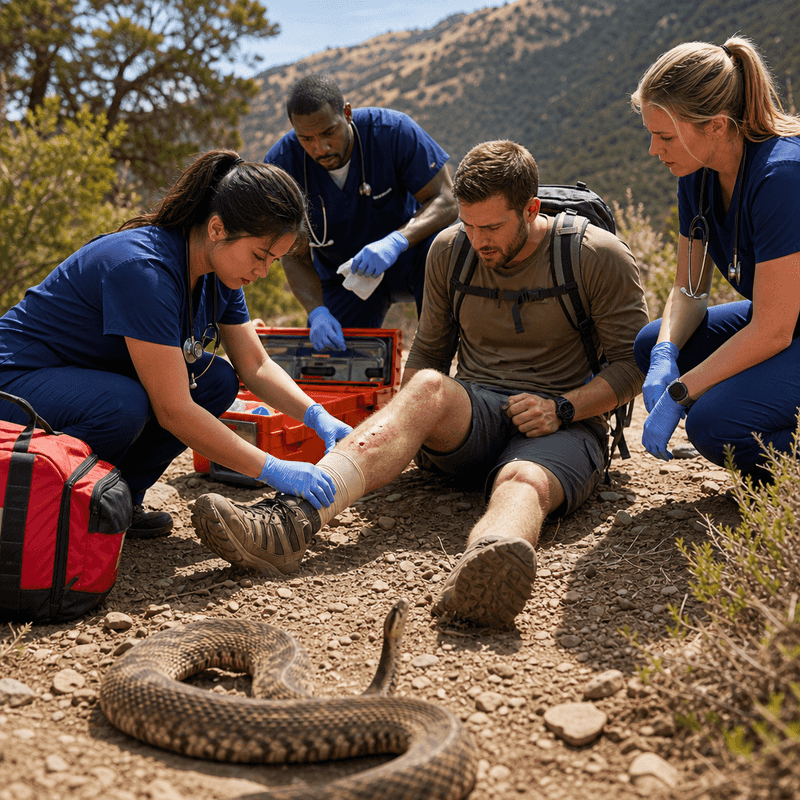
If a snake is present, the best move is to back away. Keep people and pets well clear, do not handle it, and contact a qualified remover.
If you can do so from a safe distance, a photo may help with identification, but never step closer to get one.
A suspected venomous bite needs immediate medical attention, so call for emergency help right away. CDC and NIOSH guidance says not to handle the snake, even to show it to a doctor.
A photo taken from a distance is the safer option.
Some well-known first-aid habits do more harm than good. Do not cut the wound, do not try to suck out venom, do not apply ice, and do not use a tourniquet.
Getting to care quickly matters far more than any home remedy.
Most woodpile chores will never involve a copperhead. Still, knowing the plan ahead of time means a surprise stays a small story.
Share this story