A tiny gray animal may be tunneling under your leaves and garden beds right now, and you might never see it. It is the northern short-tailed shrew, a Wisconsin native with saliva that can stun its prey.
The headline version of this story sounds scarier than the facts. Here is what the animal looks like, where it lives, and how to stay safe around it.
Meet Wisconsin’s northern short-tailed shrew
The animal behind the headline is the northern short-tailed shrew (Blarina brevicauda). Wisconsin Extension says it occurs throughout the state and has venomous saliva that helps it subdue prey.
Occurring statewide is not the same as turning up in every backyard, though.
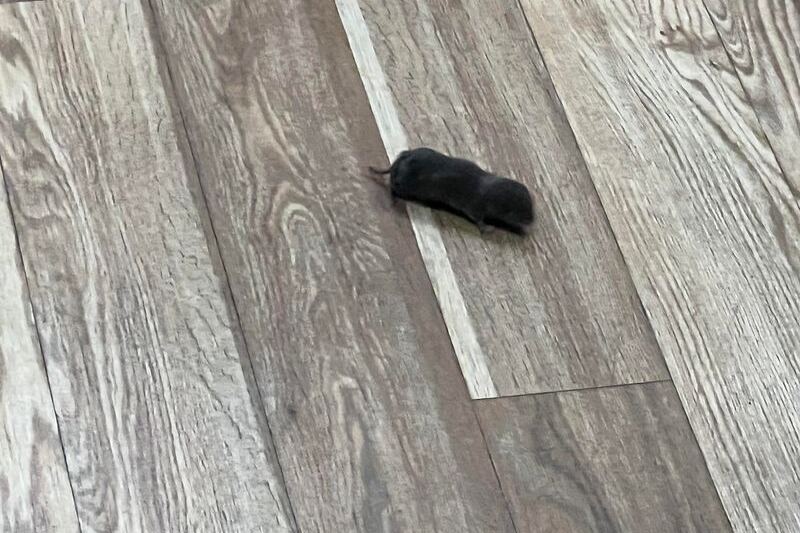
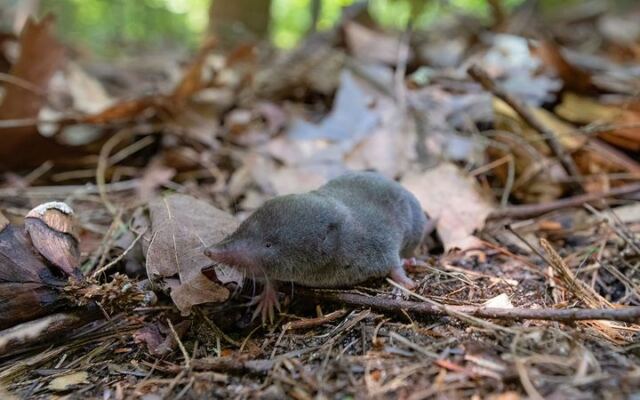
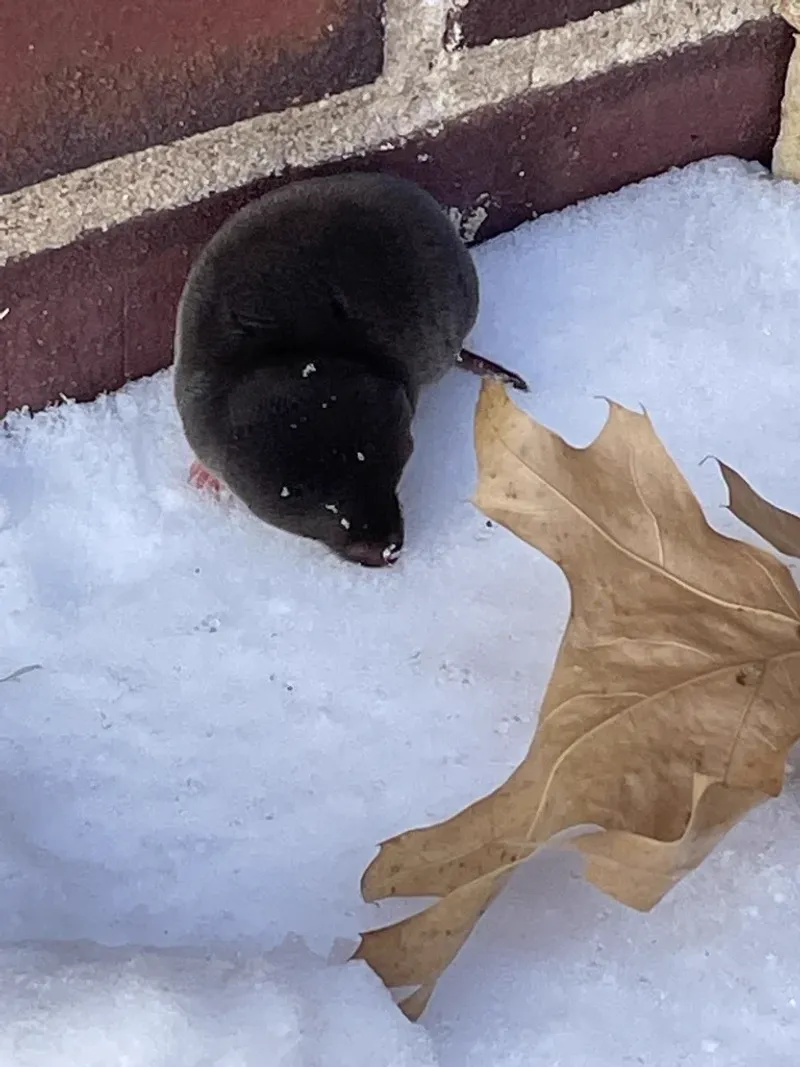
Picture a small, stocky animal with dark-gray fur, a pointed snout, tiny eyes, and a short tail. It is a mammal, not a rodent, and its pointed nose is one clue that sets it apart.
Many people mistake it for a meadow mouse, which has a blunter face and more visible eyes and ears.
Now for the weight. Saying it weighs less than an ounce is true only as an average.
One university reference, Animal Diversity Web, gives an average of about 21.6 grams, or roughly 0.76 ounce.
Individual animals vary. A U.S.
Forest Service account lists a range of about 20 to 30 grams, which reaches just over an ounce at the top end. So some northern short-tailed shrews weigh a bit more than an ounce.
That is why this article softens the headline. The shrew is tiny on average, and yards can be part of its range, but neither claim applies to every animal or every property.
Yards can provide habitat, but sightings are not guaranteed
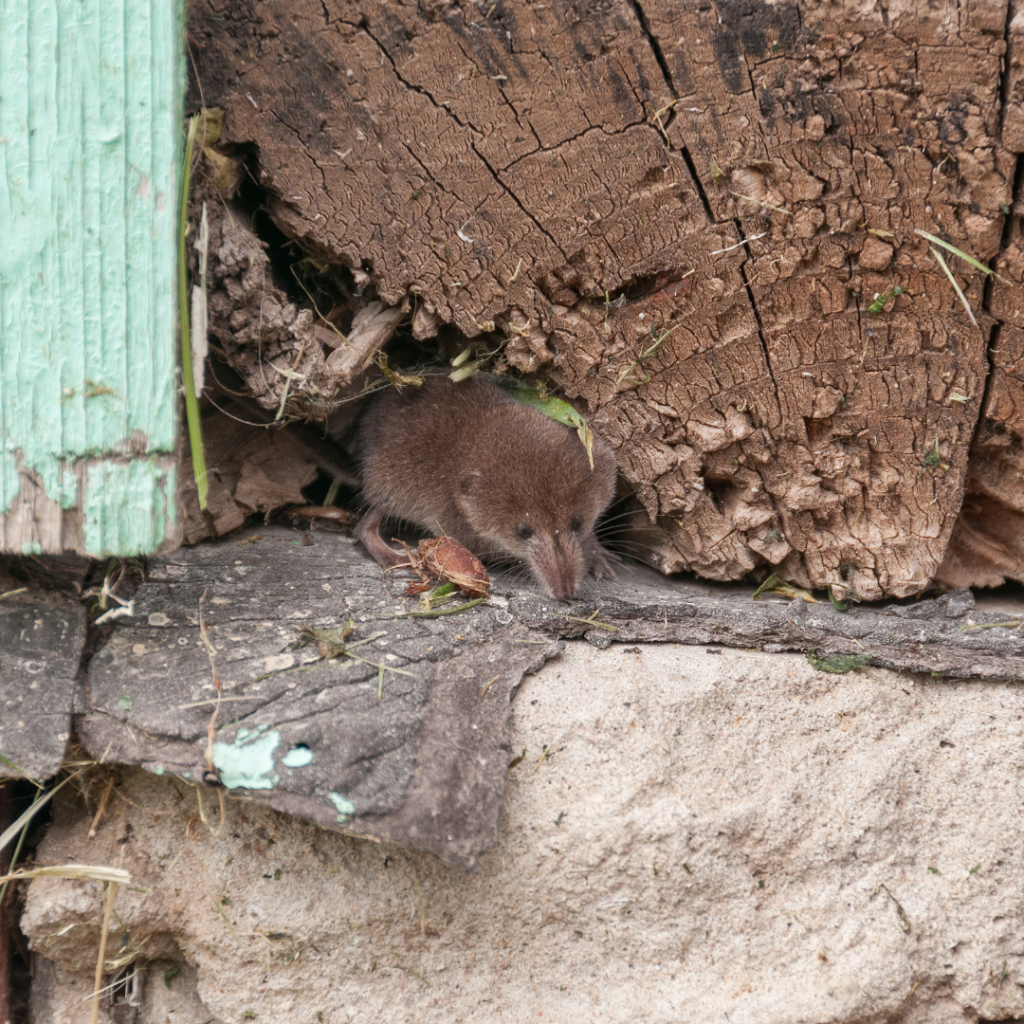
Shrews care about cover and food, not property lines. According to Animal Diversity Web, the species uses many habitats, including fields, brushy edges, and gardens.
Anywhere with leaf litter, dense plants, or loose soil can suit it.
That makes some yards possible habitat. A garden with mulch, a woodpile, or a tangled hedge offers the kind of shelter the animal likes.
A tidy, open lawn with little cover is a much less likely fit.
Suitable habitat is only part of the picture. The species lives across Wisconsin, but that does not mean a shrew lives in your yard right now.
Whether one does depends on the neighborhood, the surrounding land, and the cover you have.
Even where shrews live, you may rarely see one. The UW-Milwaukee Field Station describes these animals as secretive.
They spend much of their time under leaves, in tunnels, and in other hidden spaces.
So a missing sighting tells you very little. Many gardeners could share a space with a shrew for years and never notice.
If you do spot one dashing between plants, treat it as a lucky glimpse, not a sign of an invasion.
What the shrew’s toxic saliva does
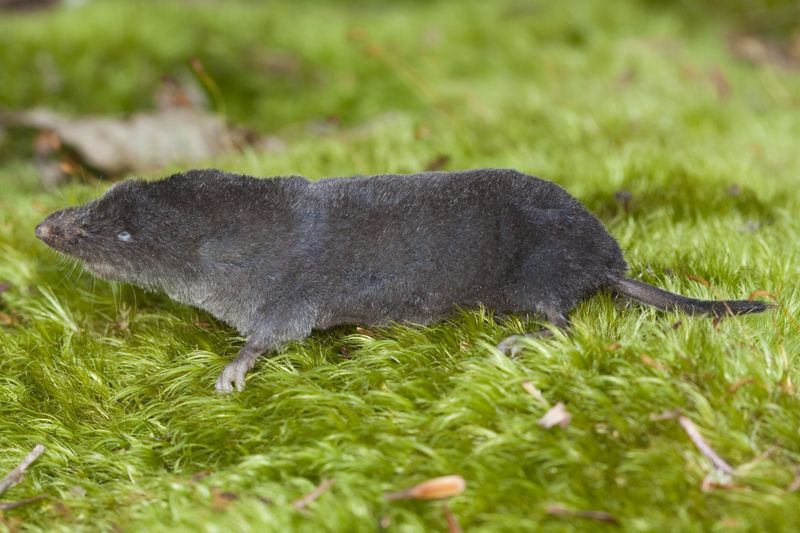
Toxic saliva sounds dramatic, but its job is practical. Wisconsin Extension notes that the northern short-tailed shrew (Blarina brevicauda) has venomous saliva that helps it subdue prey.
For an animal this small, that is a useful tool.
Shrews eat a lot, and some of their meals, such as insects, snails, and earthworms, can be hard to hold. Saliva that slows or stuns prey makes the hunt easier.
Think of it as a hunting aid rather than a weapon aimed at people.
Researchers have studied the chemistry. A peer-reviewed paper isolated and characterized a toxin from the salivary glands of this species, which the authors named Blarina toxin.
That work describes what the toxin is and how it behaves, and it is specific to this shrew.
That detail matters. Not every shrew species has been shown to carry this toxin, so it is wrong to say that all shrews are venomous.
It is also wrong to jump from toxin to threat. Knowing a toxin exists and works on prey does not tell us how risky a bite is for a person or a pet.
Those are separate questions, and the next section looks at what the guidance says about people.
What the evidence says about bites to people
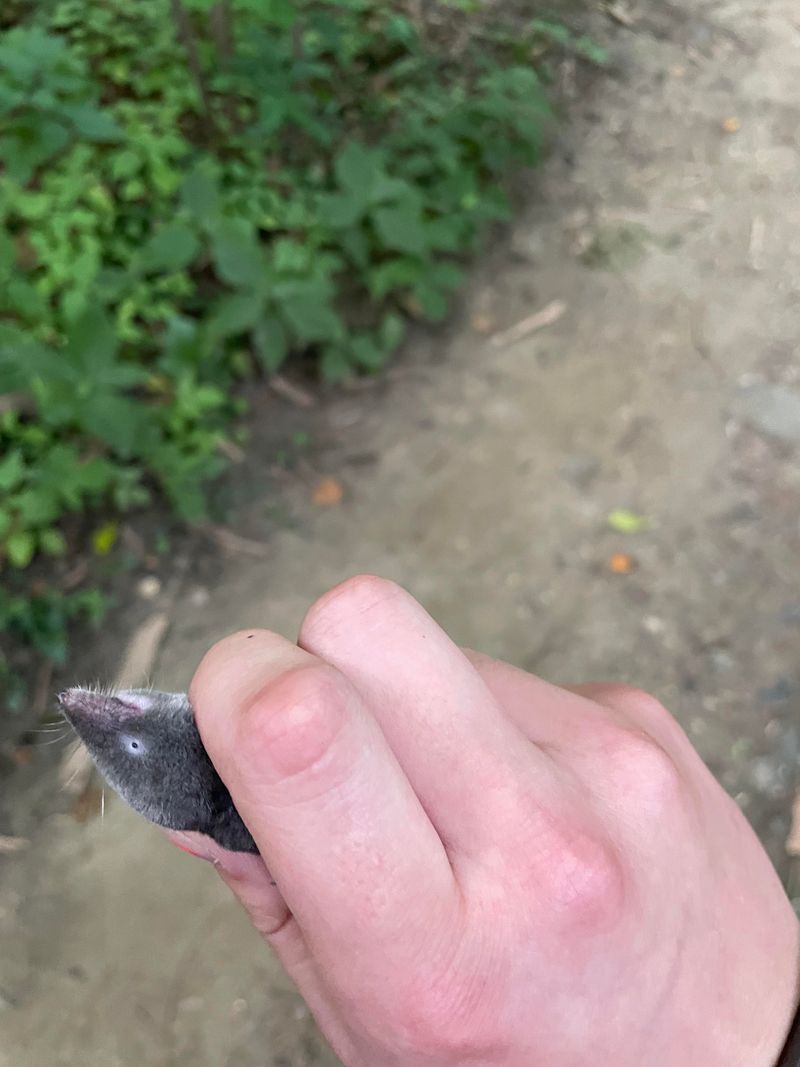
Here is the plain answer from Wisconsin Extension. A short-tailed shrew bite may cause painful swelling, but the guide says it is not life-threatening.
That is the most useful sentence for a worried homeowner.
The research paper on the shrew’s toxin also mentions accounts of human bites. Those reports are limited, and they come from individual cases.
They are a reason for care, but they cannot tell us how any one person will react.
So two popular claims both miss the mark. Saying the shrew is harmless goes too far, because its saliva is toxic to prey and a bite can hurt and swell.
Saying its venom can kill a person also goes too far, since the Wisconsin guidance says the bite is not life-threatening.
The honest middle is this: a bite is unpleasant, probably temporary, and best avoided. No one can promise that a bite is safe for every person, and no one should promise it will be severe.
Pets raise a similar question. Sources conflict on how dangerous bites are to dogs and cats, and strong veterinary evidence was not found.
Without that evidence, it is wiser not to call a bite dangerous or harmless to pets, and to ask a veterinarian instead.
Avoid handling shrews and get advice after a bite
The simplest rule is to leave a shrew alone. Do not pick one up, even if it looks stunned or small enough to cup in your hand.
Wisconsin Extension lists the bite among outdoor hazards, so a little distance is the smart choice.
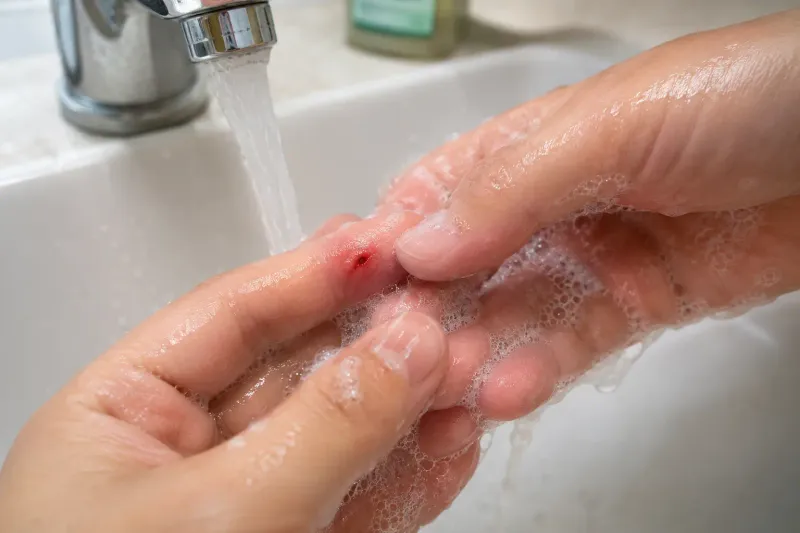
If a person is bitten, wash the wound promptly with soap and water. Then contact a healthcare or public-health professional for advice.
CDC guidance recommends washing wild-animal bite wounds for 15 minutes and getting professional advice about possible rabies exposure.
That is general wildlife-bite advice. It does not mean shrews commonly carry rabies.
It simply reflects a cautious approach to any bite from a wild animal, and a professional can judge what applies to your situation.
Pets deserve the same caution. The CDC’s page on wildlife and pets supports keeping animals away from wild creatures.
Cats in particular may bring shrews home, so watch for that habit.
If a pet is bitten, call a veterinarian and describe what happened. Guidance on shrews from Cornell Cooperative Extension is a helpful read, but a vet can give advice for your specific animal.
Do not assume the outcome will be mild or severe.
Respect the visitor; don’t turn it into an alarm
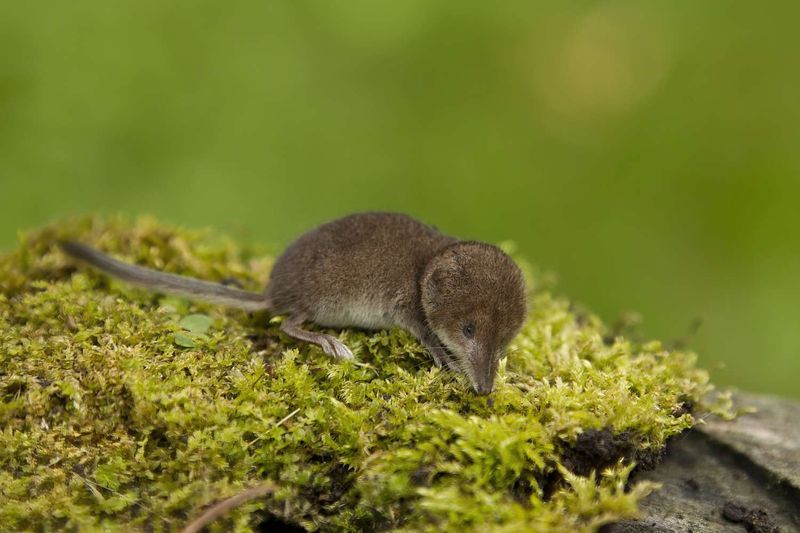
The northern short-tailed shrew is a secretive Wisconsin native that can use yards and gardens. Its average weight is under an ounce, though not every animal fits that average, and its toxic saliva helps it subdue prey.
None of that means your yard has one, and none of it predicts how a bite would go.
If you meet one, give it space and let it go about its business. After a bite, wash up and ask a professional for advice.
Some of the busiest hunters in the garden are the ones you will never see.
Share this story