A tiny mammal with a reputation for venom may be living closer to South Carolina homes than you think. The southern short-tailed shrew is small, secretive, and often misunderstood.
Some online claims about its weight and venom go further than the science does. Here is what the sources really say, and what to do if you ever meet one.
Could this shrew live in a South Carolina backyard?
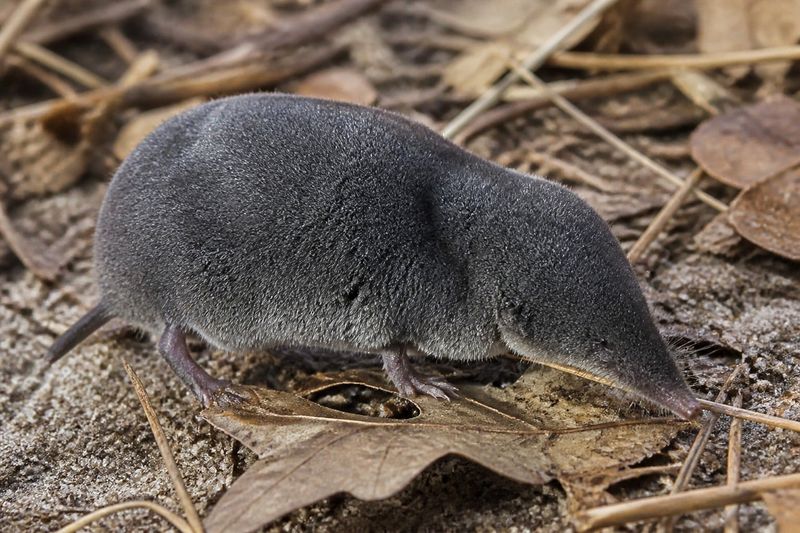
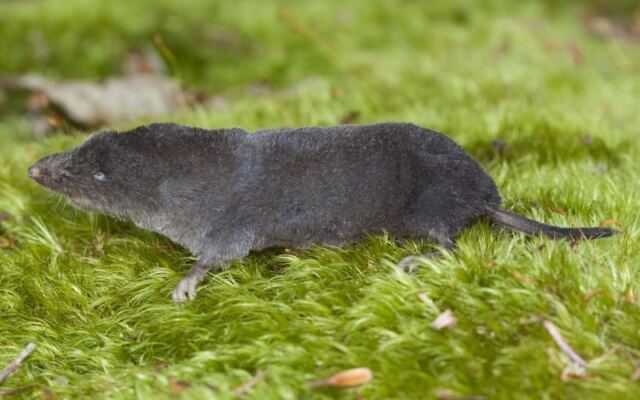
Picture a gray, velvet-furred animal with a pointed nose, tiny eyes, and a short tail, hurrying through leaf litter. That is the southern short-tailed shrew, a native mammal whose scientific name is Blarina carolinensis.
It is a shrew, not a mouse and not a rodent.
According to a USDA Forest Service guide to mammals of the South, the species occurs in South Carolina, including parts of the Coastal Plain and the Piedmont. The same guide describes a flexible animal that uses fields, forests, brushy areas, and other disturbed sites.
It does not need pristine wilderness to get by.
That flexibility is why a yard could plausibly host one. A property with thick leaf litter, mulch, brush piles, overgrown edges, or damp ground near trees offers the cover and the small invertebrates a shrew would want.
A bare, tightly mowed lawn offers far less.
Still, possible is not the same as common. The sources document the species in suitable South Carolina habitats, but they do not tell us how often homeowners actually see one.
Shrews spend much of their time under cover and out of sight, so many people may share space with them and never know it.
So the careful answer to the headline question is yes, it could, if the habitat is right. It is not safe to say that every South Carolina backyard has one, or that people run into them regularly.
Small, but not always under an ounce
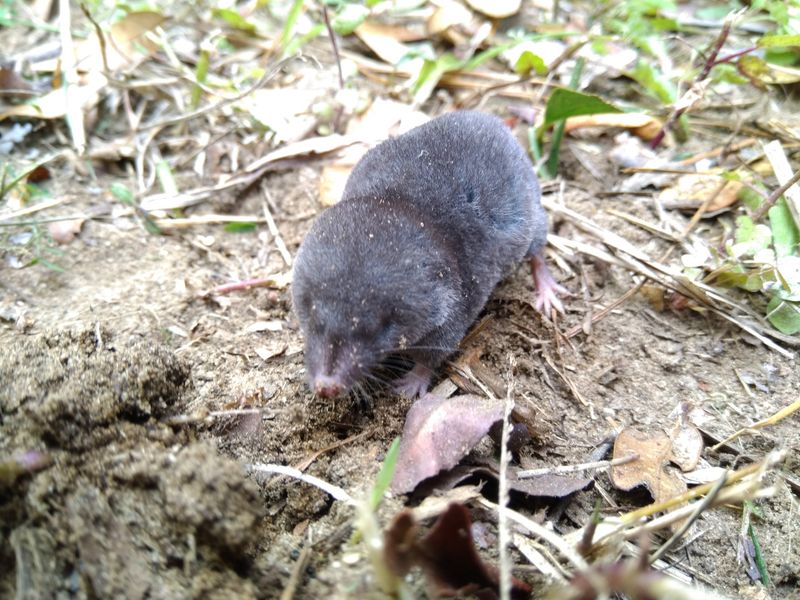
Few mammals are as compact as this one. Its body is built like a tiny, dense cylinder, with short legs and a short tail that gives the species its name.
It belongs to the shrews, a separate group from rodents, and its closest comparisons are moles rather than mice.
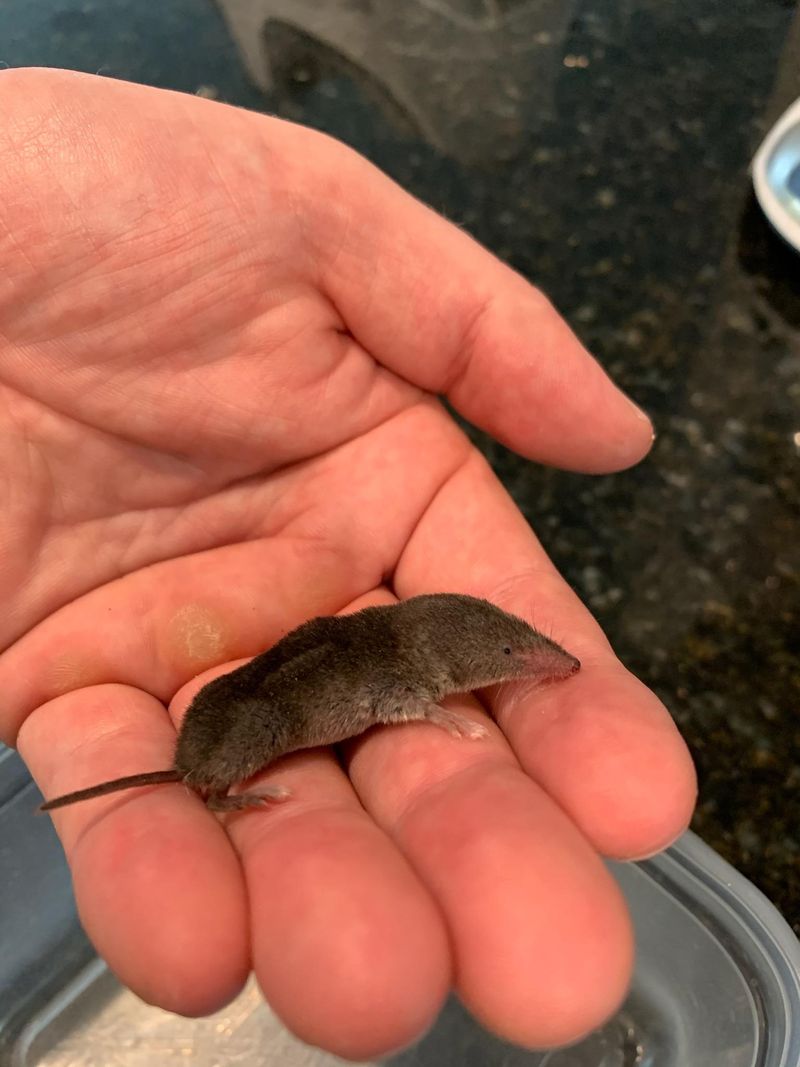
The headline claim says it weighs less than an ounce, and for some animals that holds up. The USDA Forest Service guide gives a range of 8 to 15 grams, which is roughly 0.28 to 0.53 ounces.
Anything in that range is well under an ounce.
Other published figures run heavier. The University of Michigan BioKIDS account lists 15 to 30 grams, or about 0.53 to 1.06 ounces.
The top of that range edges just past an ounce.
Why might the numbers differ? Individual animals vary, and sources may rely on different samples, seasons, or measuring methods.
Nothing in the sources settles which range fits a typical South Carolina shrew.
The practical takeaway is simple. Many of these shrews are very light, and some reported weights are under an ounce.
But saying every individual is lighter than an ounce goes further than the published numbers allow.
Venom in the southern species remains unconfirmed
Here is where the story gets tricky. Some respected references do use the word venomous.
The American Society of Mammalogists species page describes the southern short-tailed shrew as slightly venomous.
Other sources are more cautious. Animal Diversity Web treats the question as open, and a scientific review of venom across living and extinct shrew relatives calls the evidence for this species suggestive.
The key detail is that the southern species’ saliva has not been experimentally tested.
That difference matters. A listing is a summary written by people who know the group well, and it may reflect a reasonable expectation.
A laboratory test is a direct check of what the saliva actually does.
So venom in this species is best described as plausible or suspected, but unconfirmed. Calling the animal actually venomous, as a settled fact, claims more than anyone has shown.
None of this makes the shrew a threat. It simply means the honest answer to the venom question today is that we do not know yet.
The confirmed venom study involved a different species
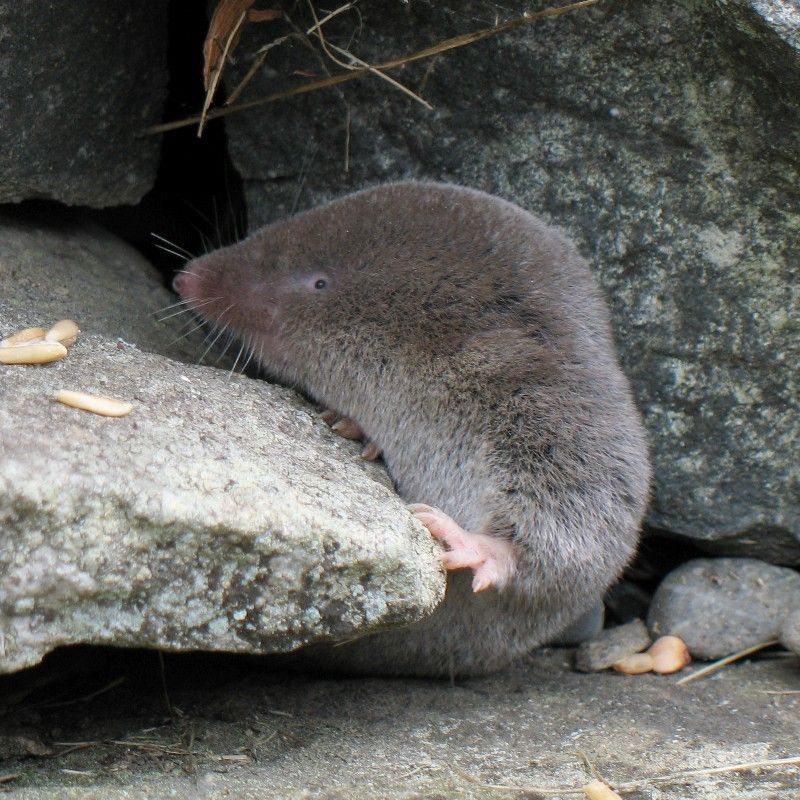
The confirmed venom science comes from a close relative. In a study published in PNAS, researchers isolated and characterized a toxin from the northern short-tailed shrew, Blarina brevicauda.
They named it Blarina toxin.
That finding belongs to the northern species. The study did not test the southern short-tailed shrew, Blarina carolinensis, so it cannot tell us whether the southern animal makes the same toxin, or how strong any venom might be.
Think of it like two cousins who share a family trait. One cousin has been tested and the result is on paper.
The other has not been tested, so guessing from the first cousin is only a guess.
The same caution applies to dramatic stories. Effects on prey or accounts of human bites linked to the northern species should not be pinned on the southern one.
Those details would need evidence collected from Blarina carolinensis itself.
Close kinship makes venom in the southern shrew a fair possibility to investigate. A species-specific test is what would turn that possibility into an answer.
What to do if a shrew bites or scratches you
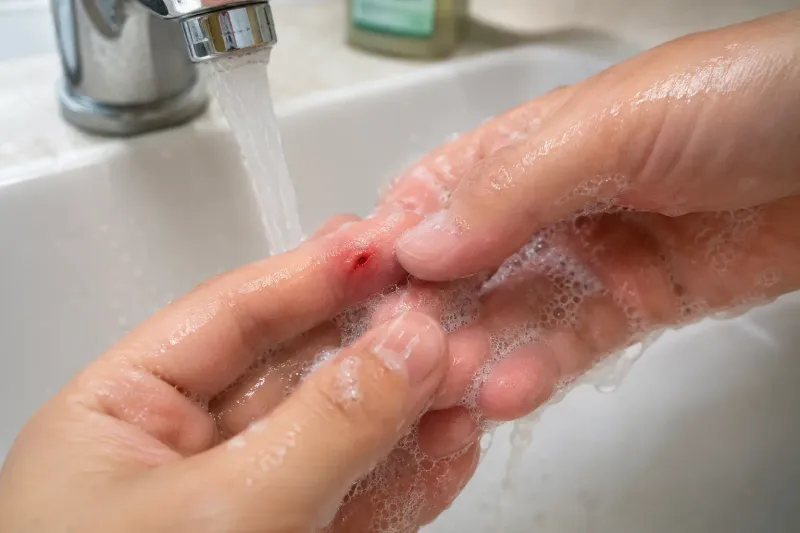
Bites from a wild shrew are unlikely to be a routine event, since the animals avoid people. If one does happen, the steps are the same as for any wildlife bite or scratch.
Stay calm and take care of the wound.
Start by washing the area promptly with soap and water. Then contact a healthcare professional to ask about wound care and whether a rabies assessment makes sense.
CDC wildlife guidance recommends medical attention for serious wounds or signs of infection, such as spreading redness, swelling, warmth, or pus.
A call to a clinician is simply the careful path. CDC advice on when to seek care explains how doctors decide whether rabies treatment is needed after contact with an animal.
Your provider can weigh the details of your situation.
This is general bite guidance, not a sign that shrew bites commonly spread rabies or cause severe illness. The sources do not show that for this species.
In South Carolina, the state health department also suggests staying away from wild animals that act abnormally.
If a pet was involved, a quick call to your veterinarian is a sensible extra step.
Observe wild shrews without handling them
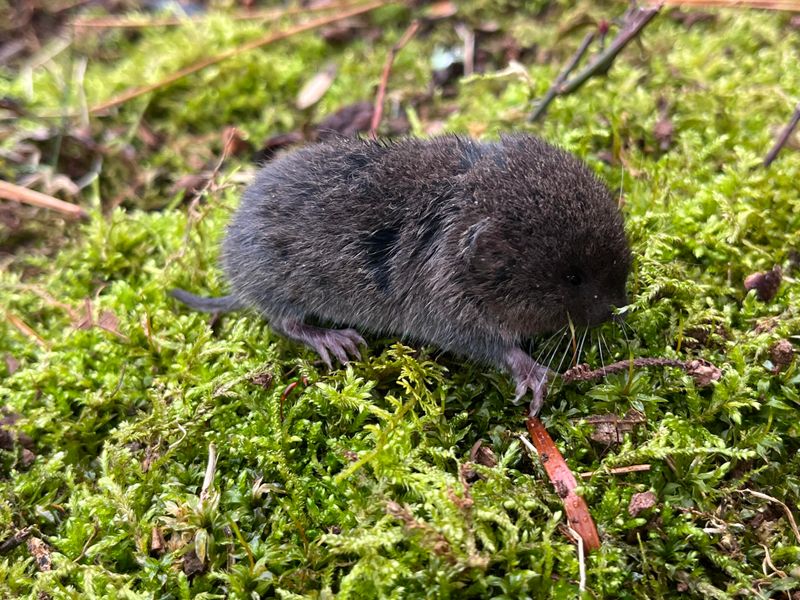
The best way to enjoy a shrew is from a distance. Do not pick one up, and do not corner it.
A frightened wild animal may bite, and the stress of handling can harm a creature this small.
Give extra space to any wild animal that seems off, such as one that is unusually bold, stumbling, or active in odd conditions. South Carolina’s health department advises keeping away from wild animals acting abnormally.
CDC wildlife advice makes the same point about watching rather than touching.
If you find an injured shrew, contact an experienced wildlife rehabilitator rather than trying to nurse it yourself. South Carolina DNR lists how to find one.
Shrews have very fast metabolisms and specialized needs, so home care rarely goes well.
To sum up the careful takeaway, a suitable yard could host this shrew, and published weights vary, so under an ounce is true only for some. Venom in the southern species is still unconfirmed, as Animal Diversity Web notes, and the USDA guide does not claim it is common near homes.
Sometimes the most interesting neighbors are the ones we never see, working quietly beneath the leaves.
Share this story