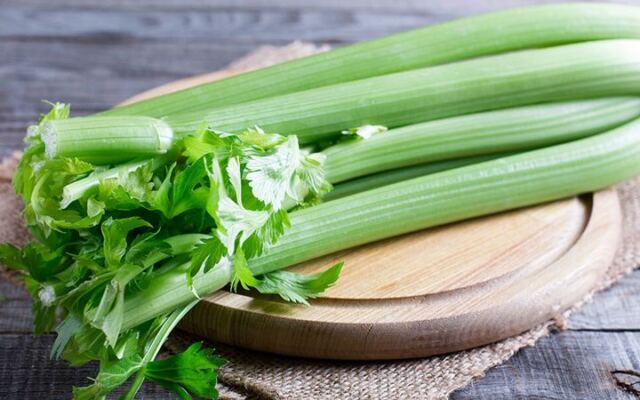
Celery shows up on veggie trays, in soups, and in plenty of wellness posts that promise big results. Some people say a stalk a day does wonders, while others brush it off as crunchy water.
The truth sits somewhere in the middle, and it is more useful than either claim. Here is what celery really offers, what studies do and do not show, and how to fit it into your meals.
Two stalks offer a modest nutritional contribution
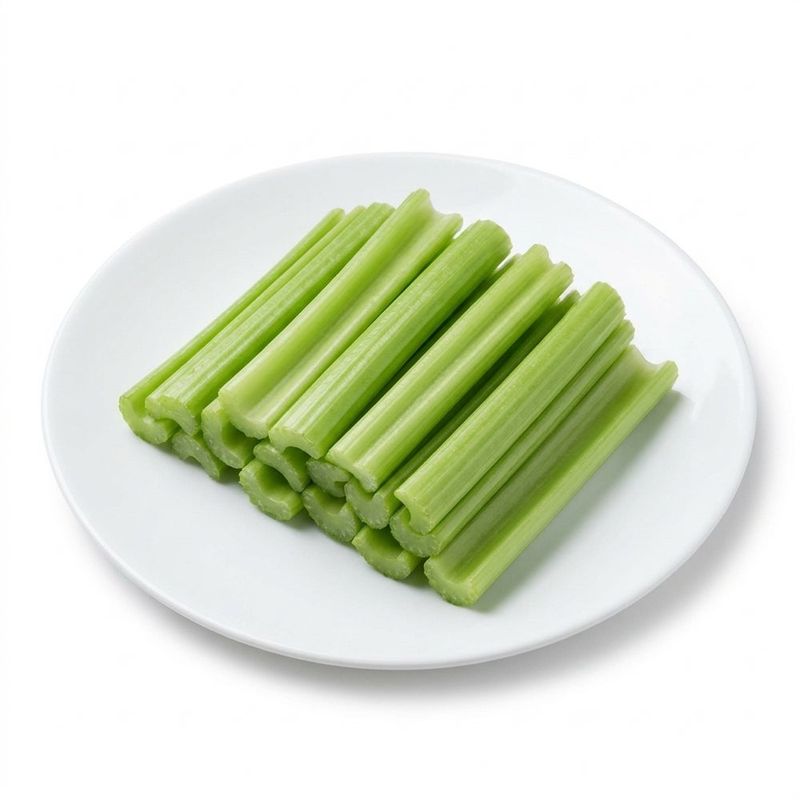
Picture a snack plate with two medium raw celery stalks. According to FDA nutrition information for raw vegetables, that portion gives you about 15 calories, 2 grams of fiber, 115 milligrams of sodium, and 260 milligrams of potassium.
Those numbers are small, and that is the point.
Fiber helps with digestion and keeps you feeling full a bit longer. Potassium is a mineral your body uses every day.
Celery supplies some of each, but only a modest amount, so it works best as a helper in a meal rather than the star.
Think of celery as an easy way to add crunch. It can scoop up bean dip, sit in a tuna salad, or simmer into a pot of soup without adding many calories.
If you like the taste, it is a handy way to get a vegetable onto your plate with almost no prep.
It helps to keep two ideas apart. One is what a single serving contains, which is simple math from a nutrition label.
The other is what happens in your body if you eat it every day for months, which is a much bigger question that those numbers cannot answer on their own.
No single vegetable covers every nutrient you need. Two stalks will not fill the gaps left by a diet that is short on other produce, whole grains, and protein.
Celery is a useful piece of the puzzle, not the whole picture.
Daily celery is optional in a varied diet
Nothing in national food advice says you must eat celery every single day. The Dietary Guidelines for Americans, 2025 to 2030 encourage eating a variety of vegetables and fruits.
For a 2,000-calorie eating pattern, the general goal is three vegetable servings per day.
Notice what that goal covers: vegetables overall. It does not say three servings of celery.
A day with spinach at lunch, roasted carrots at dinner, and a few celery sticks at snack time counts just fine.
Variety matters because different vegetables bring different nutrients. Dark leafy greens, orange vegetables, beans, and red or green peppers each offer something celery does not.
Leaning on one vegetable, even a pleasant one, leaves out a lot.
So how should you think about celery? If you enjoy the crunch, or it is the cheapest thing in the crisper drawer, go ahead and eat it often.
That is a perfectly good reason.
The trouble starts when celery turns into a rule. If you feel guilty on days you skip it, or you swap it in for other vegetables because a video said so, you have turned a snack into a prescription.
A flexible approach is easier to stick with and gives your body a wider mix of nutrients.
Whole stalks and celery juice are not interchangeable
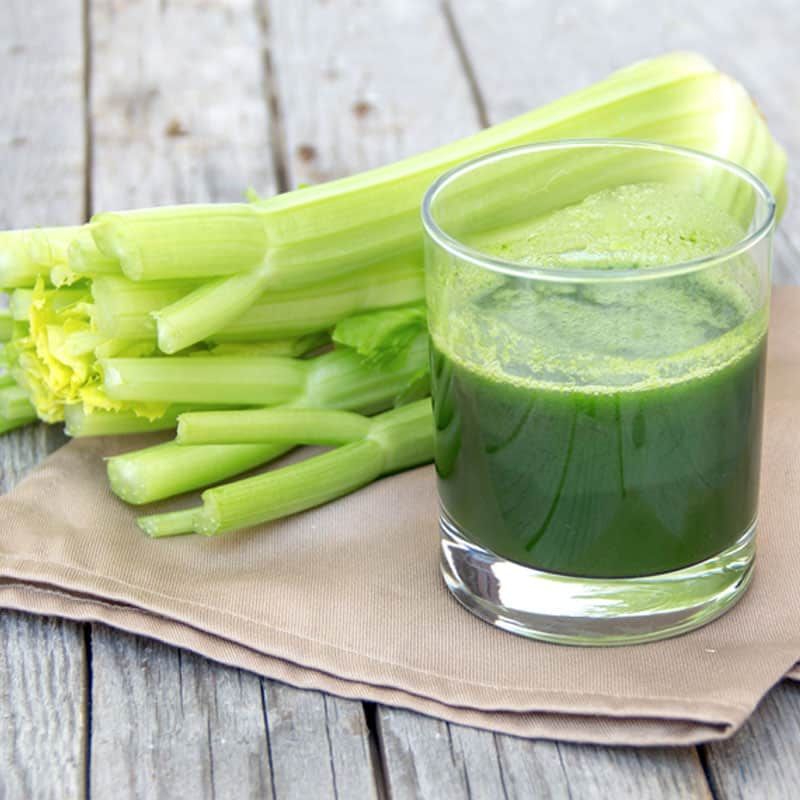
Chewing a stalk and drinking a glass of celery juice are two different experiences. Juicing removes much of the plant’s fiber, so juice generally has less fiber than the whole produce it comes from.
Whole celery also takes longer to eat, which can help a snack feel more satisfying.
Juice is not harmful by nature, and it does still contain some nutrients. It just is not a cure or a must-have routine.
Nothing reviewed here shows that juice beats whole celery or that you need a big glass every morning.
Guidance on portions is clear. The Dietary Guidelines for Americans say to keep portions of 100% vegetable juice limited or to dilute them with water.
That advice applies whether the juice is celery, carrot, or a blend.
The American Cancer Society guideline also covers juicing and cleanses, and it does not back the big promises often attached to them.
If you like the taste of celery juice, a small glass now and then is fine. If you would rather crunch, you are not missing out.
For most people, keeping whole stalks in the fridge is the simpler and more filling choice.
Celery trials do not prove benefits from daily stalks
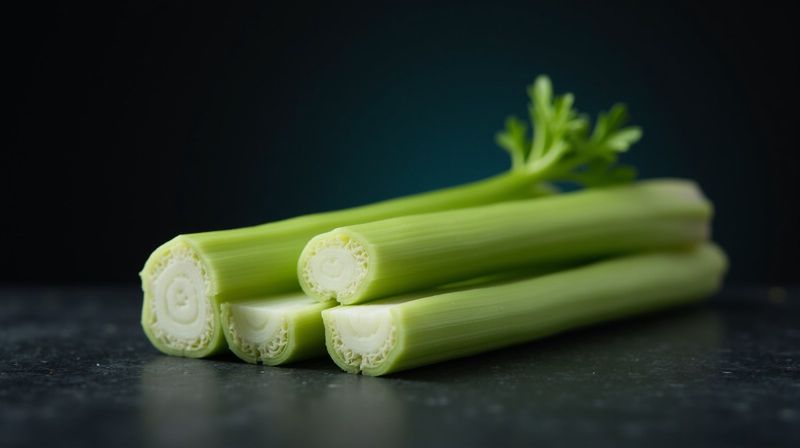
A 2025 meta-analysis in Frontiers in Nutrition pooled nine trials with 511 participants. It reported improvements in some heart and metabolism measures.
That is a hint worth watching, but it is far from proof.
Look at what people in those trials actually took. The studies used varied preparations, including seed or leaf and stalk powders, extracts, capsules, and decoctions.
Almost none of them tested a plain daily serving of celery stalks, so the results cannot be treated as proof about the celery in your crisper drawer.
The review also has limits that its authors point out. The studies were small, and they differed a lot from one another in dose, plant part, and design.
All of them were done in Asian populations, so the results may not carry over neatly to other groups.
Some findings were flat. The review found no significant overall effect on total, LDL, or HDL cholesterol.
Its blood sugar results were described as inconclusive.
So here is the fair reading. Researchers saw a signal that deserves bigger, better studies.
Nobody can yet say that eating ordinary celery daily lowers blood pressure, blood sugar, or cholesterol. And since the research was not done in Kentucky, nothing here is specific to people who live there.
Celery is not a detox or negative-calorie shortcut
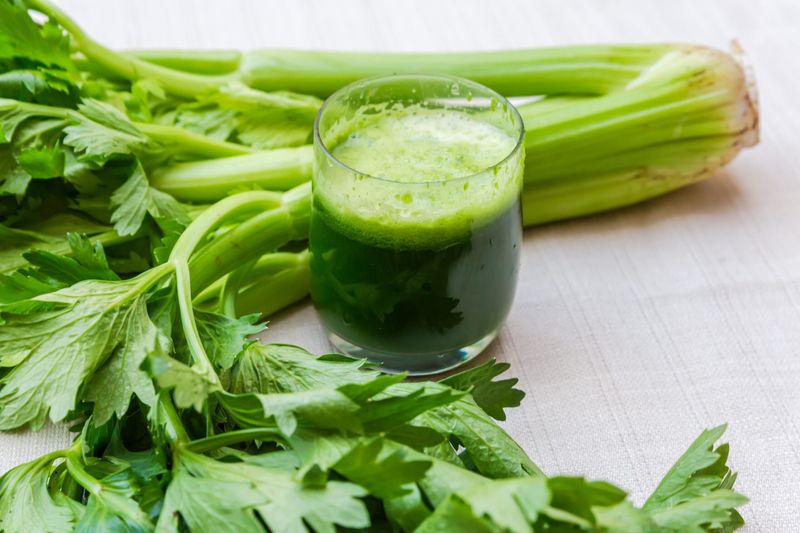
Two claims float around celery constantly: that it flushes out toxins, and that it burns more calories than it gives you. Neither holds up.
Your liver and kidneys already handle waste removal, and no vegetable has been shown to do that job for them.
On detox, the National Center for Complementary and Integrative Health says the evidence for detox diets is limited and of low quality. The American Cancer Society notes there is no scientific evidence that juice cleanses remove toxins or deliver the benefits claimed for them.
On calories, celery is low, but low is not negative. Mayo Clinic content points out that no reputable studies prove any food has a negative-calorie effect.
Your body uses some energy to digest food, but it is nowhere near what the food supplies.
That leaves celery with a modest, honest job. It adds volume and crunch for few calories, which can be handy in a meal.
It does not cause weight loss by itself, and it does not cleanse anything.
Some health circumstances call for personal guidance
For most people, celery is an everyday vegetable with no special warnings. A few situations call for a conversation with a health professional, and none of them mean celery is off limits for everyone in that group.
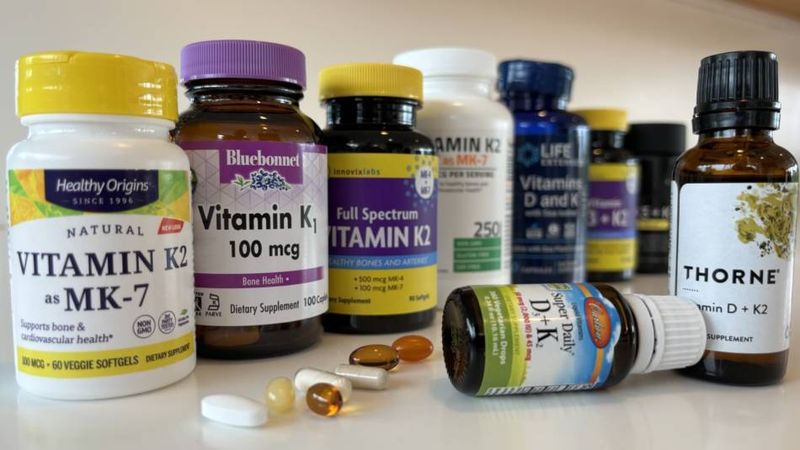
Warfarin is one. Celery contains vitamin K, and the NIH Office of Dietary Supplements advises people on warfarin to keep vitamin K intake consistent.
Big changes in diet, such as starting a daily celery juice habit, are worth discussing with your clinician first.
Chronic kidney disease is another. Celery has potassium, and the National Institute of Diabetes and Digestive and Kidney Diseases notes that eating needs vary with a person’s health and care plan.
Some people need to limit potassium, and others do not, so ask your care team about your own plan.
Allergy is the third. Anaphylaxis UK explains that celery allergy is possible.
Reactions can range from an itchy mouth or throat to more serious symptoms, though this does not mean it is common.
If celery makes your mouth tingle or causes any unusual symptoms, stop eating it and get medical advice.
Make celery an option, not a daily prescription
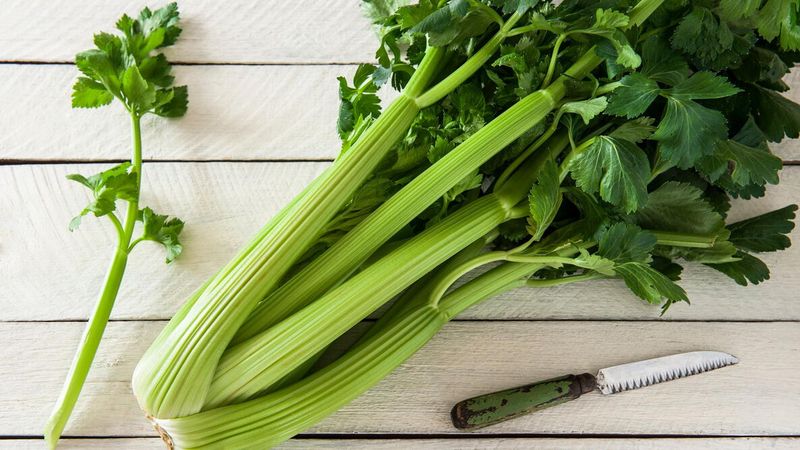
Keep celery around if you like it. Add it to soups, salads, and snack plates, and keep eating a mix of other vegetables and fruits as the Dietary Guidelines for Americans encourage.
Before you cut or crunch, rinse the stalks under running water. The FDA, in its produce safety guidance, advises against soap, detergent, or commercial produce wash.
The studies reviewed do not point to a special celery routine, and nothing in them is specific to Kentucky. A stalk is a stalk wherever you buy it.
Celery is a good team player, not a miracle worker.
Share this story