Get the latest garden guides in your inbox →
Gardening Latest
  • General Gardening
  • Lawn Care
  • Plant Care
  • Composting
  • Soil Health
  • Backyard
  • Garden Muse Magazine
  • General Gardening
  • Lawn Care
  • Plant Care
  • Composting
  • Soil Health
  • Backyard
  • Garden Muse Magazine
  • News
  • Gardening Calendar
  • Garden Structures
  • Vegetable Garden
  • Vertical Garden
  • Raised Beds
  • Hydroponics
  • General Equipment
  • Community Gardens
Garden Themes
  • Spiritual Garden
  • Hydroseeding
  • Seeding and Laying Sod
  • Artificial Grass
  • Lawn Care Equipment
  • Plants
  • Trees
  • Planting Tools
  • Composting Basics
  • Fertilizer
  • Alternative Growing Mediums
  • Front Yard
  • Backyard Activities
  • Landscaping
Gardening Latest

Explore by state

Which state is your garden in?

Currently viewing Massachusetts

All states

Northeast

  • Connecticut —
  • Delaware 3
  • Maine —
  • Maryland 3
  • Massachusetts 5
  • New Hampshire —
  • New Jersey 3
  • New York 2
  • Pennsylvania 2
  • Rhode Island —
  • Vermont —

Southeast

  • Alabama 3
  • Arkansas —
  • Florida 3
  • Georgia 3
  • Kentucky 4
  • Louisiana 2
  • Mississippi —
  • North Carolina 1
  • South Carolina 3
  • Tennessee —
  • Virginia 2
  • West Virginia —

Midwest

  • Illinois 2
  • Indiana 4
  • Iowa 3
  • Kansas —
  • Michigan 3
  • Minnesota 2
  • Missouri 2
  • Nebraska —
  • North Dakota —
  • Ohio 3
  • South Dakota —
  • Wisconsin 4

Southwest

  • Arizona 3
  • Colorado —
  • Nevada —
  • New Mexico —
  • Oklahoma —
  • Texas 2
  • Utah —

West

  • Alaska —
  • California 3
  • Hawaii —
  • Idaho —
  • Montana —
  • Oregon —
  • Washington —
  • Wyoming —

No state matches that search.

Site menu

Gardening Latest
  • General Gardening
    • News
    • Gardening Calendar
    • Garden Structures
    • Vegetable Garden
    • Vertical Garden
    • Raised Beds
    • Hydroponics
    • General Equipment
    • Community Gardens
    Garden Themes
    • Spiritual Garden
  • Lawn Care
    • Hydroseeding
    • Seeding and Laying Sod
    • Artificial Grass
    • Lawn Care Equipment
  • Plant Care
    • Plants
    • Trees
    • Planting Tools
  • Composting
    • Composting Basics
  • Soil Health
    • Fertilizer
    • Alternative Growing Mediums
  • Backyard
    • Front Yard
    • Backyard Activities
    • Landscaping
  • Garden Muse Magazine

Explore

  • About GardeningLatest.com
  • Contact Us

Get the latest from the garden

New guides on lawn care, plants and backyard projects, sent when they go up.

Subscribe →

Follow

  • Facebook
  • X
  • Pinterest
  • YouTube
Massachusetts Gardening

Do These Five Things to Your Outdoor Spigots Before a Hard Massachusetts Freeze Splits Them

A split outdoor spigot can quietly leak hundreds of gallons into your basement before you even notice.

AT

By Abigail Thatcher

November 17, 2026 · 3 min read

Do These Five Things to Your Outdoor Spigots Before a Hard Massachusetts Freeze Splits Them

A split outdoor spigot can quietly leak hundreds of gallons into your basement before you even notice. In Massachusetts, the first hard freeze often sneaks in overnight in late October or November.

The good news is that protecting your faucets takes less than an hour and costs very little. Here are five simple steps that can save you from a soggy, expensive spring surprise.

At a glance

Where
Massachusetts Gardening
Hardiness zone
6 −10 to 0°F
Read
3 minutes
Published
November 17, 2026

1. Disconnect and Drain Every Garden Hose
Disconnect and Drain Every Garden Hose
© The Rooter Guys Plumbing

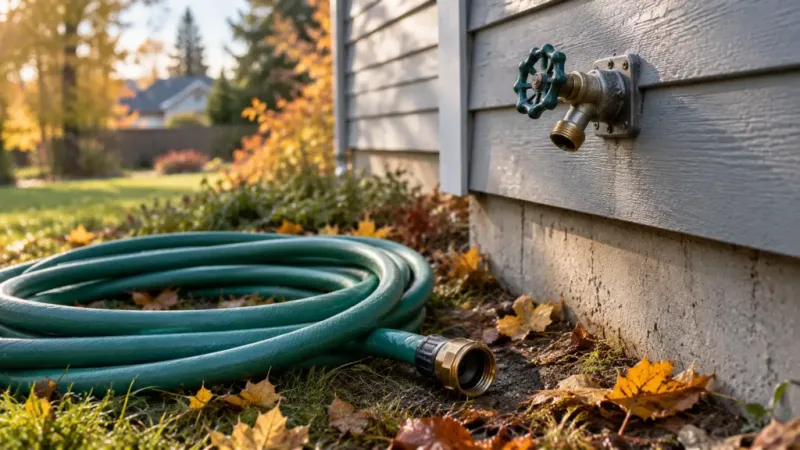
Picture a hose left hooked up all winter in Worcester. Water trapped inside freezes, expands, and pushes back into the faucet, cracking the pipe behind the wall where you cannot see it.

Unscrew every hose before the first frost warning. Stretch each one out on a slight slope so the water runs out, then coil it loosely.

Store hoses in a garage or shed instead of leaving them on the lawn. Cold rubber gets stiff and can crack, so a dry indoor spot helps them last several more seasons.

2. Shut Off the Indoor Valve
Shut Off the Indoor Valve
© Benjamin Franklin Plumbing

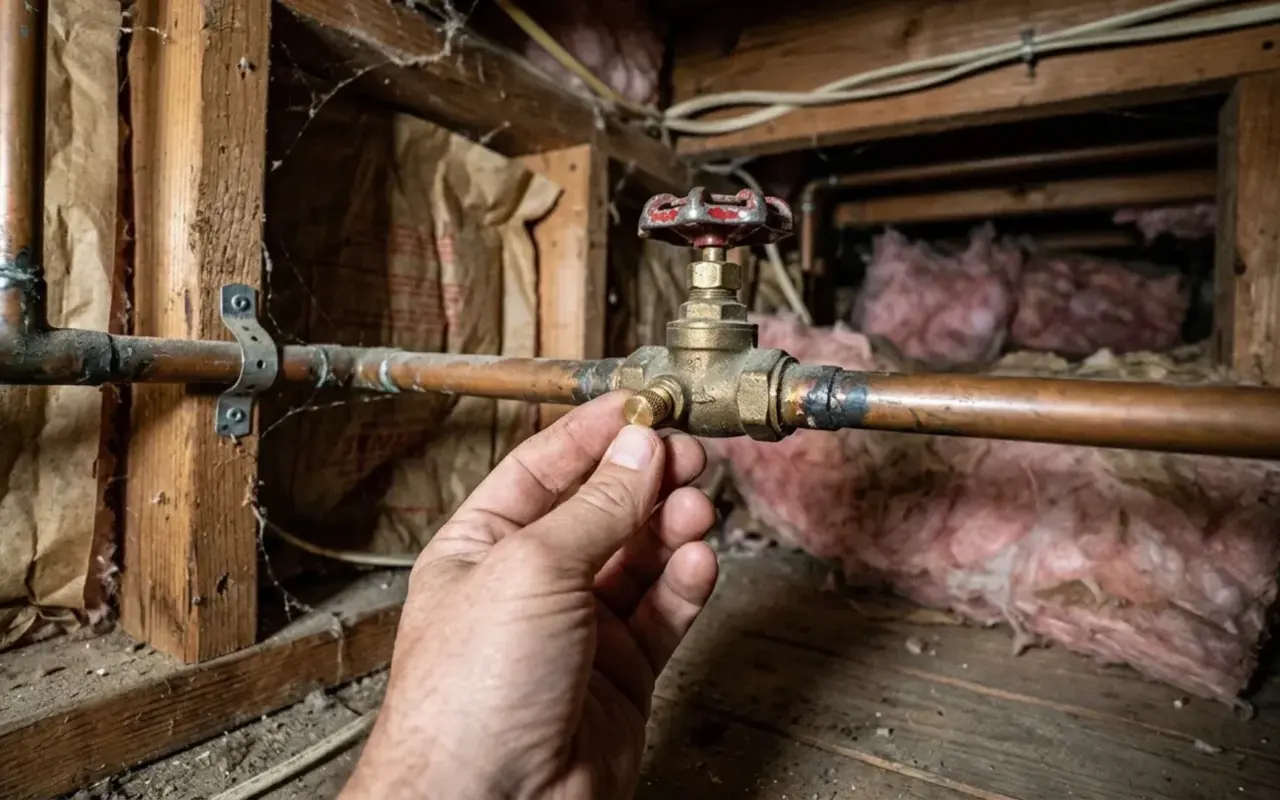
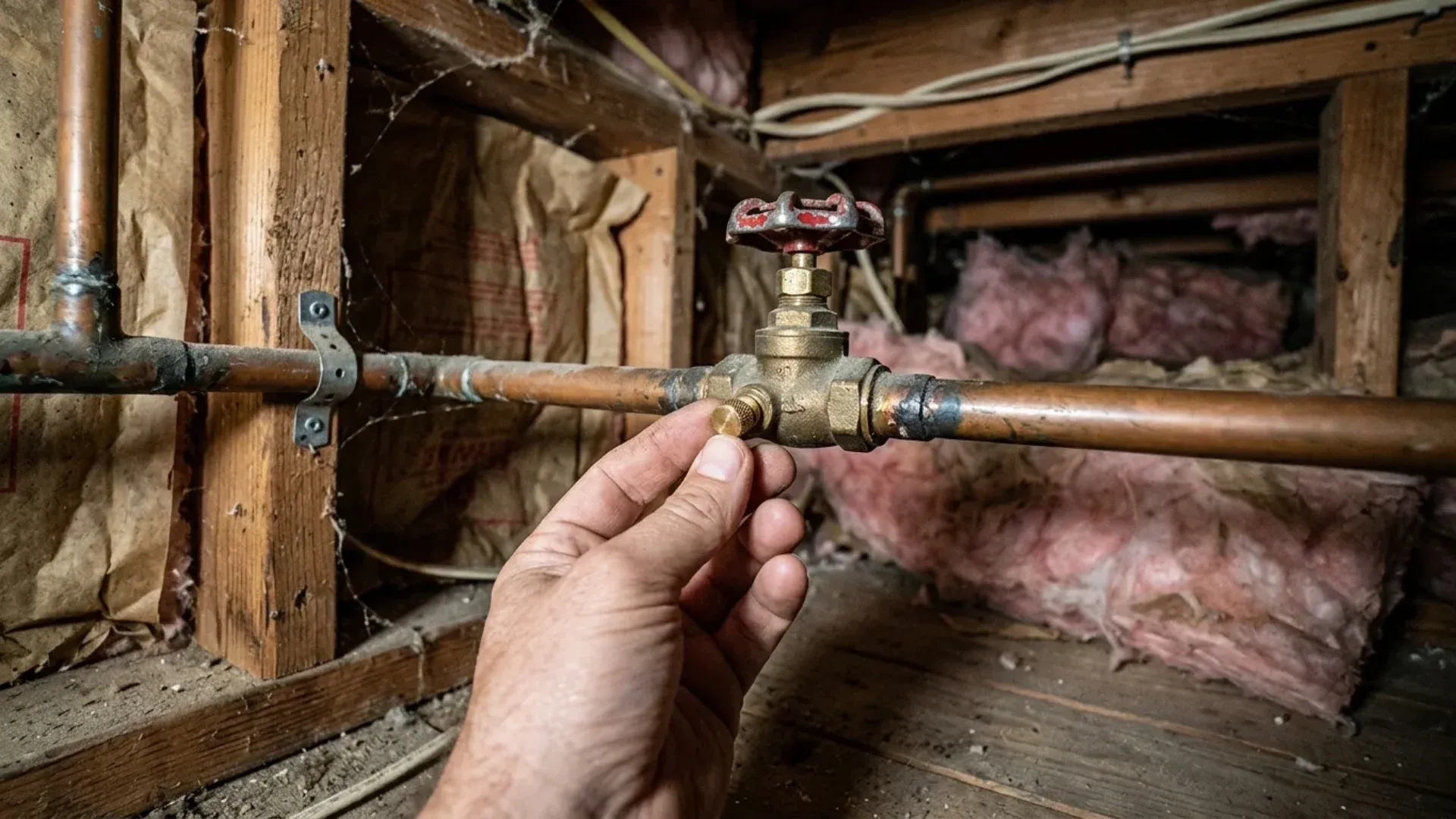
Head down to the basement with a flashlight. Somewhere along the pipe that leads to your outdoor faucet, there is usually a small shutoff valve, often with a round or lever handle.

Turn it clockwise until it stops, or turn the lever so it sits crosswise to the pipe. That cuts the water supply so nothing new can flow toward the cold exterior wall.

A foam or fabric-lined dome slips over the spigot and hooks onto the handle, then cinches tight against the siding.

Older homes in places like Lowell or Brockton sometimes hide these valves behind ceiling tiles or boxes. If you truly cannot find one, a plumber can add one for a modest fee, and it is money well spent.

3. Open the Outside Faucet to Let It Drain
Open the Outside Faucet to Let It Drain
© Plumbers Snake

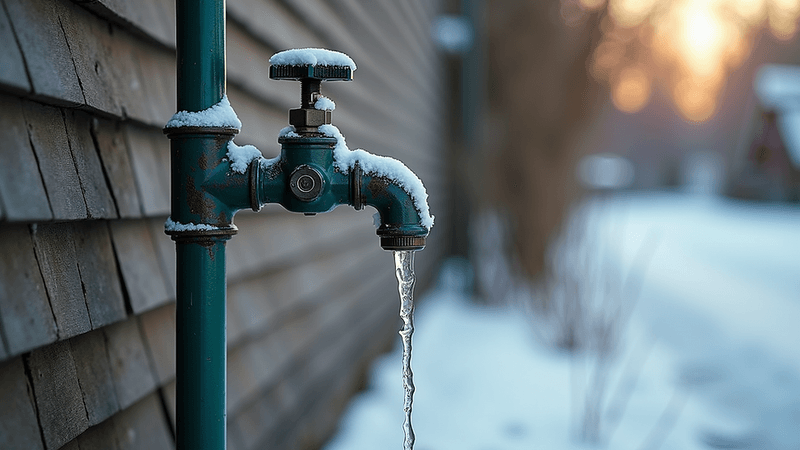
Shutting the valve is only half the job. Go back outside and open the spigot all the way, and you will likely see a short trickle of leftover water spill out.

Leave it open for a few minutes, or even all winter if your plumber recommends it. Many shutoff valves also have a tiny bleeder cap, so loosen that indoors with a bucket underneath to release trapped water.

Fun fact: water expands about nine percent when it freezes. That small push generates enough force to burst copper pipe, which is why an empty line is a safe line.

4. Cover the Spigot With an Insulated Faucet Cap
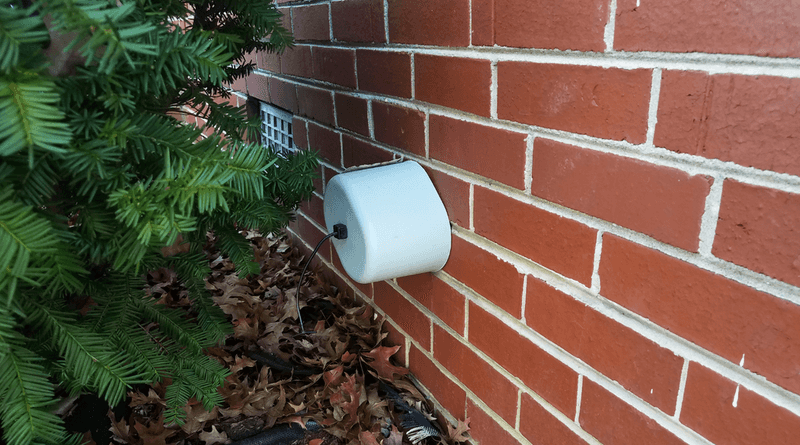
Cover the Spigot With an Insulated Faucet Cap
© tradesafe

Think of it as a winter hat for your faucet. A foam or fabric-lined dome slips over the spigot and hooks onto the handle, then cinches tight against the siding.

These covers cost just a few dollars at any hardware store. They block wind, which matters a lot when a nor’easter drives single-digit temperatures straight at the side of your house.

Make sure the cover sits flush against the wall with no gaps. A loose cover lets cold air sneak in and does little good.

5. Consider Upgrading to a Frost-Free Sillcock
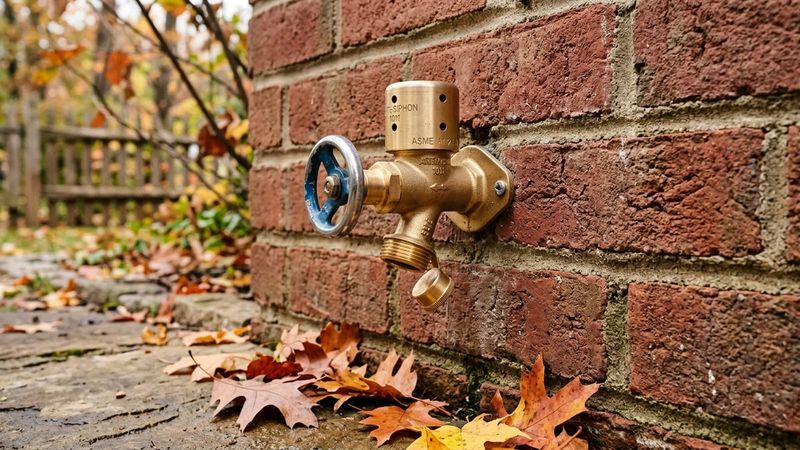
Consider Upgrading to a Frost-Free Sillcock
© I’m Home

Tired of this routine every fall? A frost-free sillcock might be your answer.

Its valve sits deep inside the heated house, sometimes a foot or more back, so the water stops before it reaches the cold wall.

When you shut the handle outside, the remaining water drains out by itself, as long as the unit is installed with a slight downward slope. Many models also include a built-in vacuum breaker, which Massachusetts plumbing code generally requires on hose connections.

One catch: even frost-free faucets can burst if a hose stays attached. So keep step one on your list no matter what.

Installation usually runs a couple hundred dollars, a bargain compared to repairing a flooded finished basement.

Share this story
AT

Written by

Abigail Thatcher

More from Abigail Thatcher →

About Gardening Latest

Gardening Latest provides in-depth guides to maintaining and enhancing your garden and backyard. Learn how to make the most of the space you have and create a beautiful garden.

More about us →

Latest stories

  • Wisconsin GardeningTouched a Hickory Tussock Caterpillar in Your Wisconsin Garden? Here’s What to Do

    Touched a Hickory Tussock Caterpillar in Your Wisconsin Garden? Here’s What to Do

    3 hr ago
  • Iowa GardeningGot Stung by an Io Moth Caterpillar in Your Iowa Garden? Here’s What to Do Right Away

    Got Stung by an Io Moth Caterpillar in Your Iowa Garden? Here’s What to Do Right Away

    3 hr ago
  • Delaware GardeningWhat Those Scratching Sounds in Your Delaware Attic Mean Once Cold Weather Hits

    What Those Scratching Sounds in Your Delaware Attic Mean Once Cold Weather Hits

    4 hr ago
  • Kentucky GardeningKentucky, This Is What Eating Celery Every Day Really Does To Your Body

    Kentucky, This Is What Eating Celery Every Day Really Does To Your Body

    4 hr ago
  • South Carolina GardeningCould a Tiny Venom-Suspected Shrew Live in South Carolina Yards? What We Know About the Southern Short-Tailed Shrew

    Could a Tiny Venom-Suspected Shrew Live in South Carolina Yards? What We Know About the Southern Short-Tailed Shrew

    4 hr ago

Gardening by state

Stories for your state, and the hardiness zone most of it gardens in.

Keep exploring

Read next

All Massachusetts Gardening →
Massachusetts GardeningA Northern Short-Tailed Shrew May Use Massachusetts Leaf Litter This Winter, and It Is Easy to Miss
Massachusetts Gardening

A Northern Short-Tailed Shrew May Use Massachusetts Leaf Litter This Winter, and It Is Easy to Miss

18 hr ago
Massachusetts GardeningWhat Those Late-Night Coyote Howls Around Your Massachusetts Home Really Mean
Massachusetts Gardening

What Those Late-Night Coyote Howls Around Your Massachusetts Home Really Mean

Yesterday
Massachusetts GardeningEating Celery Every Day In Massachusetts? Here’s What It Does To Your Body
Massachusetts Gardening

Eating Celery Every Day In Massachusetts? Here’s What It Does To Your Body

Yesterday

More from Massachusetts Gardening

  • Kentucky, This Is What Eating Celery Every Day Really Does To Your Body

    4 hr ago
  • Could a Tiny Venom-Suspected Shrew Live in South Carolina Yards? What We Know About the Southern Short-Tailed Shrew

    4 hr ago
Back to top

Leave a response Cancel

Your email address stays private. Required fields are marked with an asterisk.

Gardening Latest

In-depth guides to maintaining and enhancing your garden and backyard: how to make the most of the space you have, and how to make it beautiful.

  • Facebook
  • X
  • Pinterest
  • YouTube

We may earn a portion of sales from products or services that are purchased through our site as part of our affiliate partnerships with retailers.

Explore

  • About GardeningLatest.com
  • Contact Us
  • Terms and Conditions
  • Privacy
  • Editorial Note:
  • FTC Disclosure

Newsletter

New garden guides and seasonal tips, straight to your inbox.

We’ll email you a link to confirm. Unsubscribe any time.

Almost there! Check your inbox and tap the link to confirm.

© 2026 Gardening Latest. All rights reserved.

Back to top