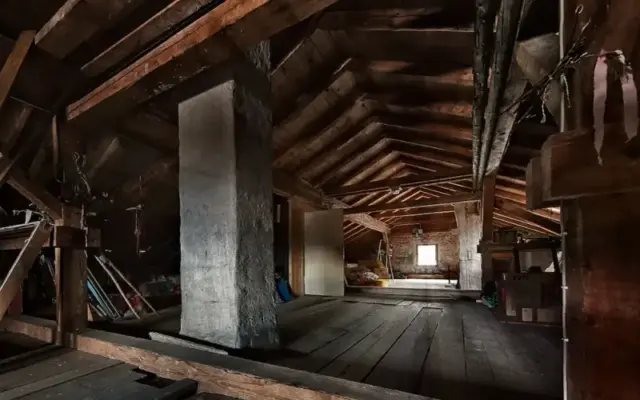
You are lying in bed when something starts to scratch overhead, and suddenly the quiet house feels a lot less empty. Nighttime attic noises get more common as the weather turns cold, and they can be hard to ignore.
Different animals can make similar sounds, so the noise alone rarely tells the whole story. Here is how to weigh the clues, stay safe, and know when to call for help.
Cold weather changes the context, not the diagnosis
A scratch overhead at 2 a.m. gets your attention, and it should. Still, a sound by itself is only a clue.
Several animals can be active at night, and the sources describe overlapping habits rather than a sound that points to one species.
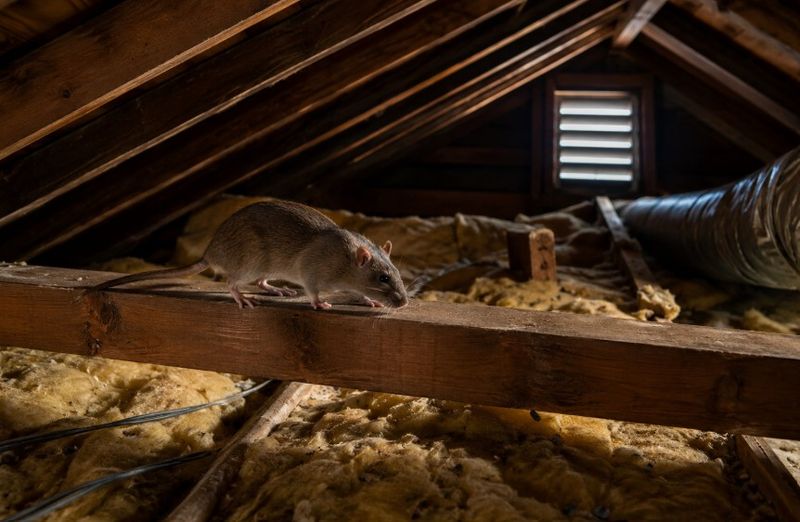
Each animal also handles cold in its own way. Wildlife damage specialists list scratching, running, and squeaks among the signs of house mice, along with droppings and gnawing.
Maryland’s natural resources agency describes southern flying squirrels as nocturnal animals that often nest together in winter.
Raccoons are mostly nocturnal and can use attics as dens, according to Virginia Tech Extension. Bats can roost in buildings too, and Delaware DNREC guidance notes that some may stay in buildings over winter.
These are different behaviors, and none of them proves that the weather caused the noise you are hearing.
So think of cold weather as background, not an answer. The goal of this article is to help you weigh timing and other signs, such as droppings, gnawing, or an entry point, instead of trying to match a sound to an animal.
Most attic noises are not emergencies, and a calm, careful approach works best.
What flying squirrels’ winter habits can—and can’t—tell you
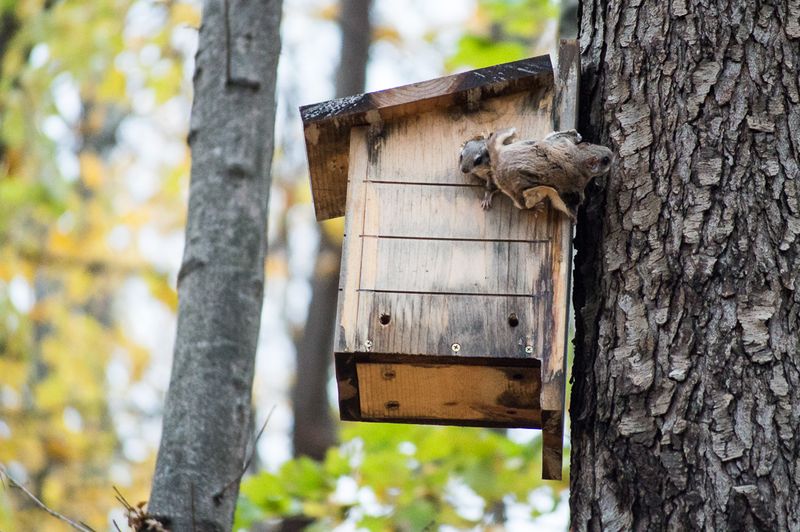
Southern flying squirrels have habits that fit a nighttime noise story. The Maryland Department of Natural Resources describes them as nocturnal, says they make chittering and other calls, and notes that they often nest communally in winter.
That is useful background if you are wondering what could be active after dark.
There is a limit, though. That page is about Maryland, and it does not show that these animals live in Delaware or at your particular house.
Until a source documenting their Delaware range is added, their presence here should be treated as unverified.
Sound is the other limit. Chattering is consistent with the calls described in the Maryland source, but it cannot identify an attic occupant.
Mice, raccoons, and other animals can also be active at night, so a chirp or a patter is only one piece of the picture.
In practice, treat flying squirrel habits as one possibility to keep in mind, not a conclusion. Corroborating signs and a professional inspection are what turn a guess into an answer.
Mice leave more than scratching behind
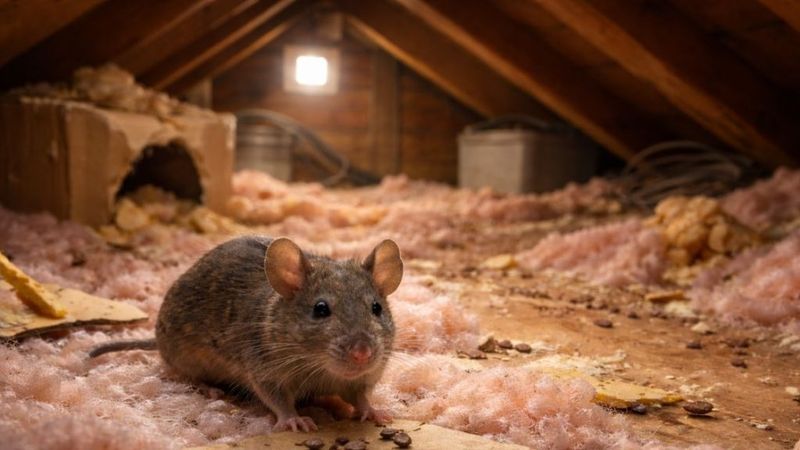
Scratching is only the start of the mouse story. The Internet Center for Wildlife Damage Management lists scratching, running, and squeaks among the common signs of house mice.
It also points to droppings, gnawing, shredded nesting material, and a musky odor.
Those extra clues matter more than the noise. Small droppings near a stored box or fresh gnaw marks on a wire cover can strengthen the case for mice.
A faint, light patter in the ceiling fits the idea, but it does not confirm it.
Sound alone is never enough. Other animals can scratch or scurry at night, so a sound that seems mouse-like might still come from something else.
Without corroborating signs, a mouse is a hypothesis, not a verdict.
It also helps to avoid jumping to conclusions about damage. Seeing a few signs does not tell you how large a problem is or how serious it might become.
A qualified inspector can judge that far better than guesswork from the floor below.
If you do find droppings or nesting material from a safe spot, do not rush to sweep them away. Cleanup has its own safety steps, covered in the section on safe next steps.
Raccoon-sized commotion is still not a raccoon diagnosis
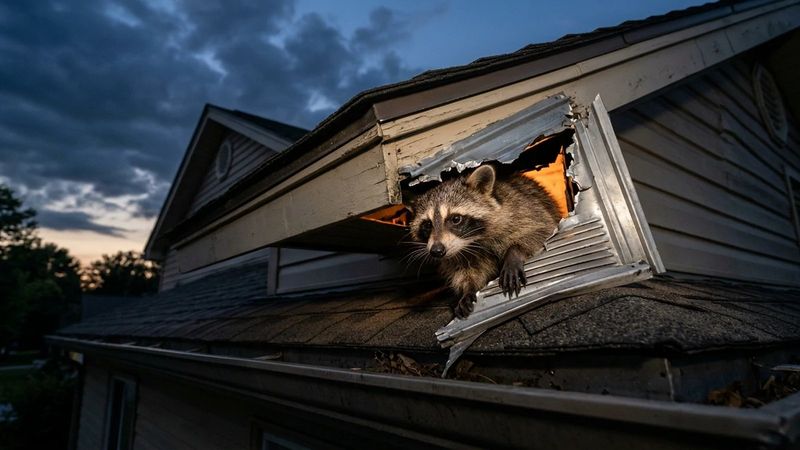
Heavy thumps make people think of raccoons, but loudness is not a test. Virginia Tech Extension describes raccoons as mostly nocturnal animals that can use home attics as dens.
That fits a nighttime noise, yet other animals are active after dark as well.
Raccoons can also make a range of sounds, including screams, hisses, snarls, and growls. Hearing something like that is a clue worth noting, but no single sound or volume settles the question.
Treat it as a reason to look for other evidence from a safe distance.
Many people also assume that a raccoon in an attic means babies are up there. That is not necessarily true.
Virginia Tech says young are born mainly in April and May, so a late fall visitor is not automatically a mother with a litter.
Do not approach the attic or try to chase the animal out yourself. Wild animals can react unpredictably when cornered.
Write down what you hear and when, and leave identification to a qualified wildlife professional.
Bats can remain a possibility after temperatures drop
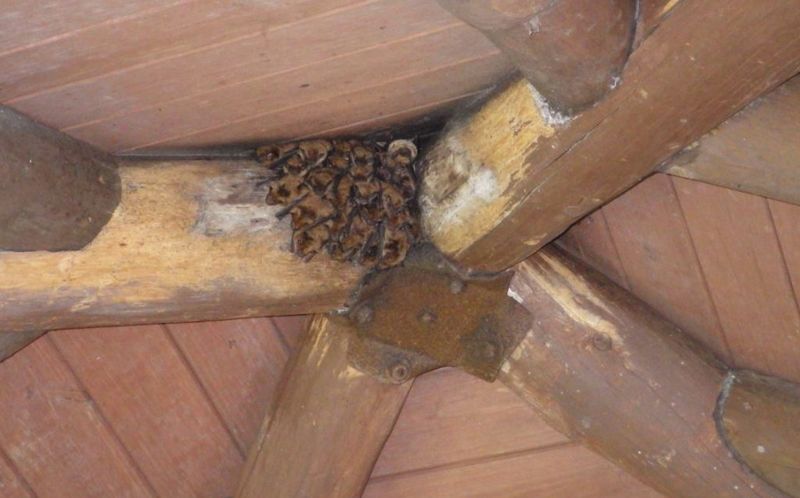
It is easy to assume bats leave for winter, but that is too simple. Delaware DNREC names big brown bats among the state’s common species.
Its guidance also says some bats may remain in buildings over winter, so cold weather does not rule them out.
Bats are not the only animals active at night, so a noise after dark does not prove bats are present. If you suspect them, one safe clue is to watch the outside of your house around dusk and see whether bats emerge.
Do this from a distance and do not disturb anything.
Timing matters for any removal. DNREC’s bat exclusion guidance says complete exclusions generally should not happen from May 15 to August 31 because flightless young can be trapped.
It also warns that some bats hibernate in buildings in winter, so winter is not automatically a safe time to act.
That is why you should not seal a suspected bat entrance on your own. Closing the opening while bats may still be inside can trap them.
DNREC recommends proper exclusion with devices that let bats leave, and commercial companies doing this work must be state-permitted.
Smoke, poison, ultrasonic devices, and chemical repellents are not safe or effective ways to evict bats. A qualified operator can assess the situation and choose the right timing.
Observe from outside and get help before disturbing wildlife
You can learn a lot without stepping into the attic. Start by writing down when the noise happens, whether it repeats, and where in the house it seems to come from.
Those notes are helpful for any professional you call later.
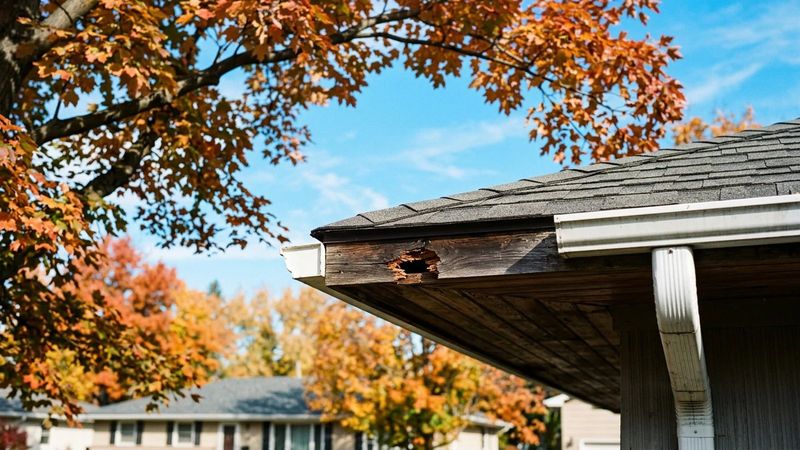
Next, walk around the outside of the house and look for possible entry points, such as gaps near the roofline or damaged vents. Stay at ground level and do not disturb any animal you might see.
Finding a gap does not tell you what is using it.
For qualified help, DNREC’s homeowner resources and its page on wildlife problems can point you to licensed nuisance wildlife operators. Choose help for identification or removal rather than handling unknown wildlife yourself.
Never touch a bat. If a bat was in your home and someone may have had contact with it, especially while sleeping or unable to respond, call the Delaware Division of Public Health’s Office of Infectious Disease Epidemiology at 888-295-5156.
Delaware DPH recommends an exposure assessment when contact is uncertain, and a visible bite is not required for concern.
If you find rodent droppings, urine, or nesting material, follow CDC cleanup guidance. Do not sweep or vacuum them.
For a small cleanup, wear gloves, wet the area with an appropriate disinfectant, and wipe it up. Heavy infestations need extra precautions, so skip entering a heavily contaminated attic and call a professional.
Use the clues to choose a safe next step
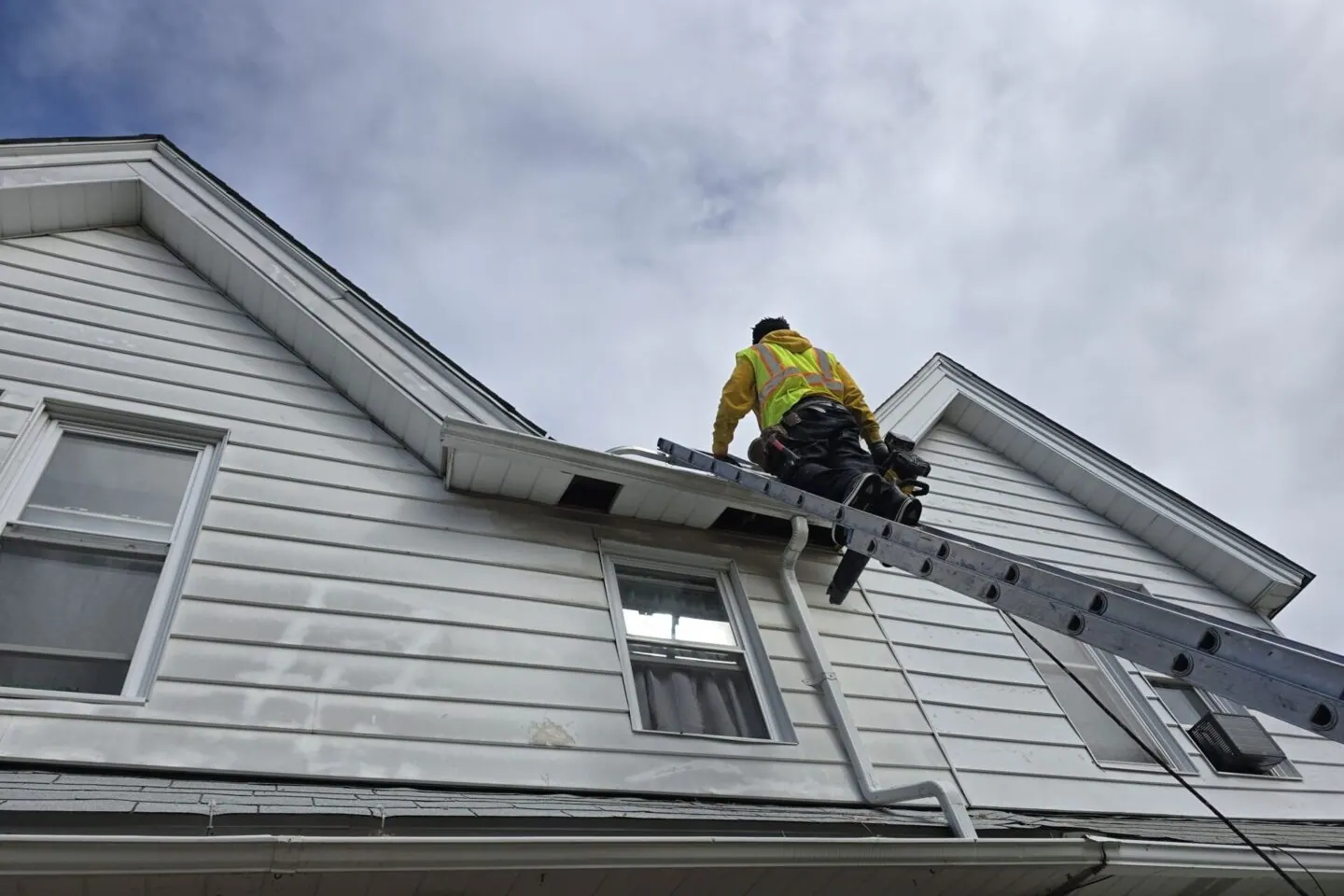
Season and sound can point your attention in a direction, but they cannot name the animal overhead. What helps is the next layer of evidence, such as droppings, gnawing, an entry point, or bats leaving at dusk.
When those signs are unclear, an inspection is the reliable route.
Use DNREC’s homeowner information and its wildlife problems page to find qualified help. Bring your notes along.
A scratch in the night is a question, and patience plus good information is how you answer it.
Share this story