You reach for a leaf, and suddenly your hand burns like you brushed against a hot wire. A green, fuzzy-looking caterpillar might be the cause, or it might not.
Knowing a few simple steps can help you act fast and stay calm. Here is how to handle suspected Io moth caterpillar contact in an Iowa garden.
A sting-like reaction does not confirm an Io caterpillar
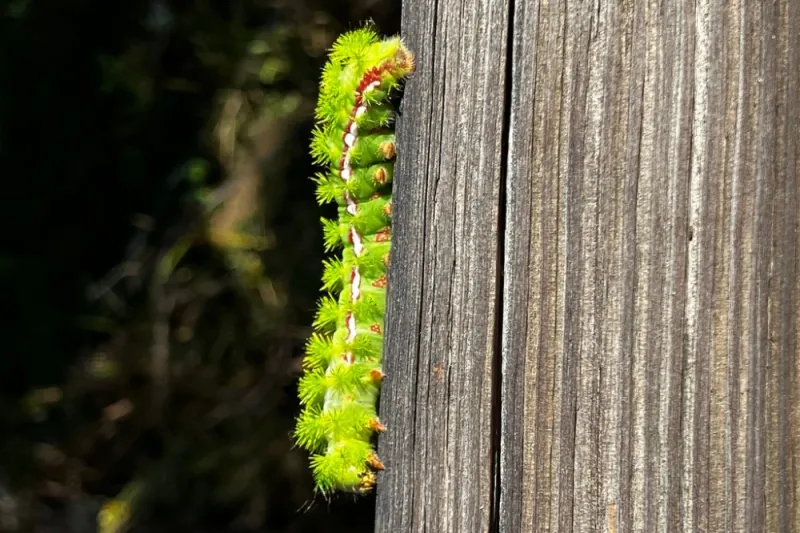
Iowa records document Io moths in the state, and the Insects of Iowa species account lists woodland and suburban habitats and several host plants. That does not mean you will run into one every time you weed the beds.
It simply means the caterpillar is a possibility worth knowing about.
The word sting is a bit misleading here. The caterpillar has no bee-like stinger.
Instead, University of Florida extension experts explain that brushing against its branched spines can cause a sudden, sting-like reaction on the skin.
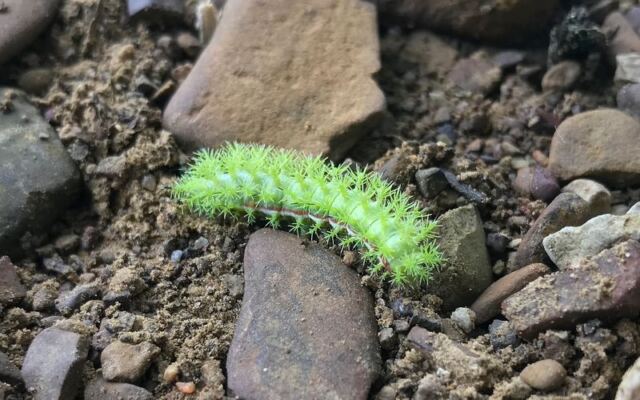
A full-grown Io caterpillar is typically green with a red and pale stripe along each side and clusters of branched spines. Younger stages can look quite different, as this extension guide to stinging caterpillars notes.
Treat appearance as a clue, not proof.
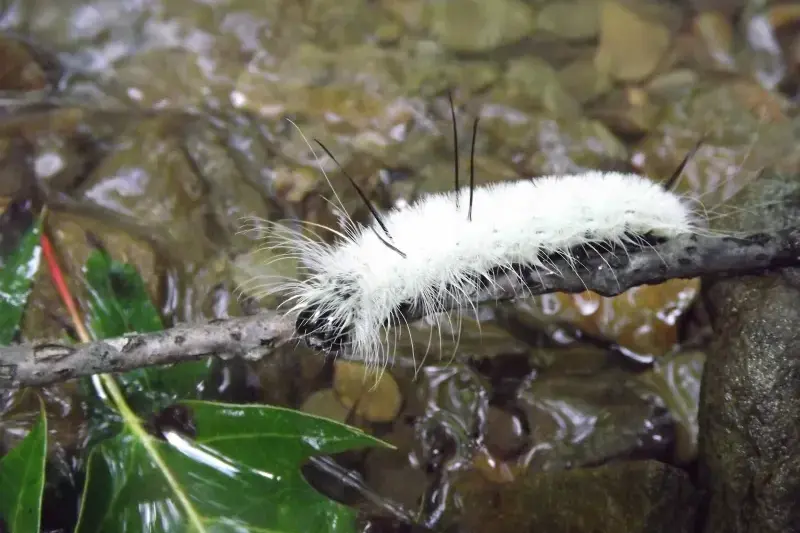
A rash after gardening also does not prove an Io caterpillar was involved. Poison Control points out that most caterpillars are harmless, and other caterpillars or non-caterpillar causes can produce similar symptoms.
The steps below work as sensible first aid either way.
What to do first after skin contact
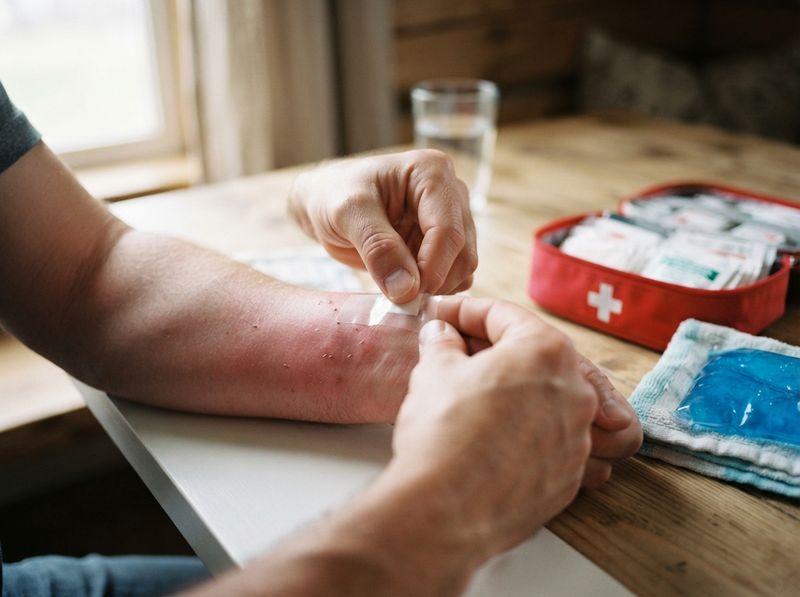
Start by leaving the caterpillar alone. Do not pick it up bare-handed.
If it needs to move, nudge it away with a stick or a tool, or wear thick gloves.
Next, go after the spines. Poison Control recommends gently pressing tape onto the affected skin and lifting it straight off.
Then use a fresh piece and repeat. Each strip pulls away a few more loose spines, so a handful of tries is normal.
Once the tape has done its job, wash the area gently with soap and water. MedlinePlus gives similar steps for caterpillar contact.
Pat the skin dry instead of scrubbing it.
Resist the urge to rub or scratch. Rubbing can push tiny spines deeper and spread them to other spots.
Skip home remedies at this stage too, because removing the spines is the goal. If the burning starts right away, as extension sources describe, tape and washing are still the place to begin.
If you are helping a child or a neighbor, put on gloves first so the spines do not end up on your own hands.
Ease discomfort without mistaking relief for a cure
Once the spines are lifted and the skin is washed, comfort becomes the next concern. A cold pack wrapped in a cloth can take the edge off.
Keep a layer between the ice and your skin.
For itching, Poison Control lists hydrocortisone cream and a baking soda paste as possible choices. Think of them as relief for itch, not as an antidote.
Baking soda is not a proven cure, and none of these options replace tape and washing.
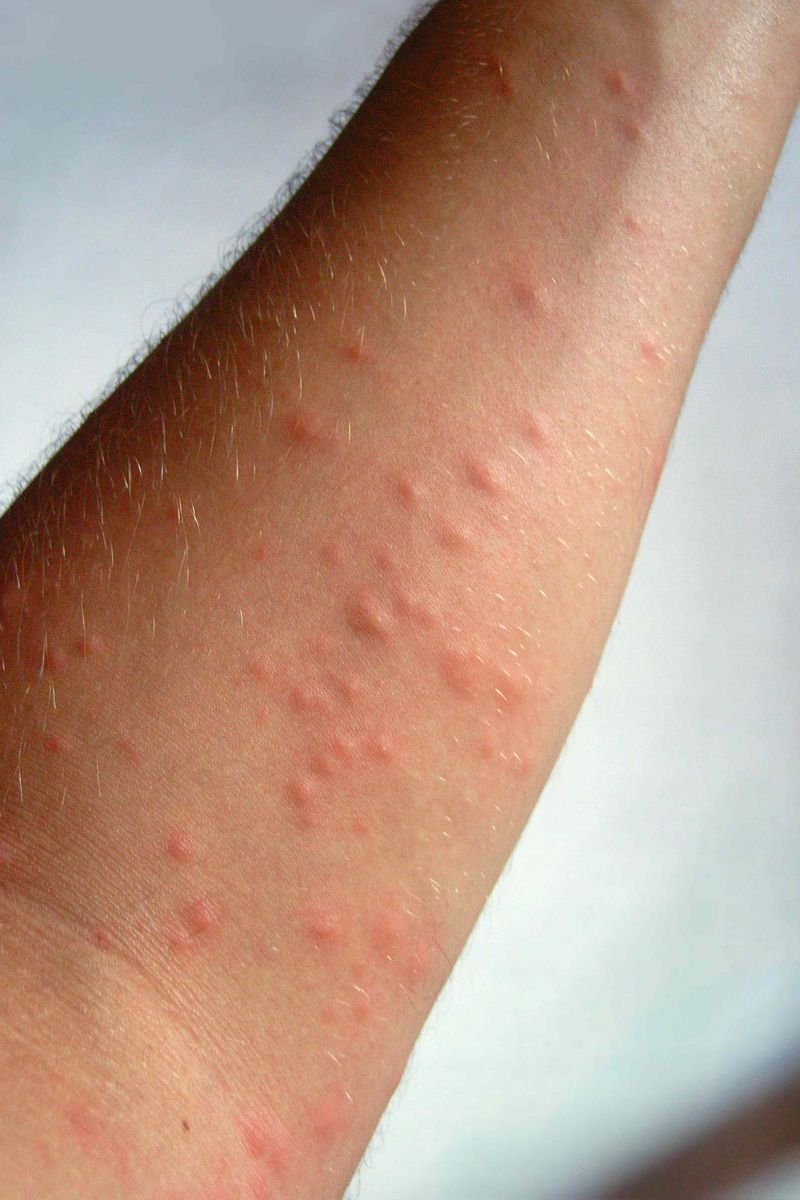
A typical local reaction includes pain or burning, redness, itching, and sometimes a welt. Some people feel it more strongly than others.
One Virginia extension fact sheet compares the pain to a bee sting, but that is a rough comparison and not every reaction feels the same.
How long symptoms last varies. University of Florida experts report that pain often fades within a couple of hours, but you should not count on a set timeline.
They also say the venom has not been fully characterized, and a study found that local diphenhydramine did not block the reaction. So do not assume an antihistamine will switch off the symptoms.
Rinse the eye and seek medical advice
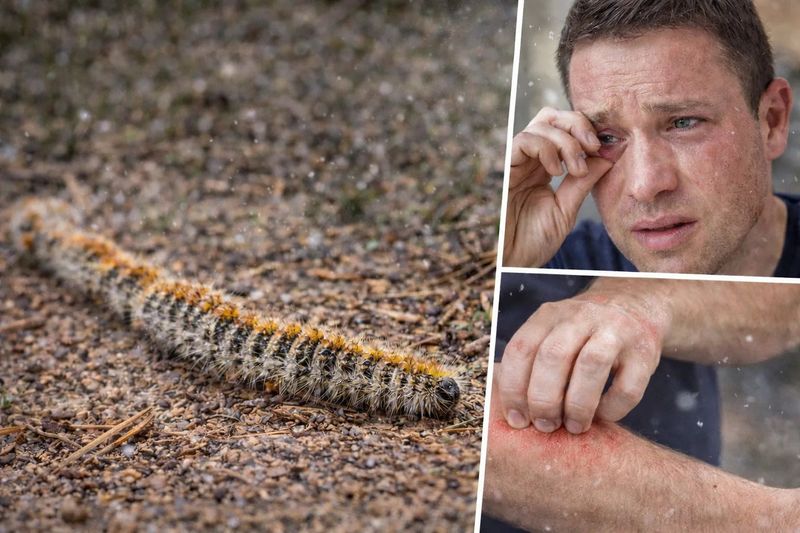
Eyes need different care than skin. If spines or hairs may have reached an eye, rinse it with lukewarm water right away.
Let the water run gently over the eye for a while instead of rubbing.
Then get medical advice, even if the eye starts to feel better. Poison Control describes the rinse, and MedlinePlus advises medical help after eye exposure.
You can call Poison Help at 1-800-222-1222 or contact a doctor or eye care provider.
Do not put tape near the eye. Skip creams, pastes, and other skin remedies around it too.
Only a medical professional can say how much the eye has been affected, so leave that judgment to them.
Know when to get urgent help
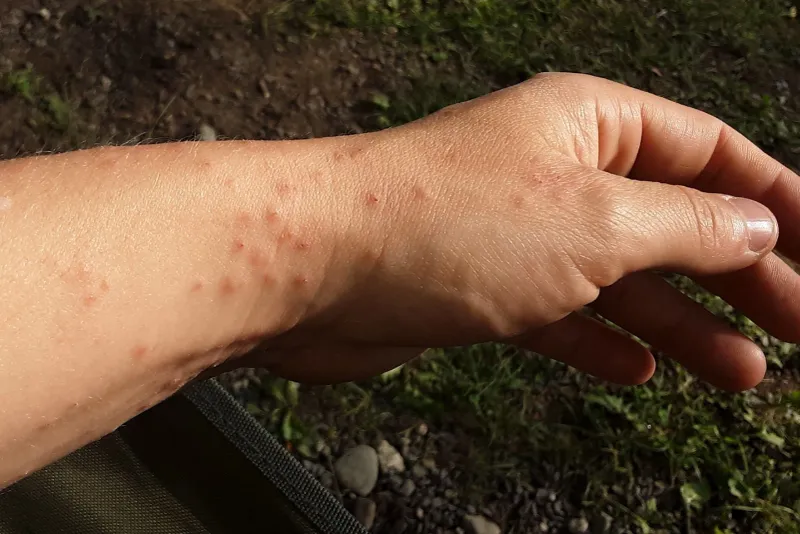
Most contact stays local, meaning the trouble is limited to the spot that touched the caterpillar. Burning, redness, itching, and a small welt are the usual pattern.
Severe allergic reactions are possible but rare, so there is no need to treat every brush with a caterpillar as an emergency.
Still, some signs call for fast action. Poison Control says to call 911 for trouble breathing, fainting, or swelling of the lips, face, or tongue.
MedlinePlus lists similar warning signs. Do not wait to see whether they pass.
For anything less urgent, you have another option. In the United States, Poison Help at 1-800-222-1222 can answer exposure questions and give guidance for your situation.
It is a good call if you are unsure what you touched, if a child was exposed, or if symptoms are not what you expected.
Keep an eye on the person for a while after contact, especially a child, since changes can show up after the first few minutes.
Use caution when you return to the garden
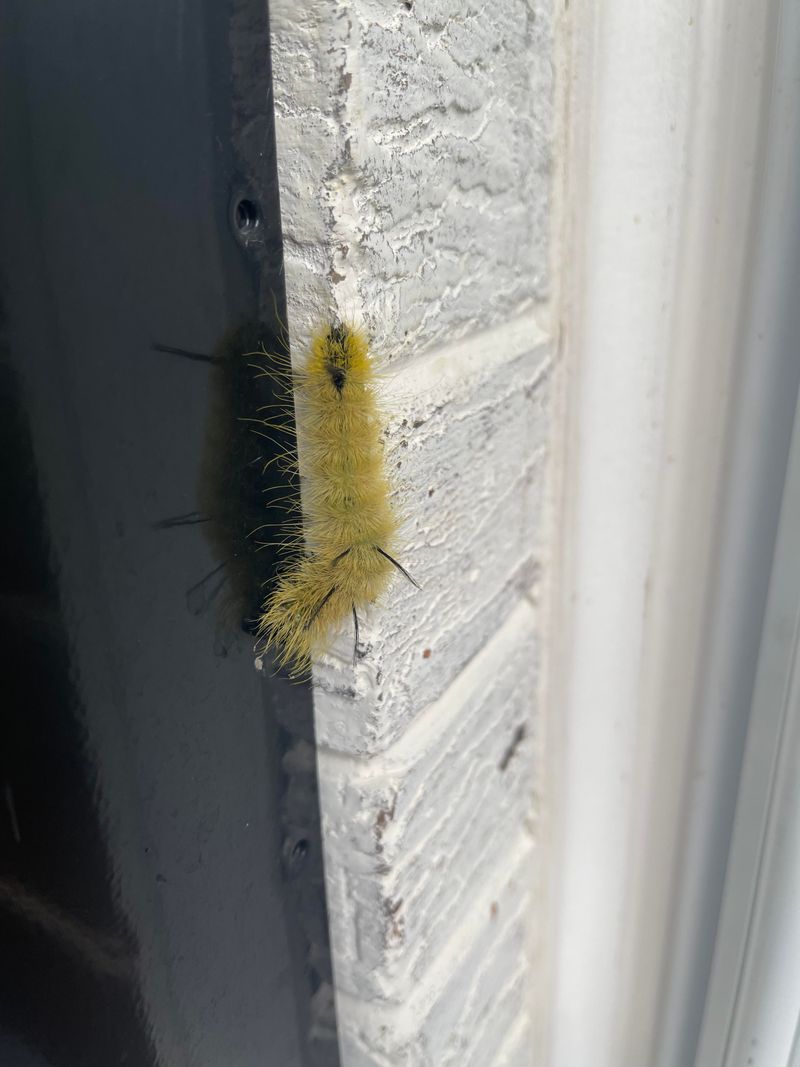
Back among the plants, keep a few habits in mind. Never handle a suspected Io caterpillar bare-handed, and do not use a rash alone to decide what caused it.
Many things can leave a mark on garden-worn skin.
If contact happens, lift loose spines with tape, wash gently, and watch how you feel. Poison Control’s guidance supports that order, along with getting help for the warning signs covered above.
A fuzzy leaf-eater is usually just a passerby, but a little respect keeps your garden time pleasant.
Share this story