Get the latest garden guides in your inbox →
Gardening Latest
  • General Gardening
  • Lawn Care
  • Plant Care
  • Composting
  • Soil Health
  • Backyard
  • Garden Muse Magazine
  • General Gardening
  • Lawn Care
  • Plant Care
  • Composting
  • Soil Health
  • Backyard
  • Garden Muse Magazine
  • News
  • Gardening Calendar
  • Garden Structures
  • Vegetable Garden
  • Vertical Garden
  • Raised Beds
  • Hydroponics
  • General Equipment
  • Community Gardens
Garden Themes
  • Spiritual Garden
  • Hydroseeding
  • Seeding and Laying Sod
  • Artificial Grass
  • Lawn Care Equipment
  • Plants
  • Trees
  • Planting Tools
  • Composting Basics
  • Fertilizer
  • Alternative Growing Mediums
  • Front Yard
  • Backyard Activities
  • Landscaping
Gardening Latest

Explore by state

Which state is your garden in?

Currently viewing Wisconsin

All states

Northeast

  • Connecticut —
  • Delaware 5
  • Maine —
  • Maryland 3
  • Massachusetts 7
  • New Hampshire —
  • New Jersey 3
  • New York 2
  • Pennsylvania 2
  • Rhode Island —
  • Vermont —

Southeast

  • Alabama 3
  • Arkansas —
  • Florida 3
  • Georgia 3
  • Kentucky 6
  • Louisiana 2
  • Mississippi —
  • North Carolina 1
  • South Carolina 5
  • Tennessee —
  • Virginia 2
  • West Virginia —

Midwest

  • Illinois 2
  • Indiana 4
  • Iowa 5
  • Kansas —
  • Michigan 3
  • Minnesota 2
  • Missouri 2
  • Nebraska —
  • North Dakota —
  • Ohio 3
  • South Dakota —
  • Wisconsin 6

Southwest

  • Arizona 3
  • Colorado —
  • Nevada —
  • New Mexico —
  • Oklahoma —
  • Texas 2
  • Utah —

West

  • Alaska —
  • California 3
  • Hawaii —
  • Idaho —
  • Montana —
  • Oregon —
  • Washington —
  • Wyoming —

No state matches that search.

Site menu

Gardening Latest
  • General Gardening
    • News
    • Gardening Calendar
    • Garden Structures
    • Vegetable Garden
    • Vertical Garden
    • Raised Beds
    • Hydroponics
    • General Equipment
    • Community Gardens
    Garden Themes
    • Spiritual Garden
  • Lawn Care
    • Hydroseeding
    • Seeding and Laying Sod
    • Artificial Grass
    • Lawn Care Equipment
  • Plant Care
    • Plants
    • Trees
    • Planting Tools
  • Composting
    • Composting Basics
  • Soil Health
    • Fertilizer
    • Alternative Growing Mediums
  • Backyard
    • Front Yard
    • Backyard Activities
    • Landscaping
  • Garden Muse Magazine

Explore

  • About GardeningLatest.com
  • Contact Us

Get the latest from the garden

New guides on lawn care, plants and backyard projects, sent when they go up.

Subscribe →

Follow

  • Facebook
  • X
  • Pinterest
  • YouTube
Wisconsin Gardening

These Venomous Creatures Share Your Wisconsin Yard, And Here’s How To Recognize Each One

Your backyard in Wisconsin is busier than it looks, and a few of its residents pack a painful punch.

HB

By Heidi Brandt

November 17, 2026 · 5 min read

These Venomous Creatures Share Your Wisconsin Yard, And Here’s How To Recognize Each One

Your backyard in Wisconsin is busier than it looks, and a few of its residents pack a painful punch. Some bite, some sting, and a couple can even send you to the doctor.

Knowing who is who helps you stay calm, avoid trouble, and leave the helpful ones alone. Here are ten venomous neighbors worth recognizing before your next trip to the garden.

At a glance

Where
Wisconsin Gardening
Hardiness zone
5 −20 to −10°F
Read
5 minutes
Published
November 17, 2026

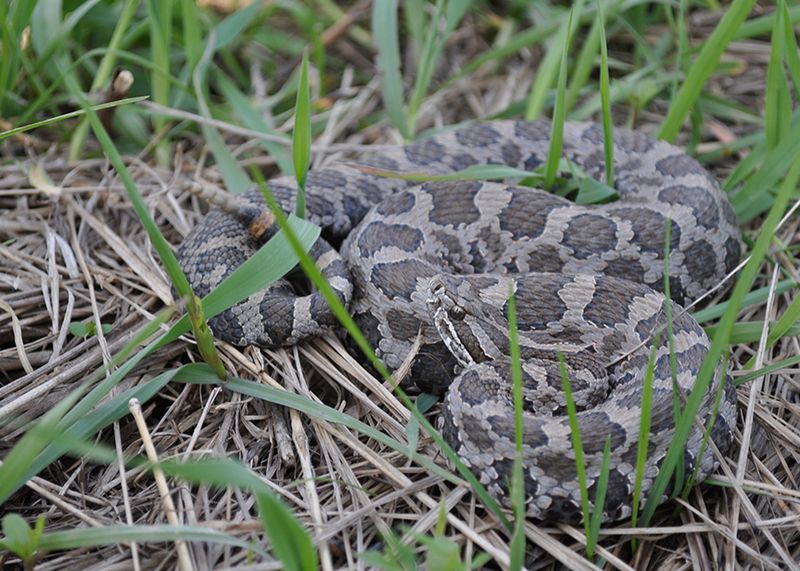
1. Eastern Massasauga Rattlesnake

Eastern Massasauga Rattlesnake
© INHS Environmental Education – University of Illinois

Few Wisconsin residents ever see one, and that is exactly how the massasauga likes it. Wisconsin lists it as an endangered species, and it hangs out in wet prairies, sedge meadows, and marsh edges, mostly in the western and central parts of the state.

Look for a thick, gray or tan snake about two feet long with rows of dark brown blotches down its back. A small rattle on the tail and a triangle-shaped head with vertical, cat-like pupils are the giveaways.

Bites are rare and usually happen when someone steps on or grabs one. If you spot it, back away slowly and let it be, since harming one is illegal in Wisconsin.

2. Timber Rattlesnake
Timber Rattlesnake
© Prairie Enthusiasts

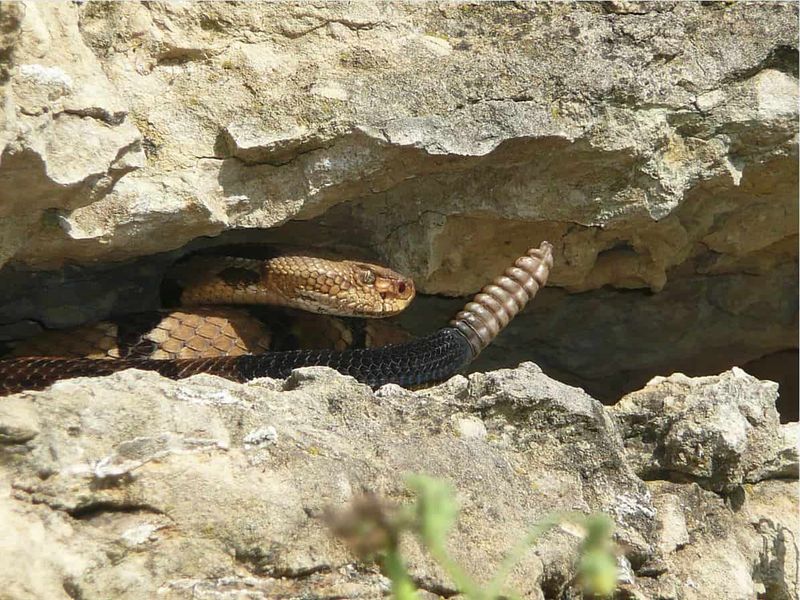
Picture a sunny limestone bluff along the Mississippi River on a June afternoon. That is prime real estate for the timber rattlesnake, Wisconsin’s largest venomous snake, which mainly lives in the Driftless Area of the southwest.

Its body can be yellow, tan, or nearly black, crossed by dark zigzag bands shaped like chevrons. The tail is solid black and ends in a rattle, and adults can stretch past four feet.

Timber rattlers are surprisingly laid-back and often freeze rather than strike. Homeowners near bluffs should wear boots, watch where they put their hands, and call a wildlife expert instead of trying to move one.

3. Black Widow Spider
Black Widow Spider
© Bug Identifier

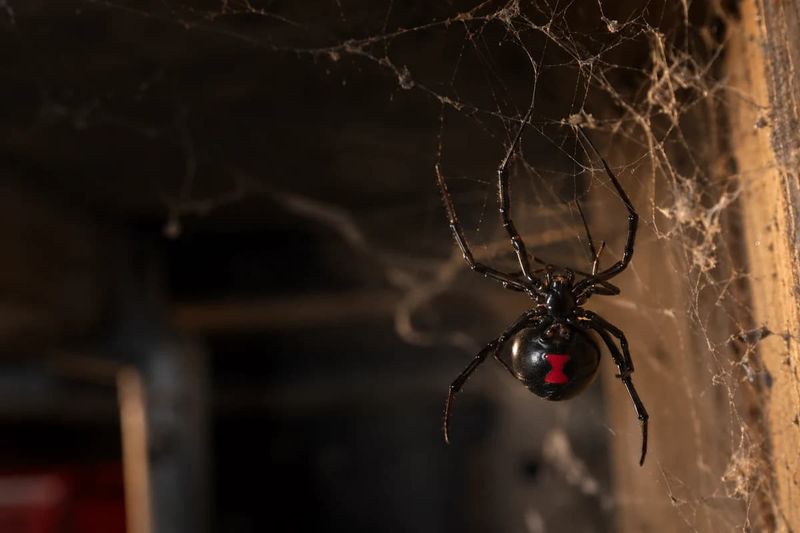
Shiny, black, and marked with a red hourglass, the black widow is the celebrity of scary spiders. Wisconsin’s version is usually the northern black widow, whose red hourglass is often split into two separate spots.

Check woodpiles, stone walls, garden sheds, and the undersides of outdoor furniture. Their webs look messy and tangled, and the spider often hangs upside down in the middle.

One sting from a worker bee delivers a small dose, and for people with allergies, that can be serious.

Only females have strong venom, and a bite can cause muscle cramps, sweating, and stomach pain. Wear gloves when moving firewood, and get medical help if you are bitten.

4. Yellow Jacket
Yellow Jacket
© The Old Farmer’s Almanac

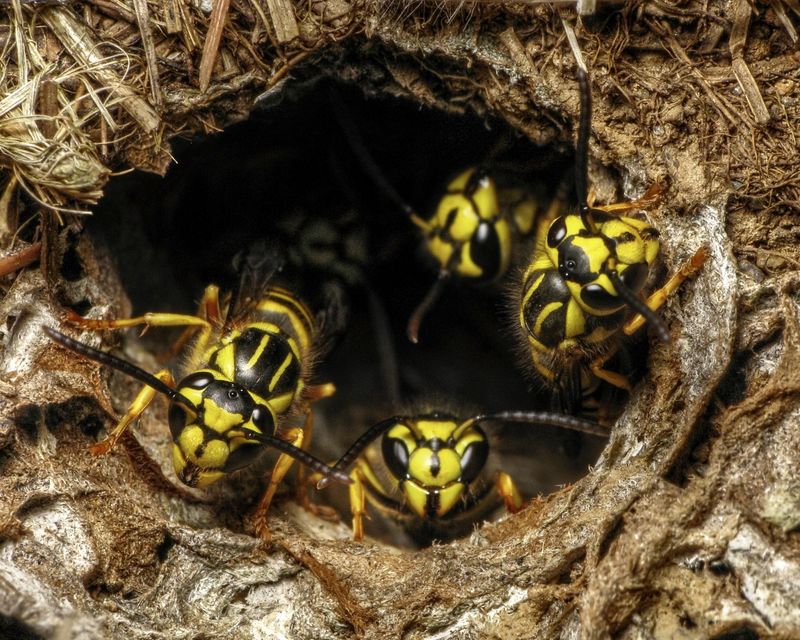
Ever had a picnic crashed by an uninvited guest? By late August, yellow jackets turn into bold little party crashers, buzzing around soda cans, brats, and fruit.

They are smaller than honeybees, with smooth, shiny bodies and bright yellow and black bands. Many Wisconsin colonies nest underground, so a hole in the lawn with steady traffic is a warning sign.

Unlike honeybees, yellow jackets can sting again and again. Cover drinks, keep trash cans sealed, and mow carefully around suspected nests.

5. Bald-Faced Hornet
Bald-Faced Hornet
© Eliza Howell Nature Walks – WordPress.com

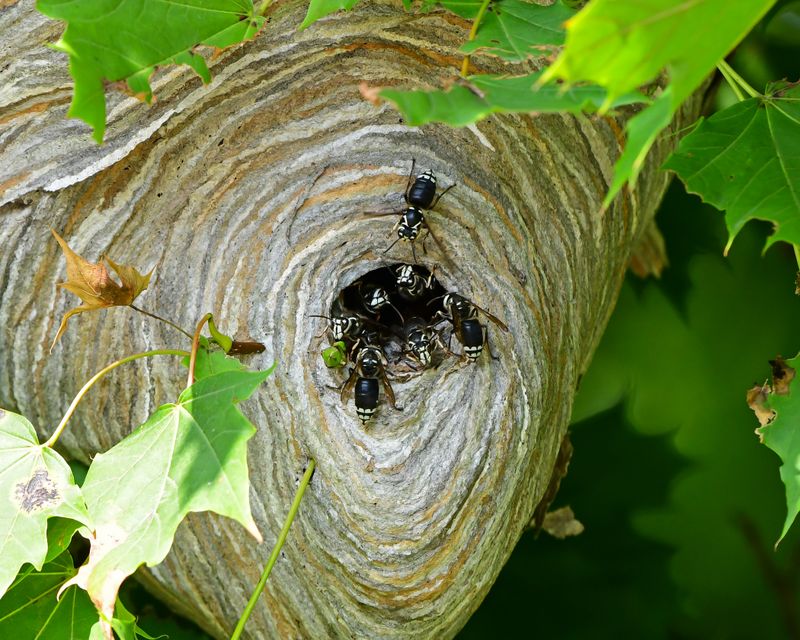
That huge gray paper ball hanging in your maple tree is not a decoration. It belongs to the bald-faced hornet, a black-and-white insect that guards its home like a tiny security team.

Look for a mostly black body with ivory-white markings on the face and tail end. Nests can grow bigger than a basketball by late summer and usually hang from branches, eaves, or shrubs.

Bump a nest with a lawnmower or ladder and dozens may pour out. If the nest is far from foot traffic, the safest plan is often to wait for frost, when the colony dies off.

6. Paper Wasp
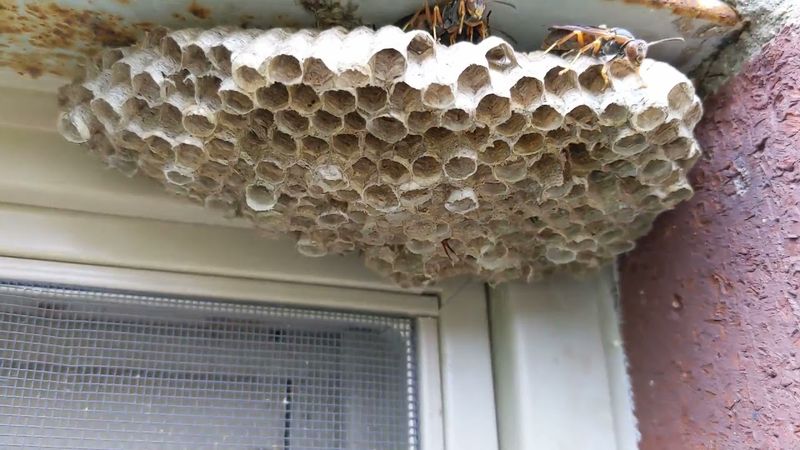
Paper Wasp
© Bug News

Under the porch roof, a small upside-down umbrella of cells may be growing quietly. Paper wasps build these open nests, and you can actually see the honeycomb from below.

The insects are slender, with long legs that dangle when they fly. Colors range from brown with yellow bands to reddish tones, depending on the species.

Here is a fun twist: paper wasps are great garden helpers, eating caterpillars that chew on your plants. They are fairly calm unless the nest is disturbed, so leave out-of-the-way nests alone when you can.

7. Honeybee
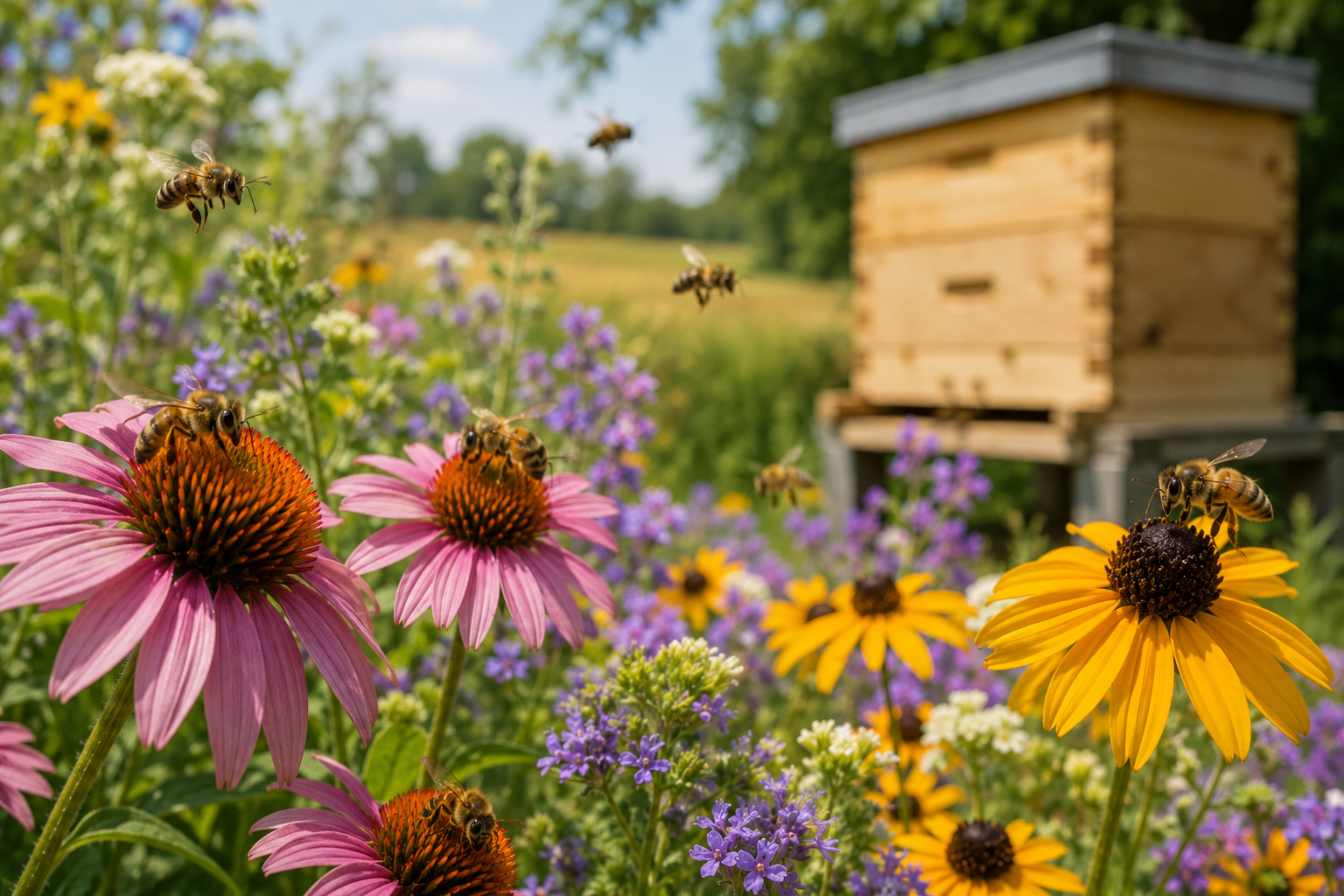
Honeybee
© Erdye’s Pest Control

Honeybees probably don’t feel scary, but they do carry venom. One sting from a worker bee delivers a small dose, and for people with allergies, that can be serious.

Fuzzy and golden-brown, they have darker bands and often carry yellow pollen on their back legs. You will find them visiting clover, coneflowers, and fruit trees across Wisconsin.

A honeybee can sting only once because its barbed stinger stays in your skin. Scrape it out quickly with a fingernail or card, and wear shoes when walking through clover.

8. Bumblebee
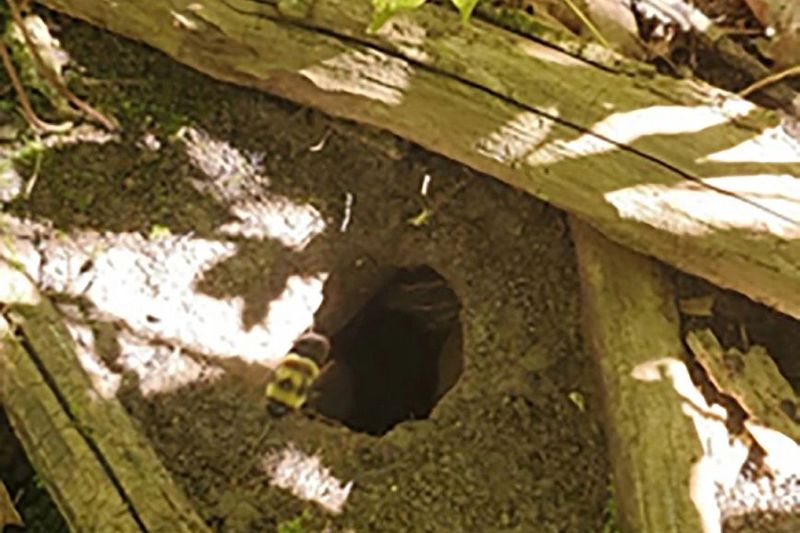
Bumblebee
© Wisconsin DNR

Round, fuzzy, and slow-moving, the bumblebee looks like a flying teddy bear. Wisconsin has around 20 species, including the endangered rusty patched bumblebee.

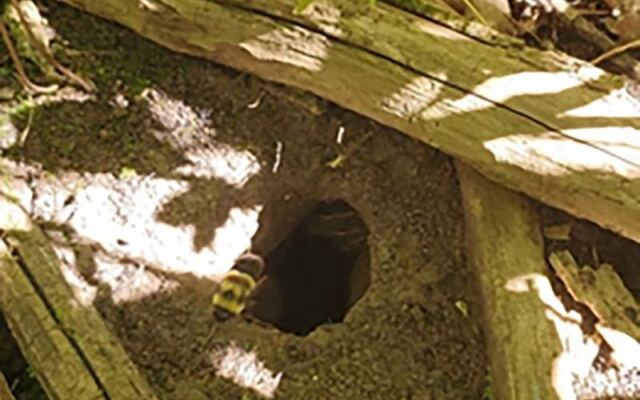
Bumblebees are bigger and hairier than honeybees, with thick bands of black and yellow. Some nest in old mouse holes, under decks, or in thick grass.

They rarely sting unless squished or their nest is threatened, but they can sting more than once. Give them space, and enjoy watching them work your flower beds.

9. Brown Recluse Look-Alikes and Yellow Sac Spider
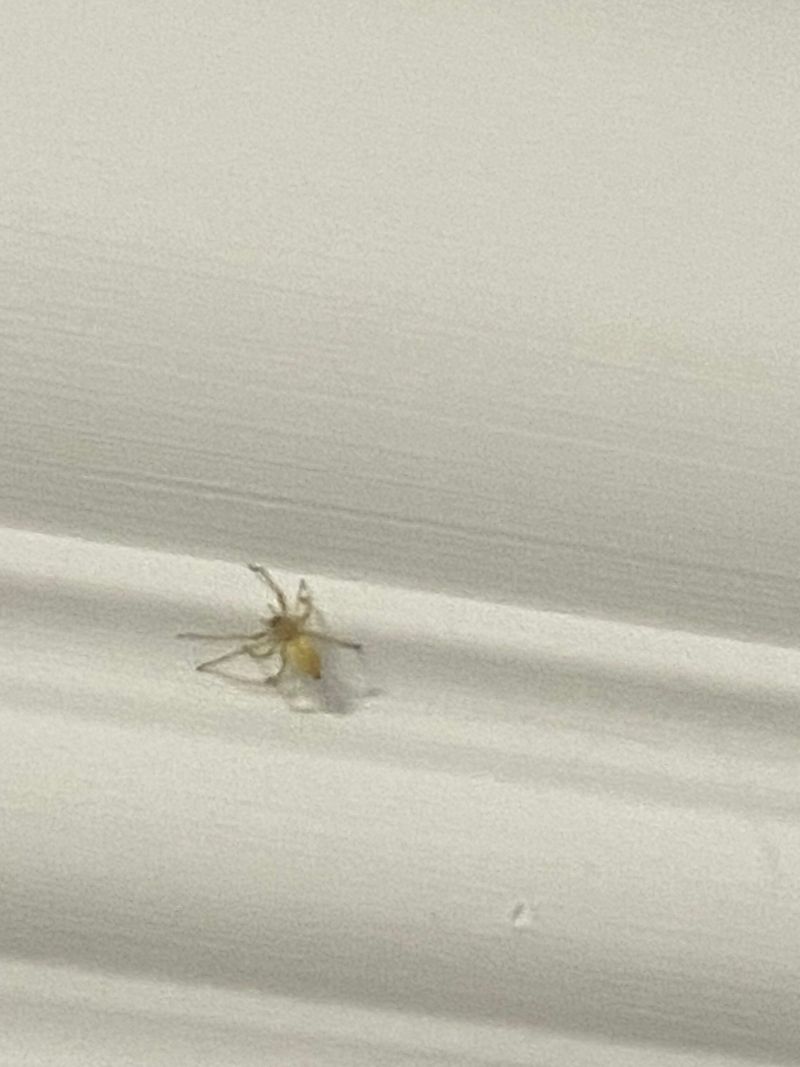
Brown Recluse Look-Alikes and Yellow Sac Spider
© Spider ID

Wisconsinites often worry about brown recluses, but those spiders are very rare here. A more likely biter is the yellow sac spider, a small, pale creature that wanders at night.

It has a cream or pale yellow body, dark tips on its jaws, and no web to speak of. During the day it hides in a tiny silk sac in corners, garden plants, or folded clothes.

Bites can cause a red, itchy, sometimes blistering spot. Shake out gardening gloves and shoes left outside, and clean any bite with soap and water.

10. Saddleback Caterpillar
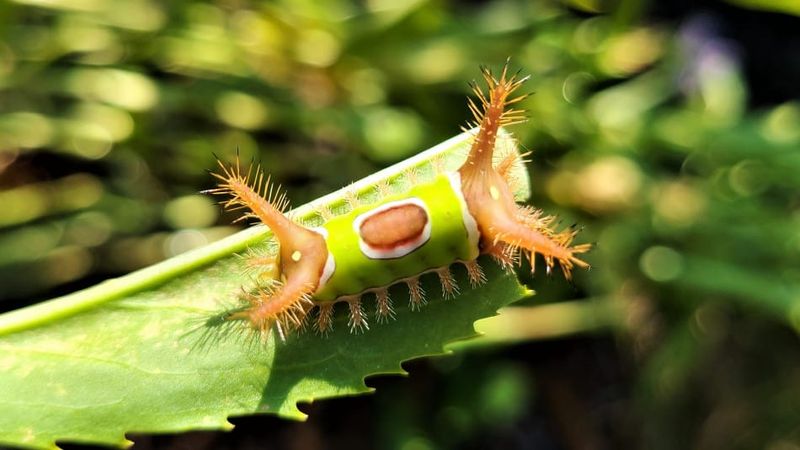
Saddleback Caterpillar
© GrowIt BuildIT

Caterpillars can be venomous too, and this one dresses for the part. The saddleback caterpillar wears a bright green patch with a brown spot, like a tiny saddle on a horse.

Spiny horns stick out from both ends, and each spine is hollow and filled with venom. It shows up on shrubs, corn, and garden plants, mostly in southern Wisconsin during late summer.

Brushing against one feels like a burning sting and can leave a red, swollen welt. Teach kids to look but never touch, and press tape on the skin to pull out any spines.

Share this story

HB

Written by

Heidi Brandt

More from Heidi Brandt →

About Gardening Latest

Gardening Latest provides in-depth guides to maintaining and enhancing your garden and backyard. Learn how to make the most of the space you have and create a beautiful garden.

More about us →

Latest stories

  • Wisconsin GardeningWhat Happens To Your Body When You Eat Celery Every Day In Wisconsin

    What Happens To Your Body When You Eat Celery Every Day In Wisconsin

    10 hr ago
  • Iowa GardeningIowa Yards Hide These Venomous Creatures, And Here’s How To Tell Each One Apart

    Iowa Yards Hide These Venomous Creatures, And Here’s How To Tell Each One Apart

    10 hr ago
  • Massachusetts GardeningWhat Does a Dead Mouse on a Massachusetts Doorstep After Frost Really Tell You?

    What Does a Dead Mouse on a Massachusetts Doorstep After Frost Really Tell You?

    11 hr ago
  • Delaware GardeningProtecting Delaware Bigleaf Hydrangeas From Winter Cold: When a Leaf-Filled Cage Can Help Save Next Summer’s Blooms

    Protecting Delaware Bigleaf Hydrangeas From Winter Cold: When a Leaf-Filled Cage Can Help Save Next Summer’s Blooms

    11 hr ago
  • Kentucky Gardening7 Harmless Kentucky Critters That Send People Running Because They Look Venomous

    7 Harmless Kentucky Critters That Send People Running Because They Look Venomous

    11 hr ago

Gardening by state

Stories for your state, and the hardiness zone most of it gardens in.

Keep exploring

Read next

All Wisconsin Gardening →
Wisconsin GardeningWhat Happens To Your Body When You Eat Celery Every Day In Wisconsin
Wisconsin Gardening

What Happens To Your Body When You Eat Celery Every Day In Wisconsin

10 hr ago
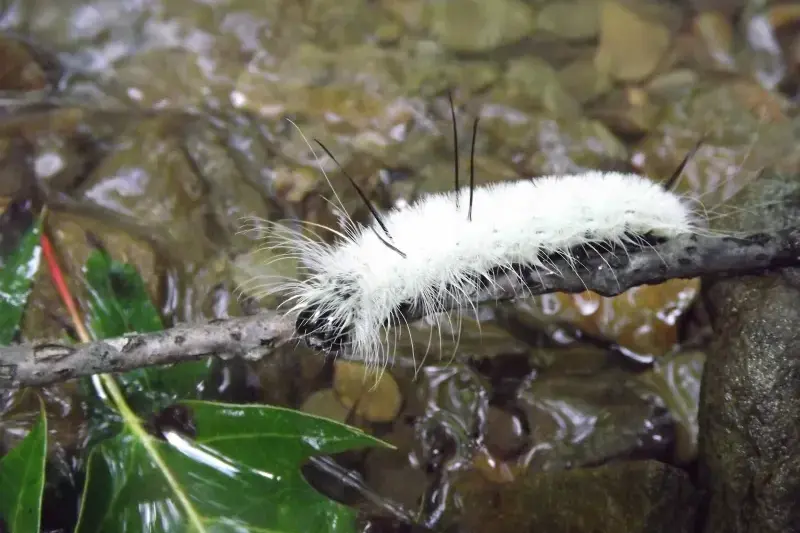
Wisconsin GardeningTouched a Hickory Tussock Caterpillar in Your Wisconsin Garden? Here’s What to Do
Wisconsin Gardening

Touched a Hickory Tussock Caterpillar in Your Wisconsin Garden? Here’s What to Do

19 hr ago
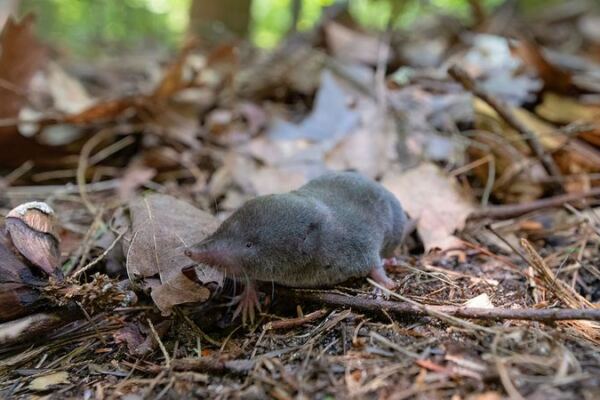
Wisconsin GardeningWisconsin Yards May Host a Venomous Mammal That Averages Under an Ounce
Wisconsin Gardening

Wisconsin Yards May Host a Venomous Mammal That Averages Under an Ounce

Yesterday

More from Wisconsin Gardening

  • Protecting Delaware Bigleaf Hydrangeas From Winter Cold: When a Leaf-Filled Cage Can Help Save Next Summer’s Blooms

    11 hr ago
  • 7 Harmless Kentucky Critters That Send People Running Because They Look Venomous

    11 hr ago
Back to top

Leave a response Cancel

Your email address stays private. Required fields are marked with an asterisk.

Gardening Latest

In-depth guides to maintaining and enhancing your garden and backyard: how to make the most of the space you have, and how to make it beautiful.

  • Facebook
  • X
  • Pinterest
  • YouTube

We may earn a portion of sales from products or services that are purchased through our site as part of our affiliate partnerships with retailers.

Explore

  • About GardeningLatest.com
  • Contact Us
  • Terms and Conditions
  • Privacy
  • Editorial Note:
  • FTC Disclosure

Newsletter

New garden guides and seasonal tips, straight to your inbox.

We’ll email you a link to confirm. Unsubscribe any time.

Almost there! Check your inbox and tap the link to confirm.

© 2026 Gardening Latest. All rights reserved.

Back to top