You might think anything edible is fair game for your backyard garden, but New York has a few surprises waiting in the rulebook. Some plants that produce tasty berries, greens, or seeds are banned because they spread like wildfire and choke out native forests.
Others are restricted by federal drug laws or strict state limits. Before you plant your next batch of seeds, here are the foods that could land a New York gardener in hot water.
1. Opium Poppies
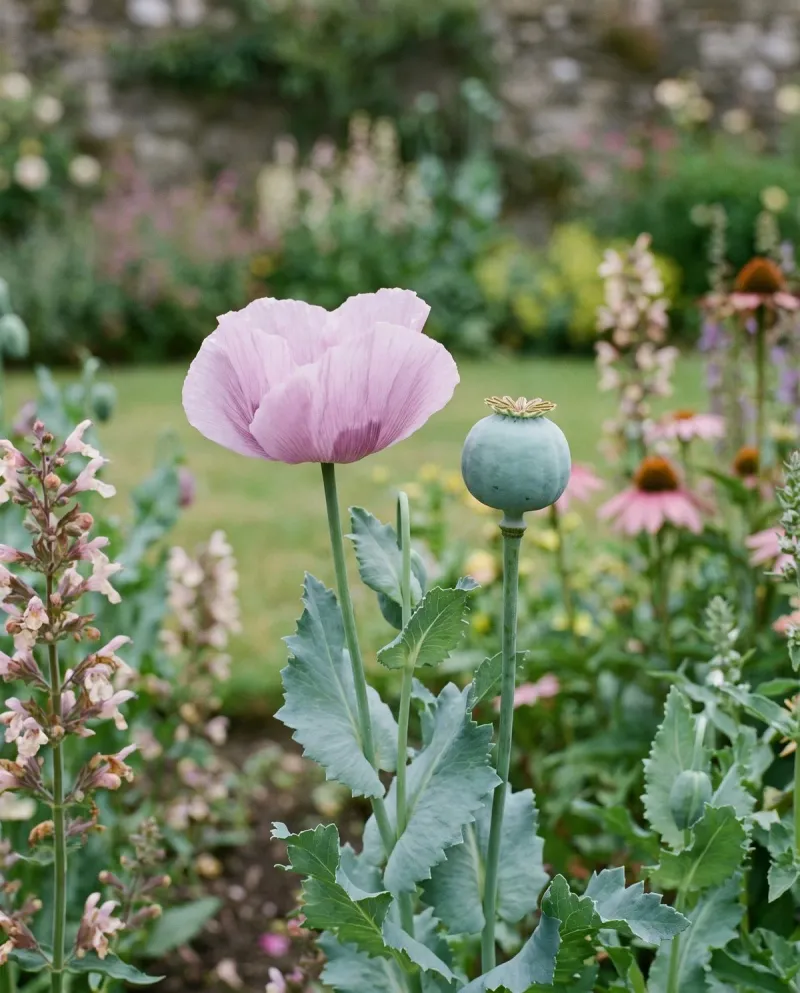
That everything bagel on your breakfast plate has a secret. The tiny black seeds sprinkled on top come from Papaver somniferum, the opium poppy, and growing the plant itself can break federal law.
Buying poppy seeds at the grocery store is perfectly legal. The trouble starts when those seeds turn into flowering plants, because the federal Controlled Substances Act treats opium poppies as a source of narcotics.
New York follows those same federal rules, so a backyard patch is technically off limits.
Plenty of gardeners grow them anyway, and arrests over a few ornamental flowers are rare. Still, scoring or harvesting the pods can quickly turn a pretty garden into a serious legal problem.
If you love the look, consider corn poppies or California poppies instead, which offer bright color without any legal baggage.
2. Cannabis Beyond the Legal Limit
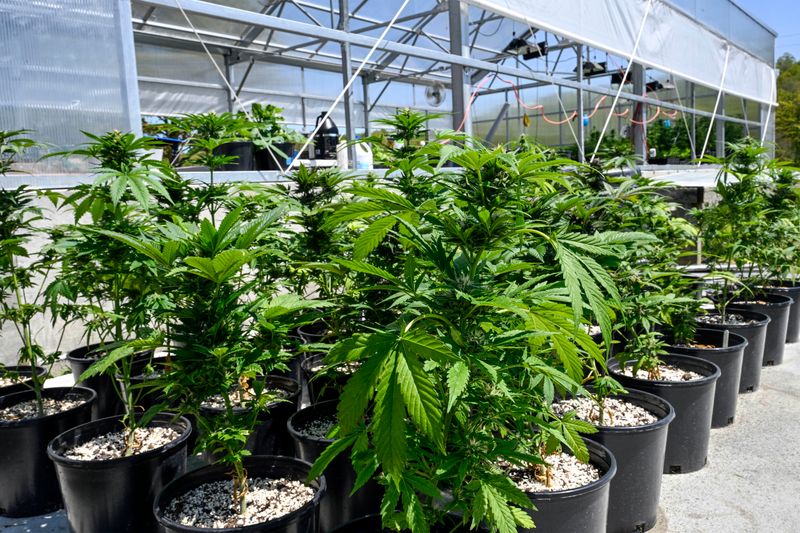
Six plants. That is the magic number most New York adults need to remember if they want to grow cannabis at home.
Under state rules that took effect in 2024, adults 21 and older can grow up to three mature and three immature plants for personal use. A household caps out at twelve plants total, no matter how many adults live there.
The plants also need to be kept out of public view and away from anyone under 21.
Go over those numbers and your legal hobby becomes an unlicensed grow, which can bring fines or worse. Landlords can also ban growing on rental property, so tenants should check their lease first.
Edibles made from homegrown flower are popular, but the plant count rule is where many people slip up without realizing it.
3. Wineberry
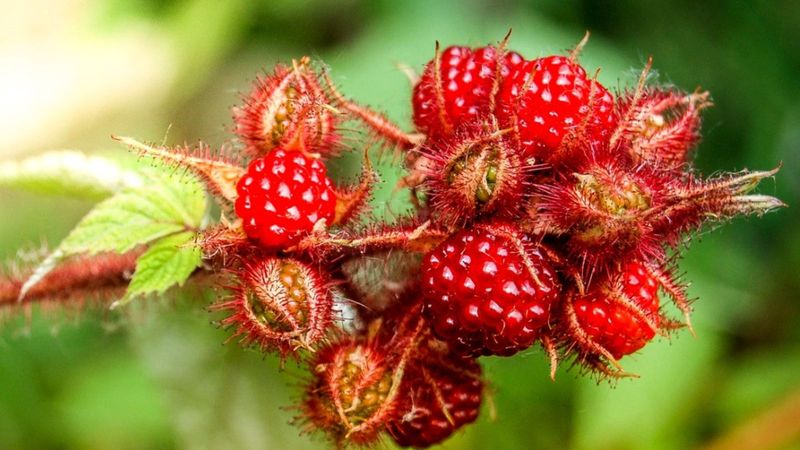
Picture a raspberry that tastes a little tarter, glows ruby red, and grows on fuzzy crimson stems. Hikers across the Hudson Valley adore wineberries, and many foragers fill buckets every July.
Here is the catch. Rubus phoenicolasius is on New York’s prohibited invasive species list, which means you cannot sell, buy, transport, or intentionally plant it.
The plant came from Asia in the 1890s as breeding stock for raspberries, then escaped into the wild.
Wineberry forms thick thickets that crowd out native plants in forest edges. Picking wild berries is generally fine, and nobody will fault you for snacking.
Just do not dig up a cane and plant it by your patio, because that counts as introducing a banned species.
4. Autumn Olive
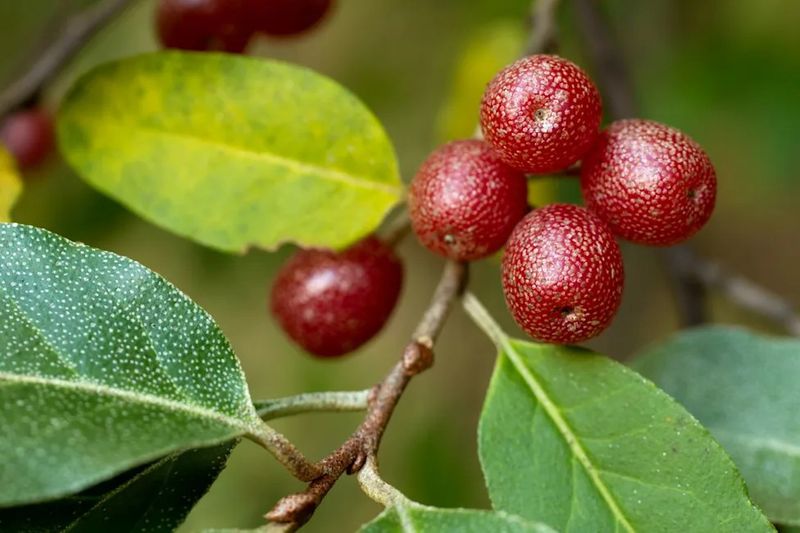
Back in the mid-1900s, government agencies actually handed out autumn olive shrubs to landowners. The idea was to feed wildlife and stop soil erosion along highways.
That plan backfired. Birds spread the seeds everywhere, and Elaeagnus umbellata now blankets fields and roadsides across the state.
New York added it to the prohibited list, so planting one in your yard is no longer allowed.
The irony is that the speckled red berries are genuinely delicious. They taste sweet and tangy, a bit like a tart cherry, and they are loaded with lycopene, even more than tomatoes.
Foragers turn them into jam and fruit leather. Harvest from wild bushes all you like, but leave the nursery planting to history.
5. Japanese Knotweed
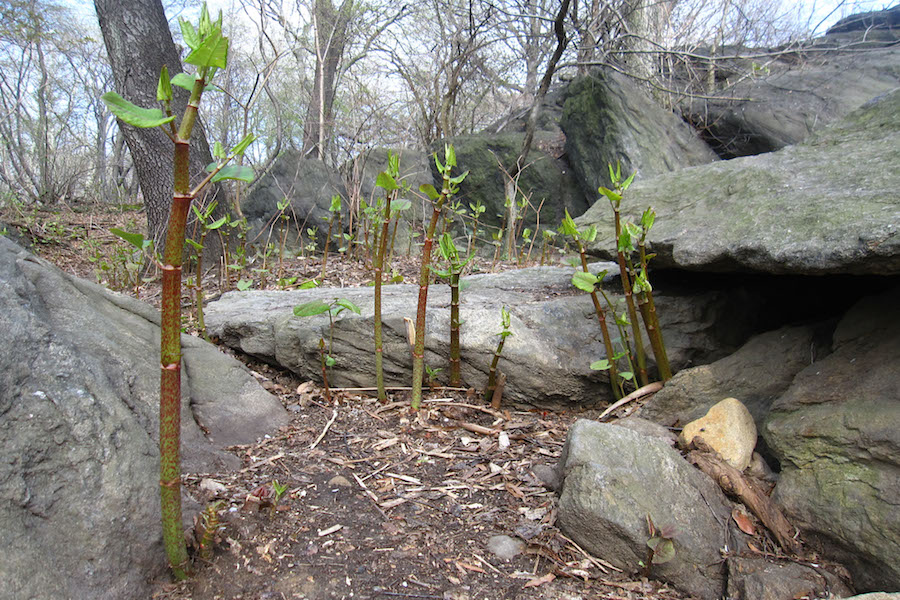
Ask any landscaper about their worst nightmare and you might hear two words: Japanese knotweed. Its roots can push through concrete foundations and stretch nearly ten feet down.
Surprisingly, the young spring shoots are edible. They have a sour, lemony crunch similar to rhubarb, and adventurous cooks bake them into pies or pickle them.
Some people even buy supplements made from its roots, which are rich in resveratrol.
None of that changes the law. Reynoutria japonica sits on New York’s prohibited list, and planting it on purpose is illegal.
Even a tiny fragment of stem can sprout a new colony, so foragers are urged to bag scraps carefully rather than toss them in compost. Enjoy the tart shoots from wild patches, but never invite this bully into your yard.
6. Garlic Mustard
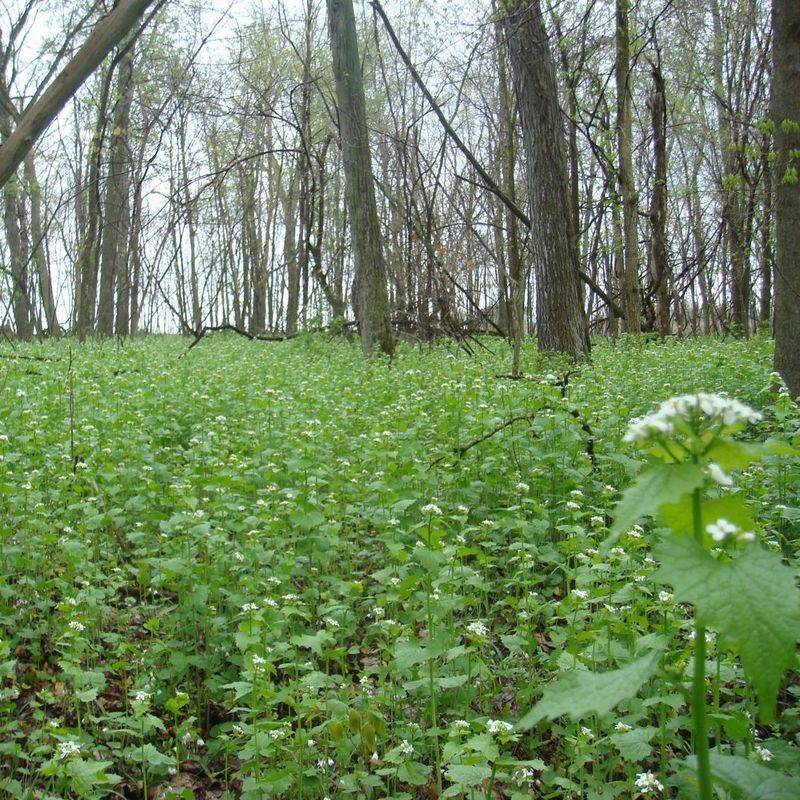
Crush a leaf between your fingers and the smell gives it away instantly. Garlic mustard really does taste like a mix of garlic and spicy greens.
European settlers brought it over as a kitchen herb. Today it covers shady forest floors from Long Island to Buffalo, releasing chemicals that harm the soil fungi native trees depend on.
That damage earned Alliaria petiolata a spot on the state’s banned list.
Many nature groups actually encourage you to eat it. Pulling garlic mustard and blending it into pesto is a tasty way to help local woods.
What you cannot do is sow seeds or move plants into a garden bed. Think of it as a weed you can snack on, not a crop you can grow.
7. Kudzu
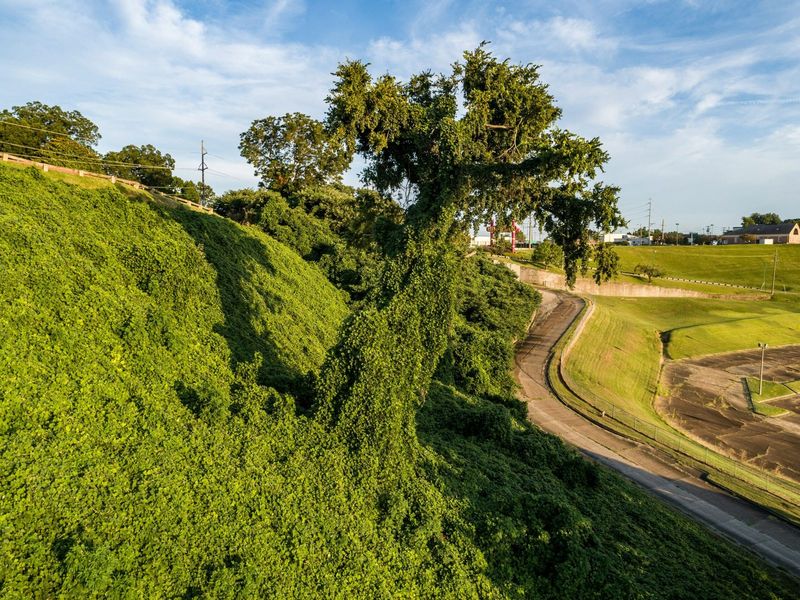
Nicknamed the vine that ate the South, kudzu can grow a foot a day in hot weather. It has been creeping north, and patches now exist in parts of New York.
Few people realize how edible it is. The young leaves can be cooked like spinach, the purple flowers make a grape-scented jelly, and the starchy roots are used in Japanese cooking as a thickener called kuzu.
It is practically a full pantry on one vine.
Even so, Pueraria montana is prohibited statewide. A single plant can swallow fences, sheds, and trees within a few seasons, and removing it takes years of effort.
Buy kuzu powder at an Asian grocery store instead. Your neighbors and the local forests will thank you.
8. Water Chestnut
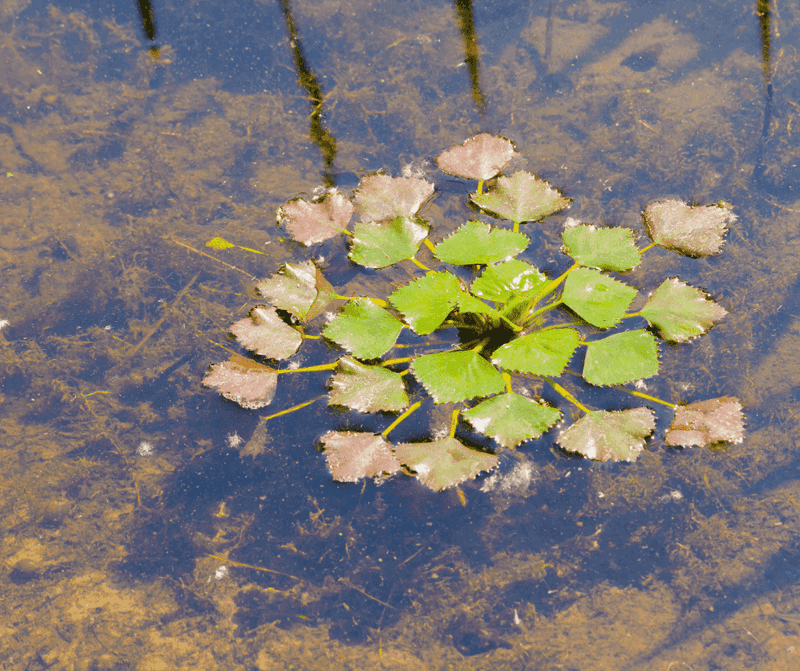
Hold on before you picture the crunchy slices in your stir fry. The banned plant here is Trapa natans, the European water chestnut, not the Chinese variety sold in cans.
Its spiky seeds have been eaten in Europe and Asia for centuries, roasted or boiled like a starchy nut. In New York, though, it has turned into a disaster for lakes and rivers, including stretches of the Hudson and Lake Champlain.
The floating leaves form mats so thick that boats get stuck and fish lose oxygen.
Planting it in a backyard pond is prohibited under state law. Those sharp seeds can also pierce shoes, so it is rough on swimmers too.
Volunteers spend summers hand-pulling it, which tells you how hard it is to stop once it takes hold.
9. Japanese Barberry
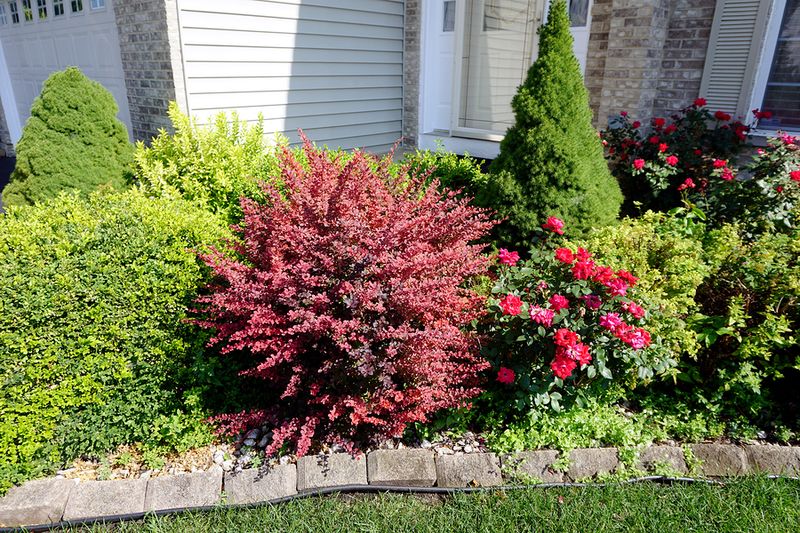
Walk through almost any older suburb and you will spot it: a thorny little hedge with red berries hanging on through winter. Japanese barberry was once a landscaping favorite.
The berries are edible, though quite sour, and related barberries are a star ingredient in Persian rice dishes. Yet Berberis thunbergii is now on New York’s prohibited list.
Studies have also linked dense barberry thickets to more ticks, since the shrubs create humid hiding spots for mice and deer ticks.
Existing hedges are not illegal to own, but planting new ones is not allowed. If you want that tangy berry flavor, look for dried Persian zereshk at a specialty market.
You will get the taste without the thorns or the Lyme disease risk.
10. Black Currants
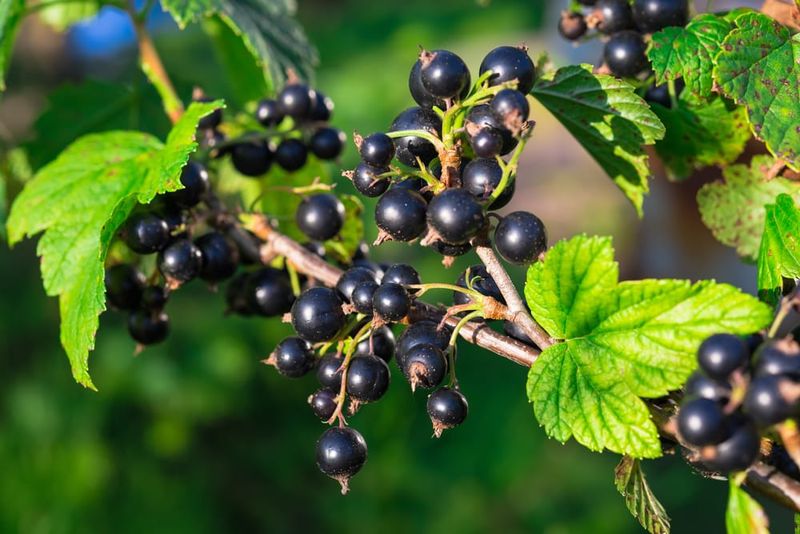
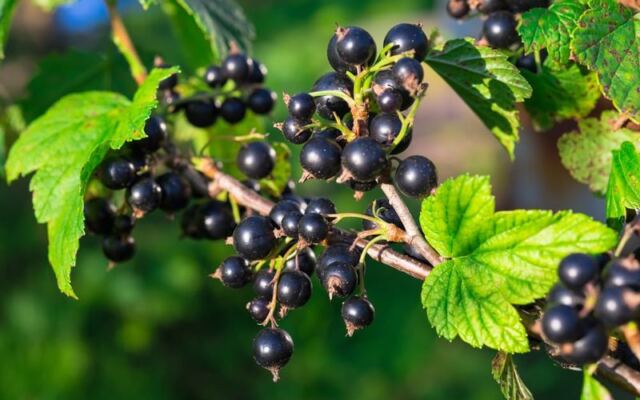
For nearly a hundred years, growing black currants in New York could get you in trouble. Few fruits have a stranger legal history.
In the early 1900s, foresters discovered that currants carried white pine blister rust, a fungus that killed valuable white pine trees. Federal and state bans followed, and an entire generation of Americans grew up never tasting the berry that Europeans put in jams, juices, and cordials.
New York lifted its statewide ban in 2003, thanks largely to a Hudson Valley farmer who pushed for change. Still, rules have not vanished everywhere.
Some towns near protected pine forests and certain neighboring states keep restrictions, and growers are encouraged to choose rust-resistant varieties. Check with your local extension office before planting, since this once forbidden fruit still comes with a little fine print.
Share this story