Get the latest garden guides in your inbox →
Gardening Latest
  • General Gardening
  • Lawn Care
  • Plant Care
  • Composting
  • Soil Health
  • Backyard
  • Garden Muse Magazine
  • General Gardening
  • Lawn Care
  • Plant Care
  • Composting
  • Soil Health
  • Backyard
  • Garden Muse Magazine
  • News
  • Gardening Calendar
  • Garden Structures
  • Vegetable Garden
  • Vertical Garden
  • Raised Beds
  • Hydroponics
  • General Equipment
  • Community Gardens
Garden Themes
  • Spiritual Garden
  • Hydroseeding
  • Seeding and Laying Sod
  • Artificial Grass
  • Lawn Care Equipment
  • Plants
  • Trees
  • Planting Tools
  • Composting Basics
  • Fertilizer
  • Alternative Growing Mediums
  • Front Yard
  • Backyard Activities
  • Landscaping
Gardening Latest

Explore by state

Which state is your garden in?

Currently viewing Kentucky

All states

Northeast

  • Connecticut —
  • Delaware 8
  • Maine —
  • Maryland 3
  • Massachusetts 10
  • New Hampshire —
  • New Jersey 3
  • New York 4
  • Pennsylvania 4
  • Rhode Island —
  • Vermont —

Southeast

  • Alabama 3
  • Arkansas —
  • Florida 3
  • Georgia 3
  • Kentucky 9
  • Louisiana 2
  • Mississippi —
  • North Carolina 1
  • South Carolina 8
  • Tennessee —
  • Virginia 2
  • West Virginia —

Midwest

  • Illinois 2
  • Indiana 4
  • Iowa 7
  • Kansas —
  • Michigan 3
  • Minnesota 2
  • Missouri 2
  • Nebraska —
  • North Dakota —
  • Ohio 3
  • South Dakota —
  • Wisconsin 8

Southwest

  • Arizona 3
  • Colorado —
  • Nevada —
  • New Mexico —
  • Oklahoma —
  • Texas 2
  • Utah —

West

  • Alaska —
  • California 3
  • Hawaii —
  • Idaho —
  • Montana —
  • Oregon —
  • Washington —
  • Wyoming —

No state matches that search.

Site menu

Gardening Latest
  • General Gardening
    • News
    • Gardening Calendar
    • Garden Structures
    • Vegetable Garden
    • Vertical Garden
    • Raised Beds
    • Hydroponics
    • General Equipment
    • Community Gardens
    Garden Themes
    • Spiritual Garden
  • Lawn Care
    • Hydroseeding
    • Seeding and Laying Sod
    • Artificial Grass
    • Lawn Care Equipment
  • Plant Care
    • Plants
    • Trees
    • Planting Tools
  • Composting
    • Composting Basics
  • Soil Health
    • Fertilizer
    • Alternative Growing Mediums
  • Backyard
    • Front Yard
    • Backyard Activities
    • Landscaping
  • Garden Muse Magazine

Explore

  • About GardeningLatest.com
  • Contact Us

Get the latest from the garden

New guides on lawn care, plants and backyard projects, sent when they go up.

Subscribe →

Follow

  • Facebook
  • X
  • Pinterest
  • YouTube
Kentucky Gardening

Kentucky Yards Hide These Venomous Creatures, And Here’s How To Tell Each One Apart

Your backyard in Kentucky might feel peaceful, but a few of its smallest and quietest residents pack a painful bite…

HC

By Hattie Combs

November 18, 2026 · 6 min read

Kentucky Yards Hide These Venomous Creatures, And Here’s How To Tell Each One Apart

Your backyard in Kentucky might feel peaceful, but a few of its smallest and quietest residents pack a painful bite or sting. Some are harmless-looking spiders tucked under a woodpile, while others are snakes that blend right into fallen leaves.

Knowing which creature is which can help you stay calm, act fast, and avoid a trip to the doctor. Here are ten venomous neighbors you might meet, plus simple clues for telling them apart.

At a glance

Where
Kentucky Gardening
Hardiness zone
7 0 to 10°F
Read
6 minutes
Published
November 18, 2026

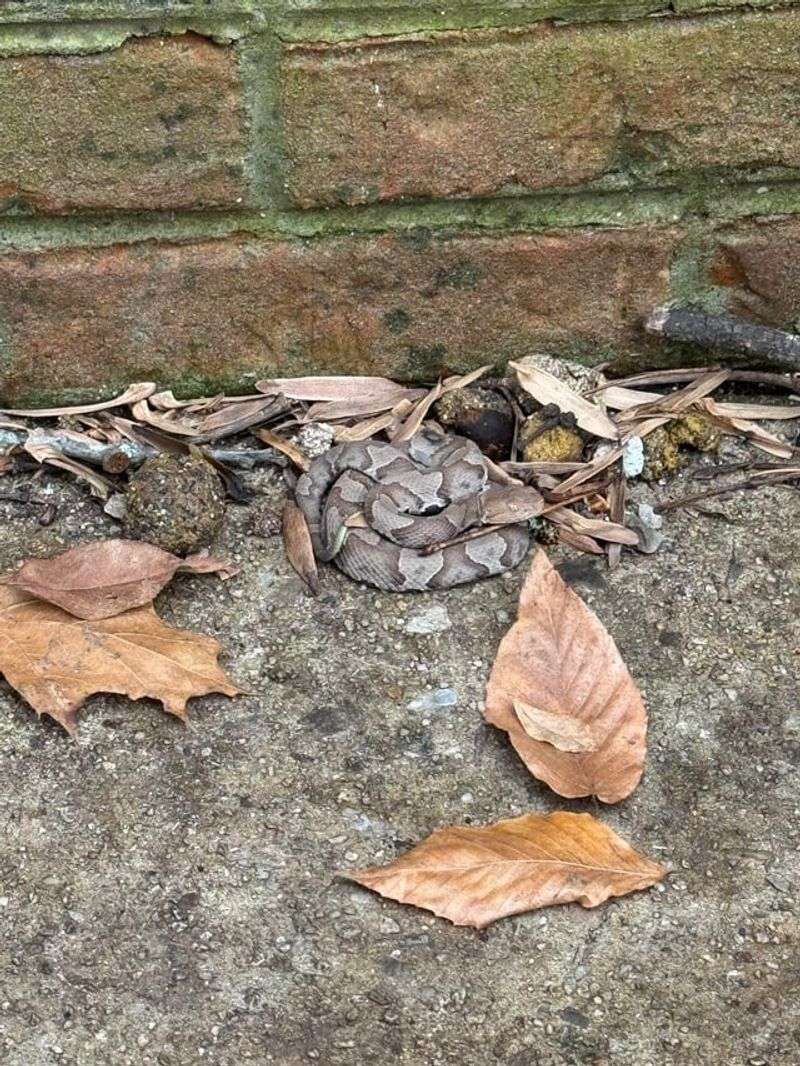
1. Copperhead

Copperhead
© Reddit

Picture a pile of dry oak leaves by your fence. Now picture a snake lying in it so perfectly that you could step right next to it and never notice.

That is the copperhead, Kentucky’s most common venomous snake.

Look for a coppery, tan body with darker bands shaped like hourglasses or Hershey’s Kisses when viewed from the side. The head is wide and triangular, and the pupils are vertical like a cat’s.

Young copperheads have a bright yellow tail tip they wiggle to lure frogs.

Bites are rarely deadly, but they hurt a lot and need medical care. Copperheads like mulch beds, rock walls, and woodpiles, so wear gloves and boots when doing yard work.

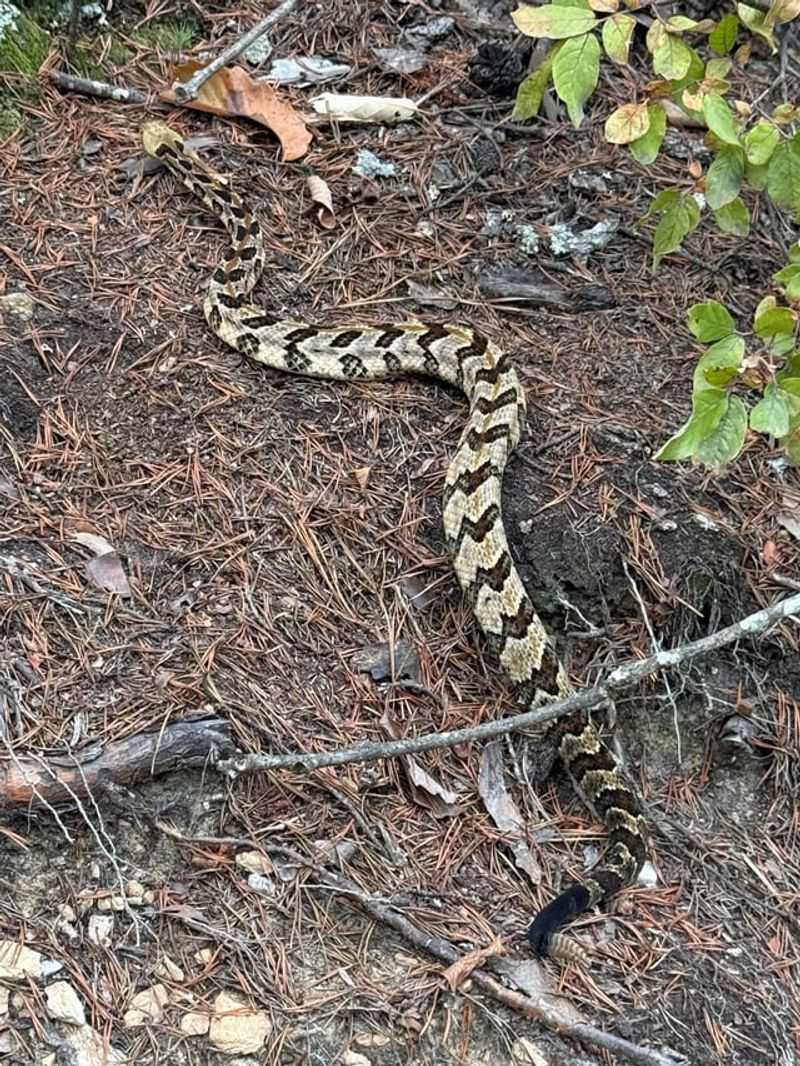
2. Timber Rattlesnake
Timber Rattlesnake

Few sounds stop a hiker faster than a dry, buzzing rattle. The timber rattlesnake is Kentucky’s largest venomous snake, sometimes stretching over four feet long.

Its body is yellow, tan, or almost black, crossed with dark zigzag bands called chevrons. The giveaway is a solid black tail ending in a rattle.

Many have a rusty stripe running down the back.

Timbers prefer rocky, forested hillsides, so homes near woods in eastern and southern Kentucky see them most. They are shy and often stay still to avoid trouble.

Give them plenty of room, and they will usually slip away on their own.

3. Cottonmouth
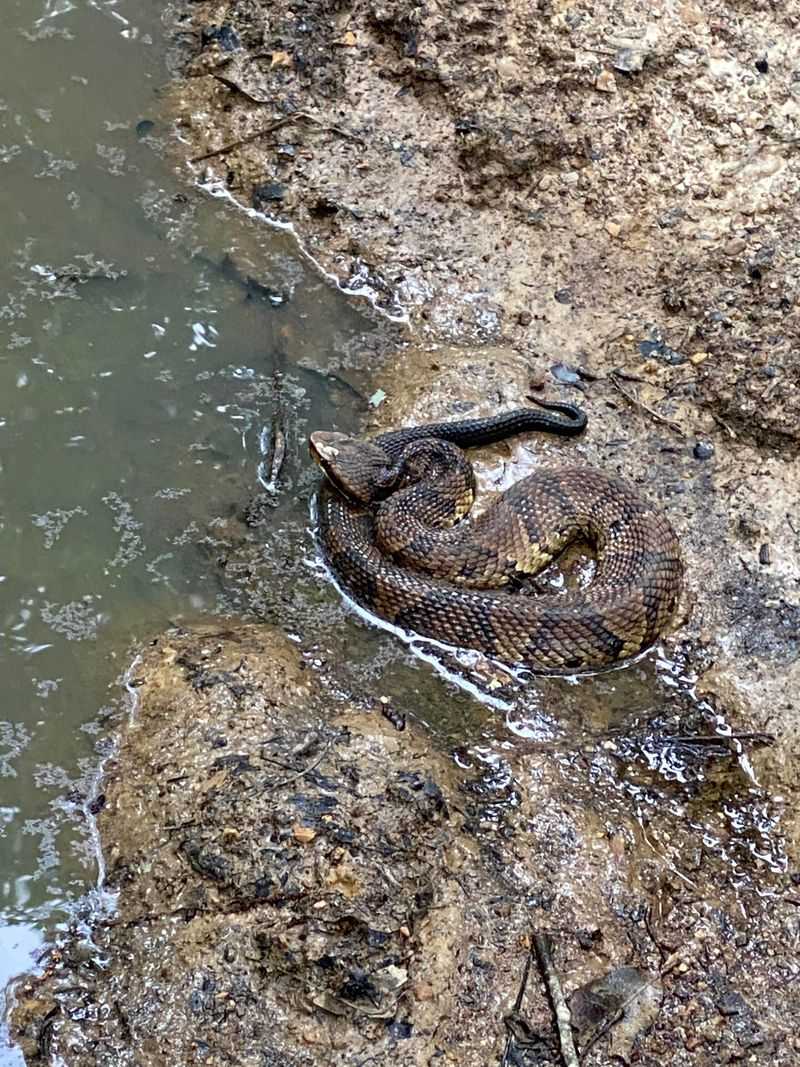
Cottonmouth

Here is a snake that likes to show off. When threatened, the cottonmouth opens its mouth wide to flash a bright white lining, which is how it earned its name.

Cottonmouths, also called water moccasins, live mainly in western Kentucky near swamps, ponds, and slow creeks. Adults are dark olive, brown, or nearly black with faded bands.

The saddleback caterpillar has a brown body with a bright green patch in the middle and a brown spot that looks like a saddle seat.

They have a thick body, a blocky head, and a dark stripe through each eye.

A handy clue is how they swim. Cottonmouths float high with their whole body on top of the water, while harmless water snakes mostly swim with just the head showing.

Lots of people confuse the two, so it helps to watch from a safe distance.

4. Pygmy Rattlesnake
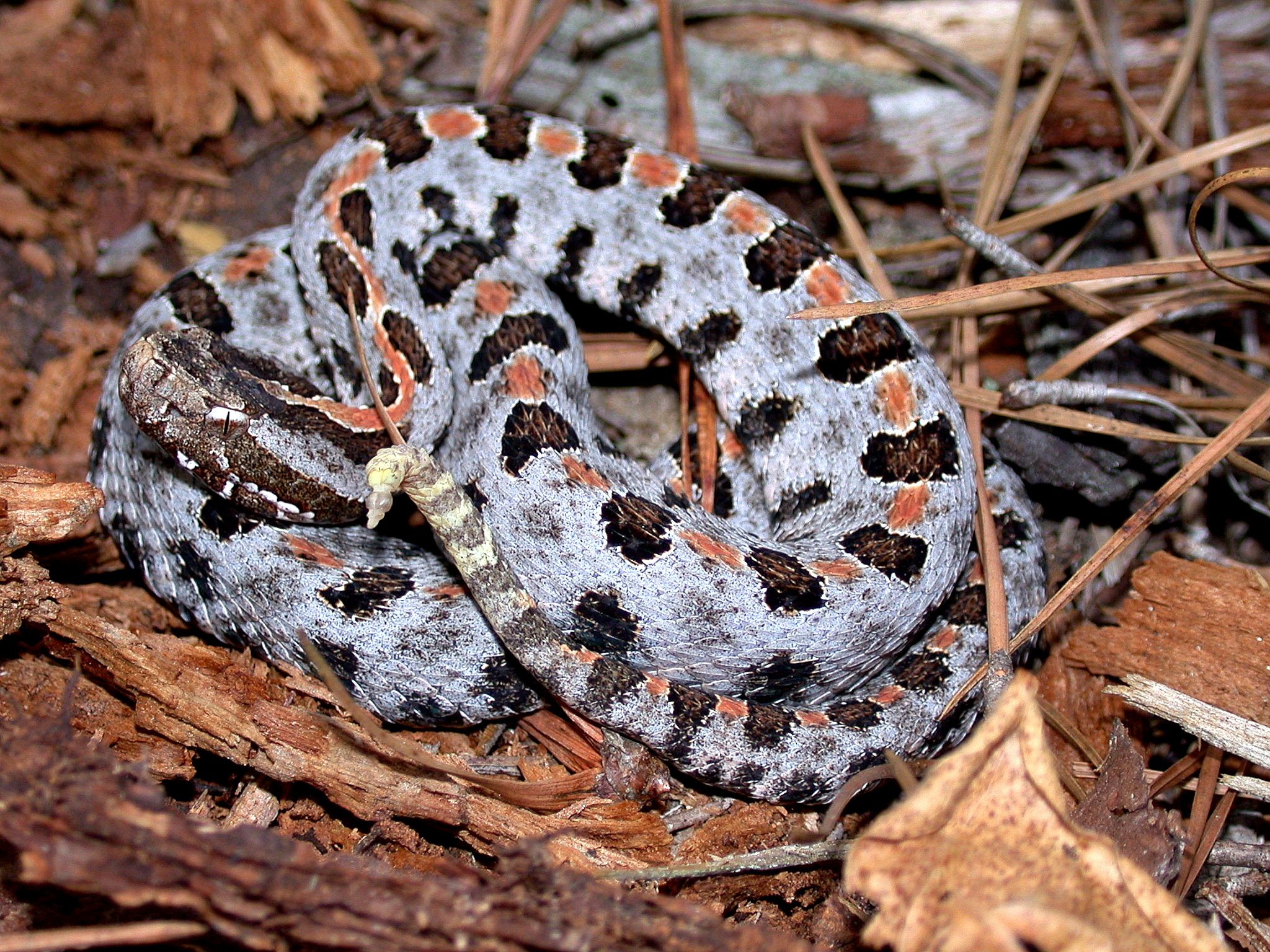
Pygmy Rattlesnake
© Wikipedia

Tiny but feisty, the western pygmy rattlesnake is the rarest venomous snake in the state. It usually measures under two feet, and its rattle is so small it sounds like a buzzing insect.

Spot it by its grayish body, rows of dark round blotches, and often a reddish-orange stripe down the middle of its back. It lives only in a few spots in far western Kentucky, near the Land Between the Lakes area.

Fun fact: because the rattle is so quiet, many people never hear a warning at all. Its bite is painful but seldom serious for adults.

Since it is considered threatened in Kentucky, admire it and leave it be.

5. Black Widow Spider
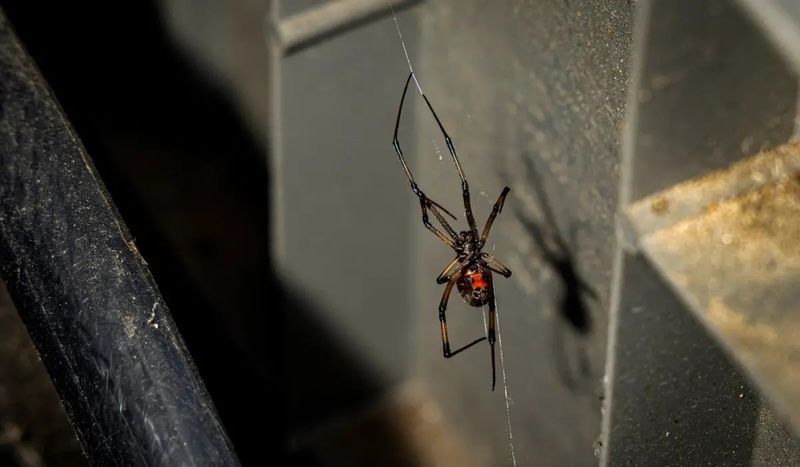
Black Widow Spider
© Rigo Pest Prevention

Ever reached under a flowerpot without looking? A black widow might be waiting there in a tangled, messy web.

Females are shiny, jet black, and round, with a red hourglass on the underside of the belly. Males are smaller, lighter, and much less of a concern.

Webs are irregular and strong, often in sheds, garages, and outdoor toilets.

Their venom affects nerves and can cause muscle cramps, sweating, and stomach pain. Bites are uncommon and rarely deadly, but children and older adults should get checked quickly.

Shake out gloves and boots that sit outside.

6. Brown Recluse Spider
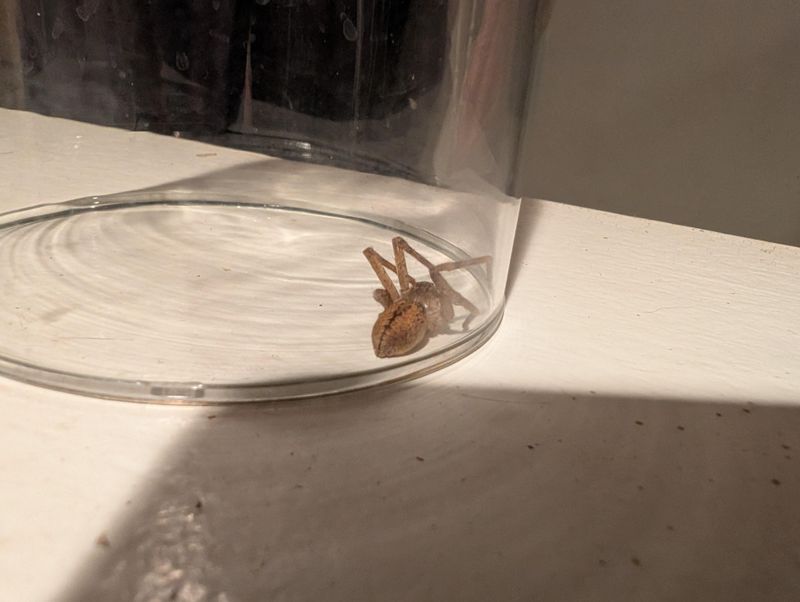
Brown Recluse Spider
© Reddit

Nicknamed the fiddleback, the brown recluse carries a dark violin-shaped mark on its back, with the neck of the violin pointing toward the rear.

It is light tan, about the size of a quarter with legs spread, and has six eyes in pairs instead of the usual eight. Spotting the eyes takes a magnifying glass, but it is the surest clue.

Kentucky sits right in the middle of its range.

True to its name, it hides in closets, attics, and boxes. Bites can cause a sore that slowly grows, so see a doctor if a wound gets worse.

Shaking out clothes and storing items in sealed bins helps a ton.

7. Saddleback Caterpillar
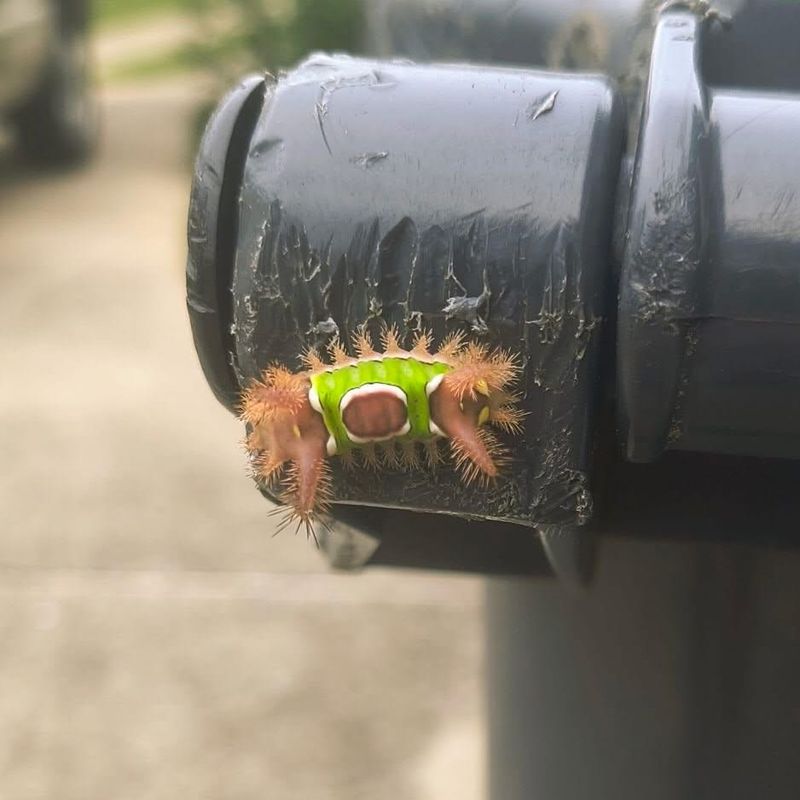
Saddleback Caterpillar
© spannwx

It looks like a cartoon wearing a tiny green saddle. Cute, right?

Not so fast.

The saddleback caterpillar has a brown body with a bright green patch in the middle and a brown spot that looks like a saddle seat. Fleshy horns covered in venomous spines stick out from both ends.

Brushing against one feels like a bee sting and can leave a red, itchy rash.

You will find them in late summer on corn, shrubs, and garden plants. If you get stung, press tape onto the skin to pull out spines, then wash the spot.

Teach kids to look and never touch.

8. Puss Caterpillar
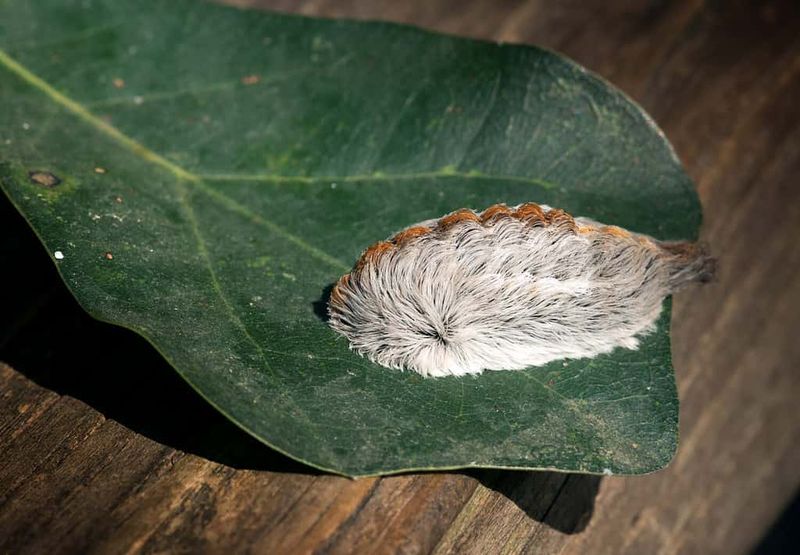
Puss Caterpillar
© A-Z Animals

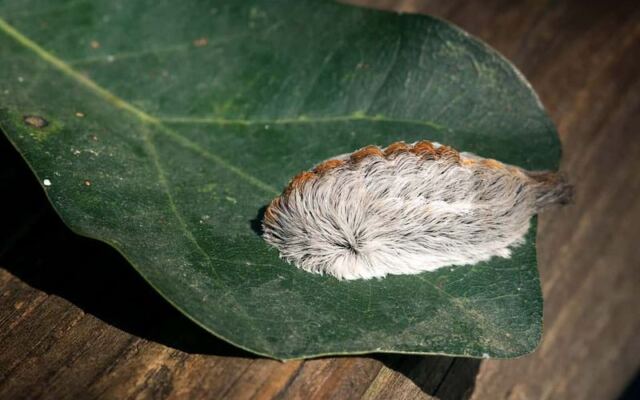
Soft, fluffy, and shaped like a tiny toupee, the puss caterpillar begs to be petted. Please resist the urge.

Hidden in that fuzzy coat are sharp spines that deliver one of the most painful stings of any caterpillar in North America. People describe throbbing pain that can spread up an arm, plus headaches or nausea.

Look for a teardrop-shaped tuft of tan, gray, or orange hair on oak, elm, and maple trees. They grow into the southern flannel moth.

A cold pack and a call to your doctor are smart moves after a sting.

9. Eastern Yellowjacket
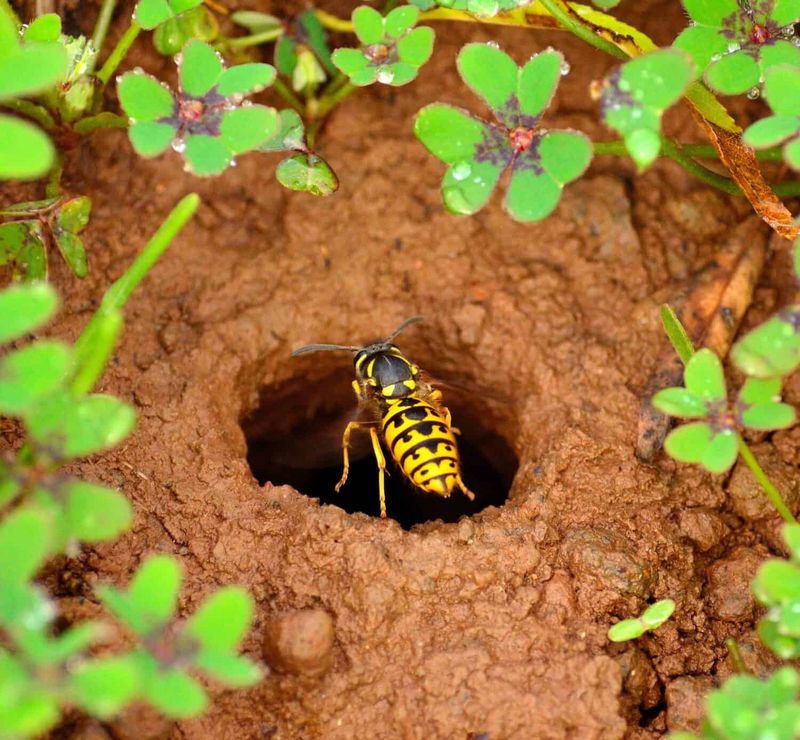
Eastern Yellowjacket

Mowing over a hole in the lawn can turn a calm Saturday into a sprint. Yellowjackets often nest underground, and they defend home with gusto.

Unlike fuzzy honeybees, yellowjackets are smooth and shiny with sharp black and yellow bands. They can sting again and again because their stingers do not get stuck.

Late summer is peak season, when colonies are largest and grumpiest.

Watch for insects flying in and out of a single hole in the ground. Cover sugary drinks at picnics, since they love sweets.

Anyone with swelling in the face or trouble breathing needs emergency help right away.

10. Red Velvet Ant
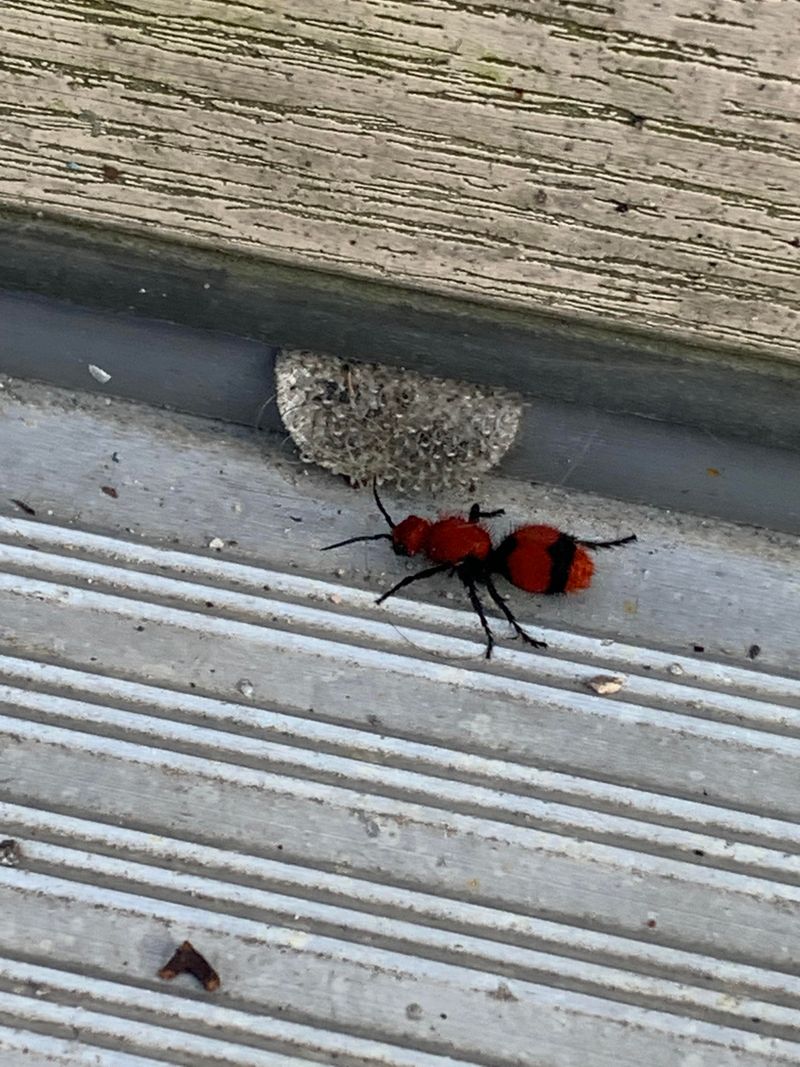
Red Velvet Ant
© Reddit

Nicknamed the cow killer, the red velvet ant is not an ant at all. It is a wingless female wasp with one of the strongest stings in the insect world.

Its fuzzy body is bright red and black, almost like a tiny stuffed toy. It runs quickly across sandy, sunny spots in summer.

Males have wings and cannot sting, but the females can.

Despite the scary nickname, it cannot really kill a cow. The sting is intensely painful but usually fades on its own.

Wear shoes in the yard, and you will likely never meet its business end.

Share this story

HC

Written by

Hattie Combs

More from Hattie Combs →

About Gardening Latest

Gardening Latest provides in-depth guides to maintaining and enhancing your garden and backyard. Learn how to make the most of the space you have and create a beautiful garden.

More about us →

Latest stories

  • Massachusetts GardeningMassachusetts Has Venomous Spiders That Sneak Indoors as Nights Get Cold, and Here’s How to Spot Them

    Massachusetts Has Venomous Spiders That Sneak Indoors as Nights Get Cold, and Here’s How to Spot Them

    53 min ago
  • Delaware GardeningDelaware’s Northern Short-Tailed Shrew Has a Venomous Bite, and Fallen Leaves Can Make Good Habitat

    Delaware’s Northern Short-Tailed Shrew Has a Venomous Bite, and Fallen Leaves Can Make Good Habitat

    54 min ago
  • Kentucky GardeningWhy You Hear Coyotes Howling After Dark in Kentucky

    Why You Hear Coyotes Howling After Dark in Kentucky

    58 min ago
  • South Carolina GardeningHearing Coyotes Howl Near Your South Carolina Home at Night? What Their Calls Can and Cannot Tell You

    Hearing Coyotes Howl Near Your South Carolina Home at Night? What Their Calls Can and Cannot Tell You

    59 min ago
  • Pennsylvania GardeningThose Fallen Pine Needles In Your Pennsylvania Yard Are Better Mulch Than You Think

    Those Fallen Pine Needles In Your Pennsylvania Yard Are Better Mulch Than You Think

    1 hr ago

Gardening by state

Stories for your state, and the hardiness zone most of it gardens in.

Keep exploring

Read next

All Kentucky Gardening →
Kentucky GardeningWhy You Hear Coyotes Howling After Dark in Kentucky
Kentucky Gardening

Why You Hear Coyotes Howling After Dark in Kentucky

58 min ago
Kentucky GardeningWhat Those Late-Night Coyote Howls Around Your Kentucky Home Really Mean
Kentucky Gardening

What Those Late-Night Coyote Howls Around Your Kentucky Home Really Mean

10 hr ago
Kentucky Gardening7 Harmless Kentucky Critters That Send People Running Because They Look Venomous
Kentucky Gardening

7 Harmless Kentucky Critters That Send People Running Because They Look Venomous

Yesterday

More from Kentucky Gardening

  • These 8 Toxic Plants Are Hiding in Kentucky Yards as Winter Sets In

    Nov 15
  • Massachusetts Has Venomous Spiders That Sneak Indoors as Nights Get Cold, and Here’s How to Spot Them

    53 min ago
Back to top

Leave a response Cancel

Your email address stays private. Required fields are marked with an asterisk.

Gardening Latest

In-depth guides to maintaining and enhancing your garden and backyard: how to make the most of the space you have, and how to make it beautiful.

  • Facebook
  • X
  • Pinterest
  • YouTube

We may earn a portion of sales from products or services that are purchased through our site as part of our affiliate partnerships with retailers.

Explore

  • About GardeningLatest.com
  • Contact Us
  • Terms and Conditions
  • Privacy
  • Editorial Note:
  • FTC Disclosure

Newsletter

New garden guides and seasonal tips, straight to your inbox.

We’ll email you a link to confirm. Unsubscribe any time.

Almost there! Check your inbox and tap the link to confirm.

© 2026 Gardening Latest. All rights reserved.

Back to top