A shrew smaller than your fist can bite with venom in its saliva. The northern short-tailed shrew is one of the few venomous mammals in North America, and its range includes Delaware.
Autumn leaves pile up in yards, and many people wonder what might be living in them. Here is what is known about this tiny animal, what is not, and how to stay sensible around it.
A Delaware range record is not a backyard sighting
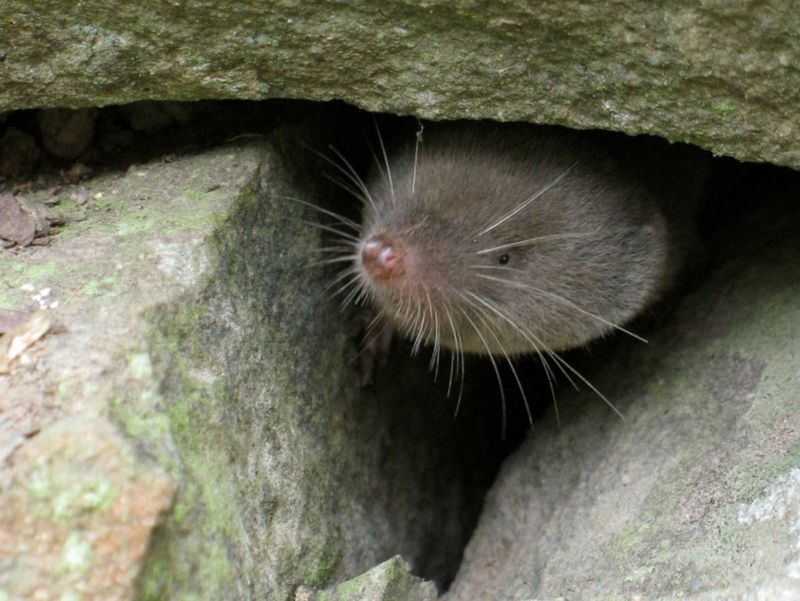
Meet the northern short-tailed shrew, known to scientists as Blarina brevicauda. It is a small, dark gray mammal that spends most of its life out of sight.
According to the American Society of Mammalogists, the species’ documented range includes Delaware.
That sentence says something specific. A range record tells us the animal occurs in the state.
It does not tell us how many shrews live here, and the sources reviewed give no Delaware-specific count. So calling the shrew common across the state would be going further than the facts allow.
A range record also says nothing about a single yard. Knowing a species lives somewhere in Delaware cannot tell you whether one lives in your county, your neighborhood, or beside your shed.
That is why the old claim that a shrew is probably under your leaf pile does not hold up.
None of this means the animal can never turn up near houses. It simply means that state-level presence and a particular backyard are two very different questions.
The first has an answer on a range map. The second can only be answered by direct observation, and even then only for that spot and that moment.
Its saliva helps it overpower prey
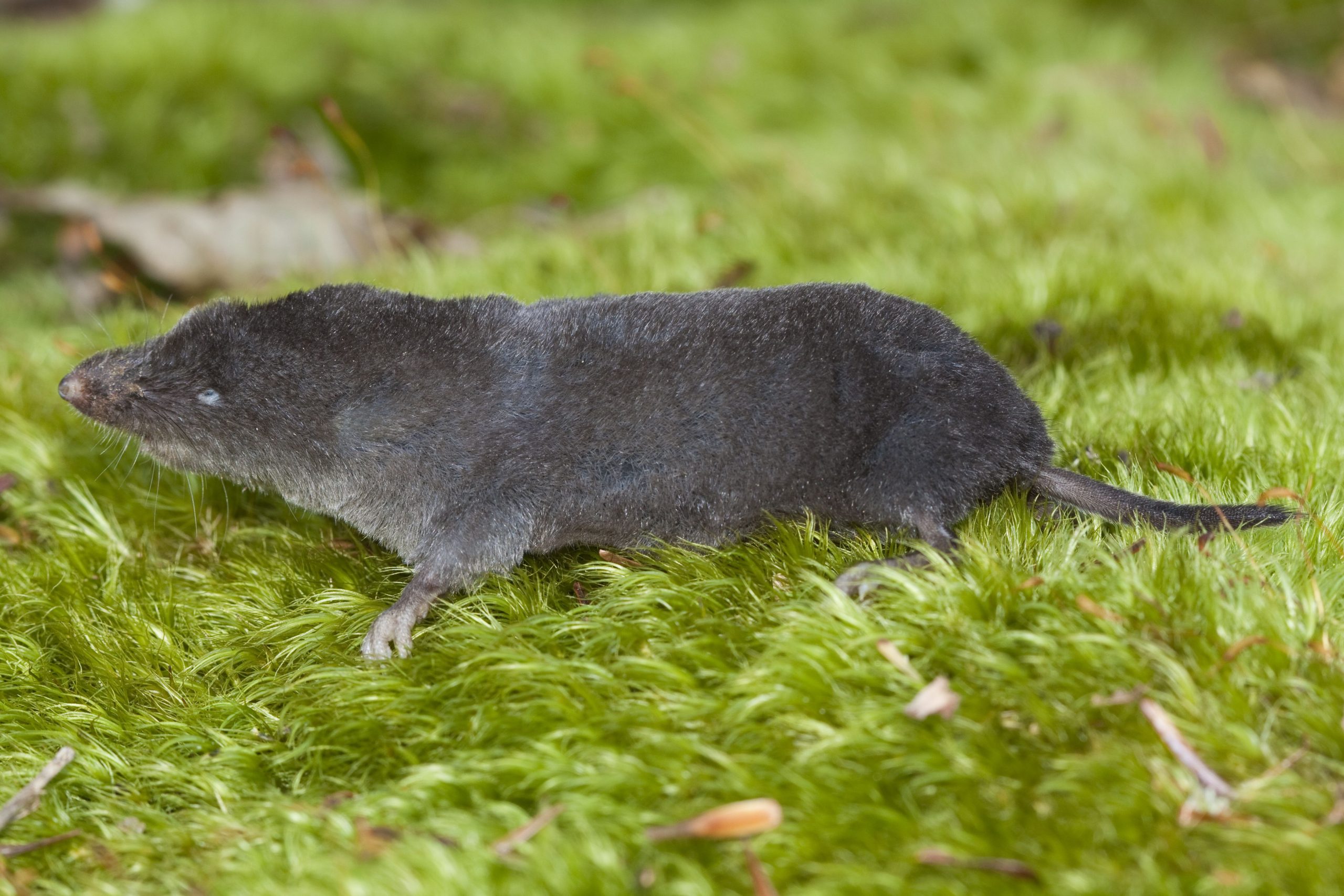
Most mammals rely on teeth, claws, or speed. The northern short-tailed shrew adds chemistry.
Its venom is delivered through saliva when it bites, and the toxin helps it subdue prey.
Researchers have studied this closely. A peer-reviewed paper titled Blarina toxin, a mammalian lethal venom from the short-tailed shrew isolated and characterized a toxin from the species’ salivary glands.
That work is the basis for calling this animal venomous.
The word matters here. Venom is a toxin delivered by a bite or sting, and in this shrew it travels in saliva rather than through fangs like a snake’s.
Its job, as the research frames it, is to help the shrew handle the animals it hunts.
It is tempting to add vivid details, such as exactly what the shrew eats or precisely how fast the venom works. This article sticks to what the study supports: a salivary toxin, delivered by biting, that works as a tool for subduing prey.
Beyond that, the details are best left to the scientists who measured them.
What a bite can—and cannot—tell us about human risk
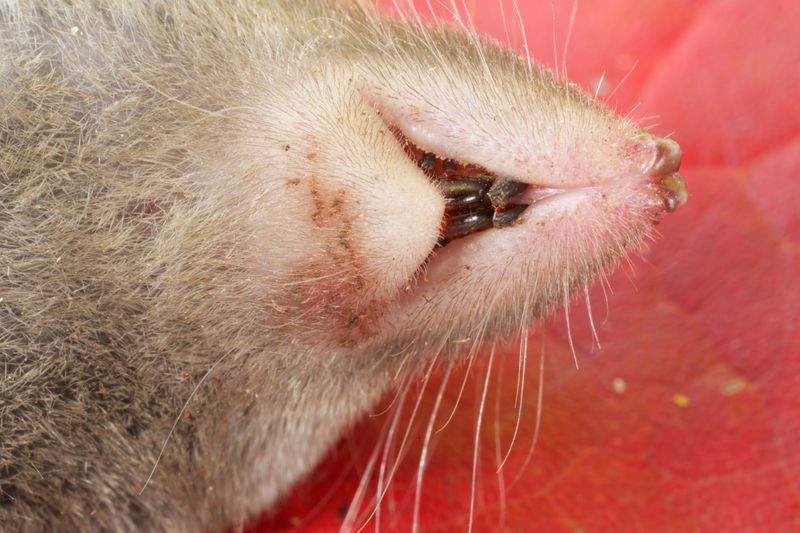
Reports of people bitten by these shrews are few. The same study that characterized the toxin mentions human bite accounts, and those describe localized burning and swelling at the bite site.
Those accounts are a useful clue, but they are not a large clinical case series. They do not show how often bites happen, and they do not map every outcome a person might experience.
Anyone claiming to know the full picture would be guessing.
So how worried should anyone be? Venomous does not mean dangerous in the way a medically significant venomous snake is dangerous.
The evidence here points to venom that works on prey and to limited reports of local effects in people. It does not point to a likely severe threat.
At the same time, nobody can honestly promise that every bite is harmless. People differ, wounds differ, and the research does not cover every case.
A calm, careful middle position fits the facts: respect the animal, avoid contact, and treat any bite as you would any wild animal wound.
Leaf litter offers habitat, not proof of a seasonal move
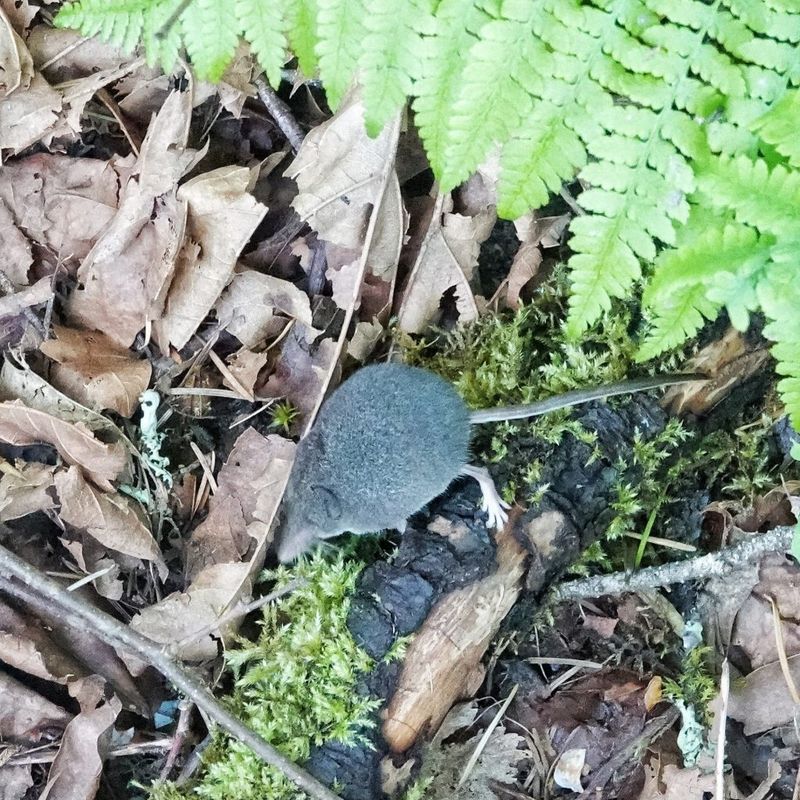
Shrews and leaves do go together in the habitat records. NatureServe describes the northern short-tailed shrew as semifossorial, meaning it digs and uses tunnels, and associates it with covered ground.
It is described as most abundant in hardwood forests with deep leaf litter and plenty of food, though it also uses a wider range of habitats.
Extension guidance is broader. University of Delaware Cooperative Extension notes that leaf litter can provide habitat and foraging areas for small mammals in general.
That statement covers small mammals as a group, not Delaware’s short-tailed shrews specifically.
Put together, leaves can make suitable cover. That is as far as the sources go.
They do not show that shrews move closer to houses in late fall, and they do not show that a given backyard pile is likely to be occupied.
It would be just as wrong to say such movement never happens. Nobody here has studied it, so the honest answer is that it is unknown.
A leaf pile is a possible home, not evidence of a tenant.
Manage leaves for the yard, not to flush out wildlife
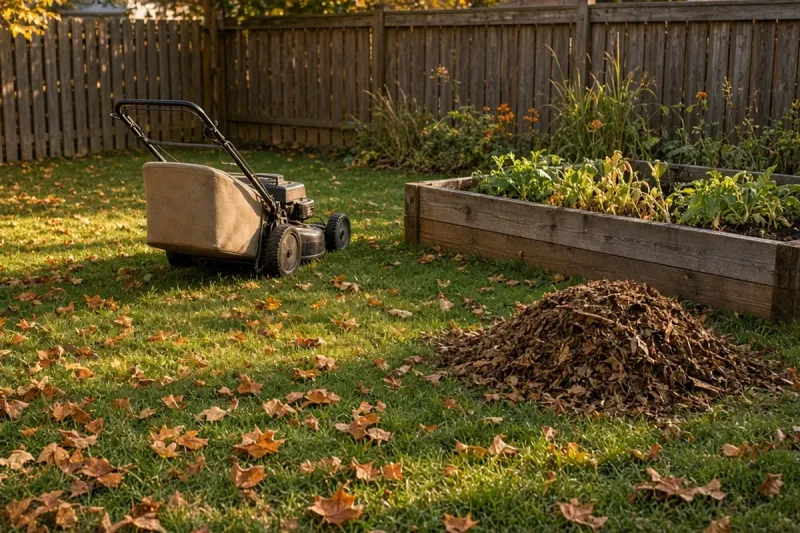
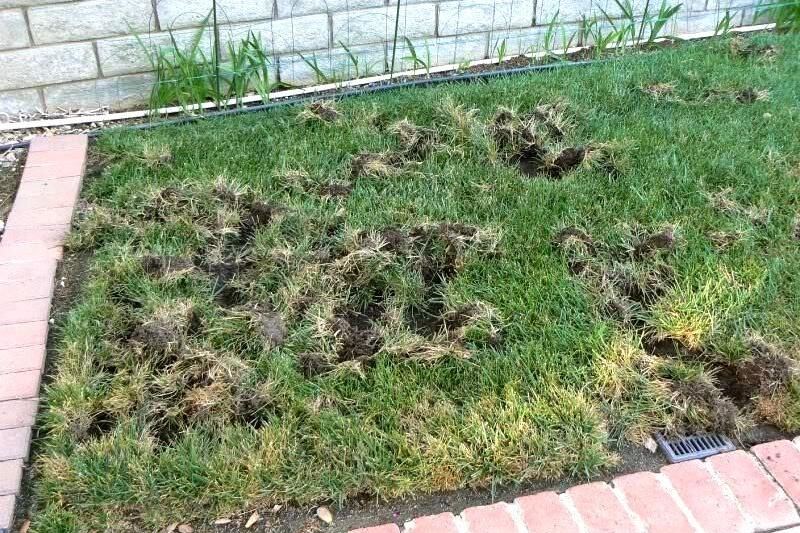
Leaf care is a gardening job, and University of Delaware Extension has clear advice for it. According to its Recycling Leaves guidance, a leaf layer under one inch deep can simply be mowed where it lies.
Thicker layers have options too. Leaves can be shredded, spread as mulch, tilled into garden beds, or composted.
Each route feeds the soil instead of sending a valuable resource to the curb.
Choose whichever suits your yard. A lawn with a thin scatter of leaves does well with a mower pass, while a vegetable bed may welcome a layer of shredded leaves over winter.
A compost bin handles the surplus from larger trees.
These are tips for healthier soil and tidier lawns. They are not a way to find shrews, chase them out, or keep them away, and nothing in the guidance claims otherwise.
Skip any urge to poke through piles by hand, and let the tools do the work.
Keep your distance if you encounter one

If you spot a shrew, enjoy it from afar. Do not pick it up, corner it, or try to catch it.
CDC wildlife guidance says to keep your distance from wild animals.
If a bite or scratch does happen, wash it right away with warm soapy water. Then watch for trouble.
The CDC advises seeking medical attention for a serious wound, unusual animal behavior, worsening redness, warmth, pain, or swelling, or if your tetanus shot is overdue.
It is also wise to talk with a health professional about whether rabies assessment is needed. They can weigh the details of what happened far better than any article can.
Keep the whole thing in proportion. A bite is unlikely for most people, and nothing here suggests a shrew is waiting in your leaf pile.
A tiny hunter with a chemical trick is a good reason to look at the woods with fresh curiosity, and a good reason to let it get on with its night.
Share this story