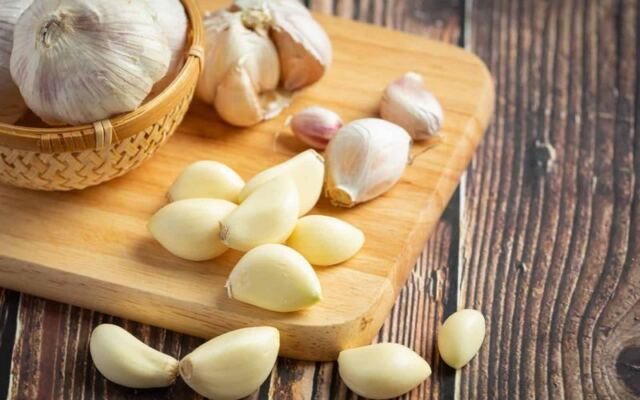
Cold weather has many people reaching for kitchen remedies, and a raw garlic clove is one of the most popular. Some folks swear it helps digestion, blood pressure, and winter colds.
Others just wonder if it is worth the breath. Here is what the research really says, and what it does not.
A daily clove is food, not a proven treatment
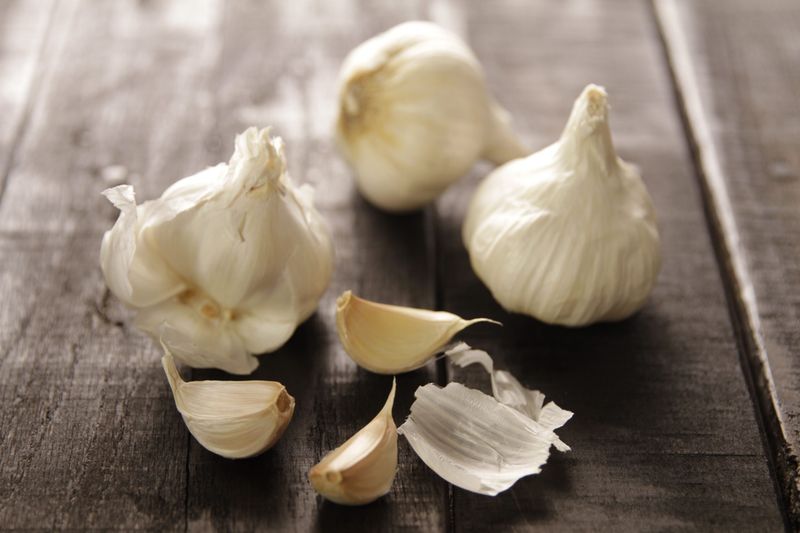
Picture a cold January morning in Wilmington or Dover. A raw garlic clove sits on the cutting board, and you wonder if swallowing it will do something big for your body.
Here is the plain answer: a daily raw clove is a food. It is not an established treatment for digestive problems, high blood pressure, or winter infections.
The reason is simple. Most of the research people point to did not test a raw clove at all.
Studies on blood pressure and colds have mainly used garlic supplements or extracts. As the NIH’s National Center for Complementary and Integrative Health explains, any blood pressure benefit seen with supplements is limited and small.
Supplements and fresh cloves are not the same thing, so a result from one cannot just be pasted onto the other.
The same goes for colds and flu. The NIH Office of Dietary Supplements says the evidence on garlic supplements and colds or flu is sparse and inconclusive.
That is a long way from a proven shield against sickness.
Living in Delaware in winter does not change any of this. Cold air and short days make people more interested in home remedies, but the studies do not show a different effect for Delaware residents.
Also, one clove a day is not a medical dose. Nobody has established the right amount of raw garlic for any health goal.
So think of the sections ahead as a way to set fair expectations. Garlic can be a tasty part of a meal.
The question is what it can and cannot be counted on to do, and we will look at each claim one at a time.
Crushing garlic changes its chemistry, not the strength of the evidence
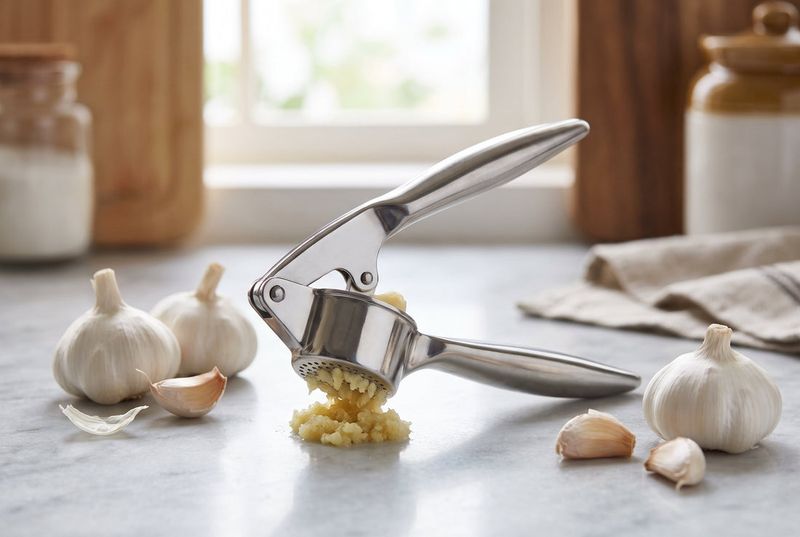
Ever notice how garlic smells much stronger after you chop it? That is chemistry at work.
Whole garlic keeps certain compounds separate from an enzyme. When you crush, chop, or chew a clove, they mix, and the enzyme gets going on making allicin and related compounds, as described in a European Medicines Agency assessment report.
That sharp smell and bite come from this reaction. It is a real and interesting food-chemistry fact.
Cooks have known for ages that a minced clove tastes hotter than one tossed in whole.
Here is the catch. Knowing how a compound forms in the kitchen does not prove that eating it gives you a particular health benefit.
A chemical reaction in a clove is one thing. A measured effect in a person’s body is another, and it needs human studies to back it up.
So you may see advice such as letting garlic rest after chopping or chewing it well. Those tips are about flavor and chemistry.
They do not make an unproven benefit certain. If anyone promises that the right chopping method unlocks a cure, treat that as a sales pitch rather than science.
Could raw garlic help digestion?
Garlic is not a general digestive aid, and for some people it does the opposite. NCCIH lists abdominal pain, gas, and nausea among the possible side effects of garlic, as noted on its garlic safety page.
Plenty of people eat garlic with no trouble at all, so reactions vary a lot from person to person.
One reason has to do with fructans. These are a type of carbohydrate found in garlic, and they can trigger symptoms for some people with irritable bowel syndrome, or IBS.
Monash University, which created the low-FODMAP diet, identifies garlic as high in this FODMAP.
If you have IBS and want garlic flavor, Monash points to one limited option. You can warm garlic in oil to flavor it, then remove the garlic pieces so you are not eating the clove itself.
That is a practical trick for some situations, not a fix for everyone, and it is not personal dietary advice.
A simple clue can help you decide. If you notice cramping, bloating, or queasiness after eating raw garlic, that is useful information about your own body.
People following a low-FODMAP diet should get guidance tailored to them, ideally from a dietitian who knows the plan well.
Blood-pressure findings come from garlic preparations, not a proven raw-clove dose

Blood pressure is where garlic gets the most attention, so the details matter. Some garlic supplements may modestly lower blood pressure in people who have hypertension.
Even so, NCCIH describes the evidence as limited, and the effect reported is small.
Notice the word supplements. Those findings come from garlic preparations such as powders and extracts.
They do not show that a raw clove eaten each day gives the same result. Garlic products also differ from one another, so even supplement results cannot be treated as one simple number.
Garlic has also not been shown to work as well as blood pressure medicines. In its overview of complementary approaches for hypertension, NCCIH makes clear that these approaches should not replace prescribed treatment.
If your doctor has given you medication, keep taking it as directed.
There is one more line worth drawing. Lower blood pressure numbers are not the same as fewer heart attacks or strokes.
A Cochrane review of garlic for hypertension found too little evidence to tell whether garlic gives those clinical benefits.
A practical step: if you want to try adding garlic to meals, keep checking your blood pressure the way your care team recommends, and do not change any medicine on your own.
What does the winter-cold evidence actually say?
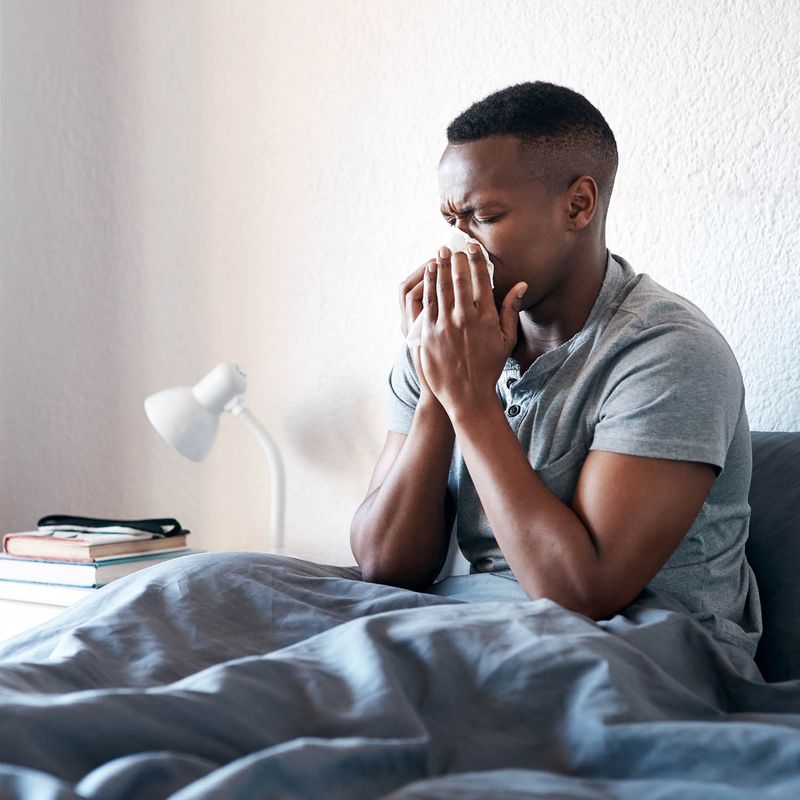
Few trials have tested garlic for colds and flu, and the results do not agree with each other. That is the honest summary from the NIH Office of Dietary Supplements, which calls the evidence sparse and inconclusive.
Here is how the mixed picture looks. In one trial, an aged-garlic supplement did not reduce the number of illnesses or the average symptoms per illness.
Another trial reported fewer colds. When studies point in different directions, it is hard to say that garlic helps.
Look closely at what was tested. Those trials used supplements, not raw cloves from the produce aisle.
So even the positive result cannot be used to say a daily clove will keep you well.
Winter does not change this reading. A cold season in Delaware, or anywhere else, is a good time to think about sleep, handwashing, vaccines, and staying home when sick.
Garlic may belong on your plate for flavor, but the research does not show it prevents or treats infections.
If you do get sick and symptoms are severe or last a long time, call a health professional rather than waiting on a kitchen remedy.
The side effects—and the supplement caution—deserve a place in the decision
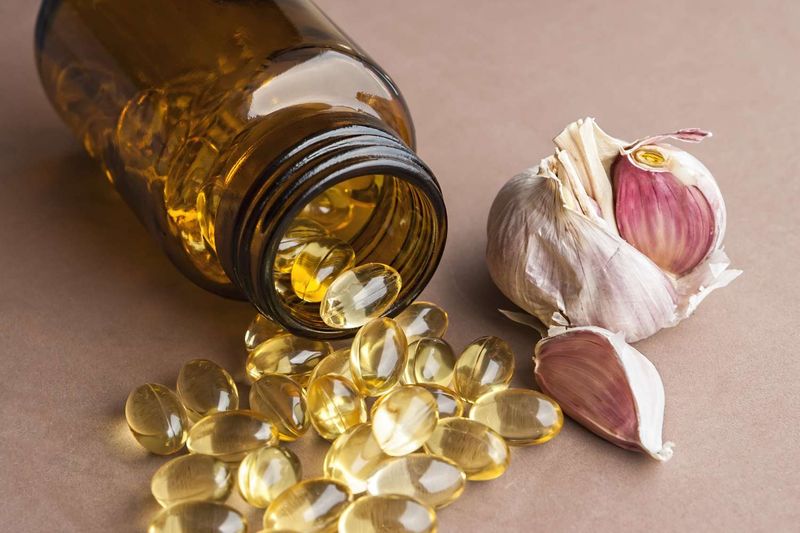
Any honest look at garlic should include the downsides. According to NCCIH, garlic can cause bad breath and body odor, abdominal pain, gas, and nausea.
Some people are also allergic to it. Not everyone will have these problems, but they are common enough to plan for.
A raw clove tends to bring the strongest effects. If you have a work meeting or a family dinner ahead, you may notice the smell lingers.
Stomach upset is another sign to take seriously, since forcing down a clove every day despite discomfort makes little sense.
Allergy deserves a quick mention too. Hives, swelling, or trouble breathing after eating garlic call for prompt medical care.
Bleeding is a separate topic, and it needs careful wording. NCCIH cautions that garlic supplements may increase bleeding risk, especially around surgery or alongside medicines that affect bleeding.
That warning is about supplements. It does not show that ordinary amounts of garlic in food carry the same risk.
Still, if you take blood-thinning medicine or have surgery coming up, talk with a health professional before using garlic products as supplements.
The practical takeaway: enjoy garlic without counting on it as medicine
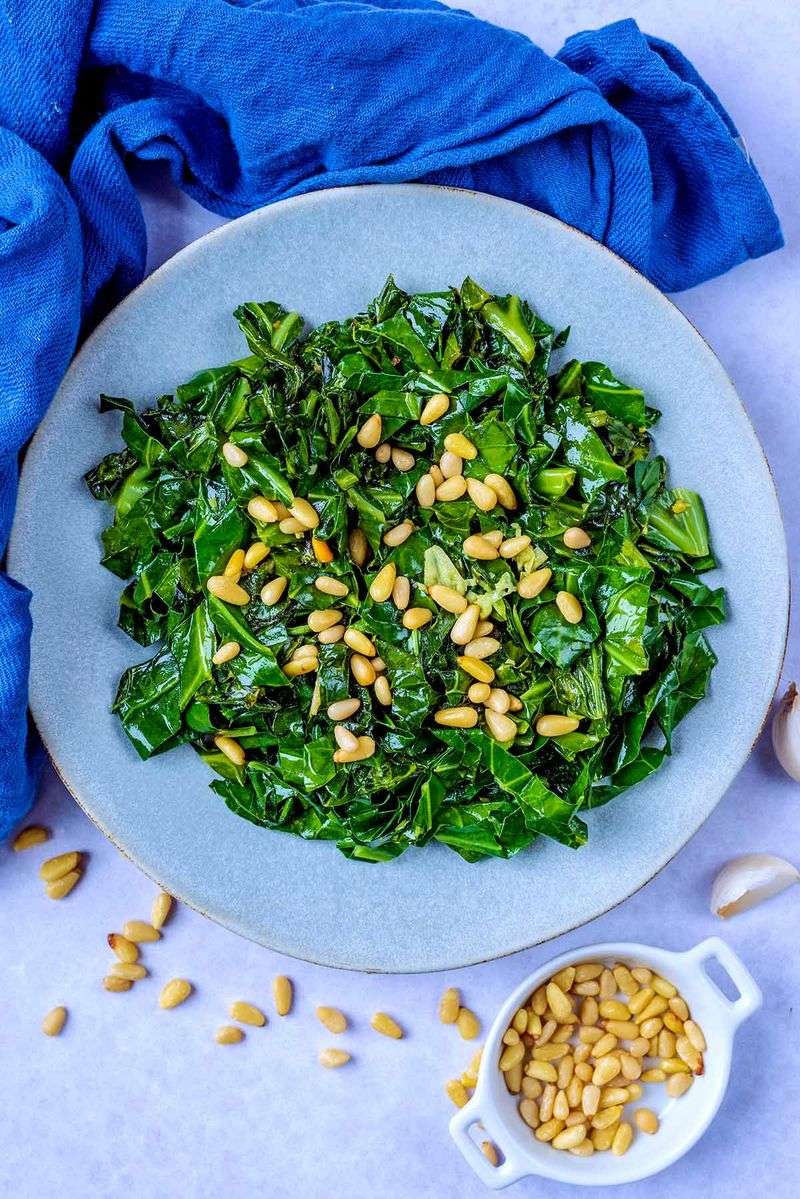
Garlic can sit happily in a winter meal, whether in soup, pasta, or roasted vegetables. What it should not do is stand in for care.
Raw garlic is not a proven way to manage blood pressure, settle digestion, or ward off colds.
Pay attention to how your own body responds. If you follow a low-FODMAP diet, get guidance made for you, and keep any prescribed treatment in place.
A good meal needs no miracle claims to be worth enjoying.
Share this story