When the leaves start dropping in Kentucky, a few uninvited guests start creeping toward your house. Spiders, snakes, and stinging bugs get busy in the fall as they hunt for food, mates, and warm places to spend the winter.
Most of them want nothing to do with you, but a careless hand in a woodpile can still lead to a painful surprise. Knowing who is hiding in your yard is the easiest way to stay safe while you rake, stack firewood, and pull out the holiday boxes.
1. Copperhead
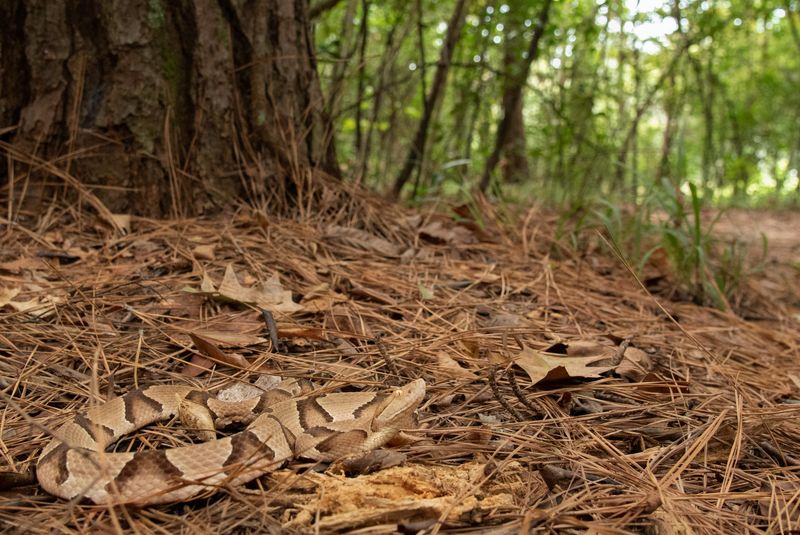
Picture a pile of orange and tan oak leaves, then picture a snake that looks exactly like it. That is the copperhead, and it is the venomous snake Kentuckians run into most often.
Fall is a busy season for these snakes. Young copperheads are born in late summer and early fall, and adults move around looking for dens where they will spend the winter.
Leaf piles, rock walls, and woodpiles near houses make tempting stopovers.
The good news is that copperhead bites are rarely deadly, and the snakes usually freeze instead of strike. Still, a bite hurts badly and needs a trip to the ER.
Wear gloves and boots when clearing leaves, and use a rake instead of bare hands.
2. Timber Rattlesnake
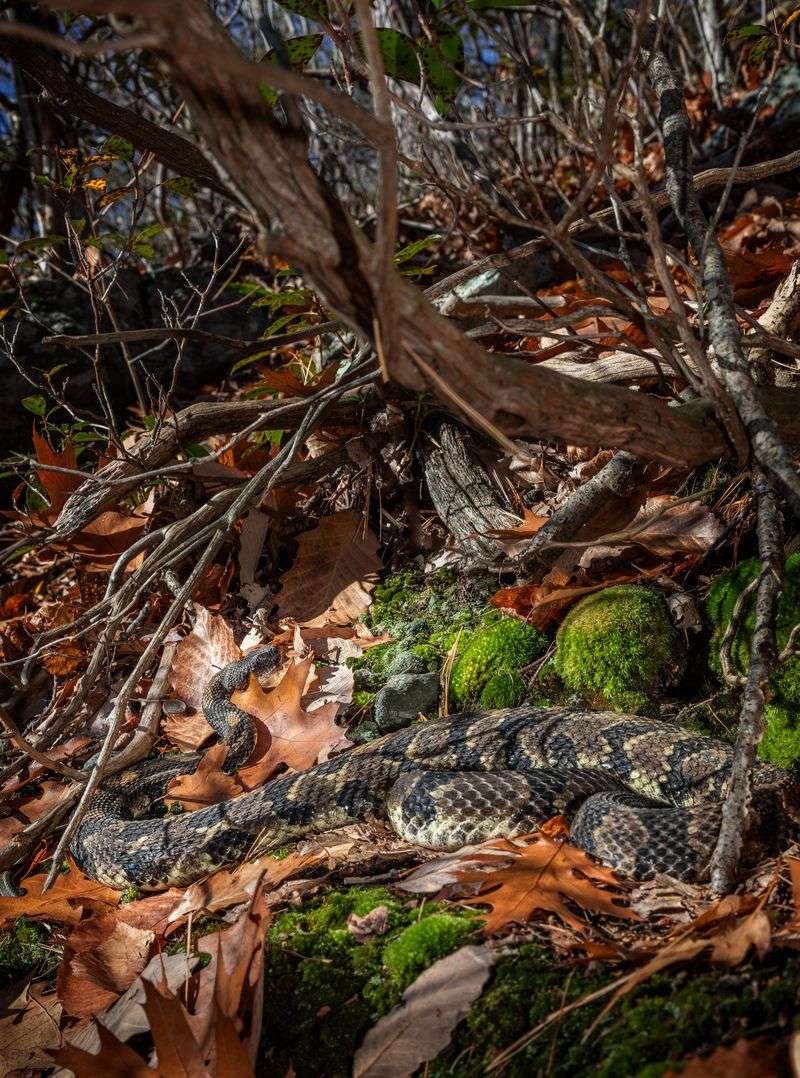
Few sounds stop a hiker cold like the dry buzz of a rattle. Timber rattlesnakes are Kentucky’s largest venomous snake, sometimes stretching past four feet long.
They mostly stick to rugged, forested hills, especially in eastern and southern parts of the state. Homes built on wooded ridges, though, can sit right in their travel path.
In September and October, timber rattlers head back toward rocky dens they may have used for decades.
Fun fact: a rattlesnake adds a new rattle segment every time it sheds, not every year. If you see or hear one, back away slowly and give it room.
These snakes are calm and would much rather hide than fight.
3. Brown Recluse Spider
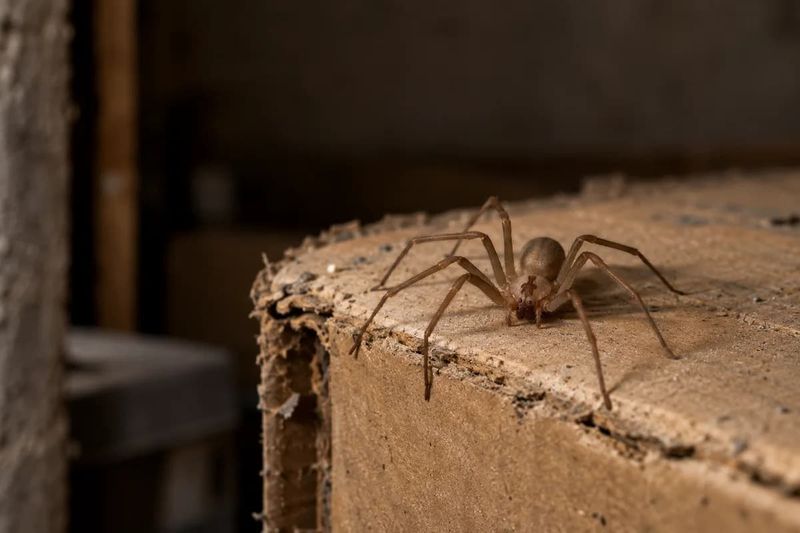
Ask any Kentucky exterminator which spider gets the most calls, and you will likely hear the same answer. The brown recluse loves dark, quiet places, and our homes are full of them.
As temperatures fall, recluses move deeper into garages, basements, and closets. Cardboard boxes full of fall decorations are a favorite hideout.
Look for a violin-shaped mark on the back and six eyes arranged in pairs.
Most bites happen when someone rolls over on a spider in bed or slips on an old shoe. Shake out clothes, use plastic bins instead of cardboard, and keep beds away from walls.
A bite that turns into a spreading sore should be checked by a doctor.
4. Southern Black Widow
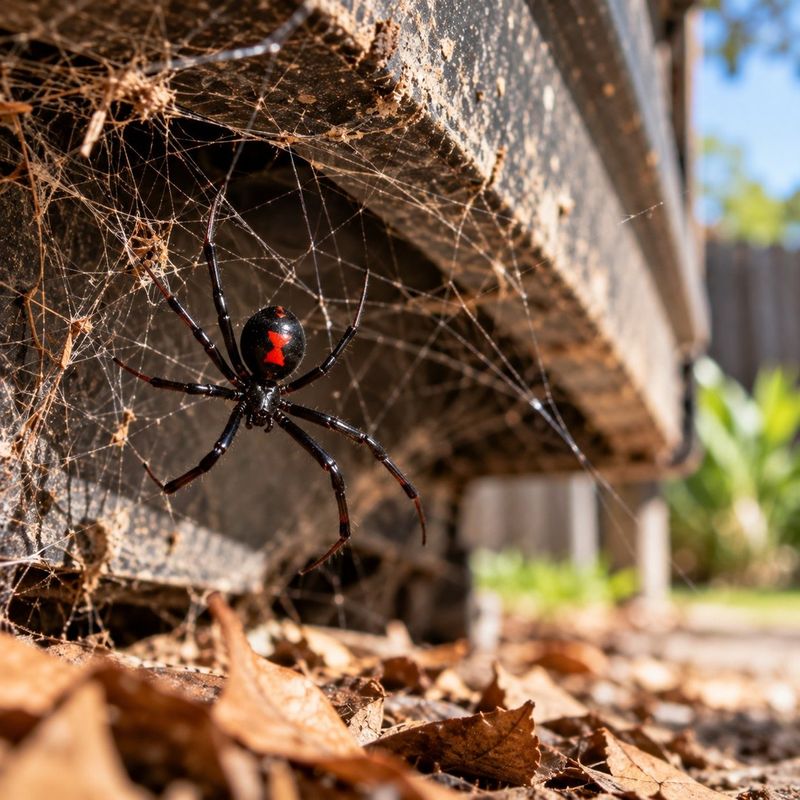
Shiny, black, and marked with a bright red hourglass, she is easy to recognize once you know what to look for. The female black widow carries one of the strongest venoms of any spider in North America.
Her messy, tangled webs show up under deck boards, inside water meter boxes, in outdoor toilets, and around firewood stacks. In fall, egg sacs hatch and tiny spiderlings spread out, so more widows may appear around the yard.
Bites can cause muscle cramps, sweating, and stomach pain, but deaths are extremely rare today. Kids and older adults should get medical care quickly.
Pulling on gloves before reaching under things is a habit worth building.
5. Yellowjackets
Ever notice how yellowjackets turn downright cranky around Labor Day? You are not imagining it.
By late summer, their colonies are huge, sometimes holding thousands of workers. As natural food runs short, they get desperate for sugar and start crashing tailgates, apple orchards, and backyard cookouts.
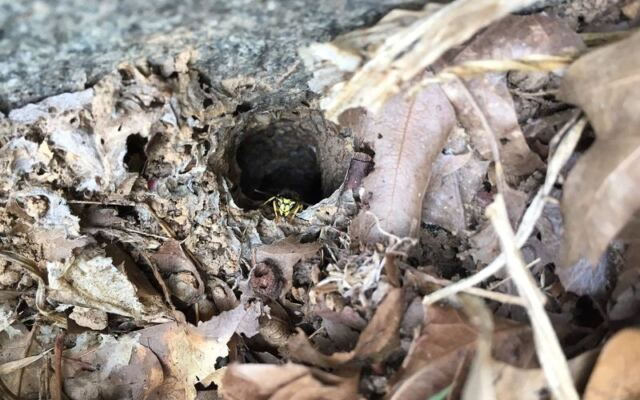
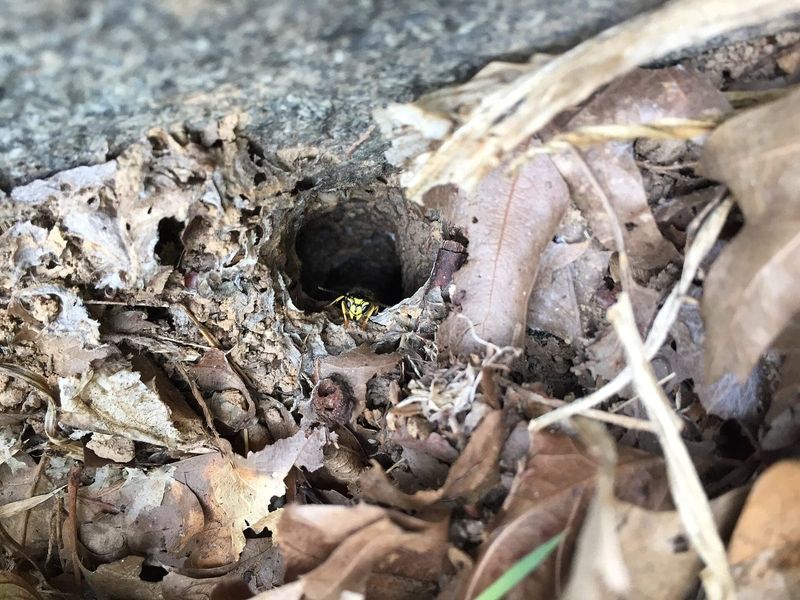
Many nests are hidden underground, so mowing over one can trigger a furious swarm.
Unlike honeybees, yellowjackets can sting again and again. Cover drinks, pick up fallen fruit, and mark any ground holes with busy traffic so nobody mows over them.
Anyone with a known allergy should keep an epinephrine pen close by during fall.
6. Bald-Faced Hornet
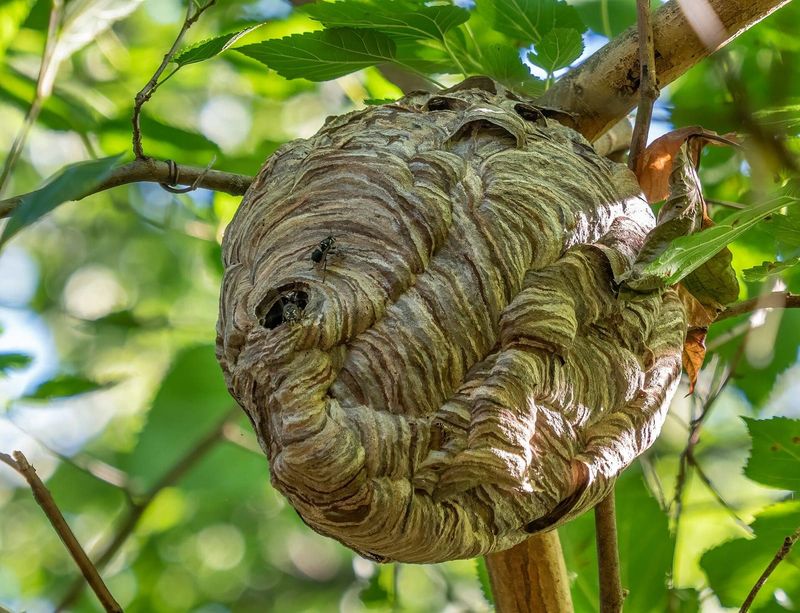
Once the leaves fall, homeowners often gasp at what was hiding in the maple tree all summer. A gray, football-sized paper nest is the calling card of the bald-faced hornet.
Technically, these black-and-white insects are a type of yellowjacket. Their nests can hold hundreds of workers that guard the area fiercely and will chase intruders for quite a distance.
Here is the comforting part. When hard frost arrives, the workers die off and only new queens survive to hibernate elsewhere.
An empty nest in winter is harmless, and some folks even collect them as curiosities.
7. Saddleback Caterpillar
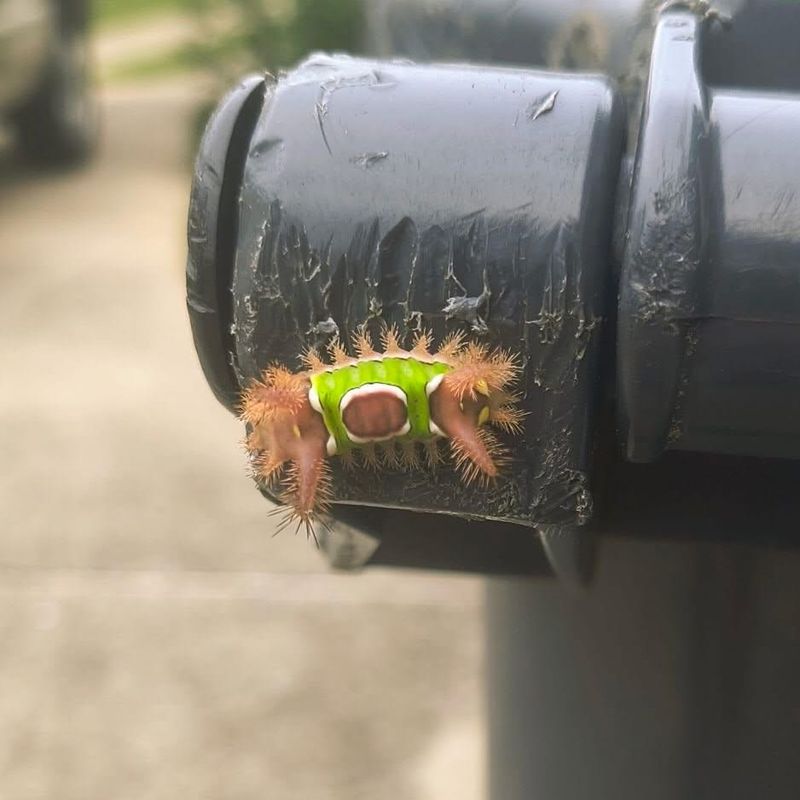
It looks like a tiny cartoon creature wearing a green blanket and a brown saddle. Do not let the cute costume fool you.
Saddleback caterpillars are covered in hollow spines connected to venom glands. Brushing against one while pulling weeds or picking flowers can cause a burning sting, swelling, and sometimes nausea.
They munch on many plants, from corn to shrubs, and are most common from late summer into early fall.
If you get stung, press clear tape on the spot and pull it away to remove broken spines. Then wash with soap and use an ice pack.
Teach kids to look but never touch fuzzy or spiky caterpillars.
8. Puss Caterpillar
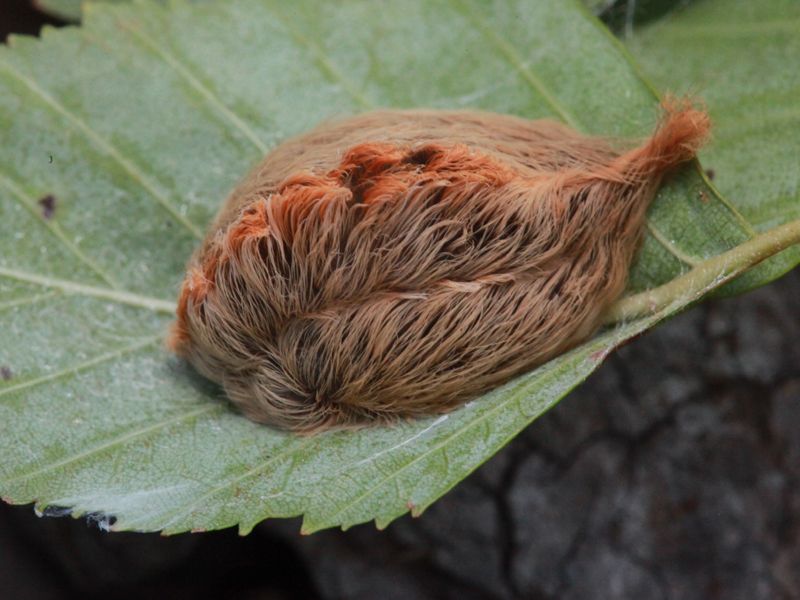
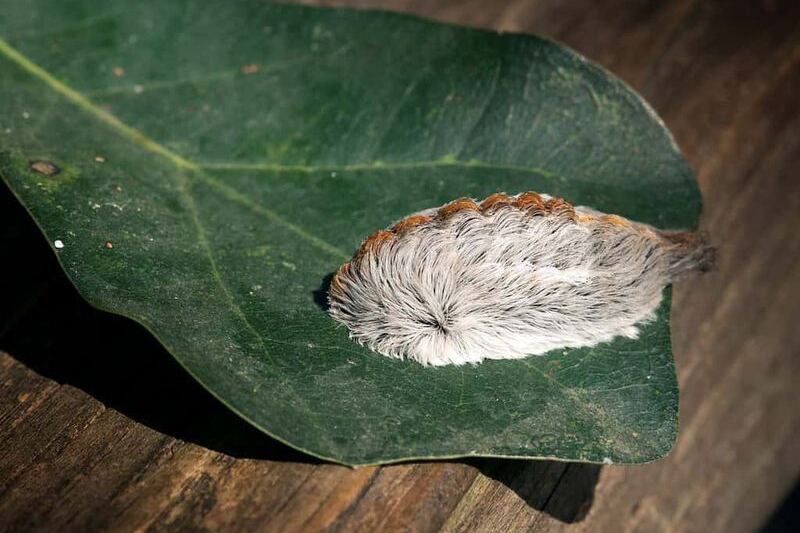
Soft, fluffy, and shaped like a tiny toupee, the puss caterpillar practically begs to be petted. That would be a huge mistake.
Hidden under its silky hair are sharp venomous spines. Stings are often described as one of the worst insect pains around, with throbbing that can travel up an arm.
These caterpillars often show up on oaks, elms, and shrubs in fall, which makes Kentucky yards prime territory.
Kids are usually the victims, since the caterpillars look so cuddly. A quick talk about looking with your eyes, not your hands, can save someone a miserable afternoon.
9. Northern Short-Tailed Shrew
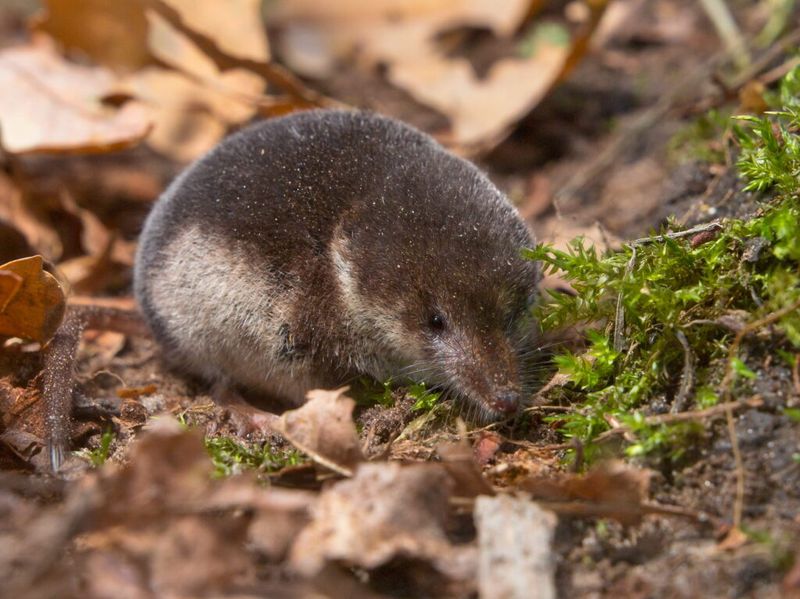
Here is one that surprises almost everyone. Kentucky has a venomous mammal, and it might be living in your flower beds right now.
The northern short-tailed shrew is a small, gray, mouse-like animal with tiny eyes and a pointy nose. Its saliva contains a mild venom that helps it paralyze worms, insects, and even mice.
Shrews stay active all year, and in fall they bustle through leaf litter to fatten up.
A bite to a human might sting and swell for a few days, but it is not dangerous. Just never pick one up barehanded, even if your cat brings it inside.
Honestly, they are helpful neighbors that eat plenty of garden pests.
10. Bark Scorpion Hitchhikers and Striped Scorpions
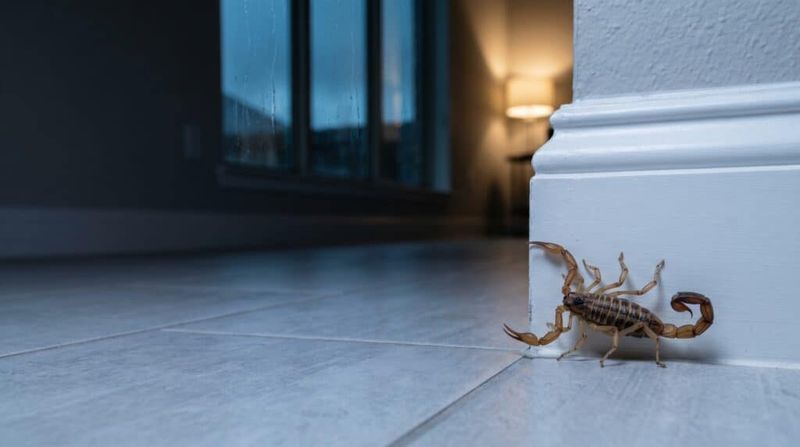
Scorpions in Kentucky? Most people laugh until they find one in a basement.
The striped bark scorpion lives in parts of western and southern Kentucky, especially around rocky, wooded areas. They hide under bark, stones, and stacked firewood.
Bringing logs indoors in fall is one of the most common ways they end up inside homes.
Their sting feels like a bad bee sting and rarely needs more than ice and pain relief. Still, knock firewood together outdoors before carrying it in, and store the pile away from your walls.
A blacklight at night will make any scorpion glow bright green, which is a fun and handy trick.
Share this story