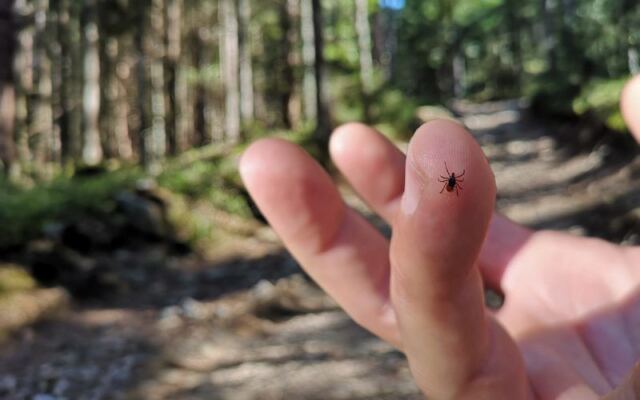
A hard frost feels like the end of tick season, but it is not a full stop. On some mild winter days in Massachusetts, one kind of tick can still go looking for a ride on a person or a pet.
Knowing which tick that is, and when it is likely to move, helps you stay safe without worrying too much. A few simple habits can keep your winter walks and hikes worry-free.
Frost does not end all blacklegged-tick risk
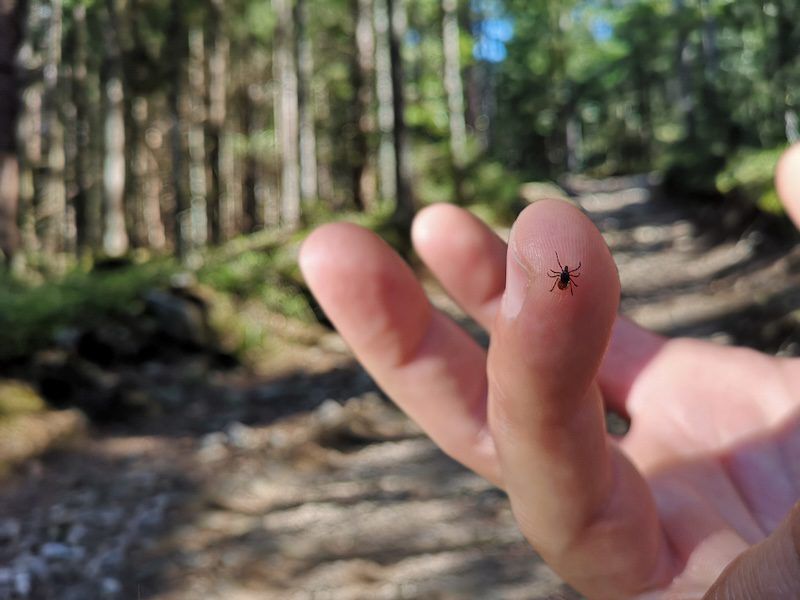
Many people believe the first frost wipes out ticks for the year. In Massachusetts, that is not quite true.
Frost does not remove all tick risk, and one species in particular can still be a concern in winter.
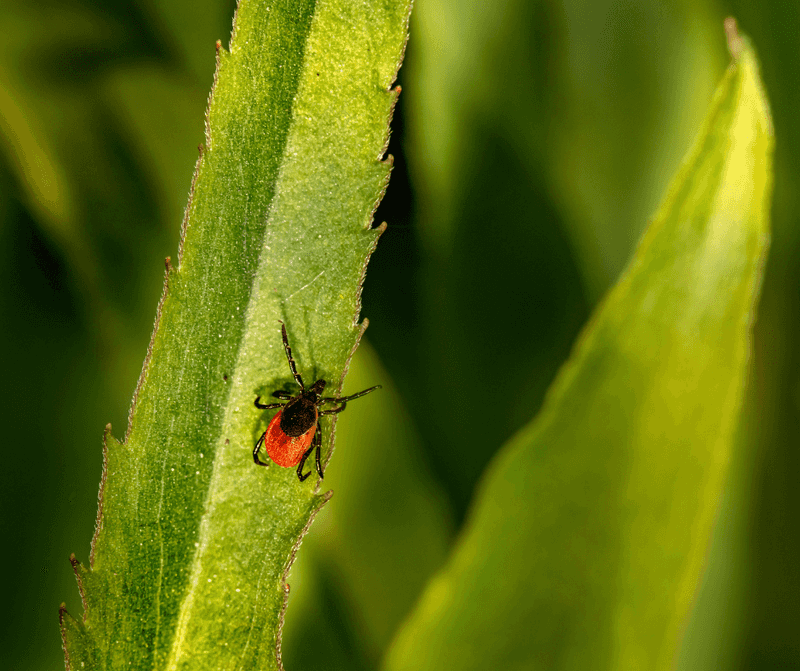
That species is the blacklegged tick, also called the deer tick. Massachusetts Department of Public Health guidance says adult blacklegged ticks may search for hosts when winter temperatures are above freezing.
Both blacklegged ticks and dog ticks live throughout the state, but their seasons differ.
The title you may have seen online used the term “wood tick,” and that name can be confusing. People commonly use it for the American dog tick, a different species.
Dog ticks are mostly a spring and summer concern, and a University of Florida extension summary reports that adults in Massachusetts are generally active from April through August, with a peak in May and June.
So the winter warning applies to blacklegged ticks, not to every tick you might hear called a wood tick. Dog ticks can survive the winter, but that does not mean they are routinely looking for people in January.
The takeaway is narrow but useful. Frost does not erase tick risk, and a mild winter day can bring a small chance of meeting an adult blacklegged tick.
That is a reason to stay aware, not a sign that winter is as risky as summer.
A thaw can allow activity, but it does not guarantee it
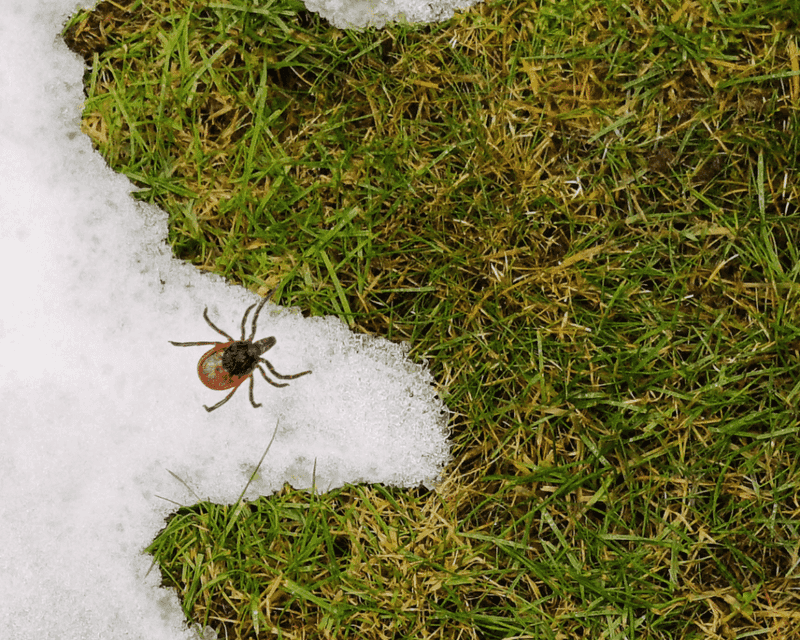
Weather decides a lot about what ticks do in winter. UMass Extension explains that blacklegged ticks are not active below 32°F.
They can also stay sluggish until temperatures climb above 40°F.
That means an above-freezing day is a possibility for host-seeking, not a promise. A day that barely clears 33°F after a cold night may see very little tick movement.
A longer thaw with milder air gives ticks a better chance to move.
Snow matters too. A recent review hosted by the CDC notes that low temperatures and snow can prevent winter questing in northern parts of the eastern United States, while warm spells can allow it.
Questing is the habit of climbing low plants and waiting for a host to brush past.
Winter cold can also kill some ticks. UMass notes that this mortality is real, but it does not wipe out the population.
Many ticks shelter in leaf litter, where they are insulated from the worst weather.
For you, the practical lesson is to watch the forecast. A stretch of mild, snow-free days after a freeze is the kind of window when a quick check is most worthwhile.
Reduce exposure before you head outdoors

Gear is your first line of defense, even in the colder months. CDC guidance recommends using an EPA-registered repellent on skin and following the directions on the label.
Read the label for how often to reapply and how to use it on children.
Clothing can do some of the work as well. The CDC Yellow Book points to clothing and gear treated with 0.5% permethrin.
You can buy items already treated, or treat boots, pants, socks, and packs yourself by following the product directions.
One rule matters here: permethrin is for clothing and gear only. Never apply it directly to your skin.
Skin repellents and permethrin-treated clothing are separate tools, and each has its own instructions.
A few habits add to the protection. Walk in the center of trails instead of brushing against leaf litter and brush.
Wear light-colored clothing so a crawling tick is easier to spot, and tuck pant legs into socks if you will be off the path.
None of these steps is a guarantee. They lower the odds of a bite but do not remove them, which is why the checks after your outing still matter.
Check yourself, clothing, and gear after outdoor time
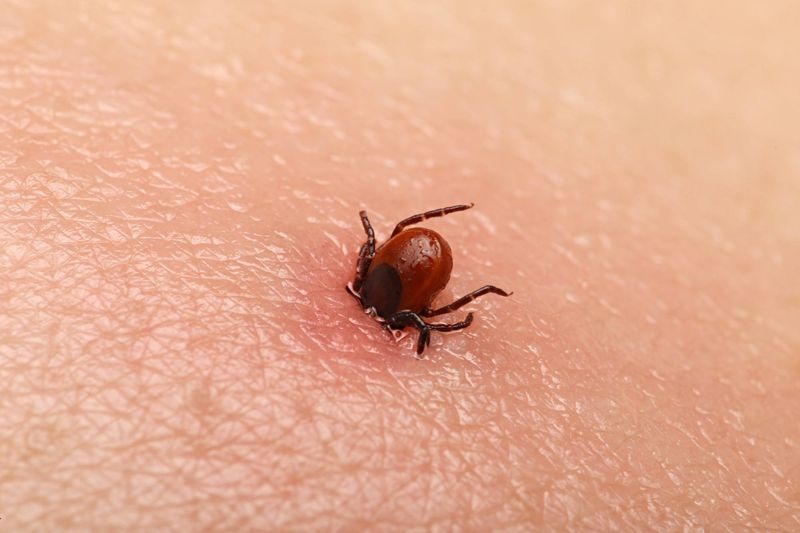
Once you are back indoors, make the tick check part of the routine, like hanging up your coat. The CDC advises checking your body and your belongings after time outside.
It takes only a few minutes.
Start with your clothing, backpack, and any gear you carried. Ticks can hitch a ride on fabric and crawl to skin later.
Tossing clothes in the dryer on high heat is a handy way to deal with any stragglers.
Then check your body, using a mirror or a helper for spots you cannot see. Pay close attention to these places:
Hair and ears, underarms, waist, belly button, between the legs, and behind the knees. Ticks like warm, hidden spots, and adult blacklegged ticks are small enough to be missed in a quick glance.
A shower soon after coming inside can wash off ticks that have not attached yet. It also gives you a second chance to look over your skin under good light.
Make the check a habit even on cold days, since a mild afternoon is enough for a tick to climb aboard.
Check pets daily and ask a veterinarian about prevention

Dogs that trot through leaf litter can bring ticks home without anyone noticing. CDC guidance on pets recommends checking your pets daily, especially after they have been outside.
Run your fingers slowly over the whole body, since a tick may feel like a small bump before you see it.
Some areas deserve extra attention:
Around the ears and eyelids, under the collar and front legs, between the toes and back legs, and around the tail. Thick fur can hide a tick, so part the coat as you go.
Talk with your veterinarian about the right tick prevention for each animal. The best choice depends on the pet’s species, age, health, and lifestyle.
Your vet can also tell you how long protection should continue through the colder months.
Be careful with cats. The CDC cautions against applying tick-prevention products to cats without first consulting a veterinarian, because some products made for dogs can be unsafe for them.
If you find a tick on your pet, ask your vet for advice on removing it and on any signs to watch for afterward.
Remove an attached tick promptly
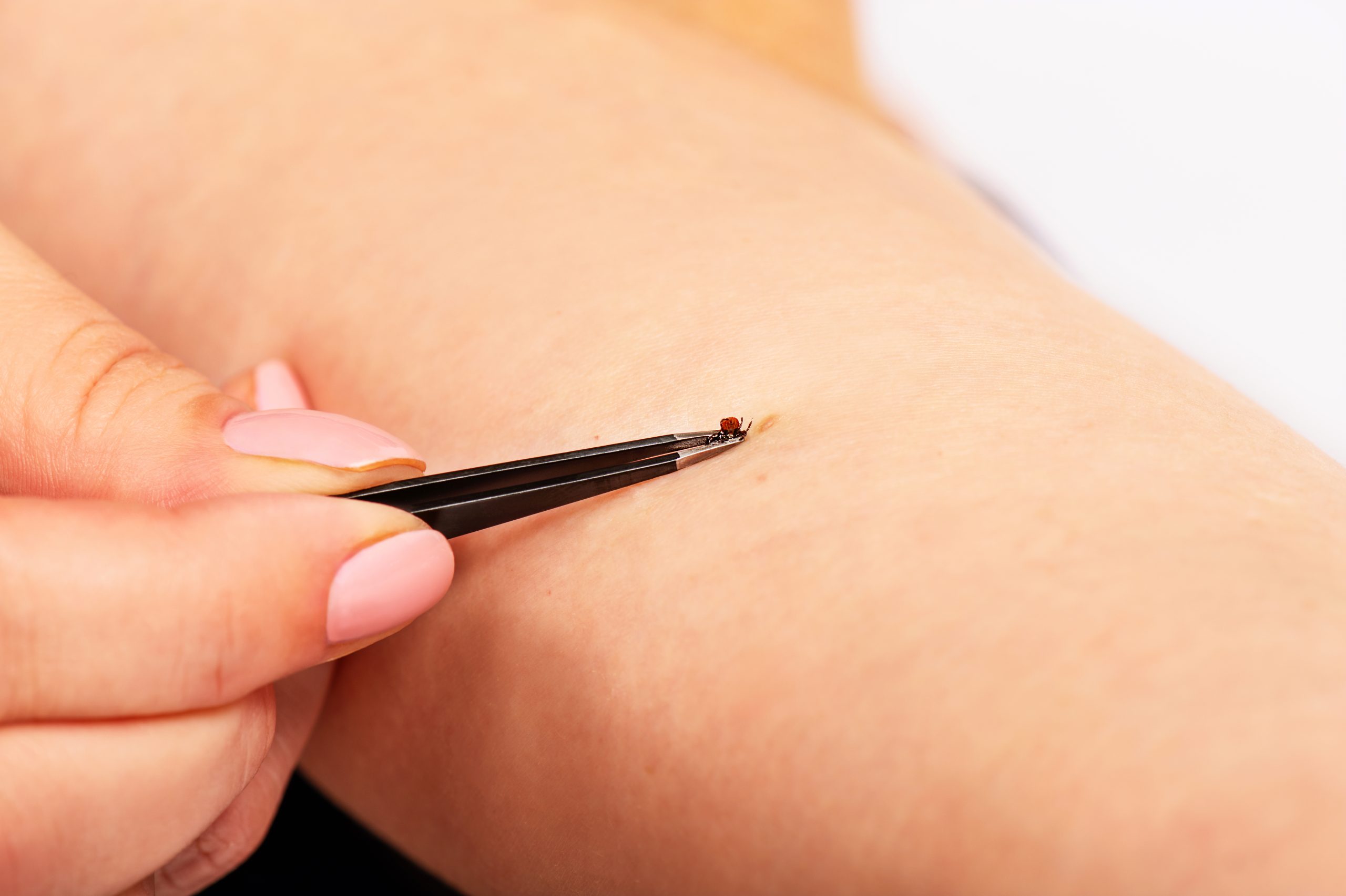
If you find a tick attached, take it off right away. CDC guidance says to use clean, fine-tipped tweezers.
Grasp the tick as close to the skin as you can, then pull upward with steady, even pressure.
Do not wait to see a professional before removing it. Delay gives the tick more time to feed.
Skip folk methods such as heat, petroleum jelly, or chemicals, since CDC medical guidance does not recommend them and they can make things worse.
Afterward, clean the bite area and your hands with soap and water or rubbing alcohol. Note the date and where you think you picked up the tick, which can help if you need to talk to a clinician later.
A tick on your skin does not by itself mean you have an infection. Likewise, Massachusetts DPH explains that a tick test result does not establish whether a person was exposed or infected.
Watch for symptoms over the next days and weeks. If a rash or fever develops, seek medical advice, and do not wait for tick test results before getting care.
Keep winter precautions in perspective
Winter checks are a small habit, not a reason to stay indoors. Warm spells can allow blacklegged tick activity, so a quick look after a mild day outside still makes sense.
That possibility does not turn winter into peak season.
The CDC notes that tick exposure can happen year-round but ticks are most active in warmer months. Massachusetts reports most tick-borne disease cases from June through August.
Think of January ticks as a rare visitor and July ticks as the main crowd. A calm routine covers both.
Share this story