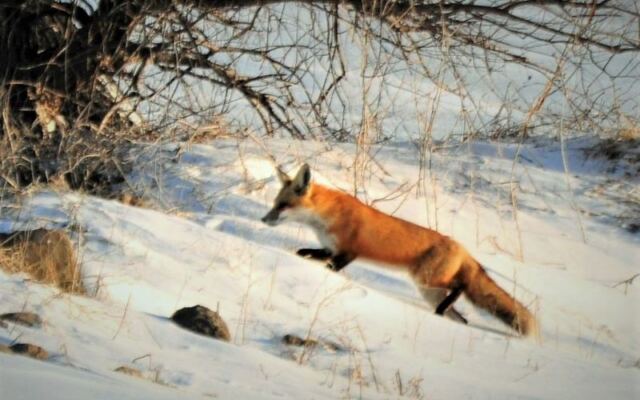
You glance out the window on a cold January morning and see a red fox trotting across the snow. It is natural to wonder why it chose your yard and whether you should do anything about it.
Winter is a busy time in a fox’s year, and a few different behaviors could explain what you saw. Here are the most likely possibilities, plus safe ways to respond.
A crossing is a clue, not a diagnosis
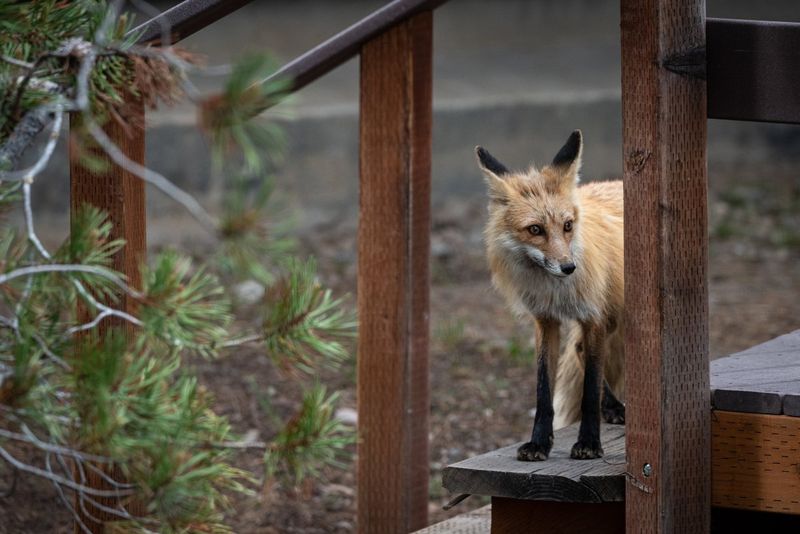
Seeing a fox cross your yard tells you that a fox was there. It does not tell you why.
A fox might be hunting, following a regular route through its home range, or moving around during the breeding season.
Each of those explanations looks much the same from a kitchen window. A fox that trots along a fence line could be checking for mice, heading toward a neighbor’s property, or searching for a mate.
Without watching for a long time, and often even then, nobody can say which one it was.
It also helps to avoid assuming that winter itself sends more foxes into yards. Snow just makes animals easier to spot.
A fox that crosses your lawn in January may have crossed it in July, and you simply did not see it.
Foxes live in territories called home ranges, and they tend to use familiar paths through them. UW-Madison Extension’s overview of fox and coyote ecology explains how these animals live in and around developed areas.
A yard can sit right on one of those routes.
A U.S. Forest Service review of red foxes describes how widely the species ranges and how flexible its habits are.
That flexibility is why one sighting is a clue, and a pattern over many days would tell you more.
Winter overlaps with the red fox breeding season
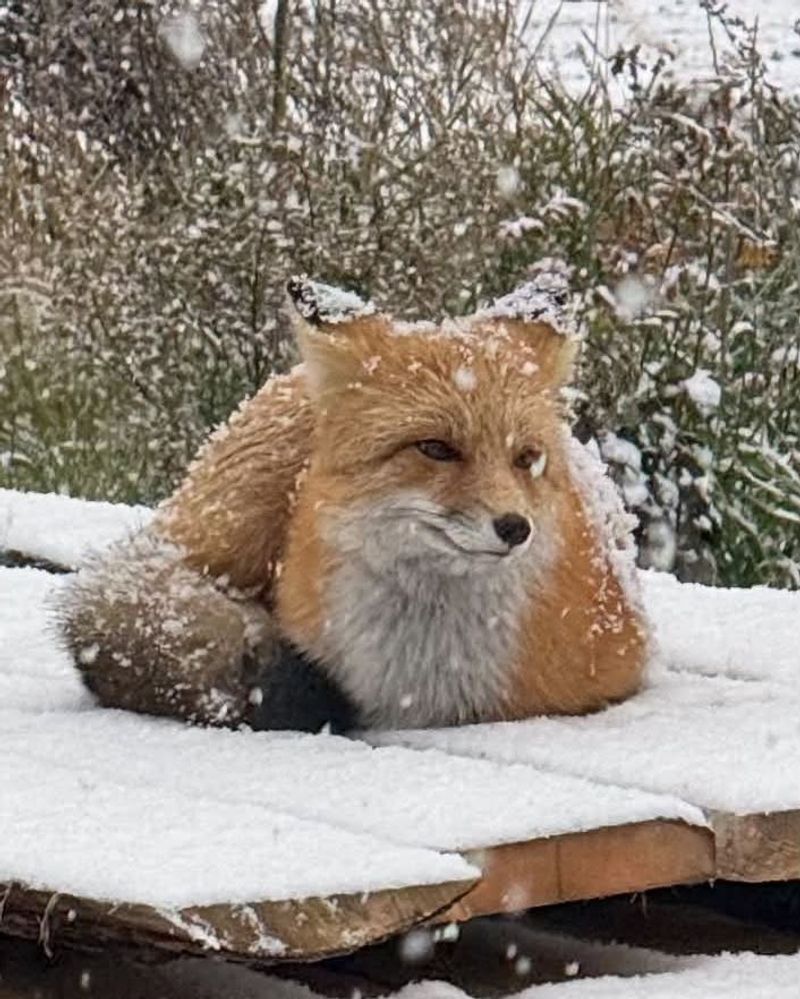
December and January fall inside the stretch of the year when red foxes pair up and mate. That makes mate-seeking one reasonable explanation for a fox on the move.
It is not the explanation for every fox you see.
The sources describe the timing a little differently. The Wisconsin DNR says breeding occurs around mid-January.
The Forest Service review says breeding peaks in late January in Wisconsin.
UW-Madison Extension paints a wider picture. It describes pairs beginning to form in early winter, with mating running from early January to mid-March.
Taken together, these descriptions point to winter breeding activity without pinning it to a single date.
Still, a fox out in December or January may be doing something else entirely. It could be hunting for a meal or simply heading across its home range.
A fox that is traveling alone, or that you see only once, tells you very little about whether it is looking for a mate.
If you do notice two foxes together in winter, pairing is a sensible guess. Even then, it is only a guess about their behavior, and it does not tell you where they plan to raise young.
A pause and pounce can signal a hunt
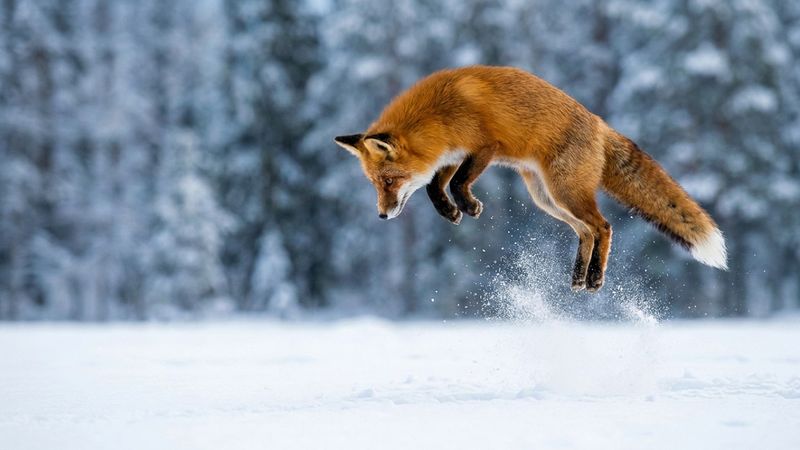
Few things in nature are as memorable as a fox that stops, tilts its head, and then springs high before diving nose-first into the snow. That sequence matches how foxes hunt small prey.
They listen for rustling and squeaking, even from animals tunneling under snow.
Researchers studying this habit reported in a Biology Letters study on foraging foxes that the direction a fox faces when it pounces may help its hunting accuracy. In other words, those head tilts and careful stances may serve a real purpose.
If you see this in your yard, hunting is a good bet. But it is still only consistent with hunting.
You cannot be certain what that fox was after, or whether it caught anything.
Mice and voles are common targets, and the UW-Madison Extension fox ecology page notes that foxes eat a range of foods. Mice are not the whole menu, though.
The Forest Service review lists rabbits, birds, insects, and plant foods among what red foxes eat. A fox pausing in your yard might be after any of these.
A yard crossing does not mean a den is nearby
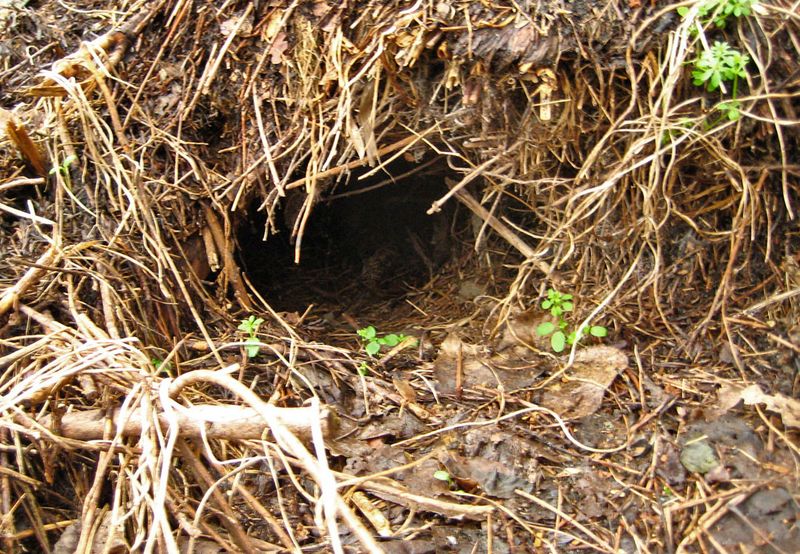
It is easy to jump from “fox in my yard” to “fox living under my shed.” Those are very different things. A fox walking through tells you nothing about where it sleeps or whether it has a den at all.
According to the Wisconsin DNR, foxes use dens in connection with breeding and raising young. They do not live in dens through most of the year, and they do not spend the winter curled up in one.
Dens do sometimes show up in towns and suburbs. A fox may choose a spot under a porch, beside a building, or beneath a deck.
That is why the topic comes up for homeowners, but it still takes more than a sighting to conclude a den is close.
Timing matters too. The DNR says Wisconsin kits are usually born around mid-March, so any den activity tied to young would come after the winter months when you might first notice a fox.
UW-Madison Extension also points to the breeding link, with pairing in early winter and mating following. Signs of a real den would be things like repeated visits to the same spot and a fox going in and out of an opening.
Food around a home can attract foxes indirectly
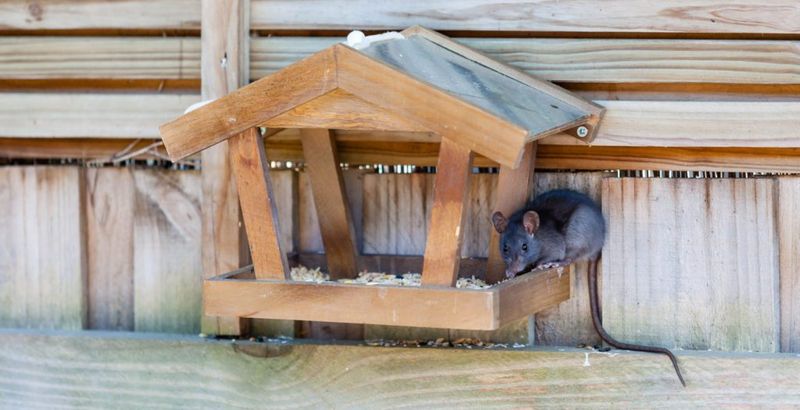
Most homeowners do not set out to feed a fox. Yet a yard can still offer plenty of reasons for one to stop by.
The pull is often the small animals that gather where food is easy to find.
The Wisconsin DNR’s page on nuisance, urban, and damaging wildlife notes that available food in developed areas can support foxes. Birdseed is one example, because it may attract rodents and insects that foxes eat.
Picture a feeder that drops seed onto the ground all day. Mice and other small animals move in to snack at night.
A fox that knows the neighborhood may follow them there.
This does not mean food is the only possible reason a fox shows up. A fox could still be traveling or breeding, and a yard with no feeder can see a fox too.
Food is just one factor a homeowner can actually change.
The UW-Madison Extension fox and coyote ecology resource describes how these animals make use of human-modified landscapes. Open trash, pet food, and fallen fruit can all play a part.
Daylight alone is not evidence of rabies
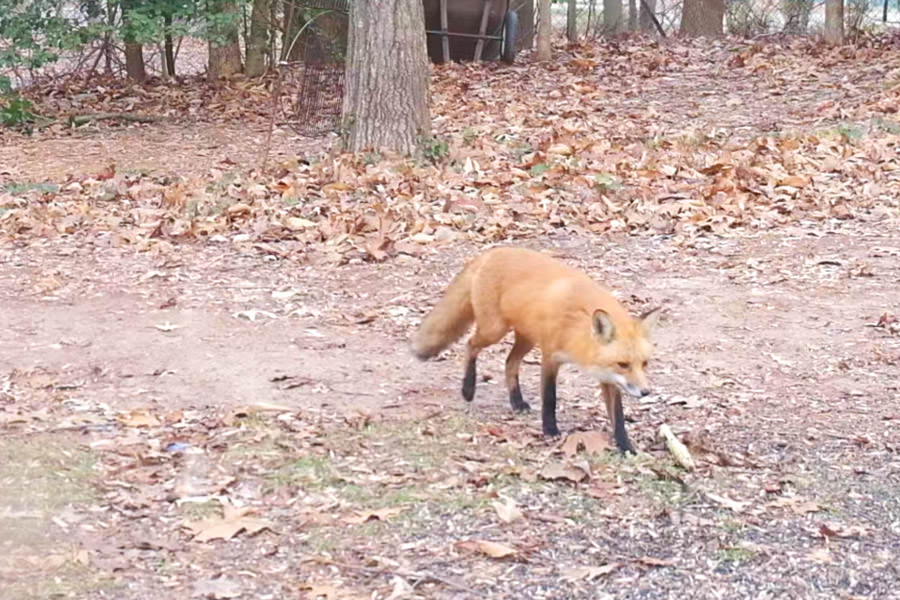
Many people hear that a fox out in daylight must be sick. That is a myth.
Foxes are active at different times, and a fox seen in the day is not, by itself, a sign of rabies.
What matters more is how the animal acts. Behavior that seems abnormal, such as stumbling, seeming unafraid of people, or acting confused, is a reason for extra caution and a call to a professional.
The Wisconsin Department of Health Services advises people to stay away from wild animals, especially ones acting abnormally. That advice applies whether the animal looks healthy or not.
The department also identifies bats and skunks as the state’s primary rabies reservoirs. That is helpful background, but it does not mean a fox cannot carry rabies, so keep your distance anyway.
If a fox bites or scratches someone, wash the wound thoroughly with soap and water. Then contact your local health department or a health care provider promptly.
Do not wait to see whether the animal seems sick.
Give the fox space and remove easy attractants
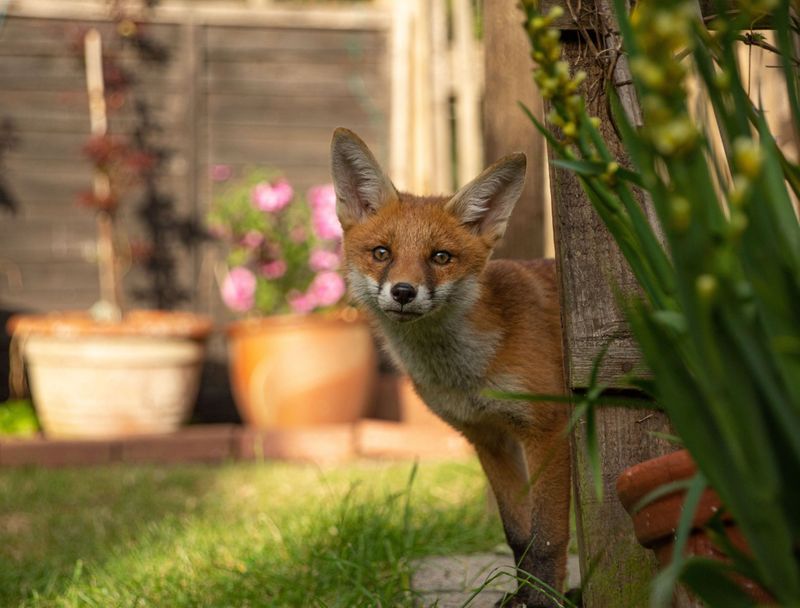
The best response to a fox in your yard is a calm, hands-off one. Do not feed it, and do not walk toward it, corner it, or try to touch it.
Let it pass through and keep a safe distance.
Next, take away easy meals. Bring pet food indoors and secure garbage in sturdy lidded cans.
Wisconsin DNR guidance suggests that while foxes are visiting, you might also take down bird feeders and sweep up spilled seed.
Keep pets supervised outside, especially small ones. A leash or a short trip out with you is safer than letting a cat or small dog roam after dark.
If you suspect a den near your home, the DNR lists a continuously playing radio as something that may encourage the fox to move elsewhere. It is only a suggestion and is not a guaranteed fix.
Should anyone be bitten or scratched, the Wisconsin DHS rabies guidance says to wash the wound and call a health department or doctor promptly.
A fox that finds nothing worth lingering for usually keeps moving.
Share this story