When the weather turns cold in Kentucky, people are not the only ones looking for a warm place to stay. Two venomous spiders, the black widow and the brown recluse, live across the state and often slip into garages, basements, and storage areas once winter arrives.
Most encounters end without a bite, but knowing what these spiders look like and where they hide can save you a painful surprise. Here is what every Kentucky homeowner should know before reaching into that box of holiday decorations.
1. Black Widow
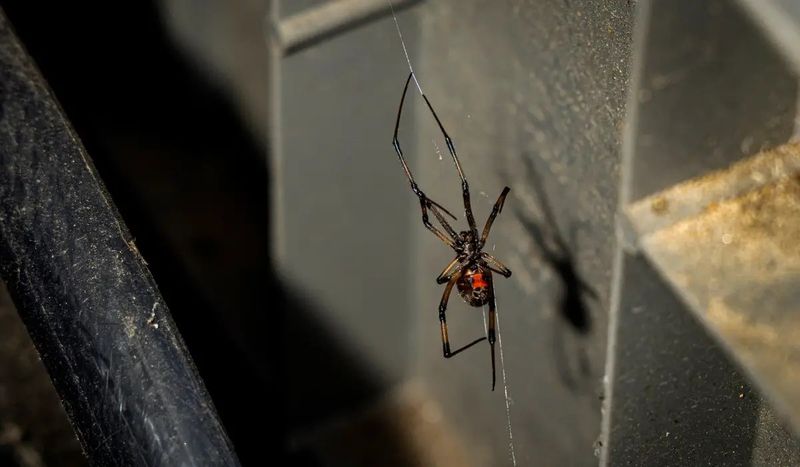
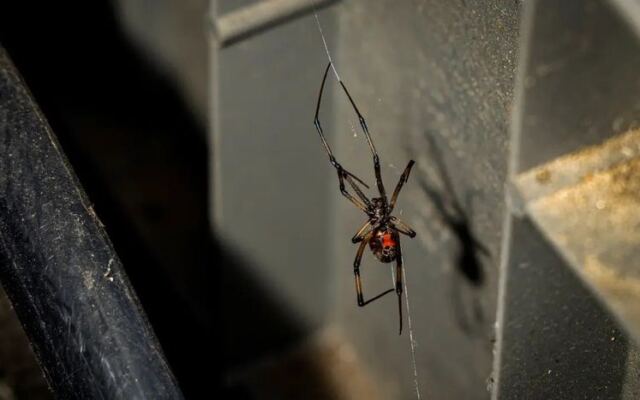
Picture a shiny black spider, about the size of a jelly bean, hanging upside down in a tangled web under your workbench. Flip her over, and you will spot the famous red hourglass on her belly.
That bold mark is basically nature’s warning label.
Kentucky has both the southern and northern black widow. Females are the ones to watch, since the males are small, harmless, and rarely noticed.
Their webs look sloppy and uneven, not like the neat wheel shapes you see in a garden.
In colder months, black widows tuck themselves into quiet, cluttered spots. Think firewood piles, flower pots stored in the garage, old boots, and the gaps around garage door frames.
They are shy and usually bite only when pressed against skin, like when you slide your hand into a work glove.
A bite can feel like a pinprick at first, then lead to muscle cramps, stomach pain, and sweating within an hour or so. Deaths are extremely rare, but kids, older adults, and anyone with health problems should get medical help quickly.
Wearing gloves when moving firewood and shaking out stored shoes are two easy habits that go a long way.
2. Brown Recluse
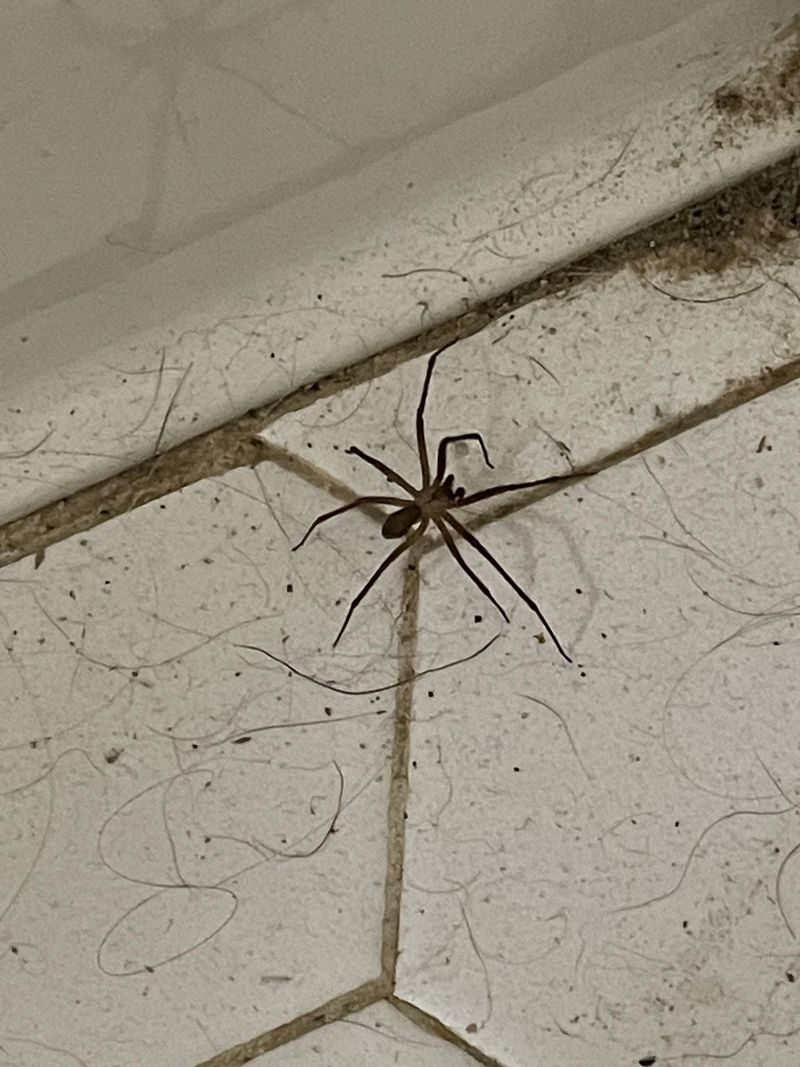
Ask a Kentucky pest control worker which spider gets the most calls in winter, and there is a good chance the answer will be the brown recluse. The name fits perfectly.
These tan spiders love being left alone, and a quiet basement full of boxes is their dream apartment.
Look for a dark, violin-shaped mark on the back, with the neck of the violin pointing toward the rear. Another clue is the eyes.
Most spiders have eight, but the brown recluse has six arranged in three pairs, though you would need a magnifying glass to check.
Unlike black widows, recluses do not sit in webs waiting for food. They roam at night, hunting small insects, and then hide in dark spots during the day.
Bites often happen when someone puts on clothes left on the floor or rolls over on a spider in a rarely used bed.
Many bites heal on their own, yet some can cause a slow-healing sore as the venom damages skin tissue. If a bite turns red, blistered, or darker in the center, see a doctor.
To keep them away, store items in sealed plastic bins instead of cardboard, pull beds away from walls, and set sticky traps along basement edges.
Fun fact: a single home can hold dozens of recluses for years without anyone getting bitten, which shows just how much they prefer to stay out of sight.
Share this story