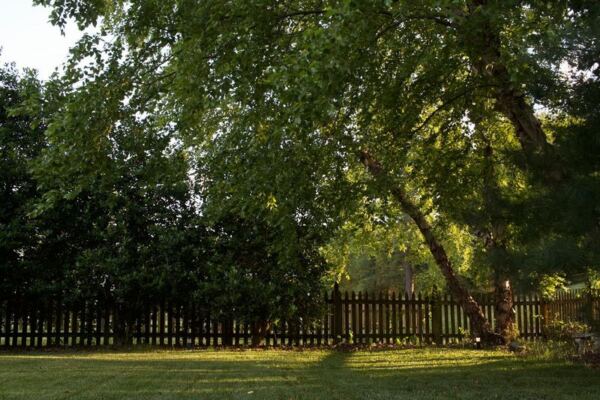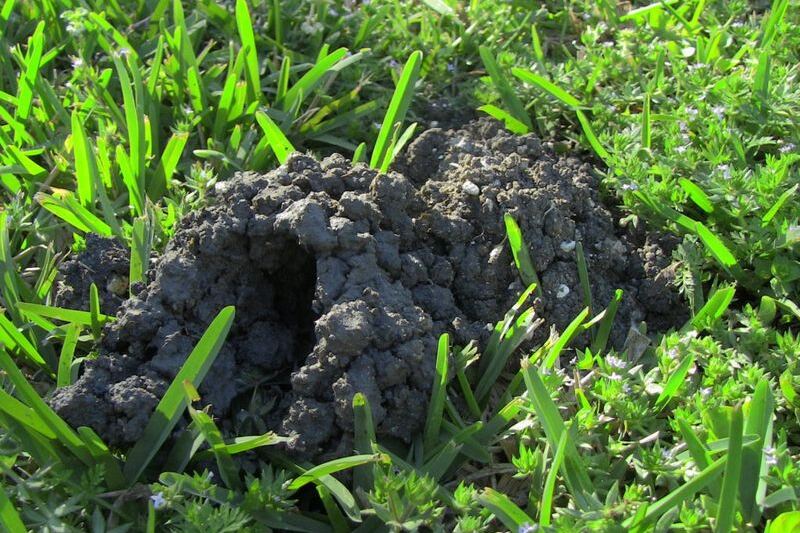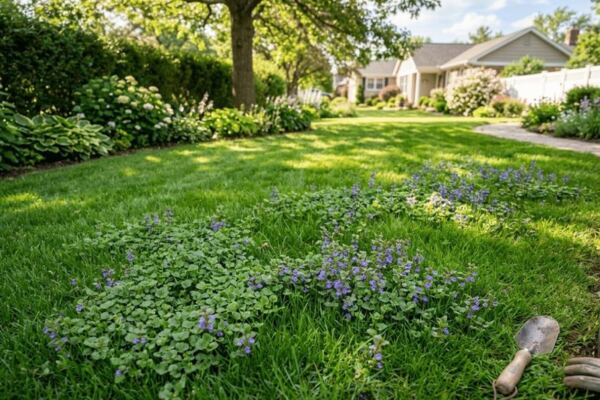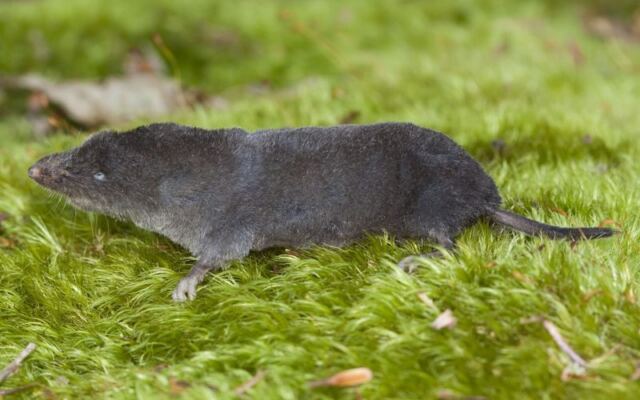
Yes, a northern short-tailed shrew could live in the leafy corners of an Iowa yard, because the species occurs across the state and likes damp ground covered with leaves and grass. These tiny animals also have venom in their saliva, which they use on prey.
That sounds alarming, but a bite is the only way the venom gets delivered. Here is what is known, what is not, and how to handle leaves and wildlife with a cool head.
Leaf-covered yards can suit Iowa shrews
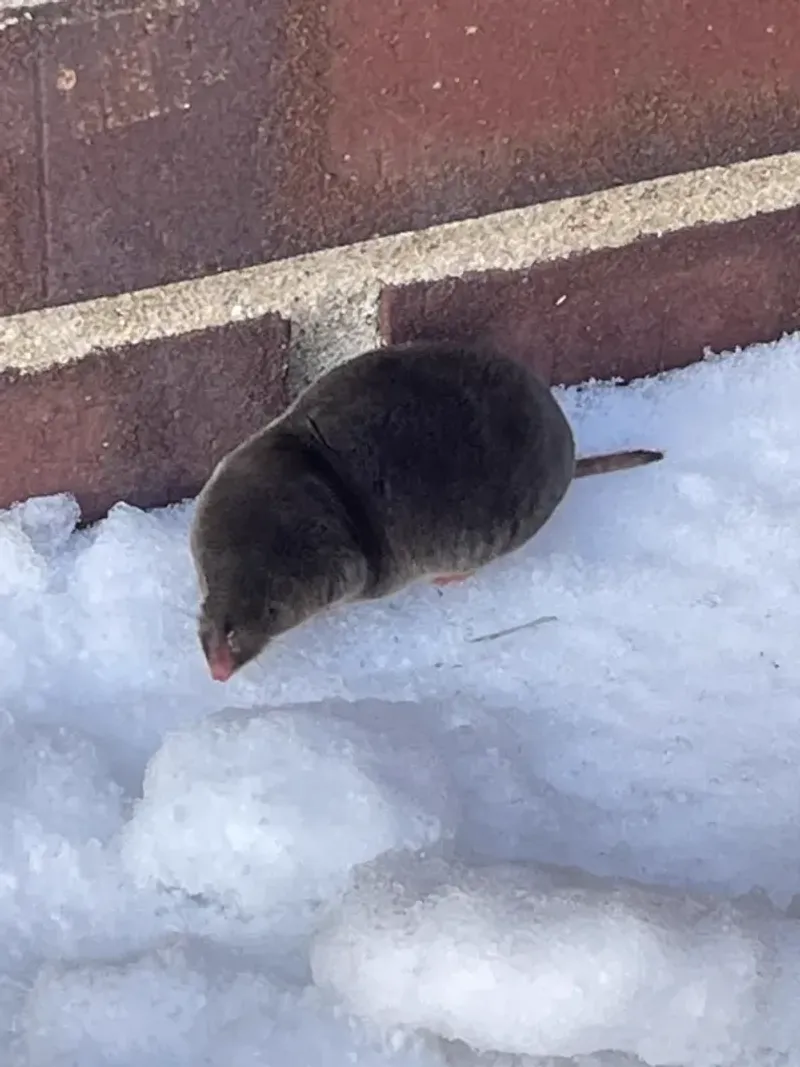
Northern short-tailed shrews, Blarina brevicauda, occur in Iowa. According to Iowa State University Extension’s guide to the mammals of Iowa, they do well in moist places with dense ground cover and deep leaf or grass litter.
A damp, leafy yard can offer that kind of setting.
Suitable habitat is not the same as a resident animal. These shrews are semi-fossorial, which means they spend much of their time underground, tunneling beneath the litter rather than sitting in plain view.
A yard that looks perfect on paper may hold no shrew at all, and a particular leaf pile is far more likely to be empty than occupied by one.
If you ever do see one, the animal is small, gray to black, stocky, and has a short, thick tail. Those features help, but they are not enough to name the species with confidence.
Plenty of small mammals can look similar at a quick glance, especially when they dart away.
Iowa also has Elliott’s short-tailed shrew in the southwest part of the state. Iowa State says the two species can be hard to tell apart without genetic analysis.
So a backyard sighting in southwest Iowa, even a clear one, will not settle which short-tailed shrew you saw.
How short-tailed shrew venom works
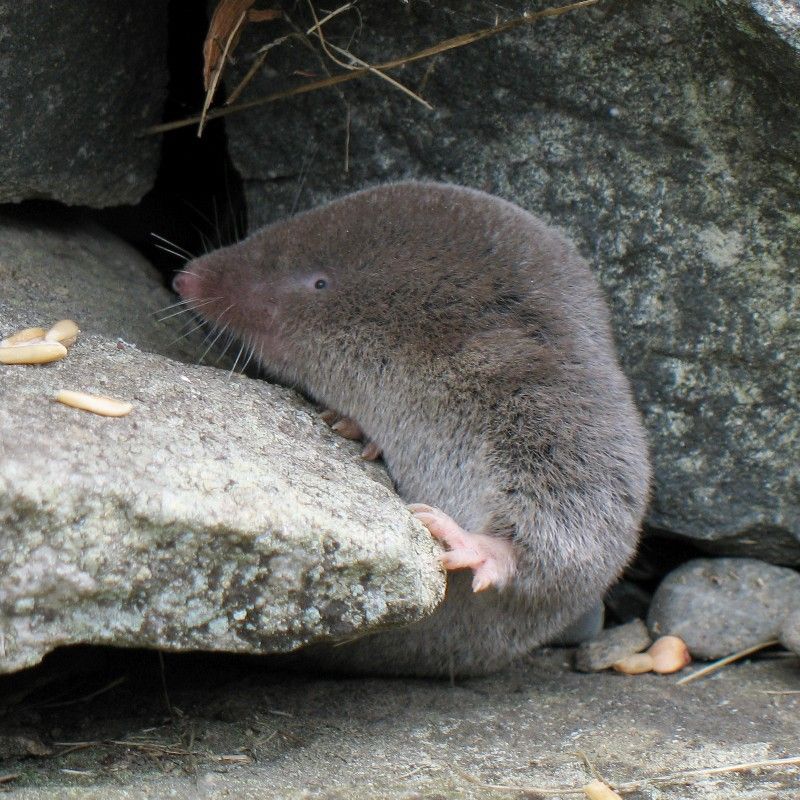
The venom story belongs to one animal group in particular. Researchers isolated a toxin from the short-tailed shrew Blarina brevicauda and described it in a peer-reviewed PNAS study of Blarina toxin.
That finding applies to short-tailed shrews, not to every shrew species, so the claim that all shrews are venomous goes too far.
The toxin is carried in the shrew’s saliva. It enters another animal through a bite, and it helps the shrew subdue prey that may be larger than itself, such as insects, worms, and small animals.
In other words, the venom is a hunting tool.
The word venomous has a narrow meaning here. It describes a toxin delivered by a bite, which is different from an animal being poisonous to touch or to eat.
Walking past a leaf pile, raking near one, or simply having one in your yard does not expose you to venom.
The concern, then, is a bite and nothing broader. A shrew has to be handled, cornered, or otherwise provoked into biting for venom to be involved at all.
What the research says about people is covered next, along with its limits.
What human bite accounts report
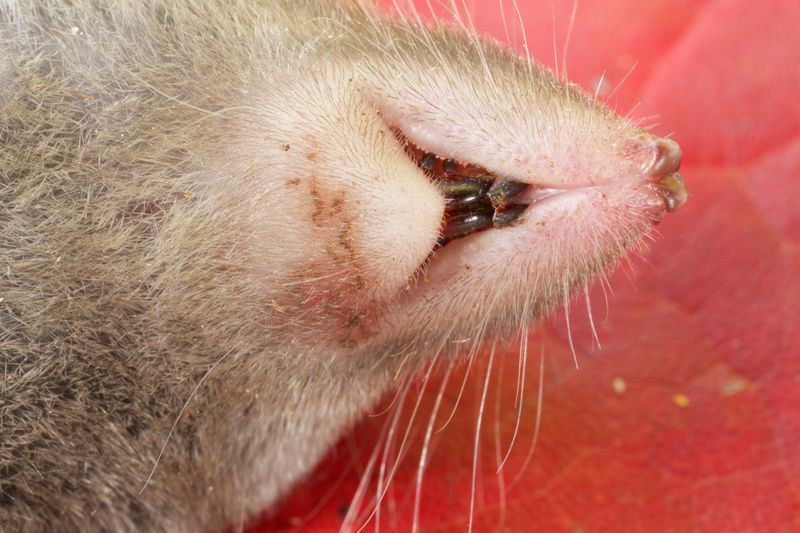
Information about people comes from a small set of stories. The same PNAS research notes human bite accounts that describe local burning around the tooth punctures, along with swelling.
That is a fair picture of what has been reported, and it suggests a bite can be painful.
The accounts have clear limits. They do not tell us how often people get bitten, and they do not cover the full range of effects someone might have.
They are not a large clinical study, so they cannot support a precise level of danger or a medical risk rating.
It also helps to keep two kinds of evidence apart. Laboratory work shows the toxin affects prey animals, but that does not tell us what a bite will do to a person.
Guessing human outcomes from mouse or prey findings would be just that, a guess.
So the measured view sits between two extremes. Calling the venom deadly to people goes beyond what the research shows.
Calling a bite harmless ignores the burning and swelling that people have described, and any bite that breaks the skin deserves proper wound care.
For most households, the practical takeaway is simple. Bites appear to be tied to handling or cornering a shrew, which is easy to avoid.
The steps to take after a bite come in a later section.
Manage leaves for the garden, not because of shrews
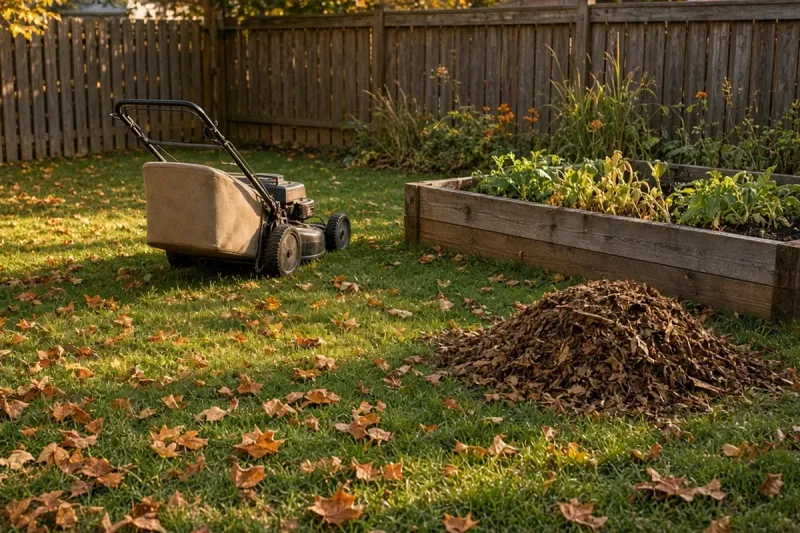
Fall leaves are useful stuff. They can shelter wildlife and, as they break down, they improve garden soil.
Plants, though, can suffer when the layer gets too heavy.
Iowa State Extension offers practical guidance on leaving fallen leaves in your yard and garden. Thick layers can smother plants, so the advice is to leave leaves where they help, redistribute dense mats, and reduce or remove excessive layers, especially those over 6 to 8 inches deep.
A few examples show how that plays out. Leaves under shrubs and around trees can stay put as natural mulch.
A soggy mat on top of a lawn or a perennial bed is a better candidate for thinning or spreading out.
Notice what drives each choice: the health of your plants and the look of your yard. Whether a shrew could use the habitat is not part of the decision.
Suitable cover does not mean a shrew is there, and there is no reason to strip a yard bare just in case.
When you do work with leaves, ordinary care is enough. Wear sturdy gloves, rake or move material gently, and pay attention as you go.
If something small scurries out, you can simply let it go on its way.
Give an uncovered shrew room to leave
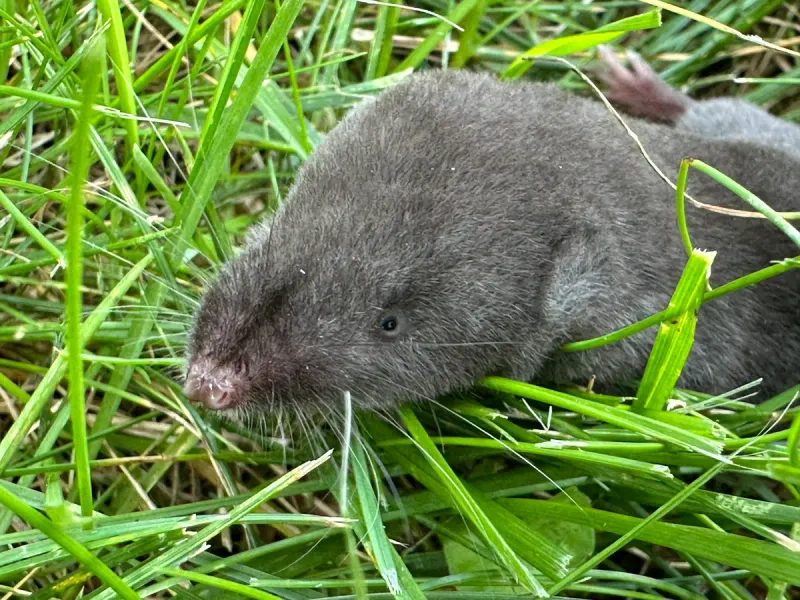
Suppose you lift a handful of leaves and a small, dark animal is underneath. Step back and let it go.
Do not pick it up, trap it, corner it, or handle it to figure out what it is, because a bite is the situation you want to avoid.
The Iowa Department of Natural Resources advises people not to approach or care for wild animals themselves. A shrew that has room to move will usually head for cover on its own.
If a bite does happen, wash the wound thoroughly with soap and water. Then contact a healthcare professional or Iowa public health for advice.
This guidance is about wound care and getting the right input, not about diagnosing yourself.
Two questions get mixed up here, so keep them separate. One is about venom-related effects, such as burning and swelling near the punctures.
The other is a public-health assessment of the bite itself.
On that second question, Iowa HHS rabies guidance says animal bites should be assessed for possible rabies exposure. Wound infection and tetanus may also need consideration.
A professional can sort out which of these apply to your situation.
Use habitat, not guesswork, to guide your response
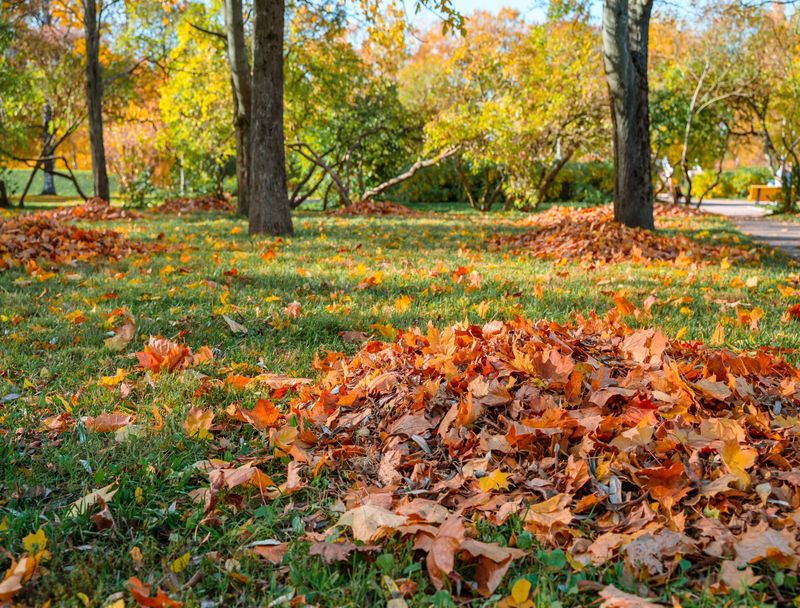
A leafy, damp yard can suit a northern short-tailed shrew, as Iowa State’s mammal guide describes, but habitat does not confirm that one is present. Let your plants decide how you handle leaves.
If a shrew turns up uncovered, leave it alone, and after any bite, seek advice using Iowa HHS rabies guidance.
The shrew under the leaves is mostly a quiet neighbor, and your rake is the bigger decision.
Share this story